Rotweingut Prickler

Falstaff Winery - 3 Stars
Rotweingut Prickler is a family-run red-wine estate in Lutzmannsburg, shaped by the sunny Pannonian conditions of Mittelburgenland DAC. The focus is Blaufränkisch, supported by Zweigelt, Merlot and Pinot Noir, with a compact portfolio that runs from accessible cuvées to reserve and grande reserve bottlings.

Pearl is the En Primeur Club membership app — saves, bookings, and concierge access live there. Same editors, same standards.

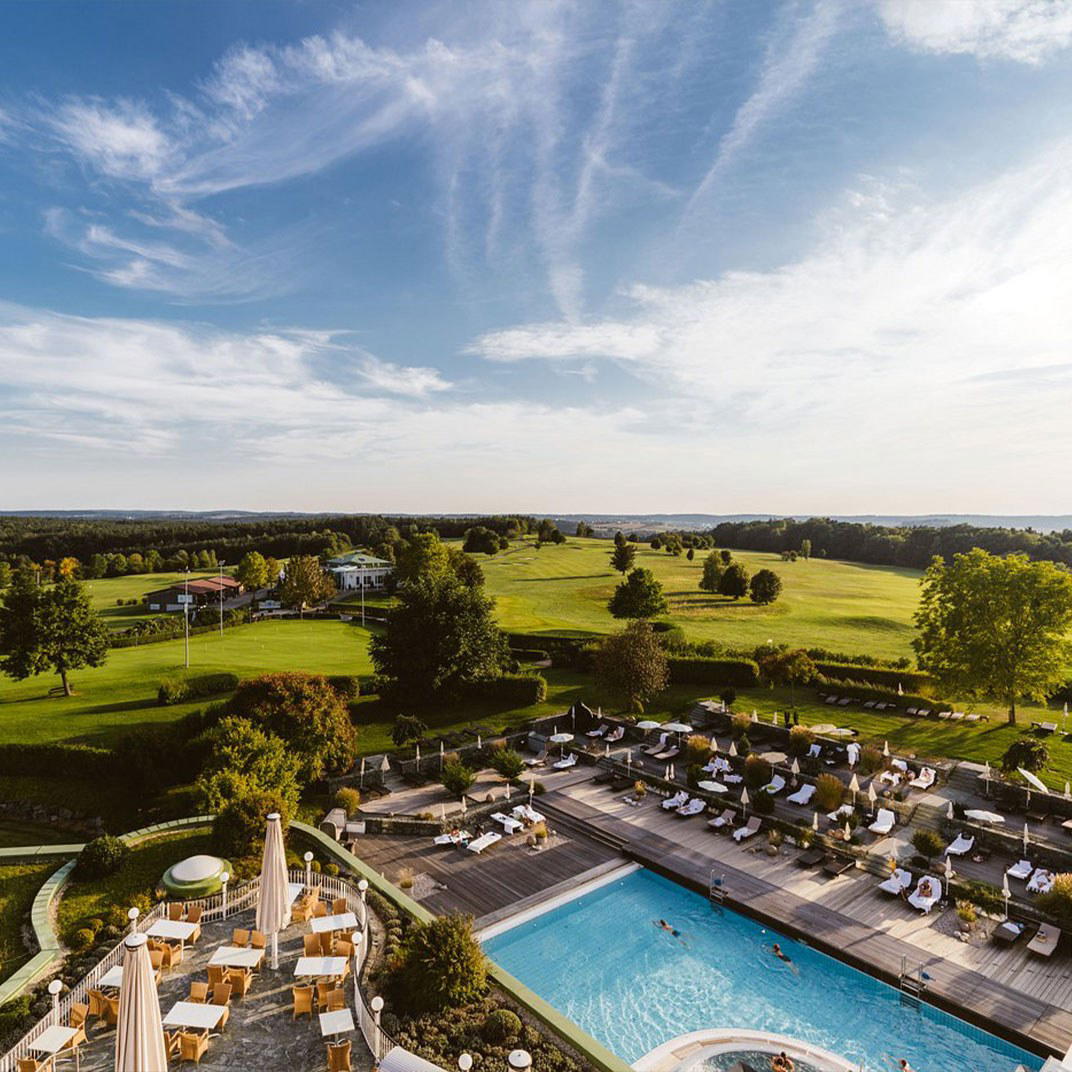
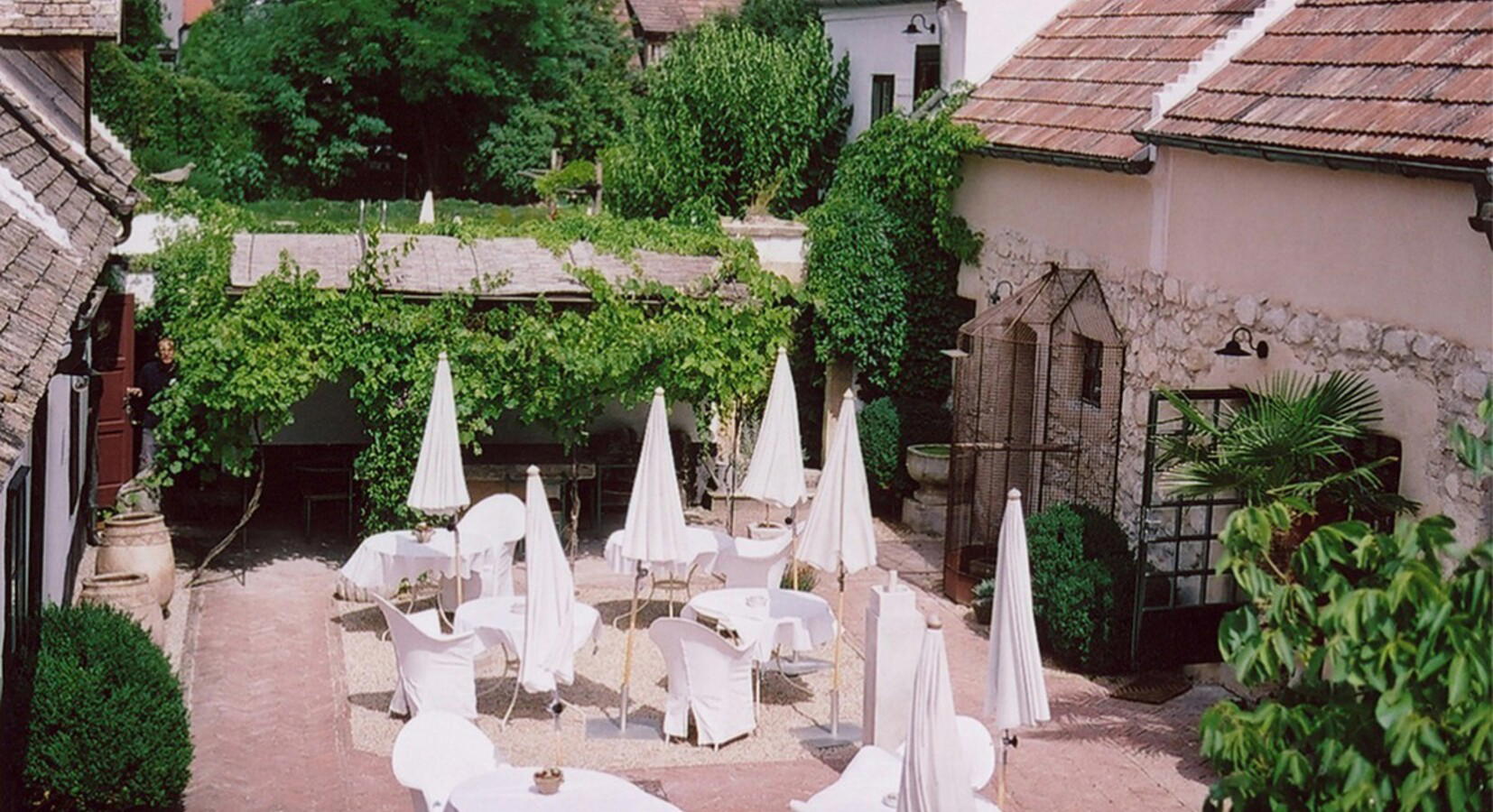
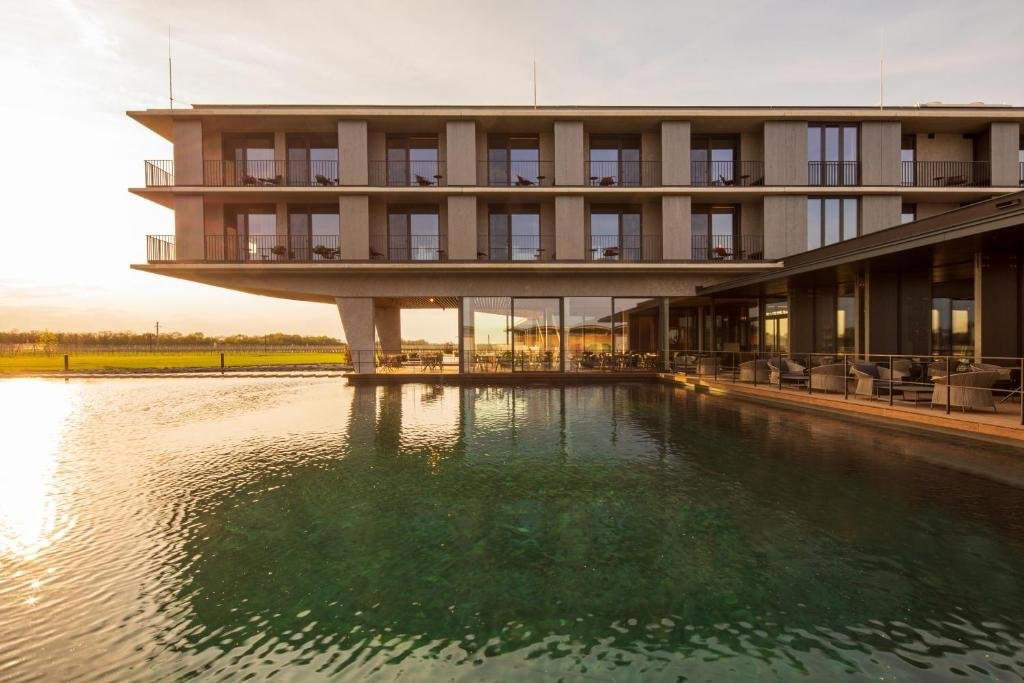
Approaching Rotweingut Prickler in Lutzmannsburg means starting with the setting rather than a long list of public-facing specifics. The picture is of a family-run winery on the Lutzmannsburg plateau, with a nature-connected, terroir-driven atmosphere and a strong focus on characterful red wines. The appeal is quiet rather than showy: rustic, classic and a little hidden-gem in feel. It is the kind of place that is easiest to describe through tone and orientation: red wine first, landscape close at hand, and a sense that the estate’s identity is shaped by where it sits as much as by what it pours. For visitors, that makes it less about spectacle and more about paying attention to a particular Lutzmannsburg context.
Lutzmannsburg red wine is built around place and a quiet estate atmosphere
Rotweingut Prickler is best understood as a red-wine-focused winery whose identity is tied closely to its Lutzmannsburg plateau setting. The available information supports a place-led reading: family-run, nature-connected and terroir-driven, with the landscape and vineyard context shaping the experience. In practical terms, that means the estate is not best introduced through a catalogue of external credentials or a highly polished hospitality narrative. Its clearest frame is more elemental: a winery rooted in its immediate surroundings, with red wine as the main point of attention.
Beyond that, the public detail should not be overstated. For planning purposes, it is safer to describe the estate broadly: a Lutzmannsburg winery with a strong red-wine focus and a calm, rustic character. That restraint is important, because it keeps the description aligned with what is actually supported. The plateau setting and family-run profile provide enough context to understand the mood without turning the page into a speculative cellar note. Visitors should expect the emphasis to sit on place, character and quiet continuity rather than on a long list of fixed visitor-facing promises.
The useful takeaway is not a technical cellar profile, but a mood and positioning. Rotweingut Prickler suits visitors looking for a classic, quiet winery environment in Lutzmannsburg, especially those interested in red wines and a terroir-driven point of view. It may be most appealing to people who enjoy wineries where the charm is understated: less about performance, more about the connection between land, family identity and a particular local wine style. Read that as a reason to approach the estate with curiosity and patience, not as a guarantee of any specific tasting format.
The portfolio is best described broadly as red-wine focused
The information supports a strong focus on characterful red wines, but not a detailed list of individual labels, vintages, grape varieties or bottle prices. That distinction matters: the estate can be presented honestly as red-wine centered without inventing a specific portfolio structure. In editorial terms, the best description stays at the level of emphasis rather than pretending to map the full range. The phrase “characterful red wines” gives the right direction, while still leaving space for the winery’s current selection to be confirmed directly.
Rather than framing Rotweingut Prickler around rankings or competition results, the more grounded reason to pay attention is its family-run identity, quiet plateau setting and terroir-driven atmosphere. Those points are enough to locate it within the Lutzmannsburg wine landscape without adding unsupported claims. The estate’s appeal comes from a sense of continuity and specificity: a red-wine address that be shaped by its place, its family operation and a more reserved style of presentation. For many wine travelers, that can be more useful than a louder summary built on details that are not actually available here.
The same caution applies to farming and production claims. The estate is described in nature-connected terms, but no specific certification or technical method is here. Serious wine buyers should treat the confirmed description as atmospheric and place-based, then check directly with the winery for current bottles and production details. That is not a weakness in the profile; it is simply the honest boundary of the available information. If a visitor cares about particular methods, grape varieties, cellar practices or bottle availability, those questions are best handled before making firm plans.
How to place it in a Lutzmannsburg wine itinerary
Rotweingut Prickler is strongest for visitors who want a calm, red-wine-focused stop in Lutzmannsburg rather than a highly scripted hospitality concept. Its character is rustic, quiet, classic and hidden-gem in tone, with the Lutzmannsburg plateau forming the essential context. In an itinerary, it fits best as a stop chosen for atmosphere and red-wine orientation, not as a venue selected because of confirmed extras or elaborate public detail. The visit, as presented here, should be understood through simplicity: a family-run estate, a plateau setting and a terroir-driven point of view.
Treat Rotweingut Prickler as a winery to research directly before you go, especially if timing or a particular tasting experience matters. That is especially true for travelers building a day around specific appointments, bottles or expectations. The available description gives a strong sense of fit, but not the operational details that determine how a visit will work in practice. Contacting the winery directly is the cleanest way to align the quiet appeal of the place with the practical needs of a trip.
For a wider local route, keep the itinerary wine-led and compare Rotweingut Prickler with other Lutzmannsburg options generically. The clearest reason to include it is simple: a family-run, terroir-driven red-wine estate in Lutzmannsburg with a quiet, classic atmosphere. It belongs in a plan for visitors who want to understand the area through its red-wine identity and who appreciate wineries that do not need to feel overly produced. Keep the expectations grounded, let the plateau context do much of the work, and treat the estate as a restrained but potentially rewarding part of a Lutzmannsburg wine day.
Recognition history
Dated appearances from independent guides and award organizations, with the underlying list record or original source where available.
Falstaff Winery - 3 Stars
Falstaff
Continue exploring
More in Lutzmannsburg
Wineries in Lutzmannsburg
All wineries in Lutzmannsburg →
Bars in Lutzmannsburg
Browse all →
Details
- Rustic
- Quiet
- Classic
- Group Outing
- Wine Education
- Special Occasion
- Solo Exploration
- Estate Grounds
- Private Tasting
- Sustainable
- Vineyard
- Blaufränkisch
- Zweigelt
- Merlot
- Pinot Noir
- Still Red
- Guided Tasting
- Wine Shop Tasting
A family-run winery with a nature-connected, terroir-driven atmosphere, set on the Lutzmannsburg plateau with a strong focus on characterful red wines.