
Remstalkellerei eG is a large cooperative winery in Weinstadt’s Beutelsbach area, built around Württemberg drinking culture rather than design-led cellar-door theatre. The draw is scale, regional grape range and a functional vinothek with bar and retail tastings, anchored by Trollinger, Lemberger, Riesling and other local styles from the Remstal context.
Pearl is the En Primeur Club membership app — saves, bookings, and concierge access live there. Same editors, same standards.
- Address
- Weinstadt, Württemberg, Baden-Wuerttemberg, Deutschland
 Saves & bookings on Pearl
Remstalkellerei eG is a cooperative winery in Weinstadt, set in the Remstal valley and focused on regional Württemberg wines. Its appeal is not built around design-forward interiors, destination dining or a restaurant-style experience; it is better understood as a functional vinothek with a classic, lively and scenic winery atmosphere. That distinction matters, because the venue’s value comes less from curated luxury cues and more from proximity to the region’s wine identity, with the setting itself helping visitors read the place as part of a working wine landscape.
For visitors trying to understand local wine culture, the venue offers a direct cooperative perspective: regional wines presented in a setting tied to production and cellar atmosphere. The large barrel cellar atmosphere is part of the identity, giving the visit a more working-winery feel than a polished hospitality concept. In that sense, Remstalkellerei eG is useful for travelers who want a direct introduction to how Württemberg wine can be encountered in Weinstadt, without needing the experience to be filtered through a more elaborate design or service narrative.
A cooperative lens on Württemberg wine
Remstalkellerei eG fits the cooperative winery model in the Remstal valley. The emphasis is on showcasing Württemberg wines in a broad, accessible context rather than presenting a highly stylized or chef-led venue experience. This cooperative lens gives the stop a different rhythm from a boutique tasting room or a dining-led wine address: the focus stays on the regional wine category and on the vinothek as a practical point of contact between visitor and place.
The strongest reason to include it in a Weinstadt itinerary is context. It gives travelers a sense of how regional wine is represented through a cooperative winery and a vinothek setting, with the large barrel cellar atmosphere adding a concrete sense of place. For someone moving through the Remstal valley, that atmosphere can help connect the wines to the wider setting around them, making the visit feel rooted rather than abstract. The experience is not dependent on spectacle; it works because the format is clear and the regional focus is easy to understand.
Readers comparing wine stops in the area should treat the winery as a cooperative counterpoint to other unnamed Weinstadt options. The comparison is not about ranking; it is about understanding different ways local wine can be presented. Some wine stops may lean more heavily on atmosphere, design or a narrower hospitality concept, while the winery is positioned here through its cooperative structure, vinothek function and barrel-cellar character. That makes it especially relevant for travelers who like to understand the ecosystem behind a wine region, not only one polished version of it.
Vinothek setting over design-led polish
The experience is best described as functional and wine-focused. The winery is not framed here as a design-led destination; its character comes from the cooperative winery setting, vinothek format and barrel-cellar atmosphere. This does not make it less worthwhile, but it does set expectations: the visit should be approached as a clear, regionally anchored wine stop rather than as a venue promising a highly produced hospitality environment. The classic and lively quality is part of the appeal, particularly for travelers who prefer wine experiences that feel close to their source.
The listed price level is $$, which places it in an accessible range for premium travel planning. The draw is the regional Württemberg wine focus and the classic, lively setting rather than luxury signaling. For EP Club readers, that can make the venue useful in a balanced itinerary: it offers wine-region context without needing to carry the entire day as a luxury set piece. Its role is more grounded and explanatory, giving structure to a Weinstadt visit through the lens of local wine.
For a fuller Weinstadt itinerary, pair a visit with other local dining, hotel, bar or experience planning in the city, keeping the winery as the wine-focused stop. It is best positioned as one component of a broader day rather than as a standalone design destination. In practical itinerary terms, that means allowing it to do what it does well: provide a cooperative, vinothek-based encounter with Württemberg wines in a setting where the barrel-cellar atmosphere reinforces the sense of place.
Where it fits in a wider German-speaking wine trip
The winery is strongest as a context stop: a cooperative winery in Weinstadt that helps explain the Remstal through regional Württemberg wines, a functional vinothek and a large barrel cellar atmosphere. It offers a grounded way to read the region, especially for travelers who are not only tasting but also trying to understand how wine culture is organized and presented locally. The venue’s value lies in that clarity of role: cooperative, regional, accessible and closely tied to the wine setting around it.
Travelers building a broader wine route can use it as a grounded example of cooperative wine culture in the Remstal valley, especially when comparing it with other wine experiences elsewhere in Germany or nearby regions. It can serve as a useful reference point within a wider German-speaking wine trip because it shows a practical, collective and place-specific side of wine hospitality. Rather than standing out through elaborate polish, the winery is distinctive by making the cooperative winery format legible to visitors, with Württemberg wines and cellar atmosphere at the center of the experience.
Recognition history
Dated appearances from independent guides and award organizations, with the underlying list record or original source where available.
Falstaff Winery - Listed
Falstaff
Continue exploring
More in Weinstadt
Wineries in Weinstadt
Browse all →Restaurants in Weinstadt
Browse all →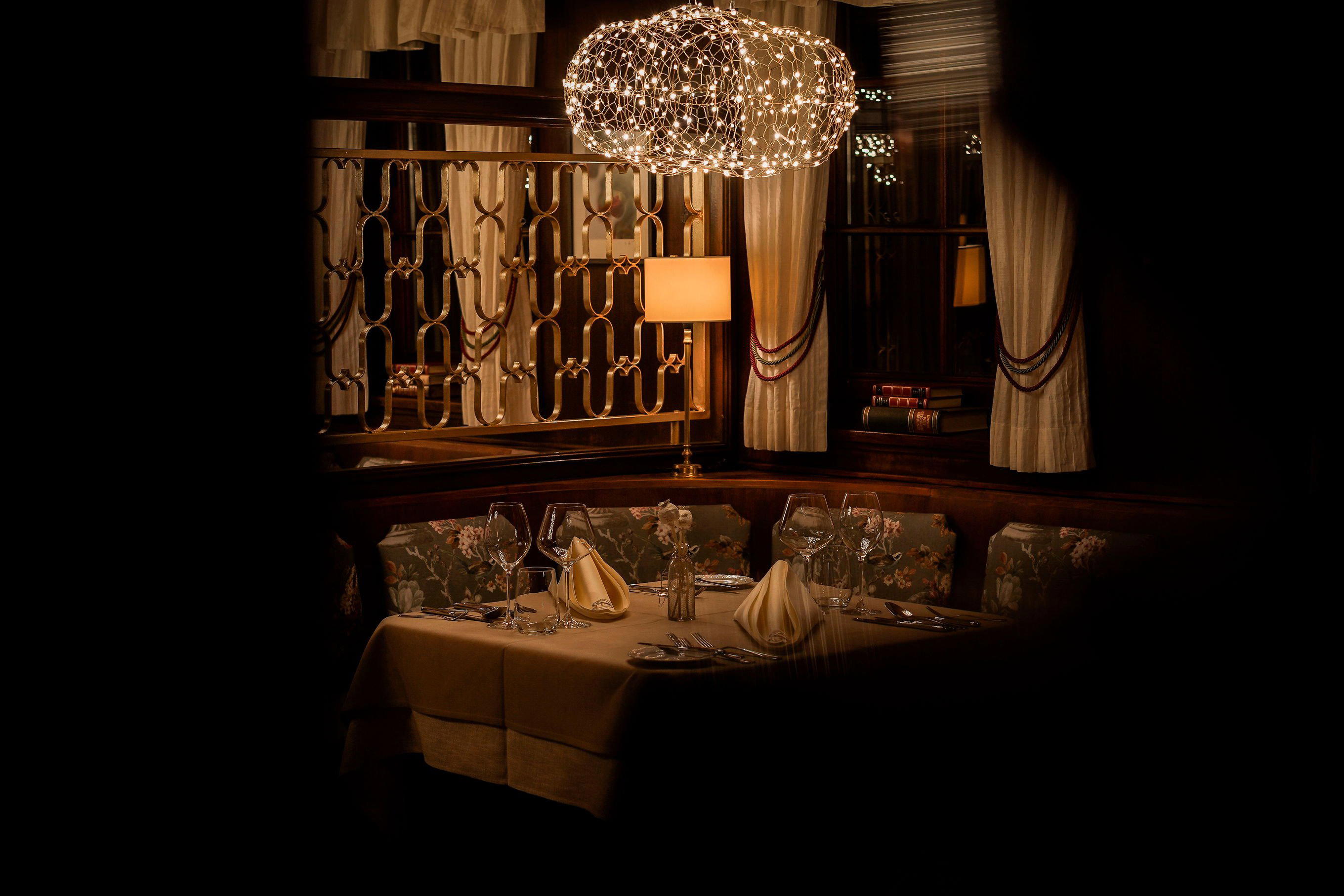
At a Glance
- Classic
- Lively
- Scenic
- Group Outing
- Wine Education
- Solo Exploration
- Estate Grounds
- Vineyard
- Street Scene
- Württemberg
- Trollinger
- Lemberger
- Riesling
- Sauvignon Blanc
- Chardonnay
- Weißburgunder
- Still Red
- Still White
- Still Rosé
- Sparkling
- Bar Tasting
- Retail Shop Tasting
Cooperative winery in the Remstal valley with a functional vinothek and large barrel cellar atmosphere, focused on showcasing regional Württemberg wines rather than design-forward interiors.