
Falstaff Winery - Listed
Weingut Jochen Mayer is a small family wine estate in Weinstadt-Großheppach, shaped by Remstal regionality, direct customer contact, and nature-oriented viticulture. The draw is not luxury staging but the working-estate rhythm: estate-made red and white wines, sparkling styles, fine brandies, and a market-linked sales culture rooted in local trust.

Pearl is the En Primeur Club membership app — saves, bookings, and concierge access live there. Same editors, same standards.

Weingut Jochen Mayer in Weinstadt is best understood as a traditional, family-run wine estate rather than a highly staged hospitality venue. The picture is simple and useful: a locally rooted producer with a strong focus on direct sales, personal tasting, and a market-stall presence. That makes it a practical address for visitors who want to encounter wine through conversation and purchase rather than through a formal restaurant-style experience.
The atmosphere is described as classic, rustic, cozy, and somewhat hidden-gem in character. Those cues matter because they set expectations clearly. This is not a page to build around claims about awards, historic dates, vineyard methods, named bottles, technical cellar details, exact opening patterns, shipping arrangements, or appointment rules. What can be said with confidence is more restrained: Weingut Jochen Mayer presents itself as a family wine estate in Weinstadt where the relationship between producer and buyer is central.
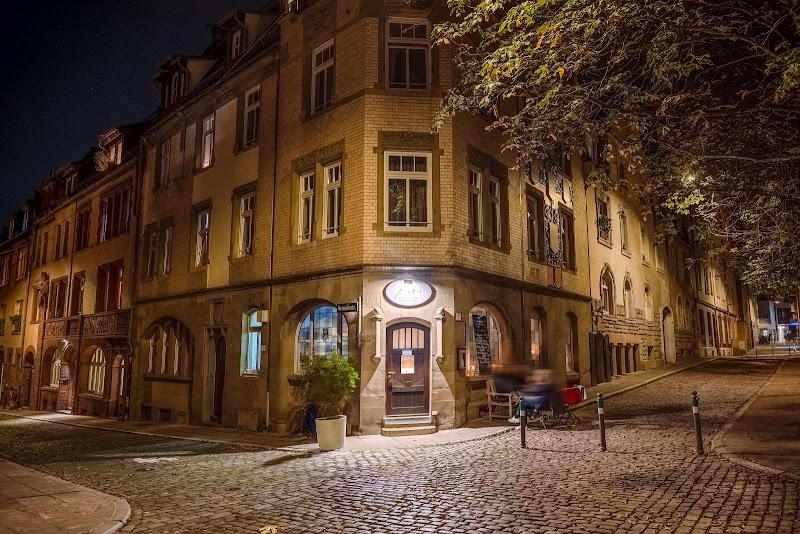
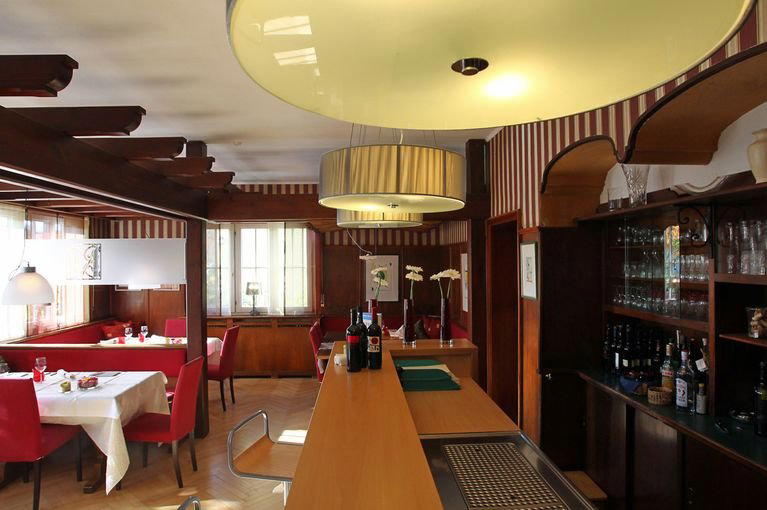
A traditional Weinstadt wine-estate setting
The strongest signal at Weingut Jochen Mayer is its traditional, family-run tone. For travelers, that suggests a place where the appeal lies less in spectacle and more in direct contact. A visit should be approached as a wine-estate encounter: ask questions, taste if tasting is available, and use the conversation to understand what the producer is offering at that moment.
Estate is associated with direct sales and personal tasting, not with a documented dining program or a fixed hospitality script. Visitors looking for a polished, tightly programmed wine-tour stop should keep that distinction in mind.
Rustic and cozy descriptors also help frame the tone. They point to a grounded local setting rather than a luxury destination built around design language or formal service choreography. In that sense, Weingut Jochen Mayer fits a practical Weinstadt wine itinerary: useful for people who value authenticity, local access, and a producer-led exchange.
Direct sales, personal tasting, and market-stall presence
Direct sales are central to the profile of Weingut Jochen Mayer. That is an important distinction from venues where the experience is mainly a meal, a bar visit, or a tourist-facing tasting package. Here, the known emphasis is on buying from the estate and interacting personally around the wines.
The safest expectation is therefore flexible rather than scripted: this is a producer setting where the tasting experience, if arranged or available, should be treated as part of the direct-sales relationship.
The market-stall presence reinforces that local character. A market stall places a producer in everyday regional life, alongside routine shopping and direct customer contact.
How to place it in a Weinstadt trip
Use Weingut Jochen Mayer as a low-key wine-estate stop within Weinstadt rather than as a fully documented destination restaurant or formal tasting salon. The price indicator is $, which positions it as an accessible option in broad planning terms. That price marker should not be read as a confirmed bottle price, tasting fee, or meal cost; it is only a general budget signal.
The best fit is a traveler who wants a classic, rustic, family-run atmosphere and is comfortable with a producer-focused experience. If you need precise opening hours, reservation rules, product availability, dietary information, accessibility details, or shipping policies, those should be checked directly before making plans.
For broader context, compare Weingut Jochen Mayer with other dining and drinking options in Weinstadt generically rather than assuming the same format applies everywhere. Weinstadt can include restaurants, bars, hotels, and other local experiences, but this venue’s identity is specifically that of a wine estate centered on direct sales, personal tasting, and local presence.
In short, Weingut Jochen Mayer is most compelling when described plainly. It is a Weinstadt wine estate with a traditional family-run feel, a practical direct-sales orientation, a personal tasting dimension, and a market-stall connection.
Recognition history
Dated appearances from independent guides and award organizations, with the underlying list record or original source where available.
Falstaff Winery - Listed
Falstaff
Continue exploring
More in Weinstadt
Wineries in Weinstadt
All wineries in Weinstadt →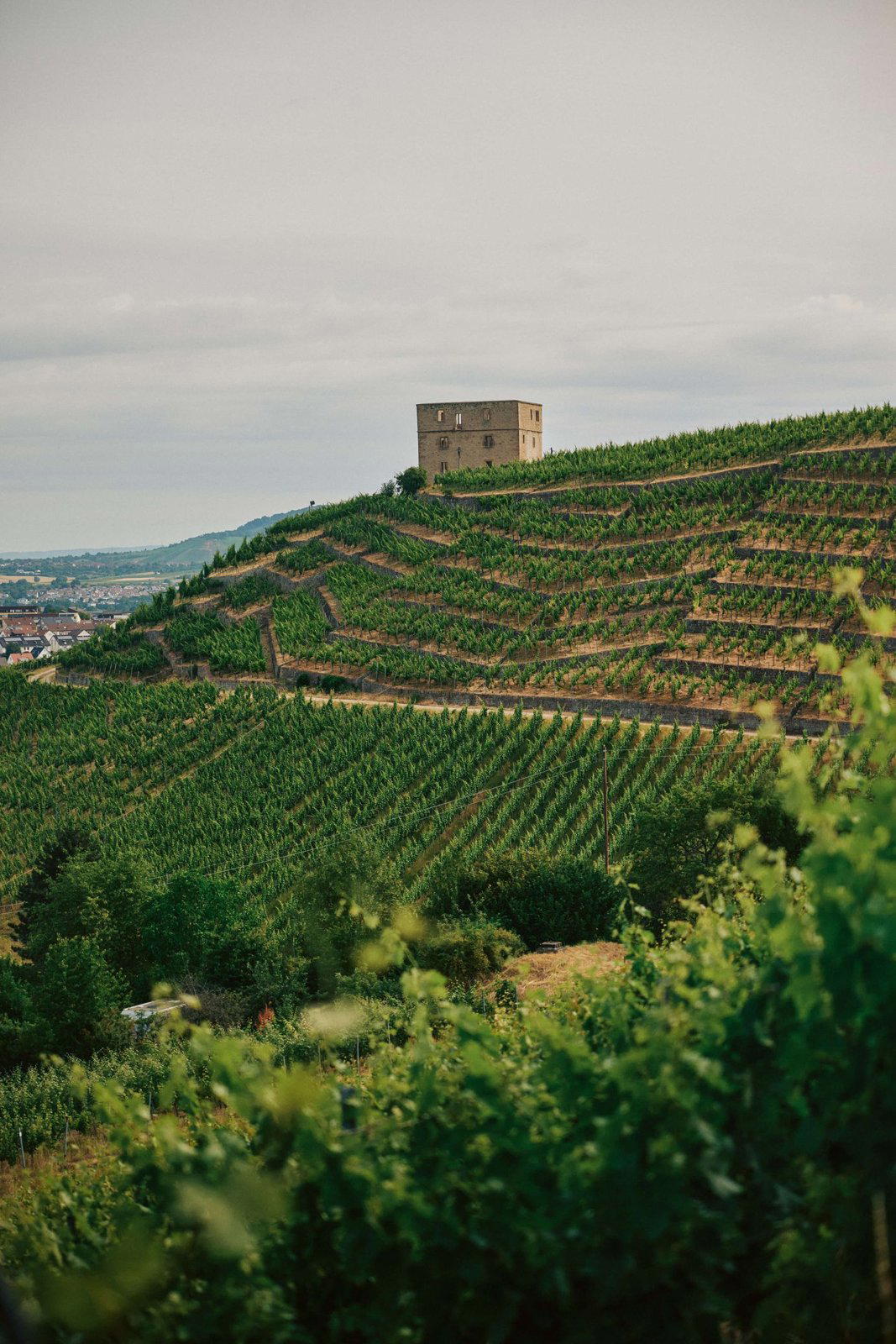
Bars in Weinstadt
Browse all →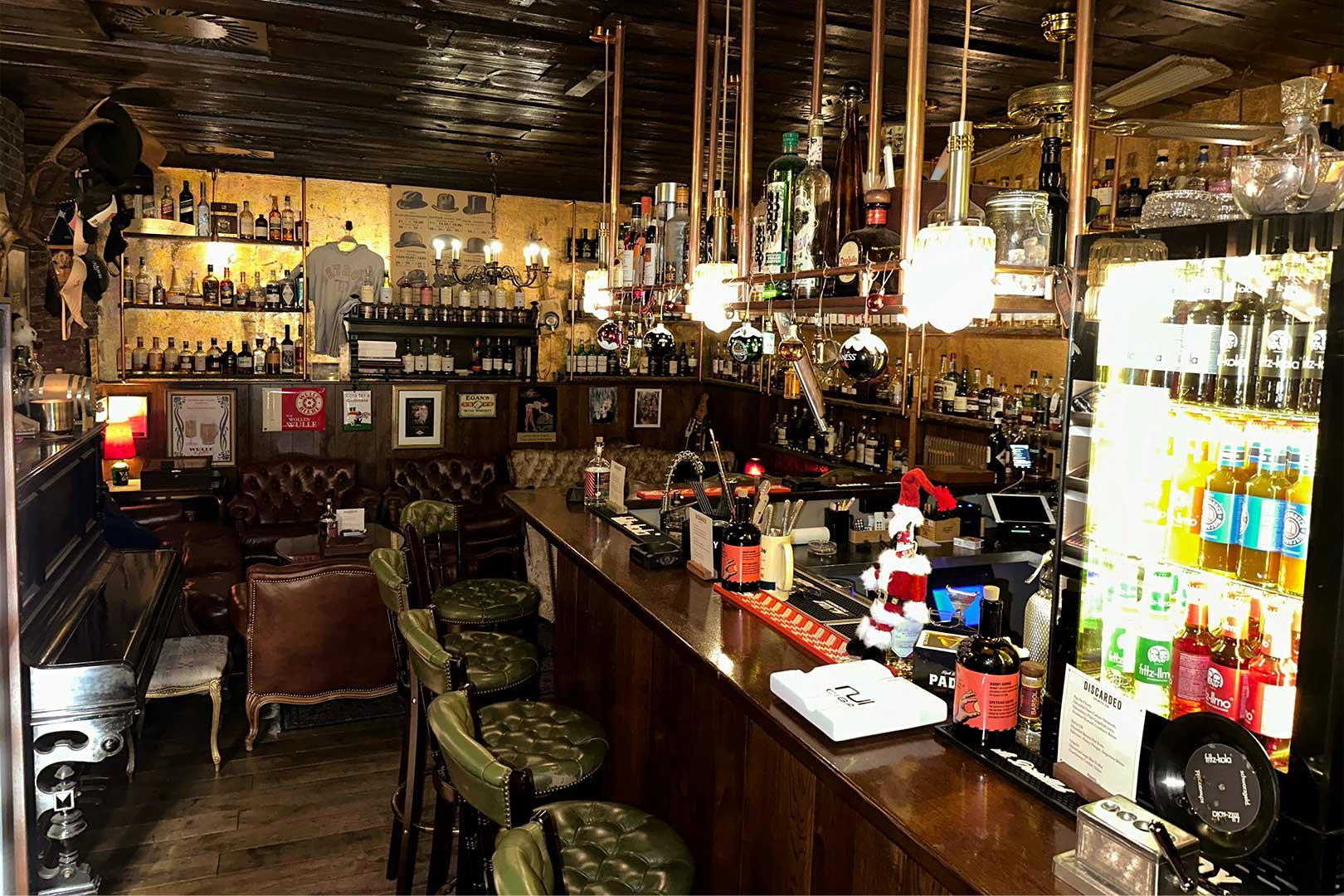
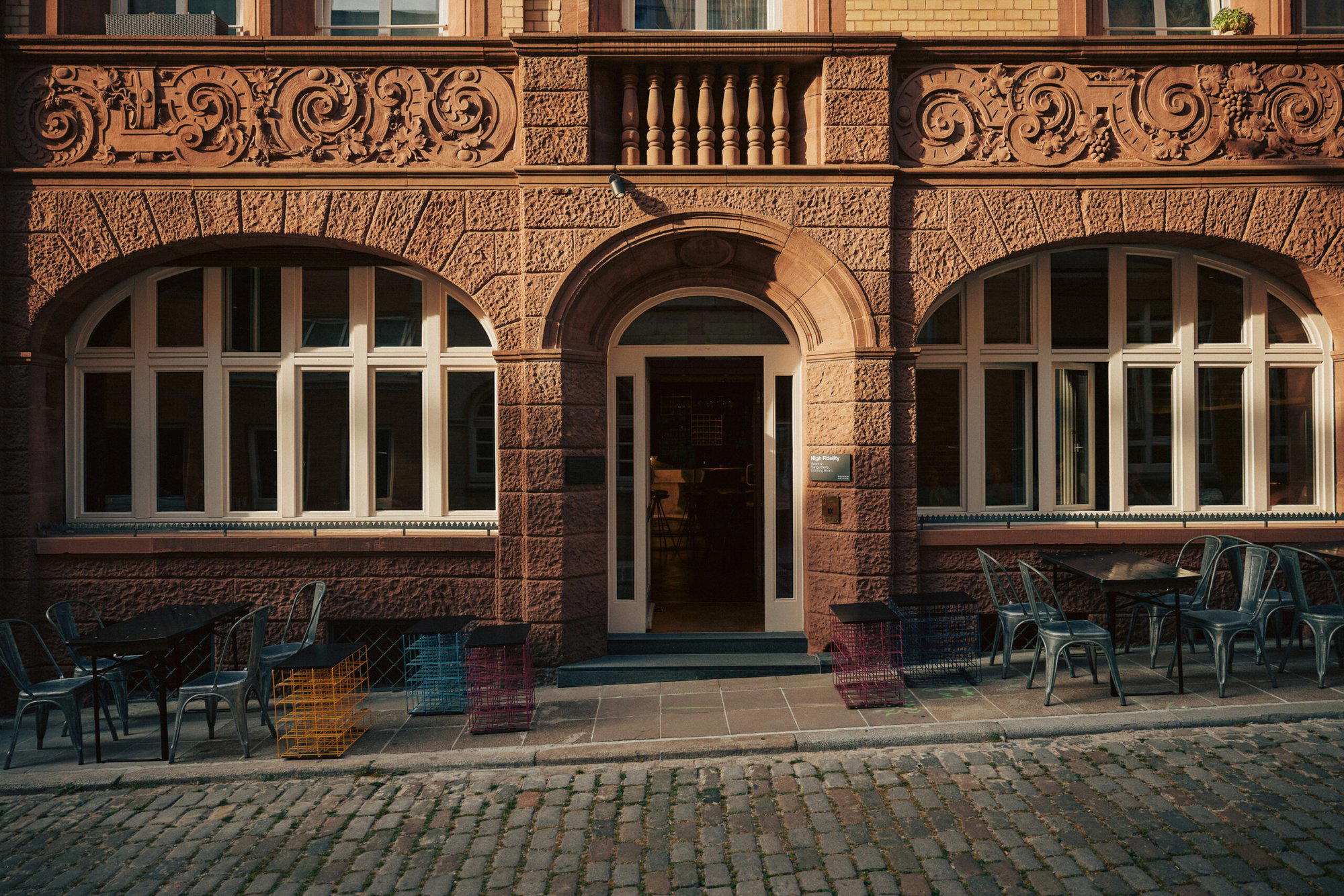
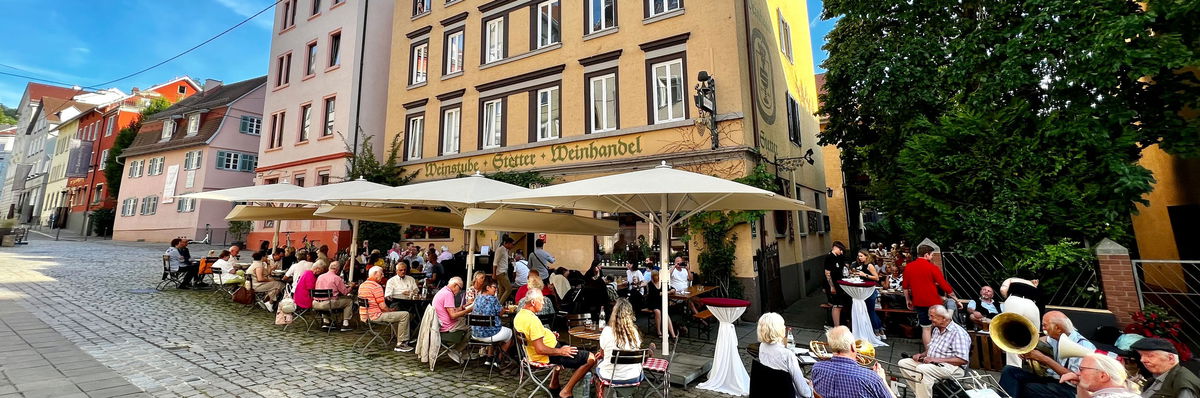
Restaurants in Weinstadt
All restaurants in Weinstadt →
Details
- Classic
- Rustic
- Cozy
- Solo Exploration
- Wine Education
- Special Occasion
- Private Tasting
- Historic Building
- Sustainable
- Street Scene
- Still Red
- Still White
- Sparkling
- Guided Tasting
- Winery Tasting
Traditional, family-run wine estate atmosphere with a strong focus on direct sales, personal tasting, and a market-stall presence; the tone suggests a practical, authentic, locally rooted setting.