Radford Dale

Falstaff Winery - Listed
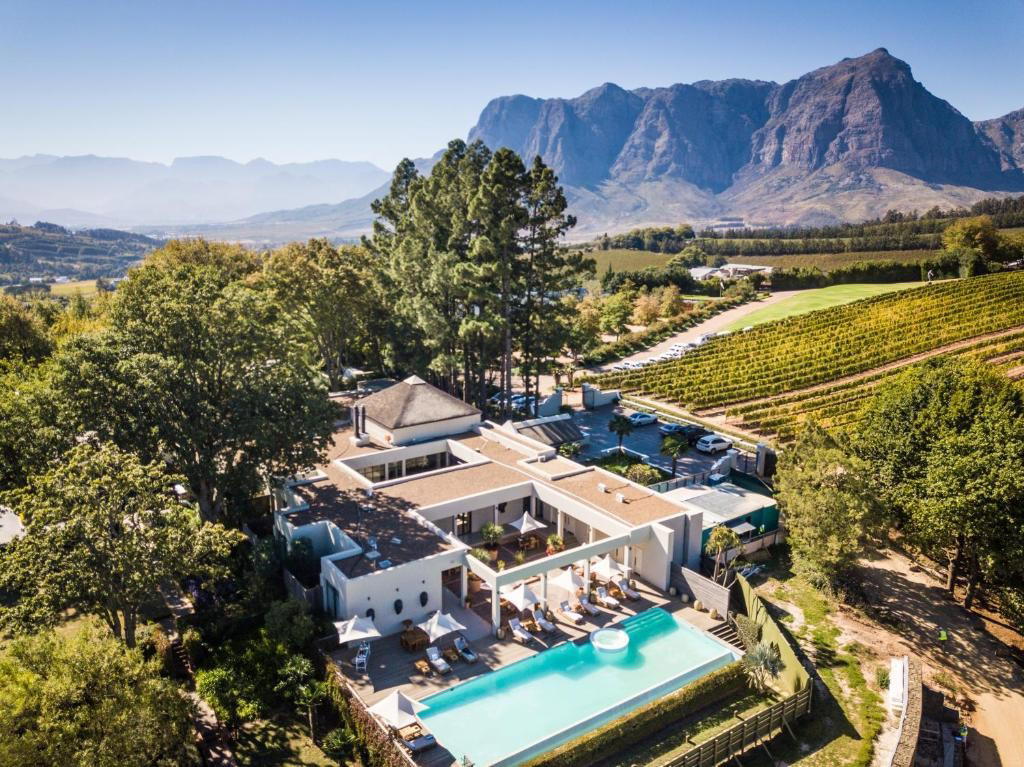
Radford Dale suits drinkers who read Stellenbosch through soil, farming and cellar decisions rather than estate grandeur. The draw is a multi-site Cape portfolio: Chenin Blanc, Chardonnay, Pinot Noir, Gamay Noir, Pinotage and Syrah shaped by organic and regenerative thinking, with a Helderberg cellar, an Elgin organic estate and a tasting format geared to quiet, focused wine education.

Radford Dale is a Stellenbosch venue best understood through the essentials rather than through an overbuilt estate narrative. The confirmed picture is concise: it sits in Stellenbosch, is associated with a refined yet relaxed Cape wine estate atmosphere, and is rooted in minimal-intervention, terroir-driven winemaking. The available description also connects the venue with organic, regenerative farming and a strong focus on individuality and sustainability across its Stellenbosch cellar and organic farming identity.
That is enough to place Radford Dale in a particular kind of Cape wine context without adding unsupported detail. The tone is not described as formal or theatrical; it is better framed as polished but easygoing. For EP Club readers, the useful takeaway is that Radford Dale should be approached as a Stellenbosch wine-estate stop where the guiding language is sustainability, individuality and terroir, rather than as a page with claims about specific menus, tasting formats, vineyard sites, awards, grape varieties or hospitality services.
Minimal-intervention wine language in Stellenbosch
The core identity of Radford Dale is wine-led. The available facts describe minimal-intervention, terroir-driven winemaking, which points to a venue where the emphasis is on expression of place and restrained cellar work rather than generic luxury. What can be said safely is that the public-facing character is grounded in a Cape wine estate atmosphere and in a philosophy that values site, individuality and sustainability.
That distinction matters. Many wine venues are marketed through long lists of bottles, cellar techniques, scores or awards. For Radford Dale, the record here is narrower. It supports a general description of a Stellenbosch producer or venue shaped by terroir-driven winemaking and organic, regenerative farming language, but it does not support claims about particular cuvées, grape varieties, tasting-room design, cellar equipment, food pairings, critic ratings or award history. A careful guide should therefore keep the emphasis on the confirmed philosophy rather than inventing a detailed portfolio.
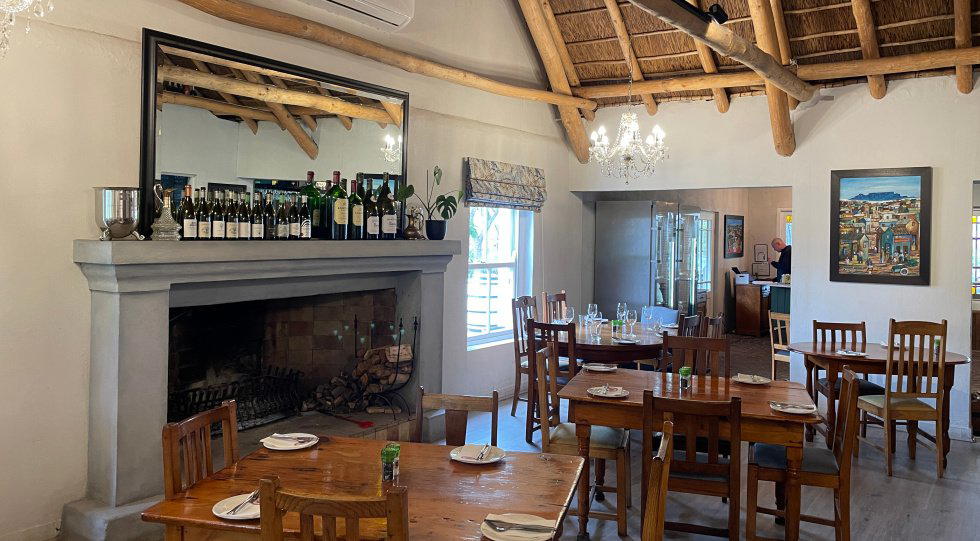
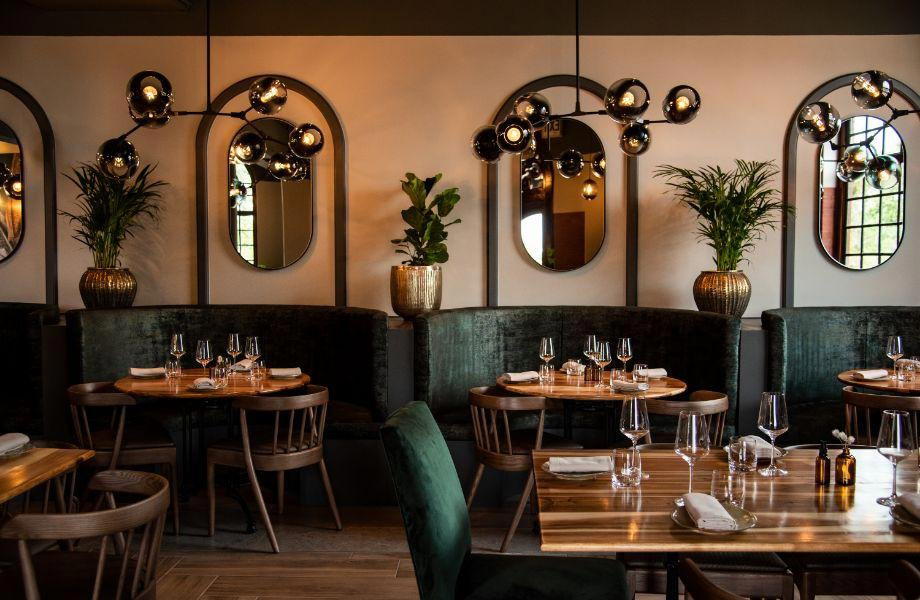
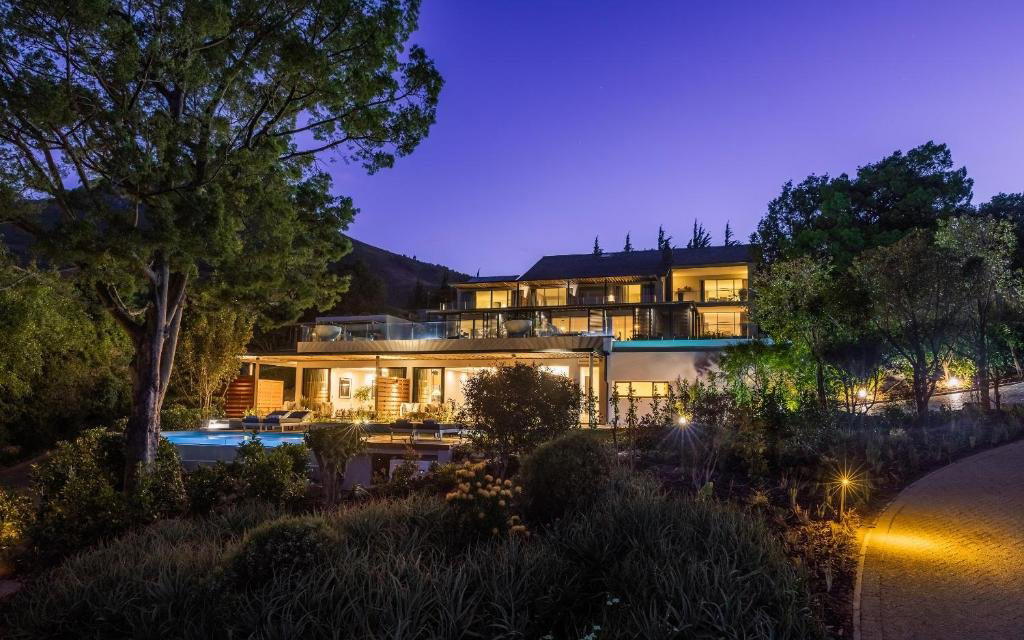
The dress and atmosphere note is also unusually descriptive. “Refined yet relaxed” suggests a Cape wine estate setting where visitors should not need to dress as if for a formal restaurant, while still respecting the considered tone of a premium wine environment. In practical terms, that means Radford Dale reads as composed and intentional rather than casual in the sense of improvised or rustic. The language supports a sense of quiet polish, not a claim about service style, opening hours, seating, appointment rules or a specific visitor route through the property.
Organic, regenerative farming as the clearest hook
The strongest confirmed theme is sustainability. The description ties Radford Dale to organic, regenerative farming, and to a broader commitment to individuality and sustainability across its Stellenbosch cellar and organic identity. That is the most reliable way to understand the venue’s positioning. It is not necessary to add claims about certifications, vineyard locations, farming dates or named agricultural programs in order to make the point. The grounded statement is that organic and regenerative farming are part of the venue’s character.
This also helps set expectations. A visitor interested in Cape wine as agriculture, not just as hospitality, has a clear reason to pay attention. The page can honestly say that Radford Dale’s identity is connected to farming practice, cellar philosophy and sustainability. It cannot, on the information supplied here, promise a vineyard tour, a specific tasting route, a food menu, a bottle list, private experiences, child-friendly facilities, parking, outdoor seating or any particular booking process.
Price is the other concrete planning detail. Radford Dale is listed at $8 per person. EP Club should therefore present the number plainly and avoid expanding it into a menu, package or reservation claim. As a planning signal, $8 per person places the venue at a modest listed entry cost, but the scope of that cost should be checked directly before visiting.
How to place it within a Stellenbosch itinerary
Within Stellenbosch, Radford Dale is best positioned as a focused wine stop for travellers drawn to minimal-intervention, terroir-driven winemaking and sustainability-minded Cape wine culture. The information supports that broad role. It does not support a more specific itinerary claim such as lunch service, appointment-only tastings, private cellar tours, a named mountain setting, a particular district, a list of varieties or a comparison with named neighbouring estates.
For a Stellenbosch day, the safest way to use Radford Dale is as one wine-focused anchor among other dining and hospitality options in the city. Keep the plan flexible, confirm current visitor details directly, and treat the $8 per person listing as the only price point. The atmosphere is refined yet relaxed, so smart-casual wine-country dress would fit the confirmed tone without overstating a formal dress code.
Readers comparing Stellenbosch wine venues should keep the comparison broad unless current, venue-specific details are confirmed elsewhere. Radford Dale’s distinction is not an award, a score, a chef, a famous address or a detailed tasting program. It is the combination of Stellenbosch, minimal-intervention and terroir-driven winemaking, organic and regenerative farming language, sustainability, individuality and a listed price of $8 per person.
Frequently asked questions
What's the vibe at Radford Dale?
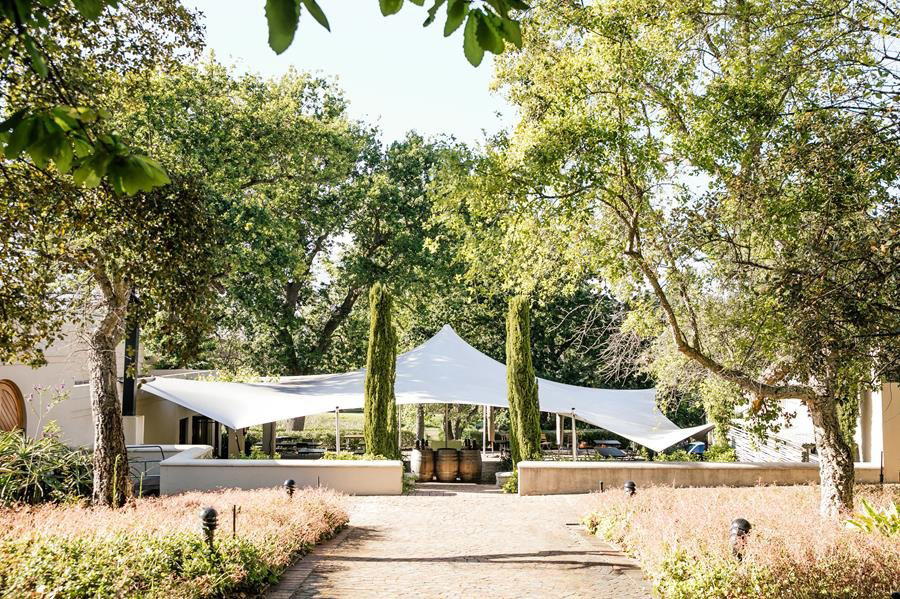
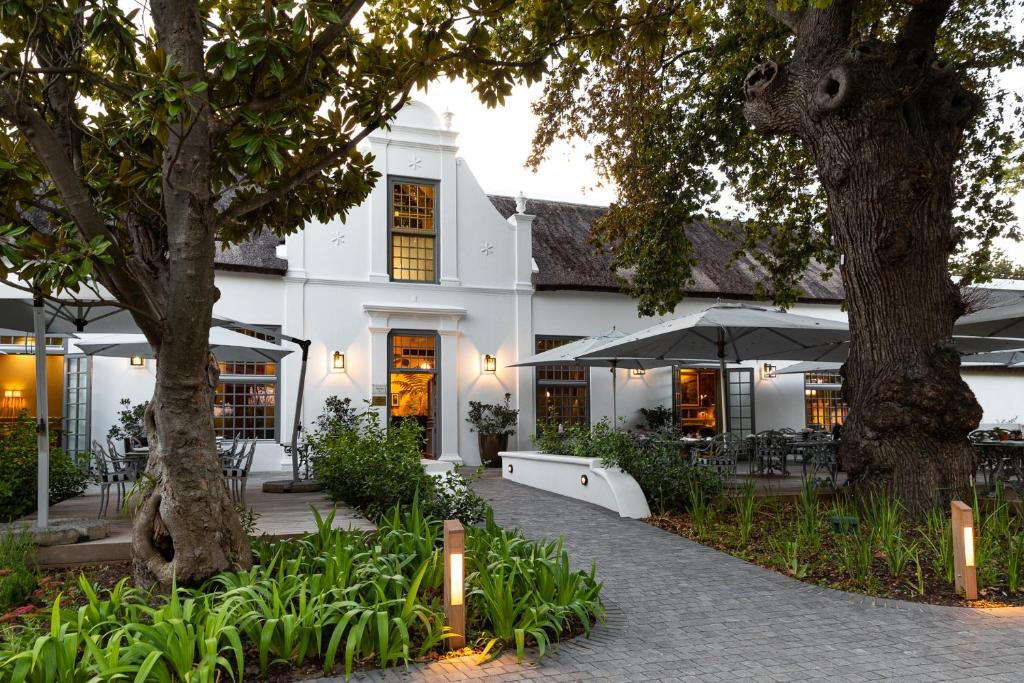
The atmosphere is refined yet relaxed, with a Cape wine estate character rooted in minimal-intervention, terroir-driven winemaking, organic and regenerative farming, individuality and sustainability.
What's Radford Dale's location?
Radford Dale is located in Stellenbosch.
Is Radford Dale expensive?
Pricing at Radford Dale is listed as $8 per person.
What's the main draw of Radford Dale?
The main draw is its Stellenbosch wine-estate identity: minimal-intervention, terroir-driven winemaking with an emphasis on organic and regenerative farming, individuality and sustainability.
What's the best way to book Radford Dale?
Check directly with Radford Dale before planning a visit.
What's Radford Dale a good pick for?
Radford Dale is a good fit for visitors interested in a refined yet relaxed Stellenbosch wine setting shaped by terroir-driven winemaking, organic and regenerative farming, and sustainability-focused values.
Recognition history
Dated appearances from independent guides and award organizations, with the underlying list record or original source where available.
Falstaff Winery - Listed
Falstaff
Request a visit to Radford Dale
Tell us when you would like to go and how many people, and we put the request to the estate and reply to you by email.
Continue exploring
More in Stellenbosch
Wineries in Stellenbosch
All wineries in Stellenbosch →
Bars in Stellenbosch
All bars in Stellenbosch →
Details
- Scenic
- Rustic
- Elegant
- Sophisticated
- Wine Education
- Group Outing
- Romantic Getaway
- Solo Exploration
- Estate Grounds
- Vineyard Tour
- Private Tasting
- Organic
- Sustainable
- Vineyard
- Mountain
- Chenin Blanc
- Chardonnay
- Pinot Noir
- Gamay Noir
- Pinotage
- Syrah
- Still Red
- Still White
- Still Rosé
- Sparkling
- Bar Tasting
- Seated Tasting
- Private Tasting
- English
Refined yet relaxed Cape wine estate atmosphere, rooted in minimal-intervention, terroir-driven winemaking and organic, regenerative farming, with a strong focus on individuality and sustainability across its Stellenbosch cellar and organic Elgin estate.