
Falstaff Winery - Listed
Årø Vingård gives Danish wine a clear island frame: cool maritime weather, estate vines, apple trees, and a relaxed tasting format in Haderslev. The draw is not cellar-door grandeur but a grounded look at how Solaris, Pinot Noir, cider, and organic farming have become part of South Jutland’s growing wine identity.

Pearl is the En Primeur Club membership app — saves, bookings, and concierge access live there. Same editors, same standards.
- Address
- Haderslev, Syddanmark, Denmark
- Directions
- Get directions
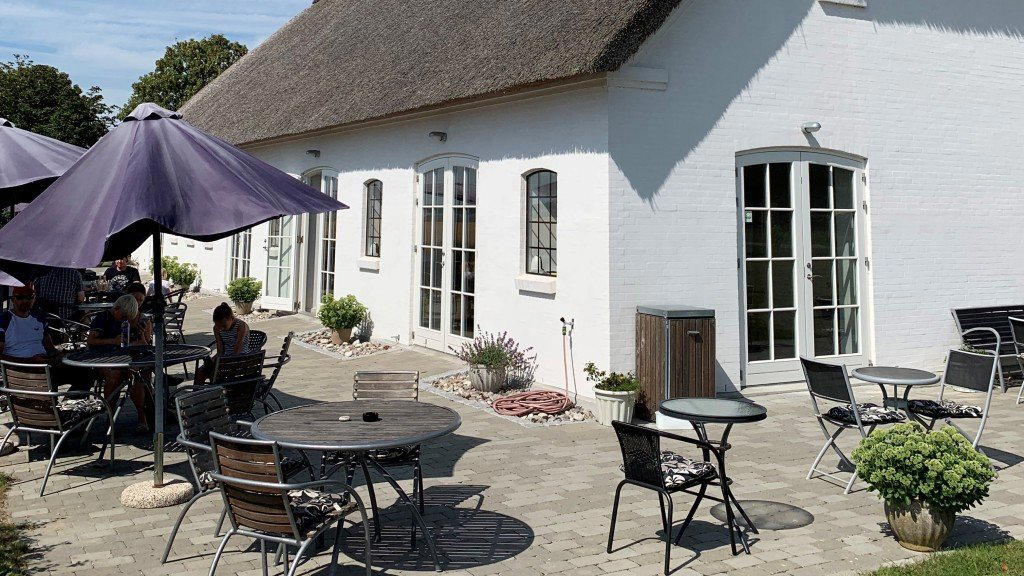
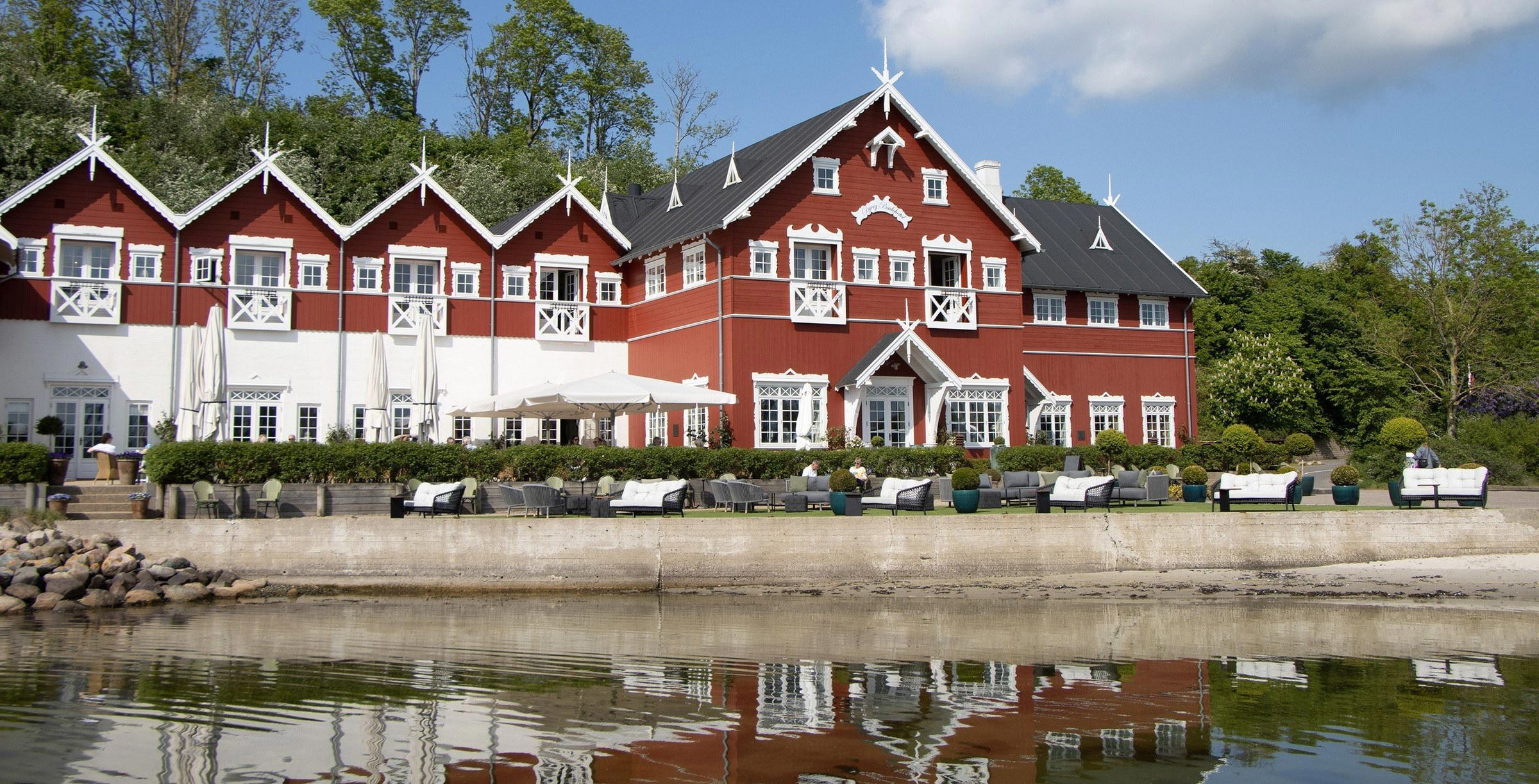
Approaching the estate grounds, the point is immediately agricultural rather than theatrical: vines, garden space, sheltered seating, café areas, and the quiet scale of an island winery. Årø Vingård belongs to the Danish wine movement that has grown by accepting cool-climate limits instead of pretending they do not exist. In Haderslev, the experience is shaped by maritime air, short growing seasons, and a visitor format built around tasting, touring, and time outdoors.
Cool-climate Danish wine with vines, apples, and island weather in the frame
Danish viticulture asks different questions from classic European wine regions. Ripeness is harder won, disease pressure matters, and grape choice is not decorative; it is structural. Here, Solaris and Pinot Noir make sense because they speak to the conditions. Solaris gives Danish producers an early-ripening white variety suited to northern vineyards, while Pinot Noir can move across still and sparkling formats when handled for freshness rather than power.
Årø Vingård works at a moderate family-owned scale, with about 5,600 vines and 1,200 apple trees. That dual crop matters. Denmark’s wine culture has often developed alongside orchards, cider, fruit wine, and small mixed agricultural holdings, so the presence of apple wine and cider is not a side note. It places the estate inside a broader Nordic drinks conversation where grape wine and fruit fermentation often share the same table.
The winery opened in 2004, early enough to belong to the generation that helped make Danish wine less of a curiosity and more of a serious regional proposition. Its 2015 recognition for “Denmark’s Best Red Wine” is the useful trust signal here, not because Danish red wine should be judged by southern European standards, but because red production in this climate demands precision. The award marks the estate as part of the group proving that cool maritime sites can produce wines with national relevance.
The tasting format is casual, but the agricultural story is specific
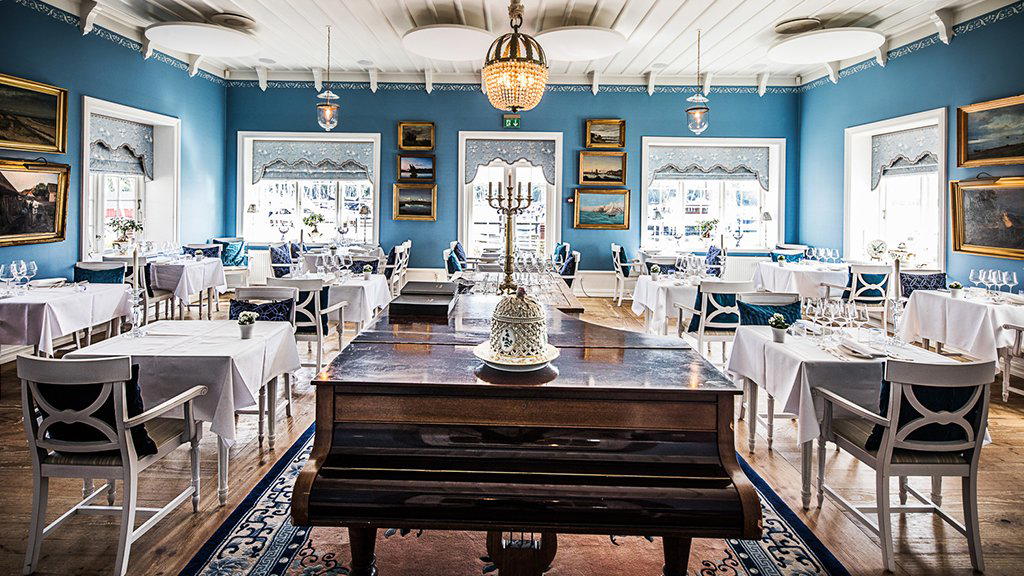
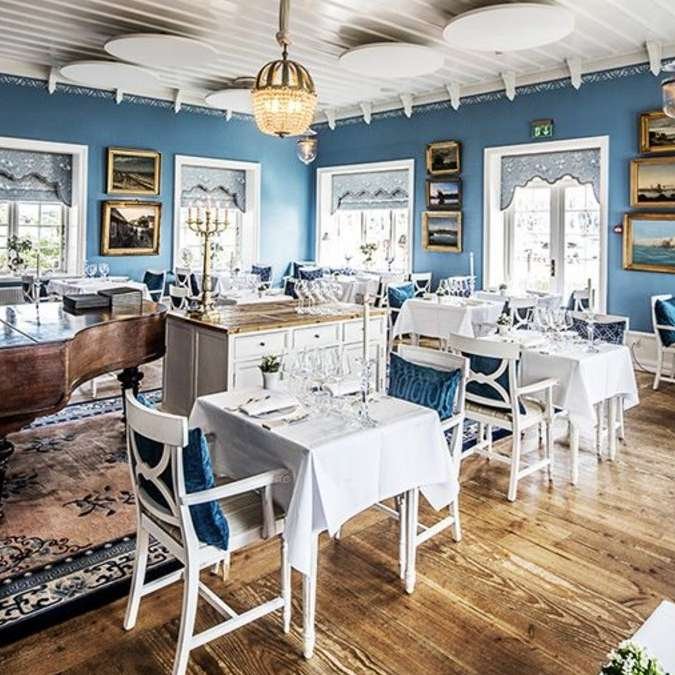
The hospitality model is intentionally low-key: guided tastings, vineyard tours with tasting, open group formats, food-and-wine pairings, café service, a shop, and outdoor seating across the estate grounds. The room is not trying to imitate a grand château. Clean modern indoor spaces, sheltered seating, garden views, and conversational service suit the material better. Danish wine is still in its explanatory phase for many visitors, and staff knowledge matters because the varieties, climate, and production choices require context.
Guided tour runs around 90 minutes and can be hosted in Danish or English. That length is enough to connect the vineyard rows, winery work, and tasting glass without turning the visit into a technical seminar. For travelers using Haderslev as a base, the winery also works as a broader island outing rather than a quick cellar stop. The estate setting includes grounds suited to lingering, and the wine-covered tent and café give the visit some weather resilience, useful in a region where outdoor plans should allow for change.
Production breadth also helps the tasting experience. Still red, white, rosé, sparkling, and dessert-style wines sit alongside cider and apple wine, so the visit reads as a survey of what northern small-scale fermentation can do. The 2022 vintage’s organic certification places the estate within Jutland’s strong organic farming tendency, where sustainability is less a branding add-on than a practical response to land, weather, and scale.
How to place it within a Haderslev trip
Haderslev does not have the density of a major wine capital, which is precisely why a visit here feels useful: the winery gives the region a concrete drinks narrative. For a broader food plan, start with Our full Haderslev restaurants guide, then use Our full Haderslev wineries guide to place Årø within the area’s cellar-door options. Travelers building a full itinerary can also cross-reference Our full Haderslev hotels guide, Our full Haderslev bars guide, and Our full Haderslev experiences guide.
For readers tracking Danish and northern European drinks culture beyond Haderslev, the useful pattern is diversity rather than imitation. Compare categories across Aalborg Akvavit in Aalborg, Ærø Vin in S By, Andersen Winery in Knebel, Annisse Vingård in Helsinge, BAS Winery in Stege, Bjørnø Vingård in Bj Rn, Brædder Vine in Toreby, and By Stokkebye in Nyborg. Further afield, »der Steiner« Hans Steiner in Podersdorf am See and & Handwein in Mannheim show how small producers and specialist drinks addresses can anchor regional travel in different climates.
The editorial value of Årø Vingård is its clarity. It does not ask visitors to suspend disbelief about Danish wine; it shows the terms on which Danish wine can work. Island air, Solaris, Pinot Noir, apples, organic practice, and a relaxed tasting format all point in the same direction: a northern vineyard experience where place is not scenery alone, but the operating condition behind the glass.
Recognition history
Dated appearances from independent guides and award organizations, with the underlying list record or original source where available.
Falstaff Winery - Listed
Falstaff
Continue exploring
More in Haderslev
Wineries in Haderslev
Browse all →
Bars in Haderslev
Browse all →
Restaurants in Haderslev
Browse all →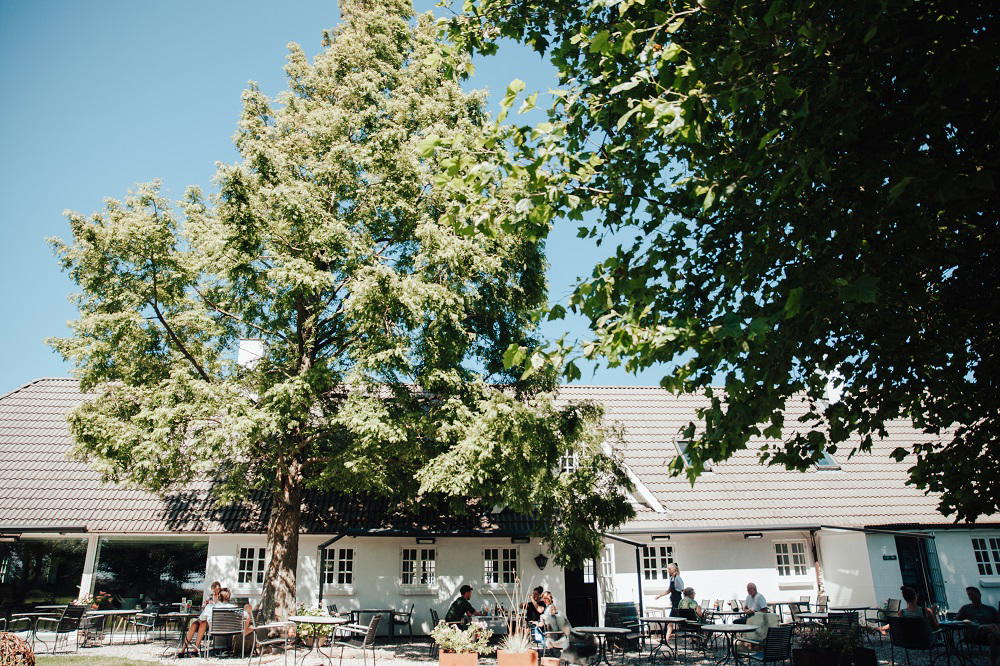
Details
- Scenic
- Rustic
- Cozy
- Quiet
- Intimate
- Group Outing
- Romantic Getaway
- Wine Education
- Celebration
- Solo Exploration
- Family
- Vineyard Tour
- Estate Grounds
- Picnic Area
- Garden
- Waterfront
- Vineyard
- Garden
- Waterfront
- Still Red
- Still White
- Still Rosé
- Sparkling
- Dessert
- Guided Tasting
- Vineyard Tour With Tasting
- Open Group Tasting
- Food And Wine Pairing
- Danish
- English
Relaxed and low-key island winery with clean, modern indoor spaces and sheltered seating where guests can taste local wines while overlooking the vines, supported by friendly and knowledgeable staff and a casual café atmosphere.