
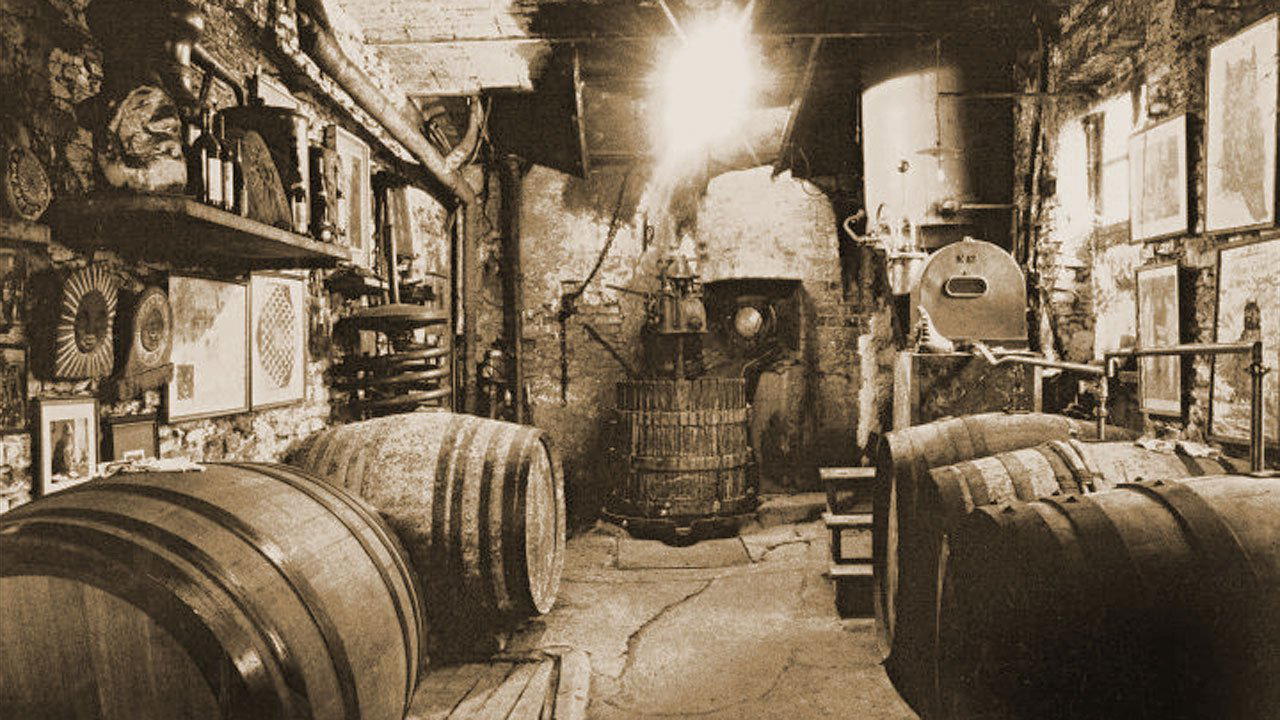
Poderi Elia is a small fourth-generation Barbaresco estate in Neive, rooted in family farming since 1890 and focused on Nebbiolo, Barbera, Dolcetto, Arneis and Moscato. Its strongest case is terroir: hand-tended vineyards, dry-farmed parcels, unfiltered wines and a cellar culture that favors structure over spectacle.

Pearl is the En Primeur Club membership app — saves, bookings, and concierge access live there. Same editors, same standards.

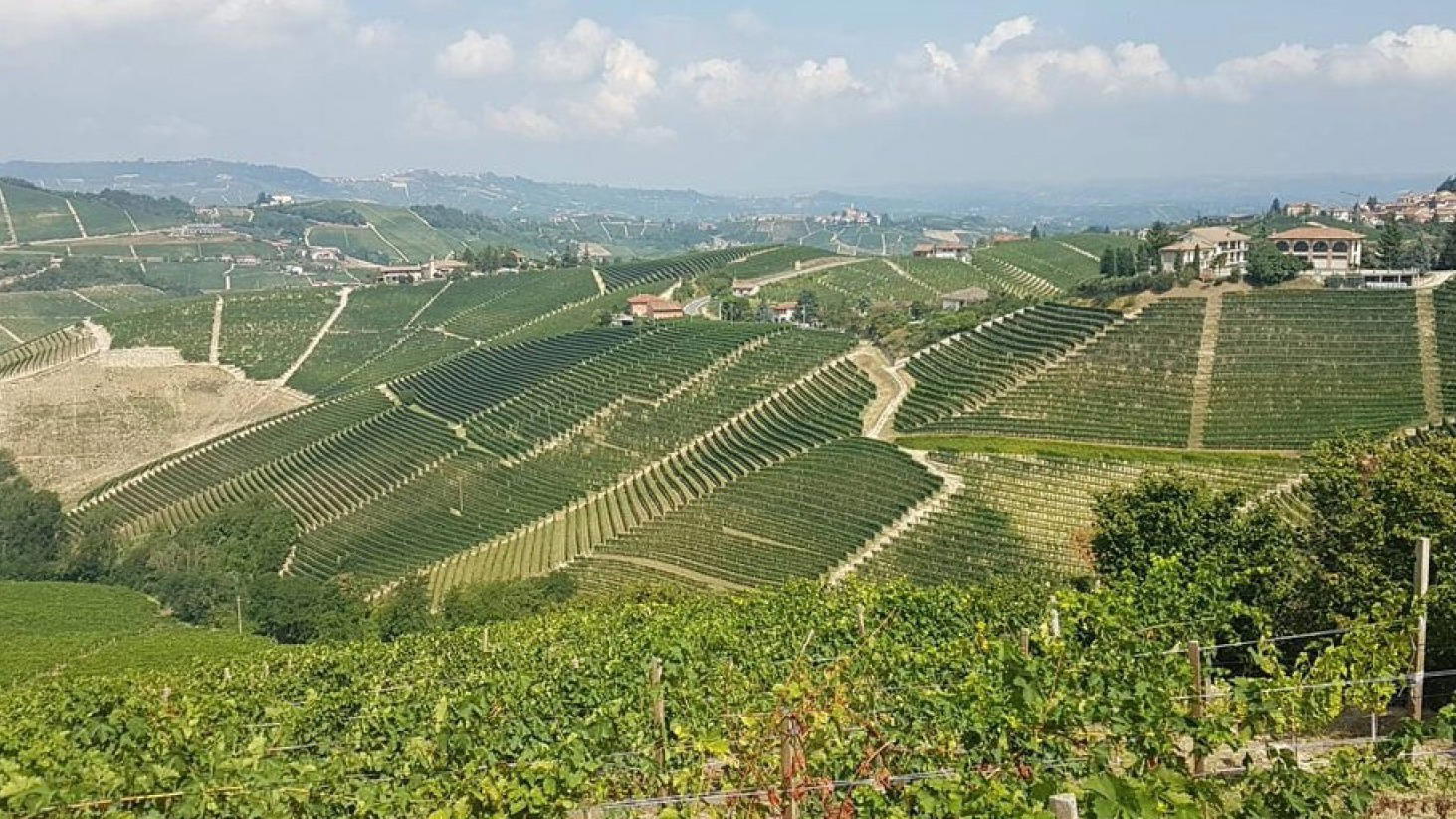
Approaching wine in Neive means reading the hills before reading a label. The Barbaresco zone is compact, but its villages do not speak in one accent: altitude, exposure, calcareous clay, sand and old marine soils all press their signatures into Nebbiolo. Poderi Elia belongs to the quieter side of that conversation, a family-run estate where the draw is not architectural drama or hospitality choreography, but the old Langhe equation of slope, vine age, hand work and patient cellar decisions.
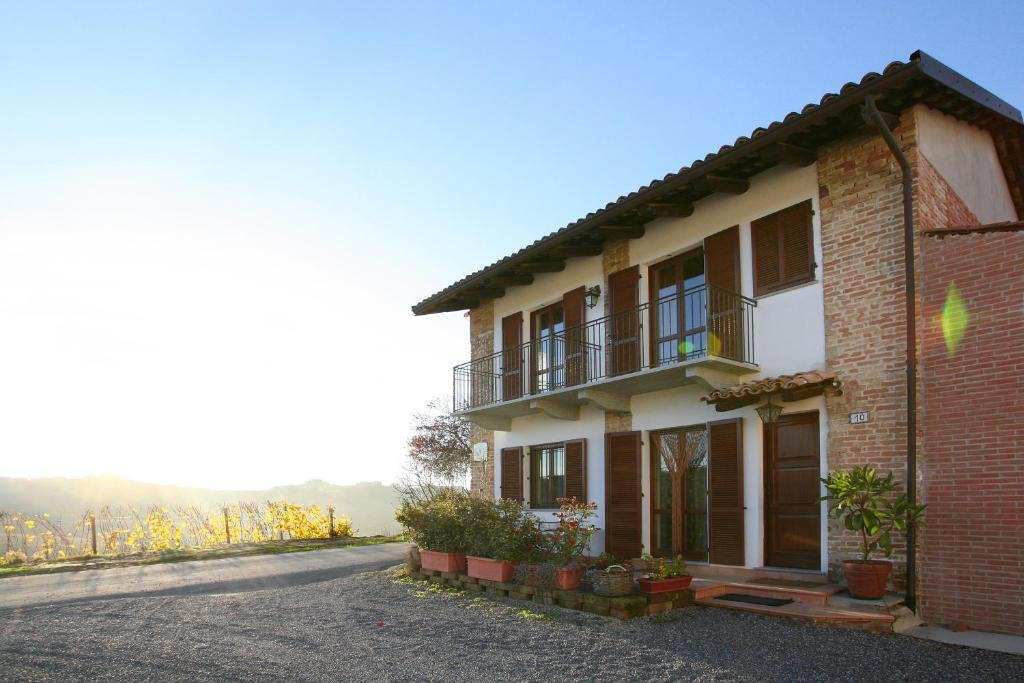
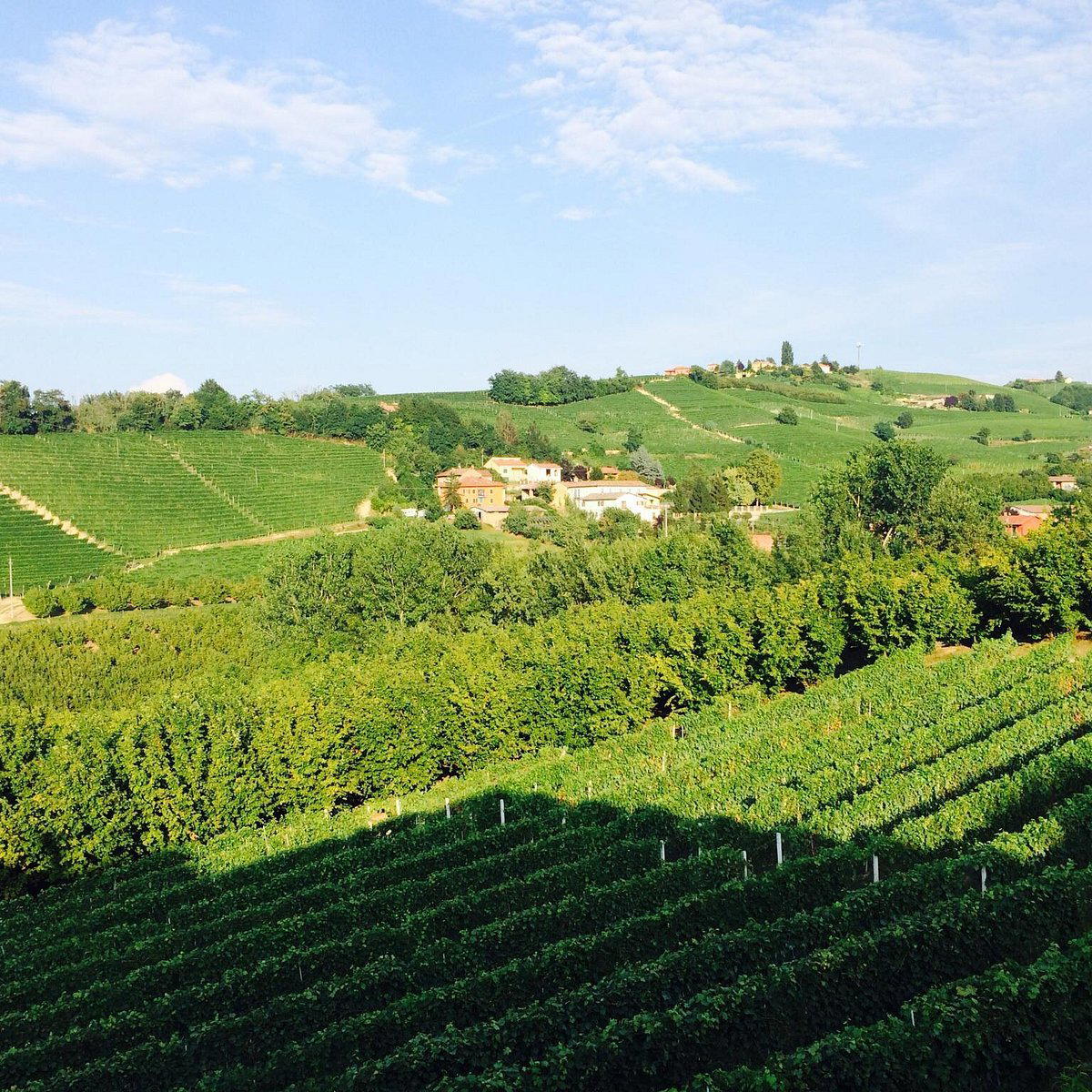
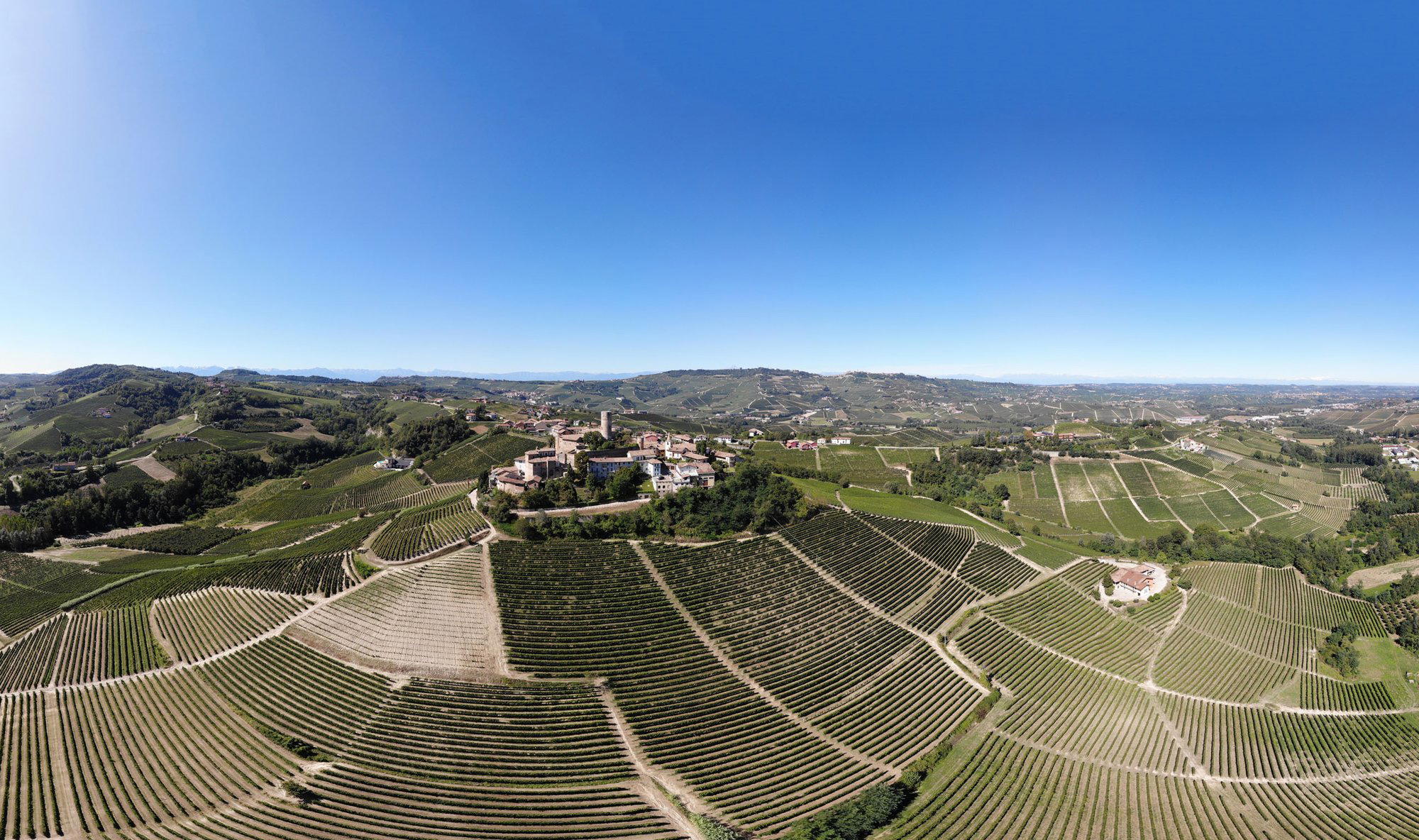
The estate’s setting fits that brief. This is vineyard-country hospitality, not a showroom tasting room detached from production. The atmosphere is described as traditional, rustic and intimate, with estate grounds and hillside views over Barbaresco country. That matters in Piedmont because context is part of the tasting: Nebbiolo makes more sense when the visitor can connect tannin, acidity and perfume to the cold light, steep rows and soil underfoot. For a broader sense of the village’s wine circuit, see Our full Neive wineries guide, with nearby estate pages including Antichi Poderi dei Gallina, Azienda Agricola F.lli Cigliuti, Azienda Agricola Falletto di Bruno Giacosa, Azienda Agricola Prinsi and Azienda Agricola Ressia.
Neive terroir, read through small-scale Barbaresco
Poderi Elia’s strongest editorial argument is scale. The estate works about 9 hectares and produces roughly 60,000 bottles a year from estate fruit. In a region where Barbaresco’s global reputation can encourage polish and export-friendly styling, that size keeps the conversation close to farming. The vines are hand-tended, with sustainable and dry-farmed practices attached to key Nebbiolo parcels, and the cellar avoids filtration and clarification. Those are not decorative details; they explain why the wines are positioned around texture, structure and site expression rather than easy gloss.
The Serracapelli Barbaresco DOCG gives the clearest technical picture. It is a single-cru, 100% Nebbiolo bottling from a 1-hectare vineyard at 450 meters on white tufo clay and sand, with annual production of 3,600 bottles. That combination of small parcel, altitude and soil is central to how serious Barbaresco is understood: tannin is not an accessory, acidity is not an afterthought, and fruit is expected to carry a mineral edge rather than soft sweetness. The Padrun Langhe Nebbiolo follows a related logic, also 100% Nebbiolo from a 1-hectare parcel at 450 meters, with 6,000 bottles produced annually and maturation in French barrels for 10 to 12 months followed by 6 months in bottle.
The portfolio stays within a classic Piedmont register: Nebbiolo, Barbera, Dolcetto, Arneis and Moscato, with sparkling and sweet styles also part of the estate’s wider wine focus. Barbera d’Alba Superiore is linked to 45-year-old vines, while Dolcetto d’Alba is associated with mature vine material. Federico Stella, the winemaker and enologist, adds a technical layer to what might otherwise be read as pure family continuity; his formal wine education and careful work with oak place the estate in the modern Piedmont middle ground, where traditional structure is preserved without rejecting precision.
A tasting format built for wine education, not theatre
Experience is best understood as a direct estate visit. Tasting types include estate tasting, tour and tasting, and private appointment, with visits available by reservation and a typical duration of 60 to 90 minutes. Italian and English are listed for tours. The format suits visitors who want to connect Barbaresco’s appellation language to actual farming decisions: dry-farming, hand harvest, low yields, barrel choices and the difference between a cru Barbaresco and a Langhe Nebbiolo made from the same regional grape vocabulary.
Hospitality details point to a relaxed but serious visit. The estate is quiet, casual in dress code, wheelchair accessible, dog friendly and suitable for children, with outdoor seating and vineyard or mountain views among the listed setting attributes. Food pairing is not part of the offer, which is a useful filter: this is a cellar-led appointment rather than a lunch-driven wine stop. For travelers building a full Neive itinerary around wine, meals and lodging, the practical companion pages are Our full Neive restaurants guide, Our full Neive hotels guide, Our full Neive bars guide and Our full Neive experiences guide.
The estate’s appeal is strongest for drinkers who already care about Piedmontese structure or want to learn why Nebbiolo changes so dramatically across neighboring hillsides. It is less suited to visitors seeking heavily staged luxury or a design-led tasting room. Poderi Elia’s competitive position comes from continuity since 1890, fourth-generation family ownership, estate vineyards, small production and a restrained cellar approach. Those signals place it in the artisanal Barbaresco conversation, where the land remains the central subject and the producer’s job is to make it legible.
How to place it in a wider wine itinerary
Neive rewards slow planning. A visit here can anchor a Barbaresco-focused day, but it also works as part of a broader Italian wine route that contrasts Langhe Nebbiolo with other regional models: Veneto producers such as 3GP SRL in Treviso and 47 Anno Domini in Trebaseleghe, southern Italian work such as A Mano Wine in Noci, or cross-border references including »der Steiner« Hans Steiner in Podersdorf am See and & Handwein in Mannheim. The point is contrast: Barbaresco’s strength lies in tension, not volume or ornament. The winery makes that argument with enough specificity to reward a focused appointment.
Recognition history
Dated appearances from independent guides and award organizations, with the underlying list record or original source where available.
Falstaff Winery - Listed
Falstaff
At a Glance
- Classic
- Rustic
- Scenic
- Intimate
- Romantic
- Romantic Getaway
- Group Outing
- Wine Education
- Solo Exploration
- Special Occasion
- Family
- Vineyard Tour
- Estate Grounds
- Historic Building
- Private Tasting
- Panoramic View
- Sustainable
- Dry Farmed
- Vineyard
- Mountain
- Barbaresco DOCG
- Nebbiolo
- Barbera
- Dolcetto
- Arneis
- Moscato
- Still Red
- Still White
- Sparkling
- Dessert
- Orange
- Estate Tasting
- Tour And Tasting
- Private Appointment
Traditional, family-run Piedmont estate with a serious, quality-focused cellar culture and a classic Langhe hillside atmosphere; tastings are intimate and authentic, emphasizing terroir-driven Barbaresco and local varieties rather than design theatrics.