Pilavas Distillery operates along the old Corinth-Patras national road in Akteo, producing spirits within a regional tradition that stretches back through the Peloponnese's long history of grape-based distillation..
Pearl is the En Primeur Club membership app — saves, bookings, and concierge access live there. Same editors, same standards.
- Address
- Palea EO Korinthou Patron 31, Akteo 265 05
- Phone
- +30 261 099 4425
- Website
- pilavas.com
 Saves & bookings on Pearl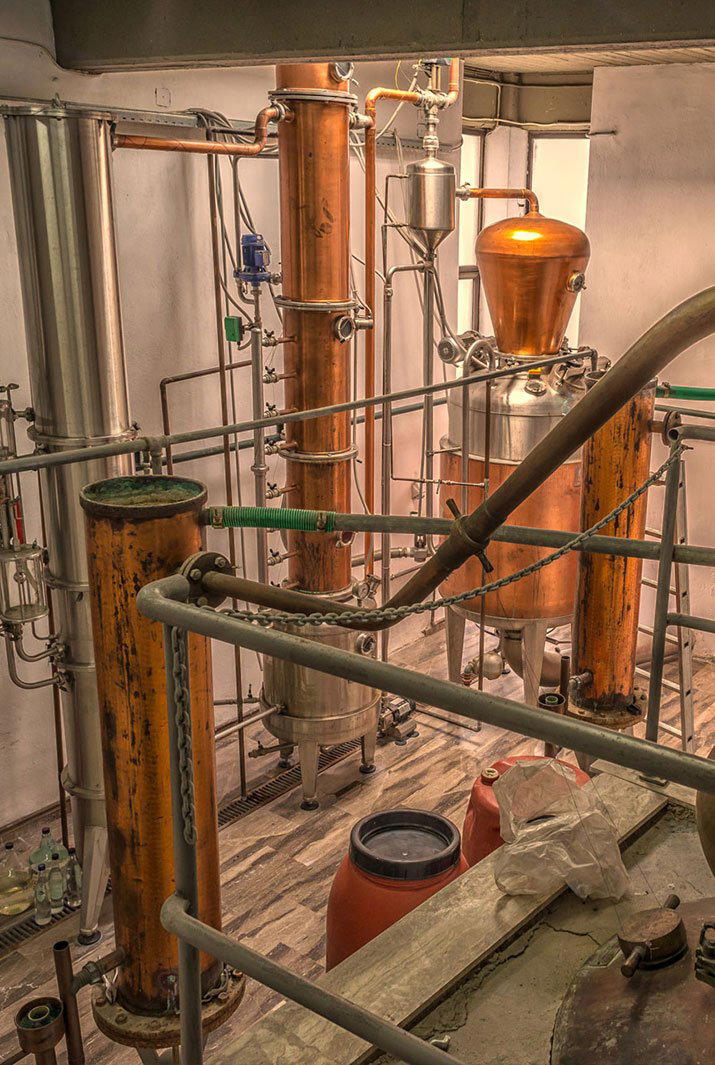
The Road That Built a Tradition
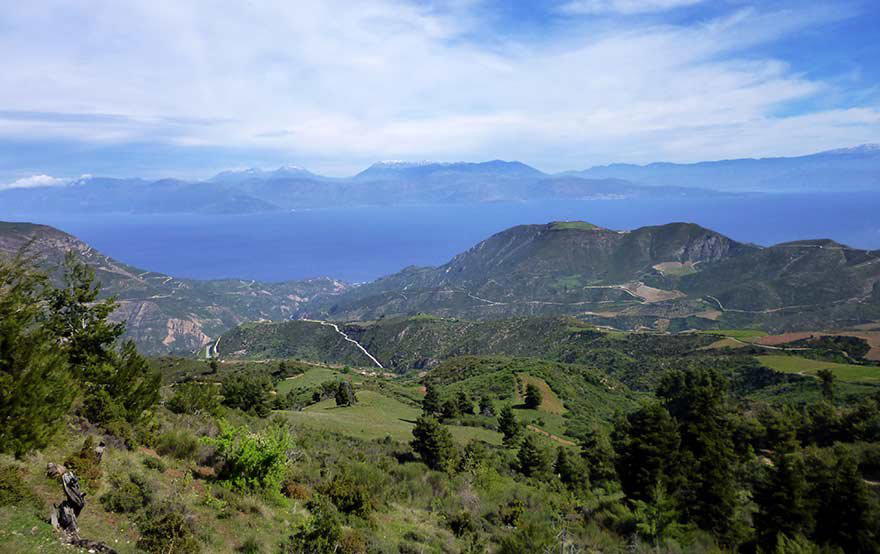
The stretch of old coastal highway between Corinth and Patras is not the fastest route through the Peloponnese, but it remains one of the more instructive ones. Vineyards push up against the Gulf of Corinth on the northern flank, and the settlements along the way carry the quiet weight of agricultural continuity. Pilavas Distillery sits on this road in Akteo, a short distance from central Patras. The building faces outward toward a region where spirits have been produced since at least the post-Ottoman agricultural reorganisation of the nineteenth century, when Patras consolidated its identity as a centre of currant trading and, eventually, tsipouro and liqueur production.
Patras and the Peloponnesian Distilling Cluster
Patras occupies a specific position in Greek spirits geography. It is close enough to the wine-producing zones of Achaia and the Nemea basin to draw on grape pomace and wine distillates, and it carries a municipal heritage of licensed production that stretches across several generations of family operations. The city's distilling identity differs from that of Thessaly or northern Greece, where tsipouro production is more agriculturally dominant. In Patras, the category splits between direct pomace distillates, aged spirits, and flavoured liqueurs, among them tentoura, the cinnamon-and-clove-inflected liqueur specific to the region and still produced by a handful of makers including Papadimitriou Distillery (Tentoura Kastro) and Loukatos Distillery.
That award places it alongside other Patras producers. For context, the same city is home to Notos Distillery, which operates within a similar framework of regional raw-material sourcing and small-batch production. The 2 Star designation, in the Pearl system, signals consistent quality above the baseline recognition tier rather than a single strong release, which suggests a production operation with some depth across its range.
Where the Ingredients Come From
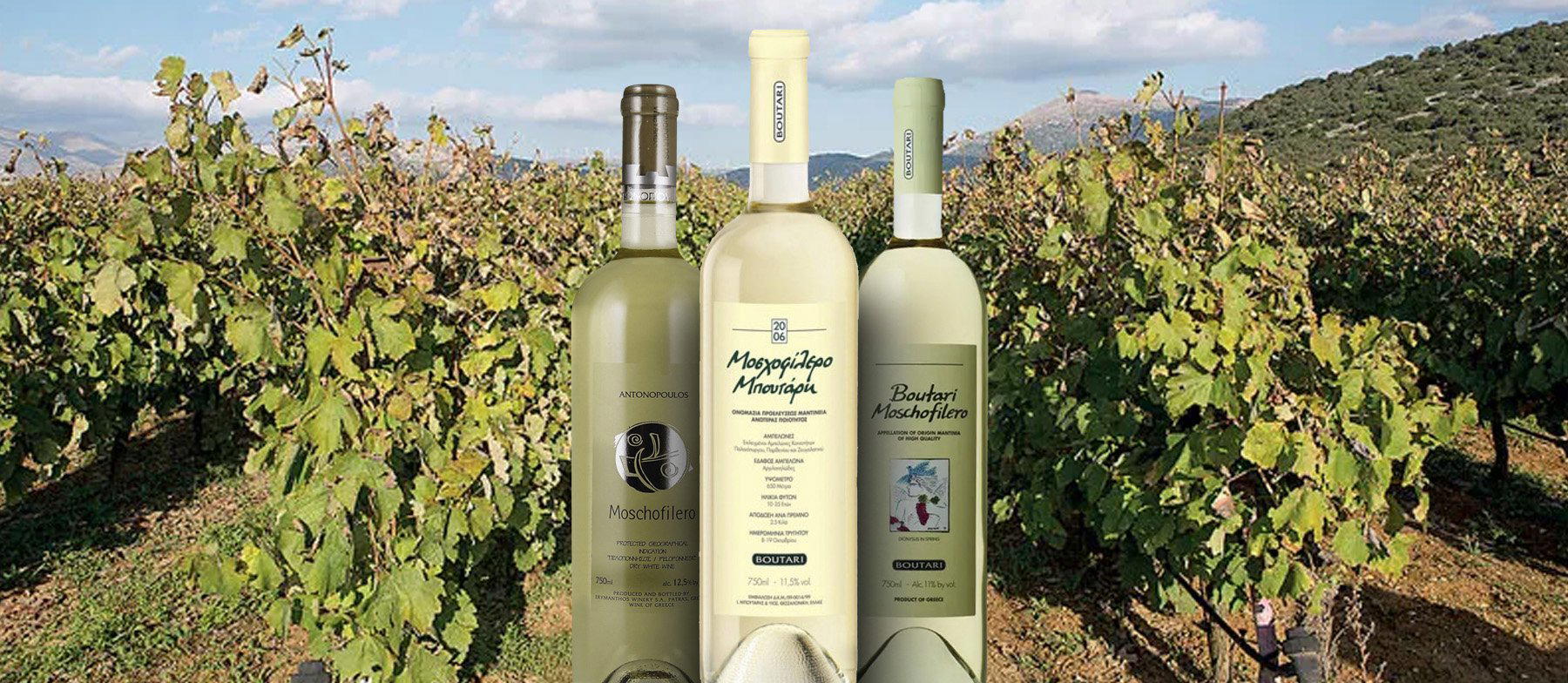
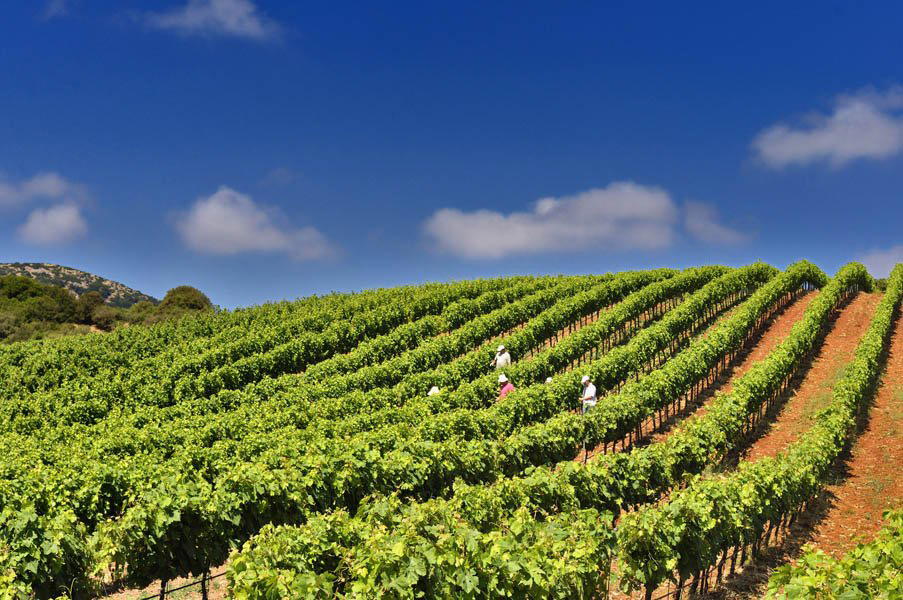
Greek distillation at the craft end of the market is inseparable from the agricultural zones that supply it. The Peloponnese carries significant grape diversity: Roditis and Moschofilero grow widely in Achaia and the highland zones, while the Nemea basin to the southeast produces Agiorgitiko at scale. Both wine grapes and their pomace byproducts feed into the distillation economy of the region. A distillery positioned on the old Corinth-Patras highway sits geographically between these zones, which matters in terms of raw-material access.
The broader pattern across Greek craft distillation is that producers who source from a defined regional radius tend to carry a different sensory signature than those working with commodity pomace from wider origins. Patras's proximity to Achaia Clauss, one of the oldest operating wineries in Greece, and to the newer generation of producers like Antonopoulos Vineyards gives local distillers access to grape varieties with a documented regional character. The geographic logic of the old national road corridor supports local grape sourcing.
Comparable sourcing discipline shows up in producers across the Greek mainland. Abraam's Vineyards in Komninades and Acra Winery in Nemea both represent the agricultural specificity that defines serious Greek production at the regional level. The same principle applies in distillation: the character of the raw material leaves a trace in the finished spirit, and producers who can name the source carry a different kind of authority in the market.
The Craft Distillery Category in Greece
Greek craft distilling has moved through several phases since the early 2000s liberalisation that made small-batch tsipouro licensing more accessible. The current phase is more selective: producers with stable award recognition, defined raw-material sourcing, and a coherent range are separating from the broader field.
For comparison, the trajectory of Greek winemaking over the same period offers a useful parallel. Producers like Alpha Estate in Amyntaio and Anatolikos Vineyards in Xanthi built credibility through a combination of terroir specificity and consistent critical recognition over time. The distilling sector is following a similar arc, though on a slower timeline given its different regulatory and distribution history. Patras, with its cluster of award-recognised producers, is one of the more coherent nodes in that developing story.
Planning a Visit
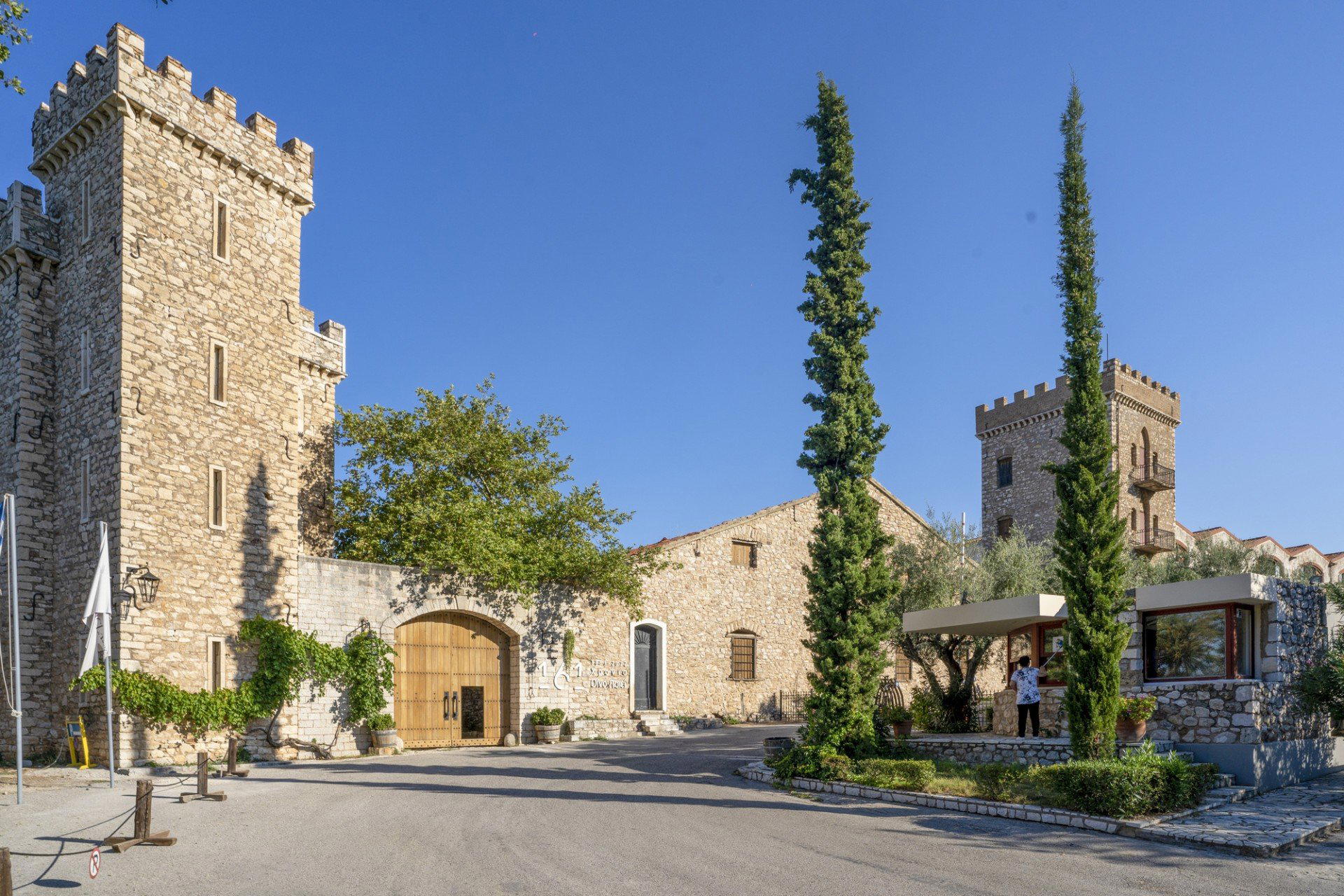
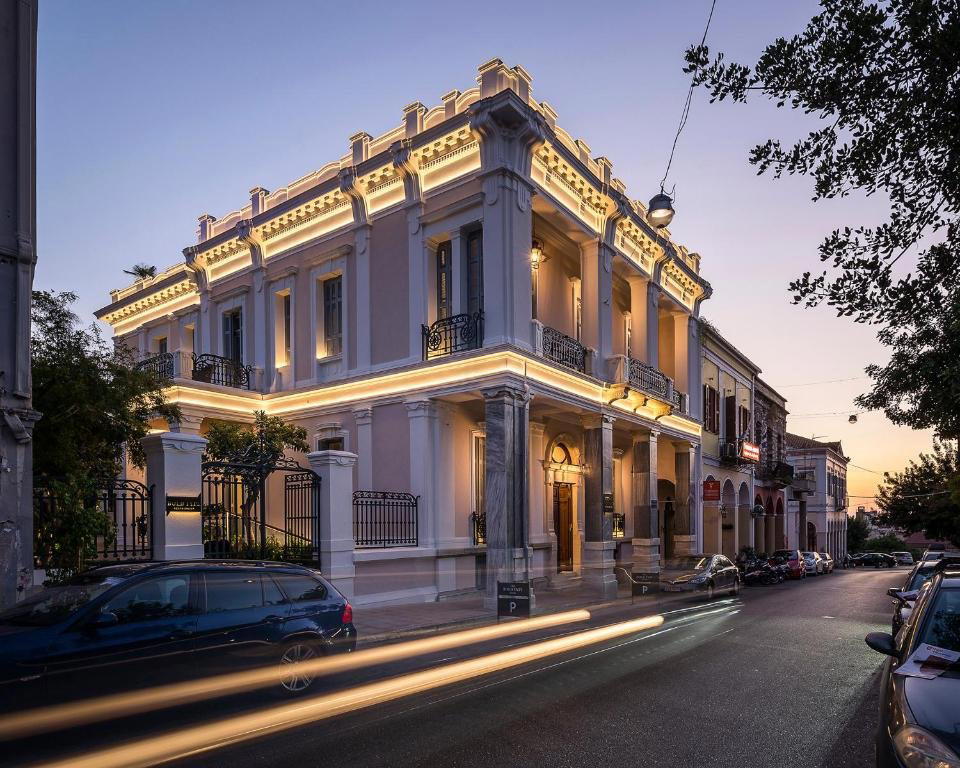
Pilavas Distillery is located at Palea EO Korinthou Patron 31 in Akteo, along the old Corinth-Patras national road. The address places it outside the commercial centre of Patras, which means a visit works well as a dedicated stop rather than a walkable addition to a city itinerary. Visitors travelling the old coastal road from Corinth will find the distillery on the approach to Patras, making it a logical first or last stop on a Peloponnesian circuit.
Appointments are required, and visitors should plan ahead. The Patras distilling cluster is compact enough to combine with visits to Loukatos Distillery, Notos Distillery, and Papadimitriou Distillery (Tentoura Kastro) in a single day for visitors with a serious interest in regional spirit production.
Those building a wider Greek production itinerary can extend the circuit toward the wine regions of Attica and the islands, where producers including Aiolos Winery in Palaio Faliro, Aoton Winery in Peania, and Akrathos Newlands Winery in Panagia offer different points of reference for understanding how Greek terroir shapes fermented and distilled production across the country.
Cuisine and Awards Snapshot
Comparable venues nearby, for context on price, style, and recognition.
| Venue | Cuisine | Price | Notes |
|---|---|---|---|
| Pilavas Distillery | Patras | $$ | Akteo |
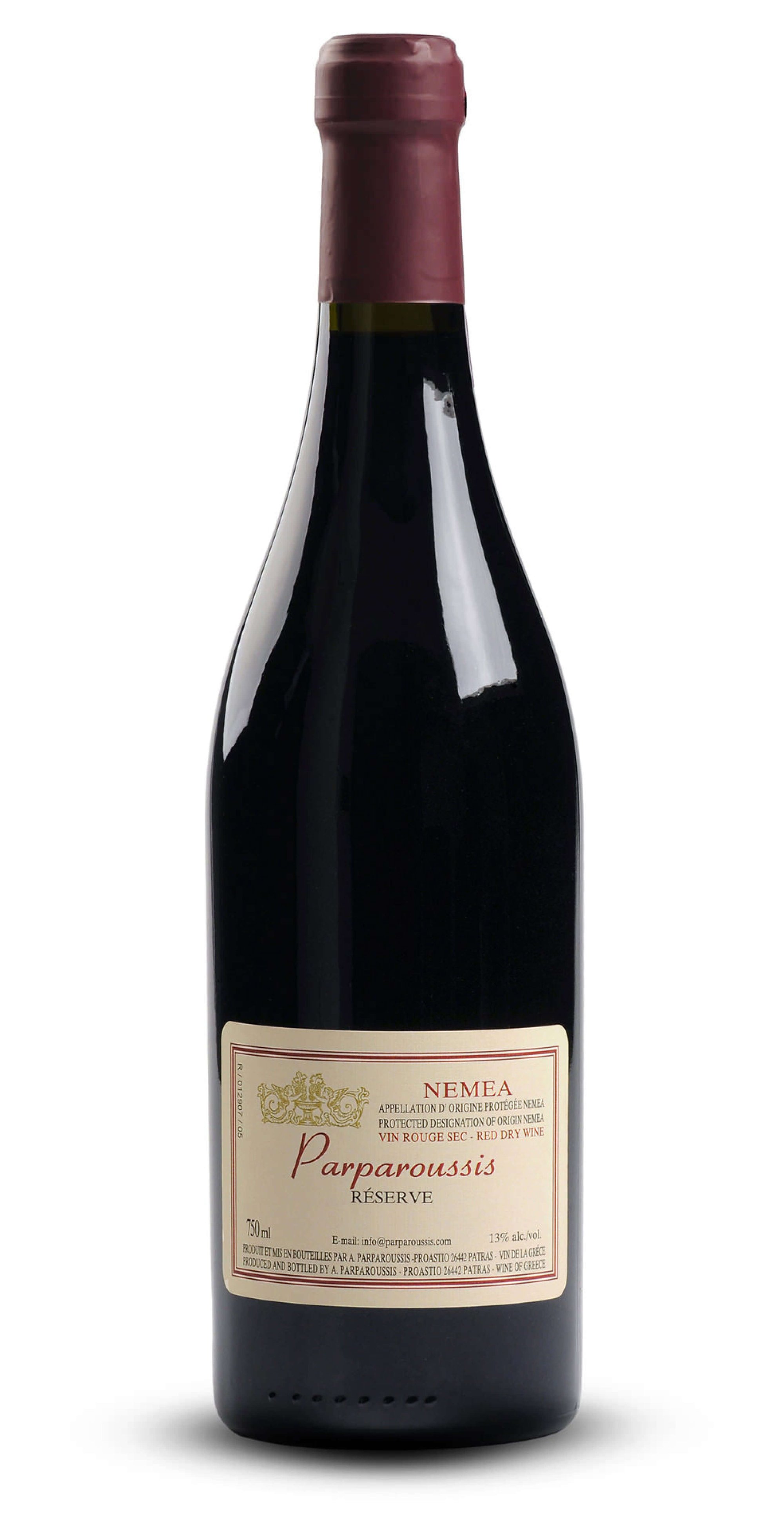
| Parparoussis Winery | Mavrodaphne, Sideritis | $$ | Bozaitika |
| Papadimitriou Distillery (Tentoura Kastro) | Winery | $ | Romanos |
| Notos Distillery | Patras | ||
| Antonopoulos Vineyards | Roditis, Malagousia | $$ | Vasiliko, Achaia |
| Vantana Distillery | Winery | Patras |
At a Glance
- Classic
- Rustic
- Wine Education
- Historic Building
- Patras
Modern industrial facility with state-of-the-art equipment maintaining a classic family tradition atmosphere.