Palazzo

Falstaff Winery - 3 Stars
Palazzo is a small family-run Brunello estate in Montalcino, shaped by southeast-facing Sangiovese vineyards, galestro marl, limestone-rich soils, and a restored 18th-century Tuscan farmhouse. The draw is not spectacle but scale: organic farming, hand-picked fruit, traditional bottle refinement in a subterranean cellar, and a quiet estate format built around Brunello di Montalcino and Rosso di Montalcino.

Pearl is the En Primeur Club membership app, where members save venues, book tables and use the concierge.

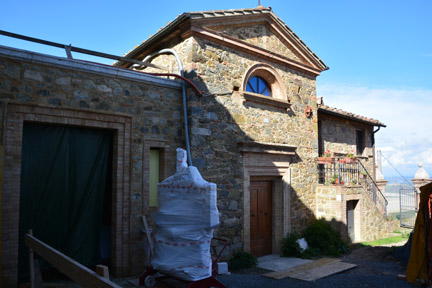
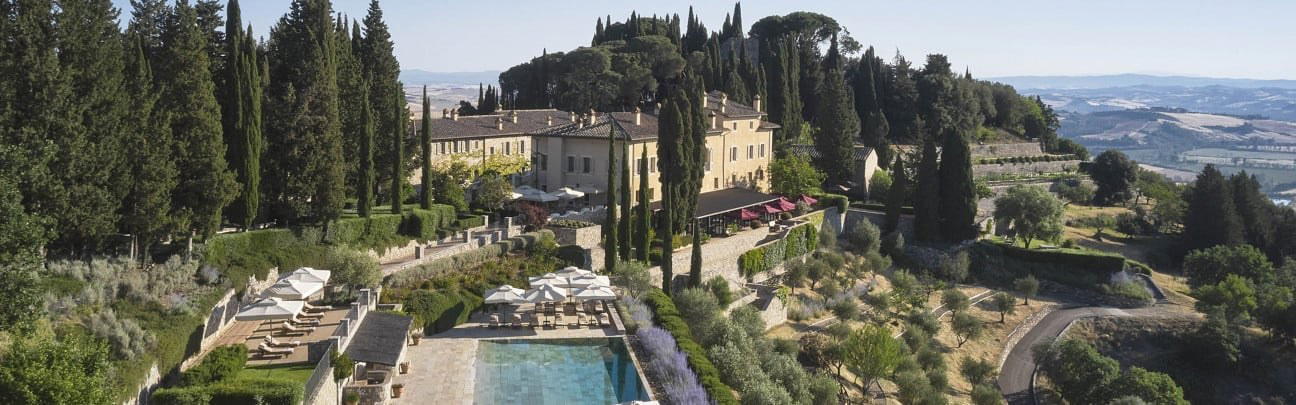
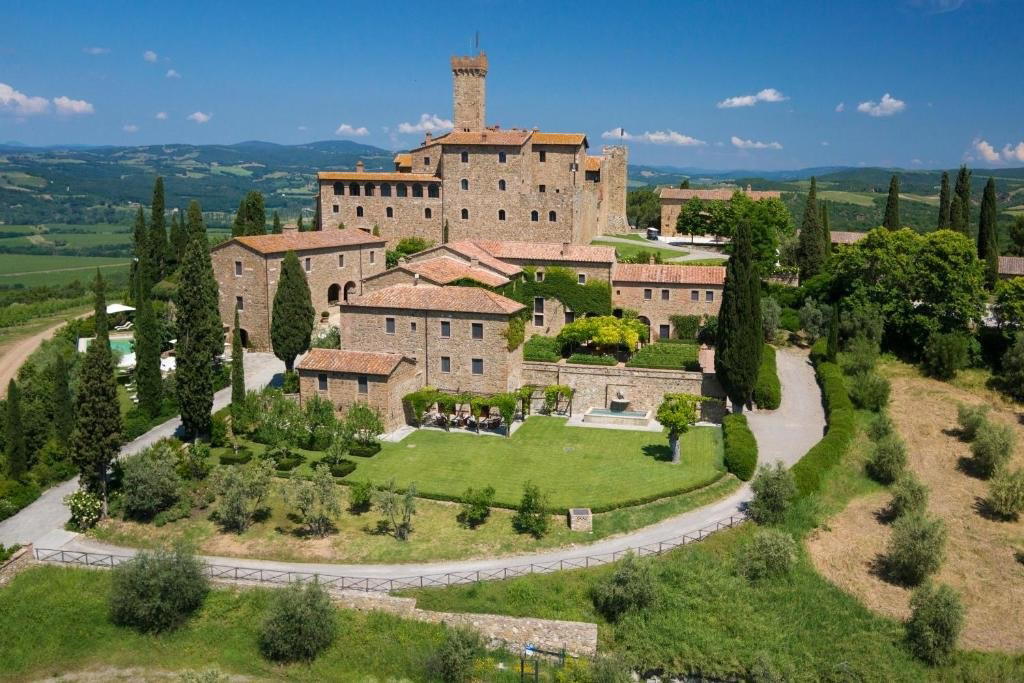
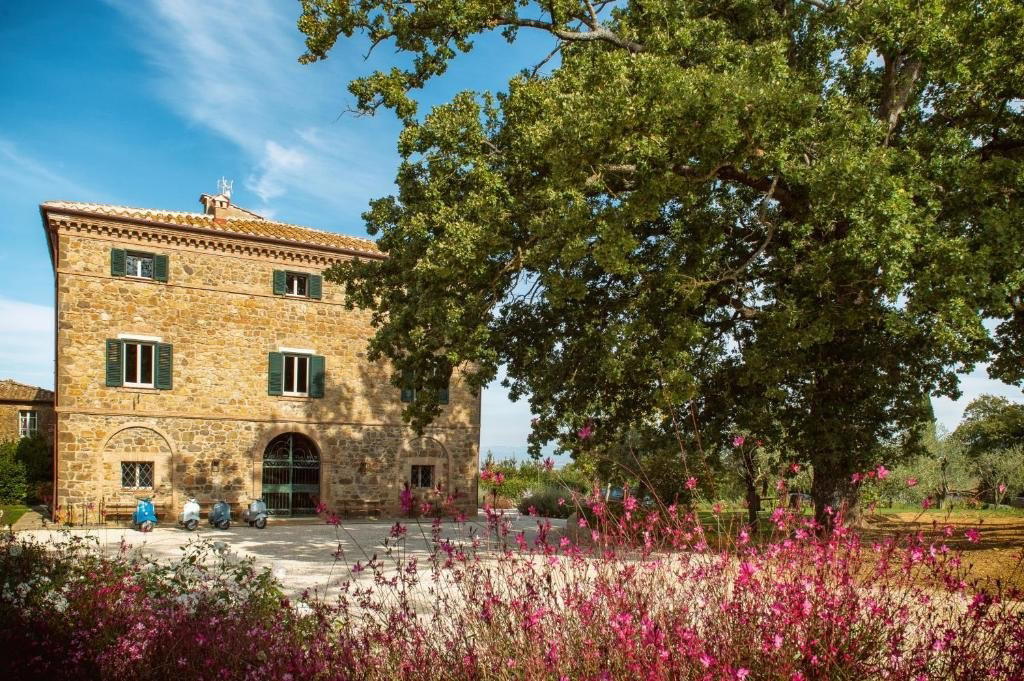
Palazzo is a family-run boutique Brunello estate in Montalcino, set in a renovated 18th-century Tuscan farmhouse in a quiet, scenic countryside setting. Its profile is rooted in the estate itself: organically farmed vineyards, traditional underground cellars, and modern vinification areas. Rather than presenting it as a broad hospitality complex, the safest way to read Palazzo is as a small Tuscan wine estate where the farmhouse, cellar spaces, and vineyard setting define the experience. The emphasis should stay on those concrete elements, because they give the property a clear identity without needing to overstate what is offered. Palazzo’s appeal is not built around scale or a long list of services; it comes from the focused combination of Brunello, countryside, family stewardship, and the physical character of a renovated historic farmhouse.
Montalcino, Brunello, and the discipline of a boutique estate
Palazzo belongs to Montalcino’s Brunello landscape, but the details support a focused description rather than a technical vineyard profile. The estate is family-run, boutique in scale, and set in countryside surroundings. Its character comes from the combination of organically farmed vineyards and cellar infrastructure that pairs traditional underground spaces with modern vinification areas. That combination is useful because it explains the estate without forcing it into a category it has not claimed: Palazzo is grounded in wine production and place, with the farmhouse and cellars giving shape to the visitor’s understanding of the property.
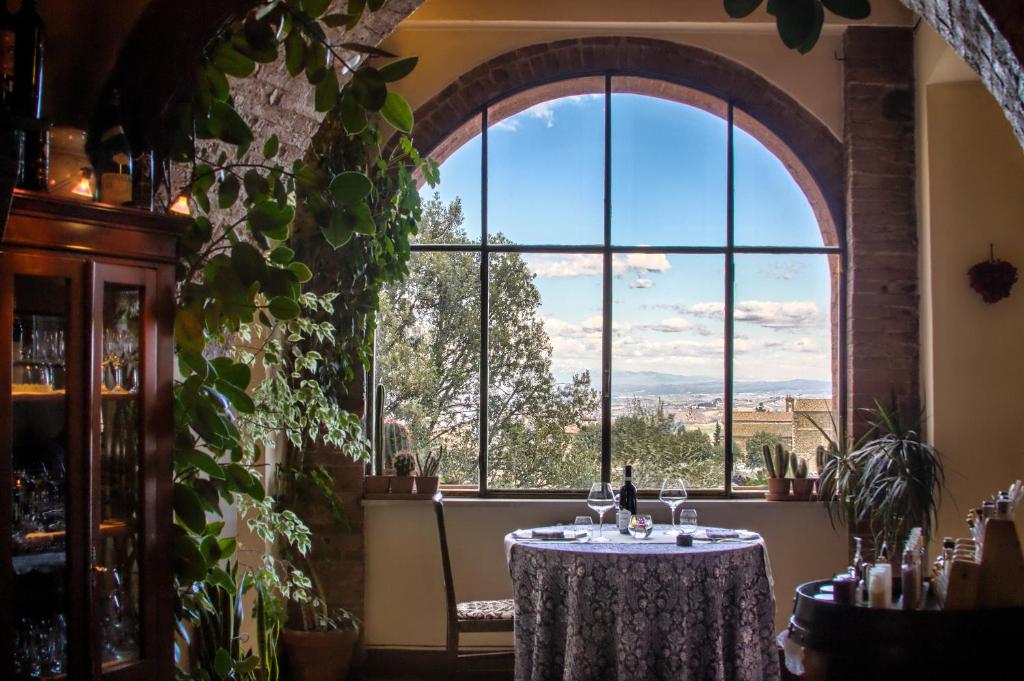
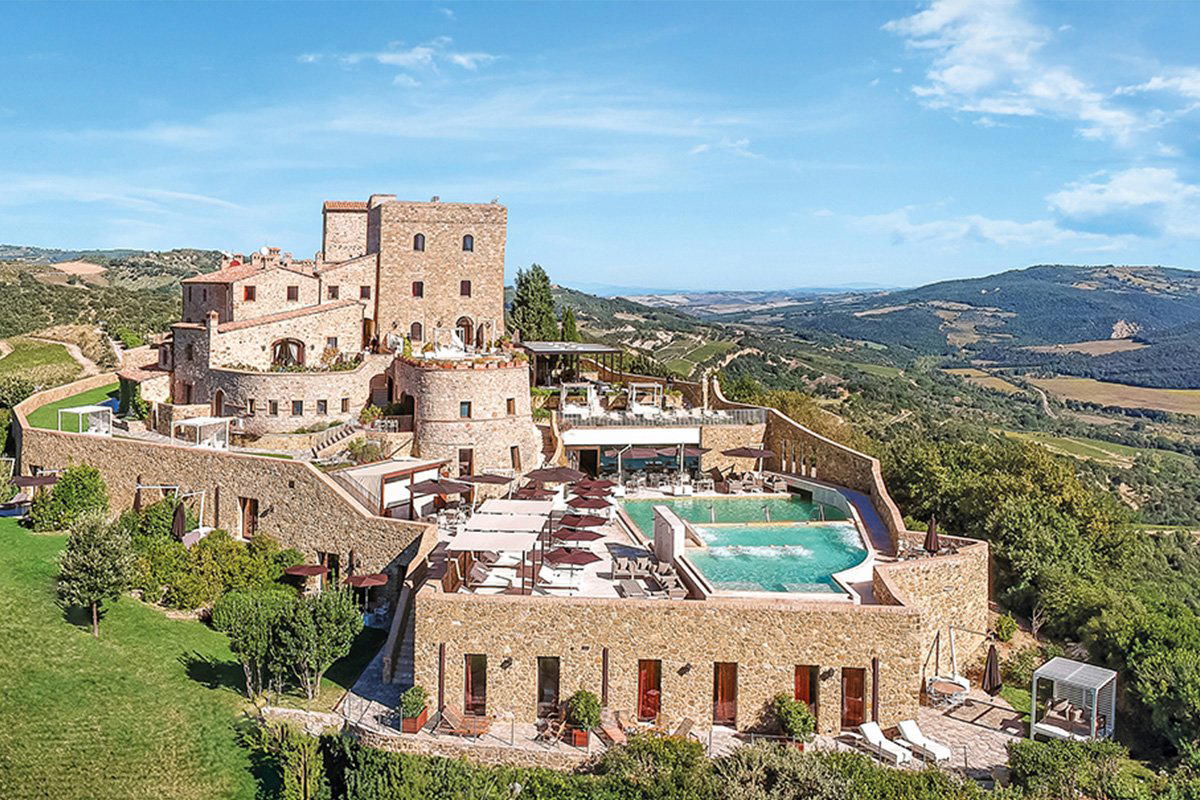
The setting is part of the appeal. What can be said is that the estate presents a classic Montalcino countryside atmosphere: scenic, quiet, and closely tied to Brunello production. In that sense, the countryside is not just a backdrop. It is part of the estate’s identity, helping to place Palazzo within the wider language of Tuscan wine estates where vineyard views, rural calm, and old farmhouse architecture work together. The available description supports an image of a calm, estate-led stop rather than a busy destination built around multiple unrelated experiences.
The farming language is also important, but it should stay within the public record. Palazzo is described as having organically farmed vineyards. That supports an estate identity based on vineyard care and rural setting, without needing to add claims about yields, harvest methods, certification status, or cellar technique beyond the confirmed presence of traditional underground cellars and modern vinification areas. The phrase is still meaningful: it places the vineyards at the centre of the estate’s story and indicates that the surrounding land is not incidental to the experience. For readers, the important point is that Palazzo’s Brunello identity is tied to its own agricultural context, not simply to the general reputation of Montalcino.
Brunello estate character and cellar setting
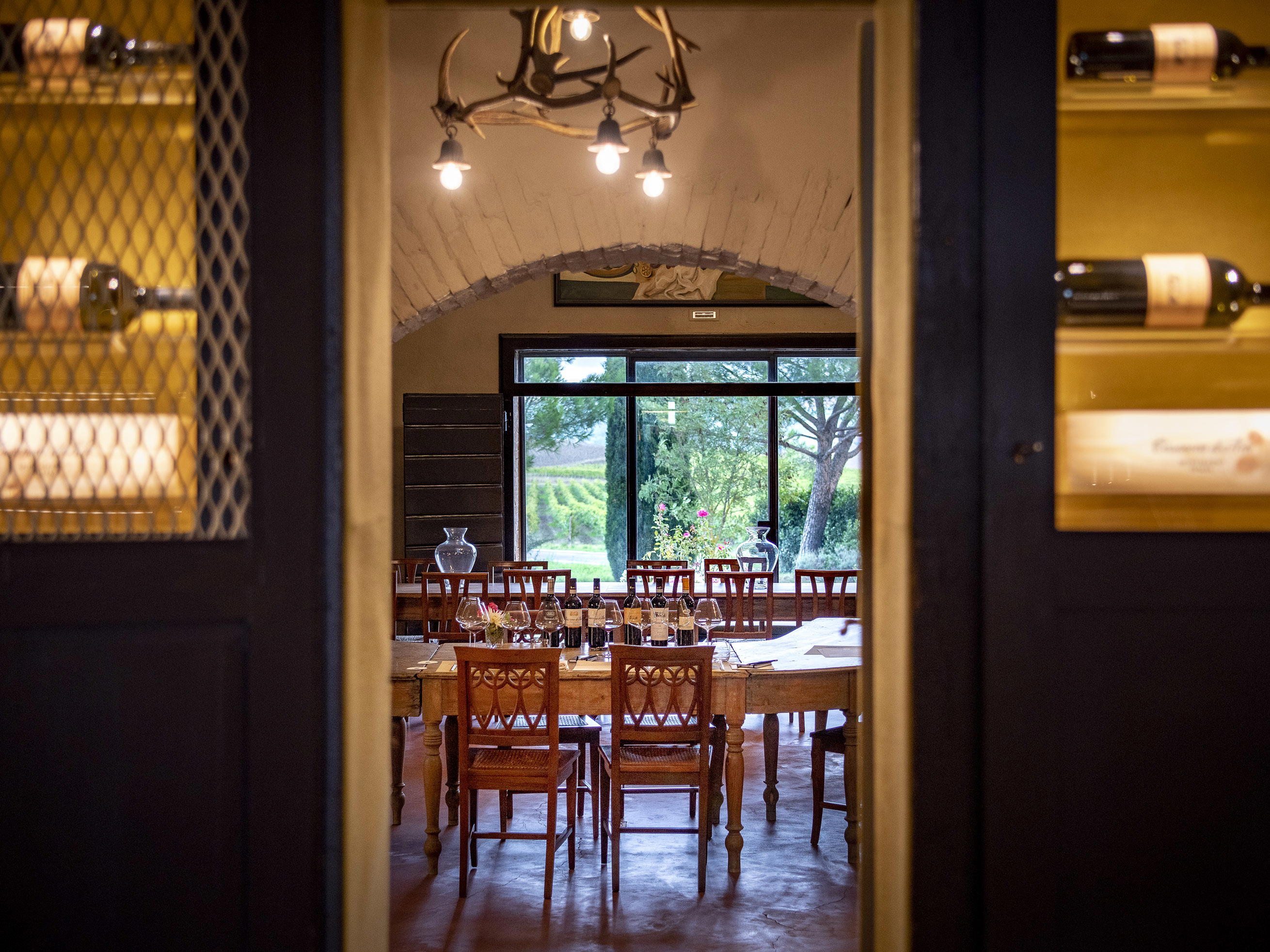
Palazzo’s identity is anchored in Brunello and in its estate setting. The renovated 18th-century Tuscan farmhouse gives the property its historic frame, while the traditional underground cellars and modern vinification areas describe the production side. Together, those elements make Palazzo a concise example of old-and-new Montalcino wine-estate architecture. The historic farmhouse supplies a sense of Tuscan continuity, while the cellar and vinification spaces show that the estate is not only picturesque but also structured around the making of wine.
The built environment is the strongest grounded detail. The farmhouse has an 18th-century Tuscan character, the cellars include traditional underground spaces, and the vinification areas are modern. That combination is enough to explain the estate’s appeal without adding menu formats, named wines, production volumes, awards, or hosted-visit details. It also helps distinguish Palazzo from descriptions that rely on broad lifestyle language. Here, the most reliable reading is architectural and agricultural: an old farmhouse renewed for present use, underground cellar spaces that carry a traditional feel, and modern areas that belong to the practical work of vinification.
Because the confirmed information is compact, the best editorial approach is to let those details carry the profile. Palazzo does not need to be inflated into a resort-style venue or described as a restaurant-led destination. Its character is already coherent: a boutique Brunello estate where the setting, the farmhouse, the cellars, and the vineyards are the core. For travellers interested in Montalcino, that clarity can be a strength, especially when compared with venues whose identities are spread across dining, lodging, retail, events, or large-scale wine tourism.
Who this Montalcino estate suits
Palazzo is best read as a focused Montalcino wine-estate stop for travellers drawn to Brunello, Tuscan farmhouse character, and quiet countryside scenery. It suits readers who are interested in the atmosphere of a small estate as much as in the wider name of Montalcino. The confirmed details point toward people who value place, setting, and cellar context rather than those looking primarily for a complex with many clearly stated hospitality layers.
For a broader Montalcino itinerary, compare Palazzo with other dining, wine, and hospitality options in Montalcino generically rather than assuming matching services or formats. Palazzo’s confirmed strengths are its family-run boutique character, renovated 18th-century farmhouse, traditional underground cellars, modern vinification areas, organically farmed vineyards, and scenic setting. Those strengths make it easiest to position as an estate-led reference point within the Brunello landscape, especially for travellers mapping the area by atmosphere, architecture, and vineyard context.
Readers comparing Montalcino venues should keep Palazzo in view as a quiet Brunello estate rather than as a restaurant, resort, or large wine-tourism complex. The information supports a concise, estate-led profile centered on place, farmhouse architecture, cellar setting, and vineyard context. That restraint is part of the value of the description: it keeps the focus on what is known, avoids attaching unsupported services or claims, and presents Palazzo as a small, grounded expression of Montalcino’s wine country.
Recognition history
Dated appearances from independent guides and award organizations, with the underlying list record or original source where available.
Falstaff Winery - 3 Stars
Falstaff
Palazzo
Featured Guides
Continue exploring
More in Montalcino
Wineries in Montalcino
All wineries in Montalcino →
Bars in Montalcino
All bars in Montalcino →
Details
- Scenic
- Classic
- Rustic
- Intimate
- Romantic Getaway
- Group Outing
- Wine Education
- Solo Exploration
- Special Occasion
- Estate Grounds
- Vineyard Tour
- Historic Building
- Private Tasting
- Panoramic View
- Organic
- Sustainable
- Dry Farmed
- Vineyard
- Mountain
- Sangiovese Grosso
- Sangiovese
- Merlot
- Cabernet Sauvignon
- Still Red
- Estate Tasting
- Vineyard Tour With Tasting
- Private Tasting
- Italian
- English
Family-run boutique Brunello estate in a renovated 18th‑century Tuscan farmhouse, combining traditional underground cellars with modern vinification areas and organically farmed vineyards in a quiet, scenic countryside setting.