Noble Hill

Falstaff Winery - Listed
Noble Hill is a small Simonsberg-Paarl estate where granite soils, organic farming language, and a relaxed garden-tasting format shape the appeal. The draw is not cellar-door formality but a broader Cape Winelands afternoon: Chenin Blanc, Viognier, Mourvèdre, Syrah and Cabernet Sauvignon, mountain and vineyard views, olive groves, and Latin-inspired food built for lingering.

Pearl is the En Primeur Club membership app — saves, bookings, and concierge access live there. Same editors, same standards.
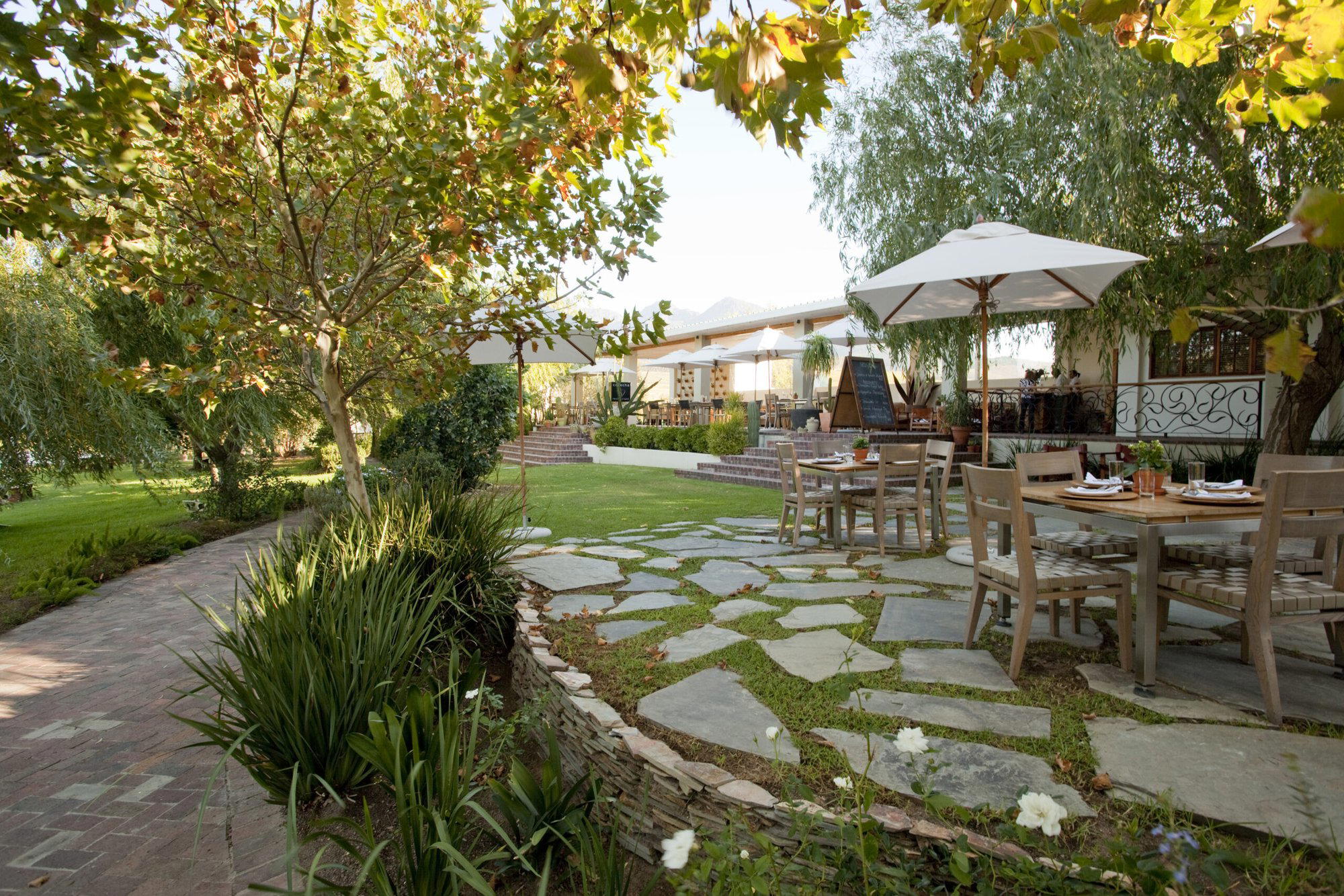
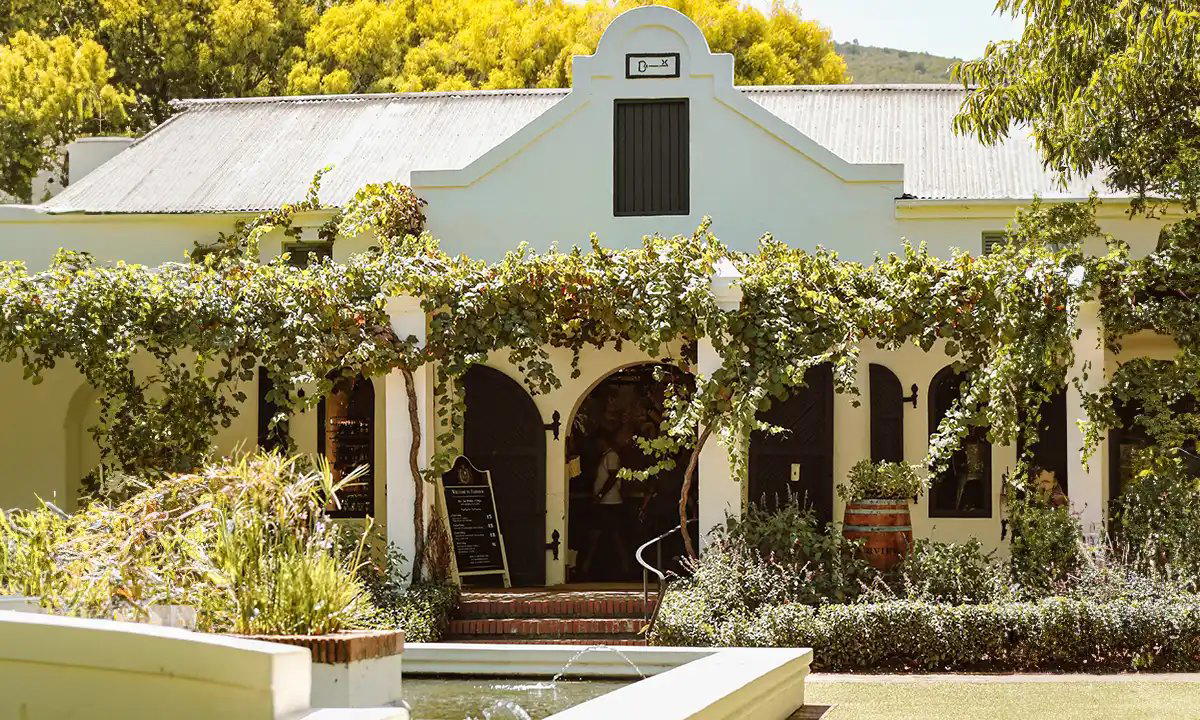
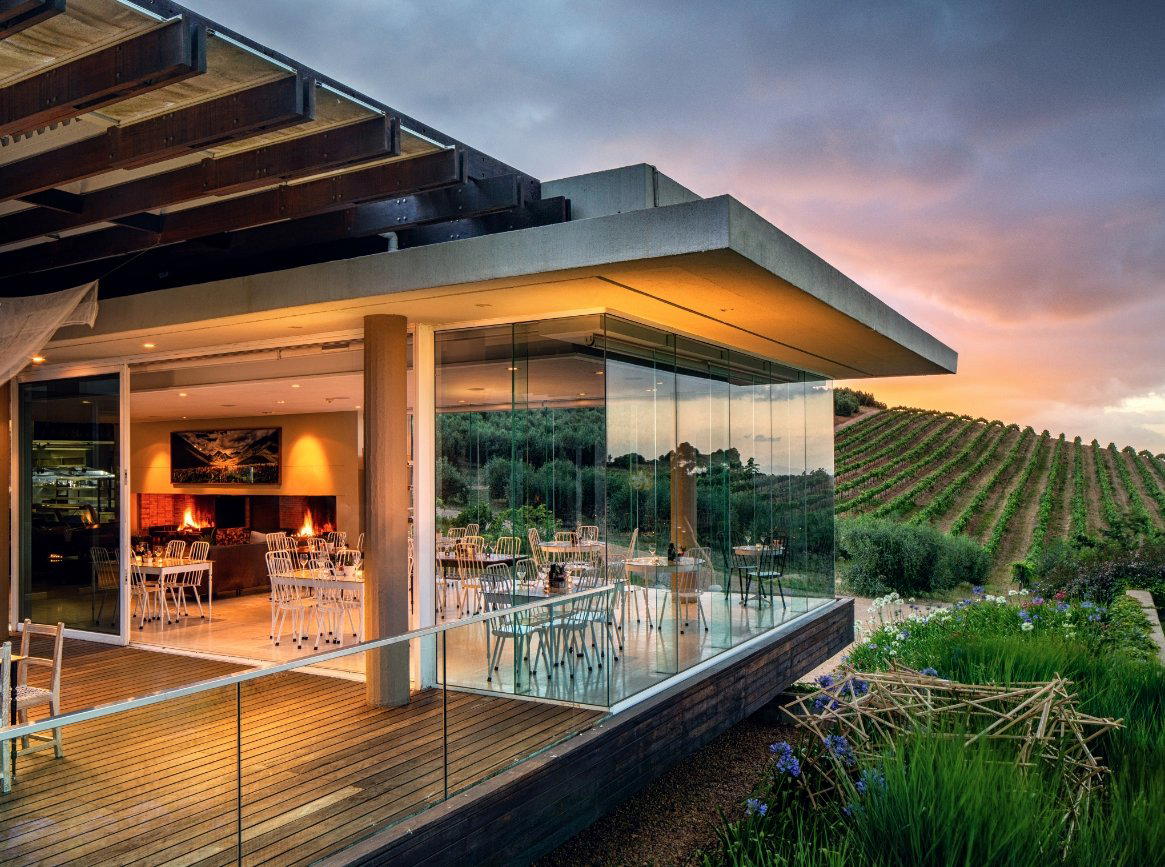
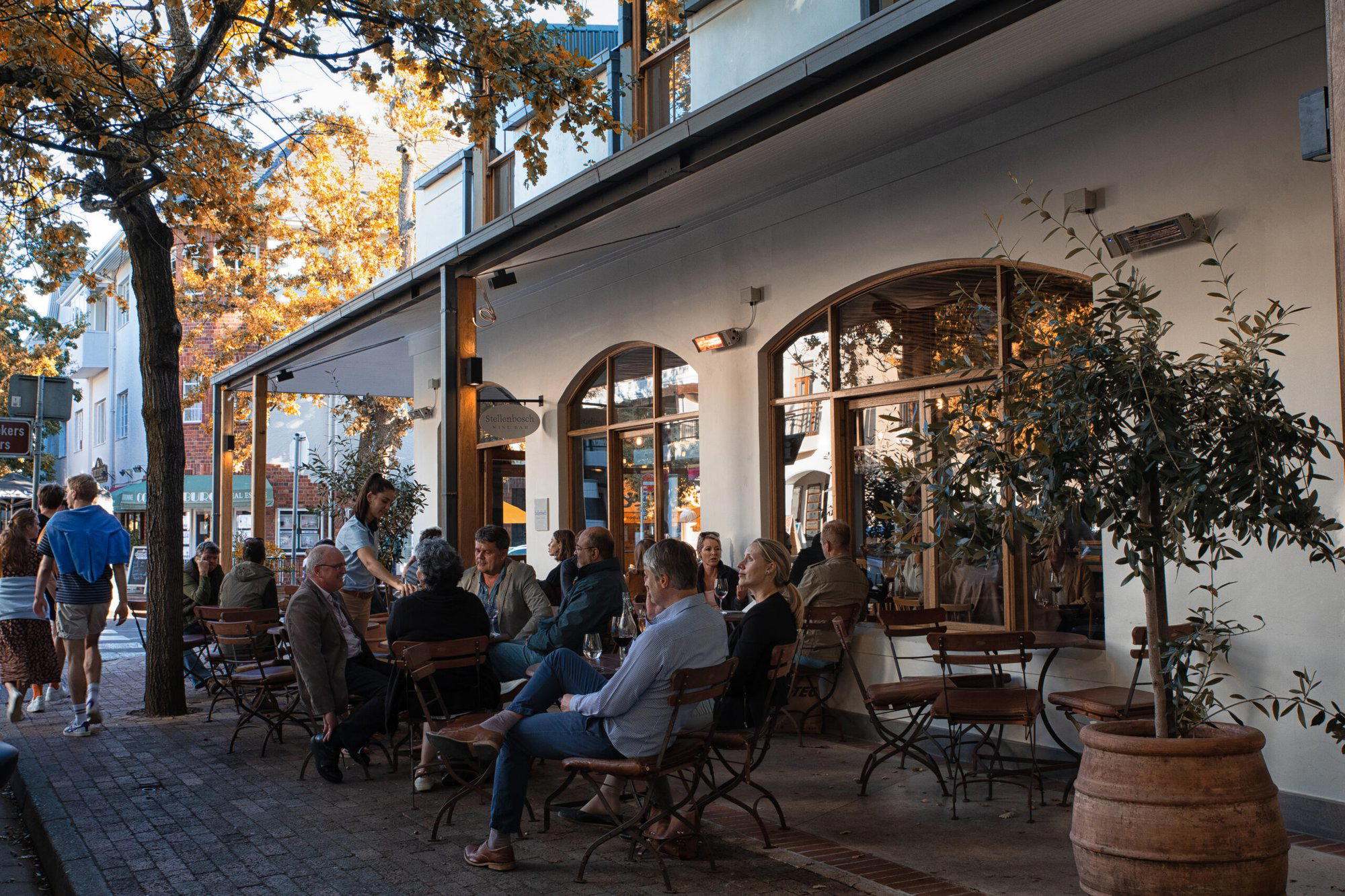
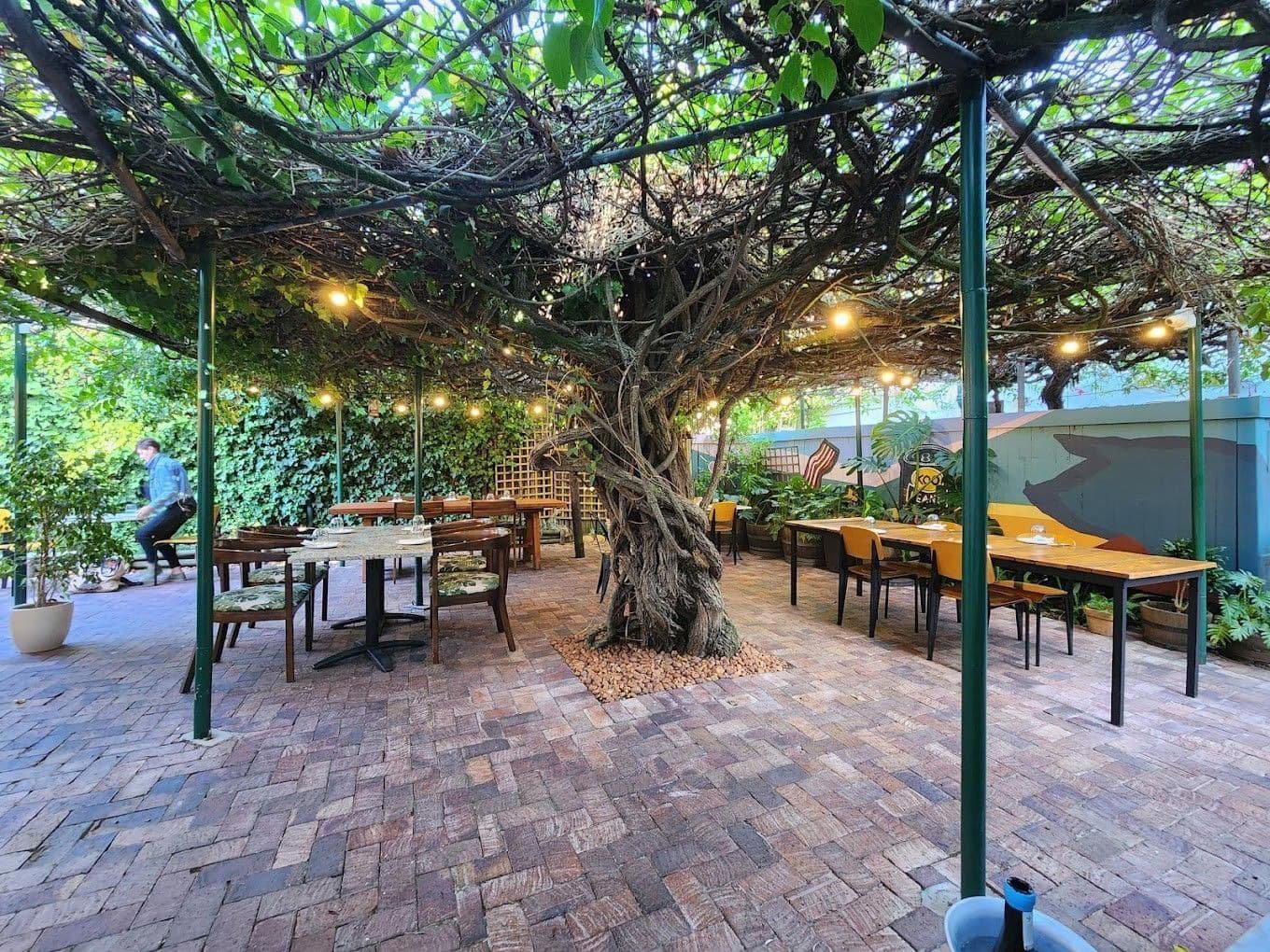
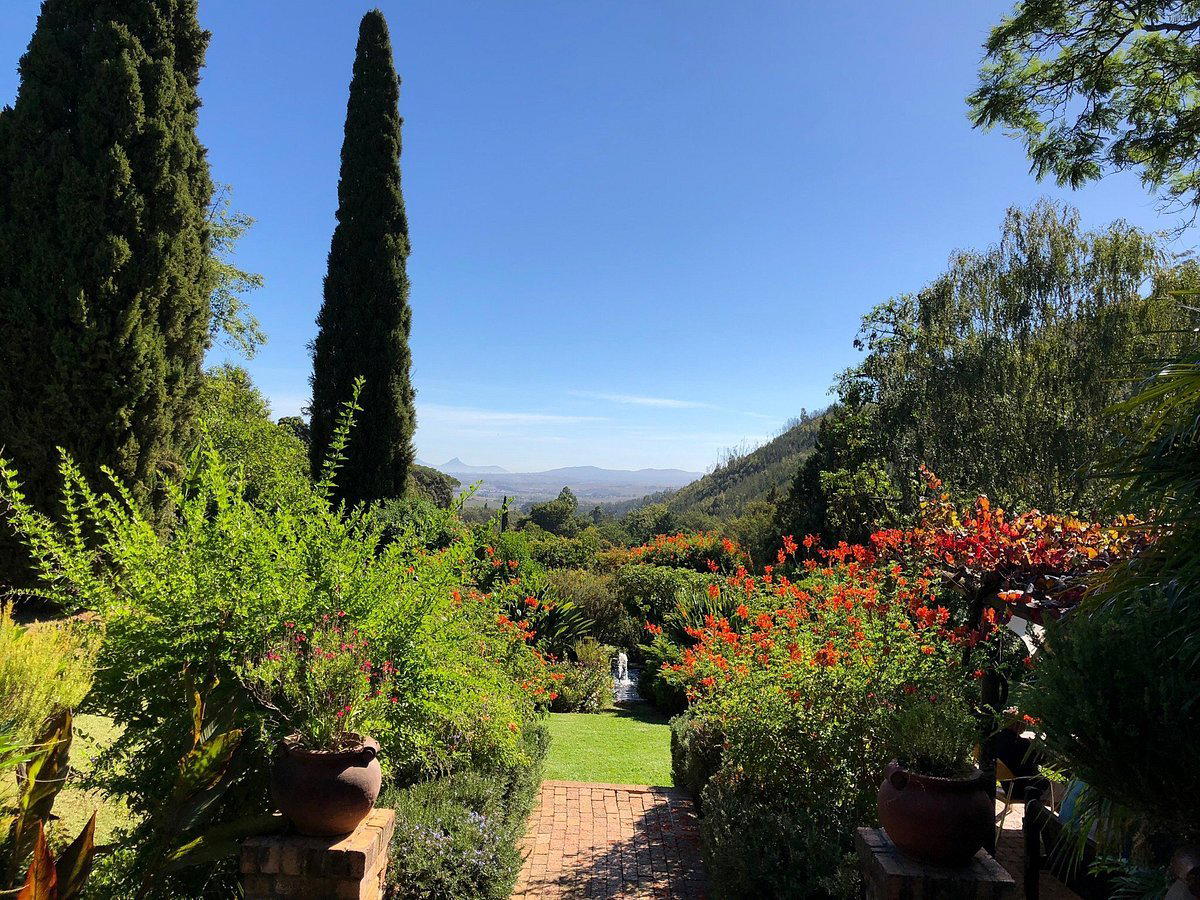
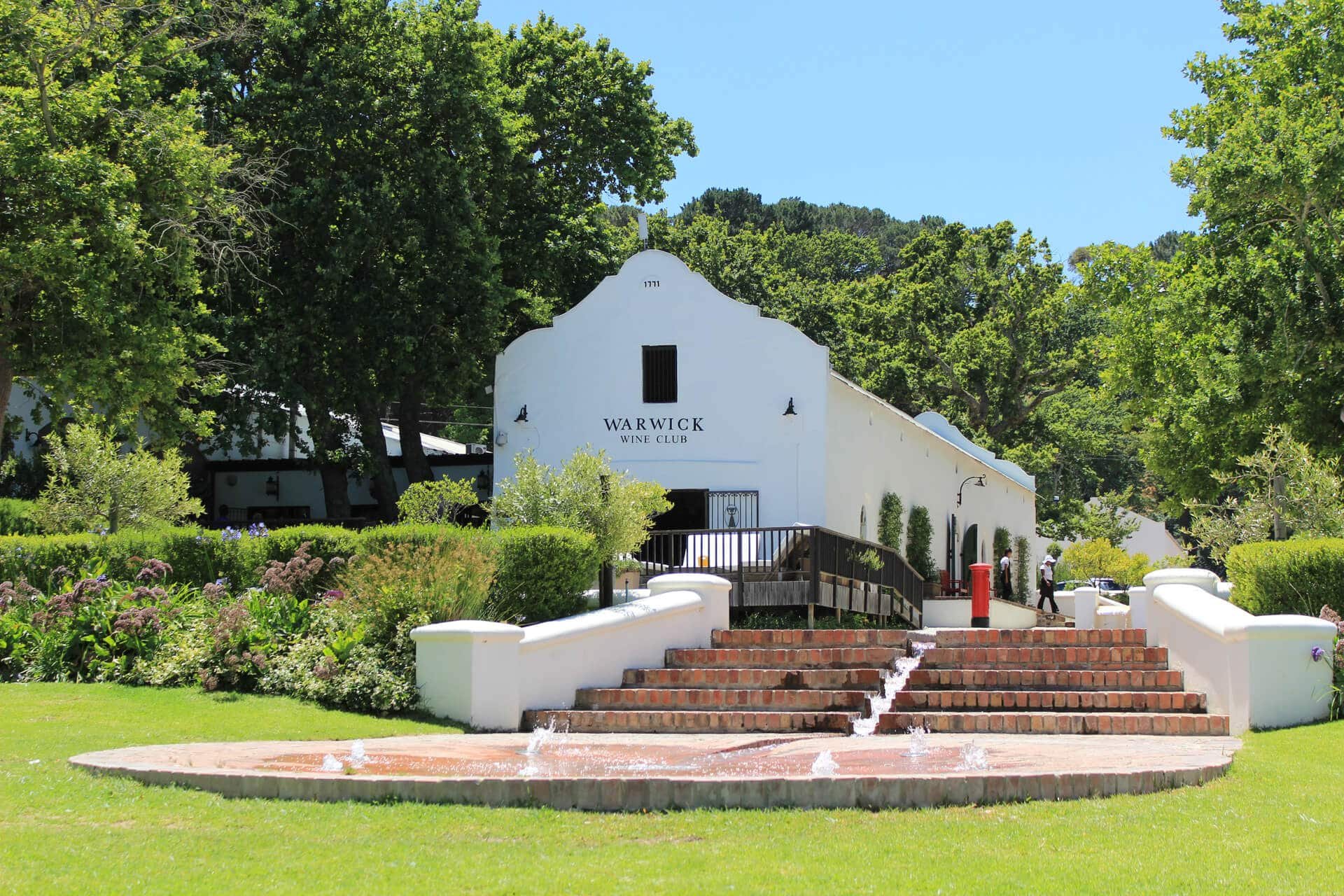
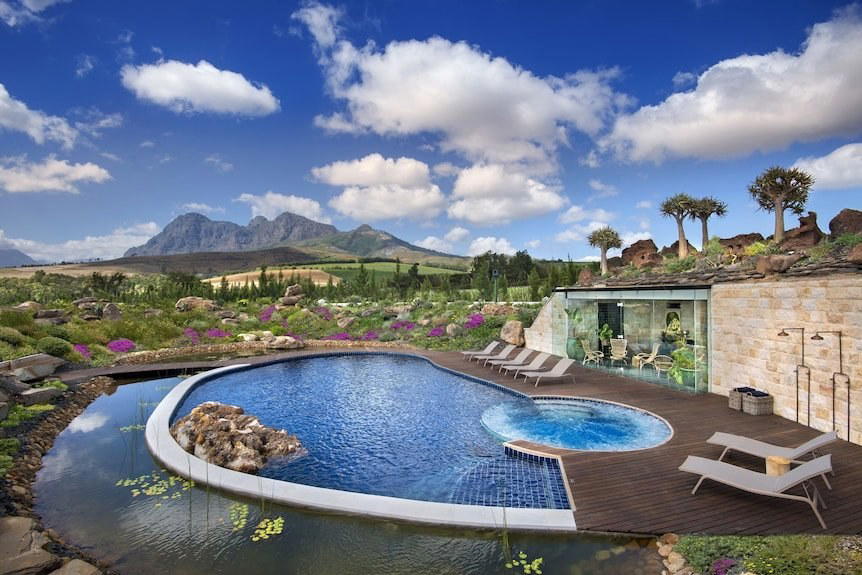
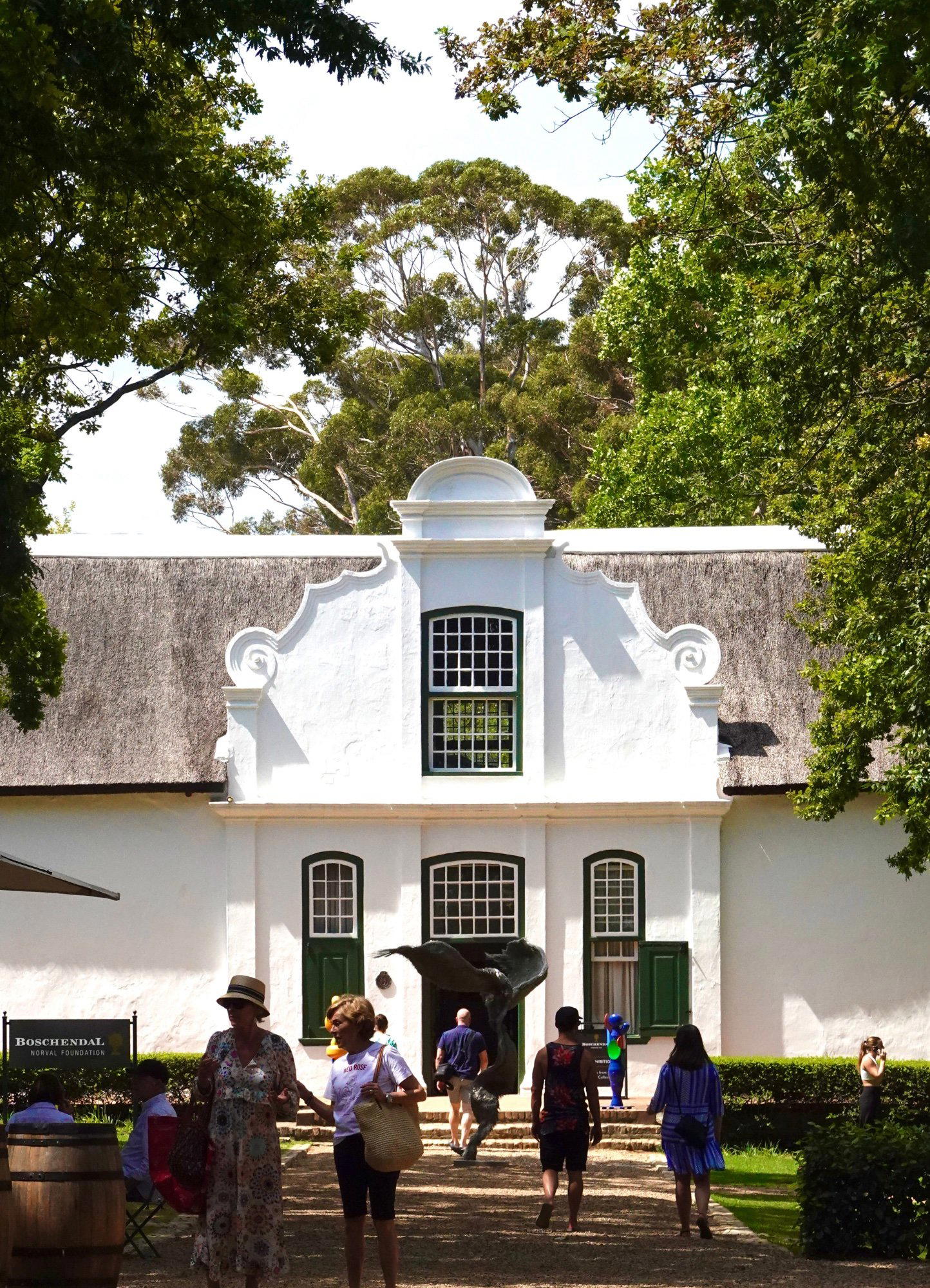
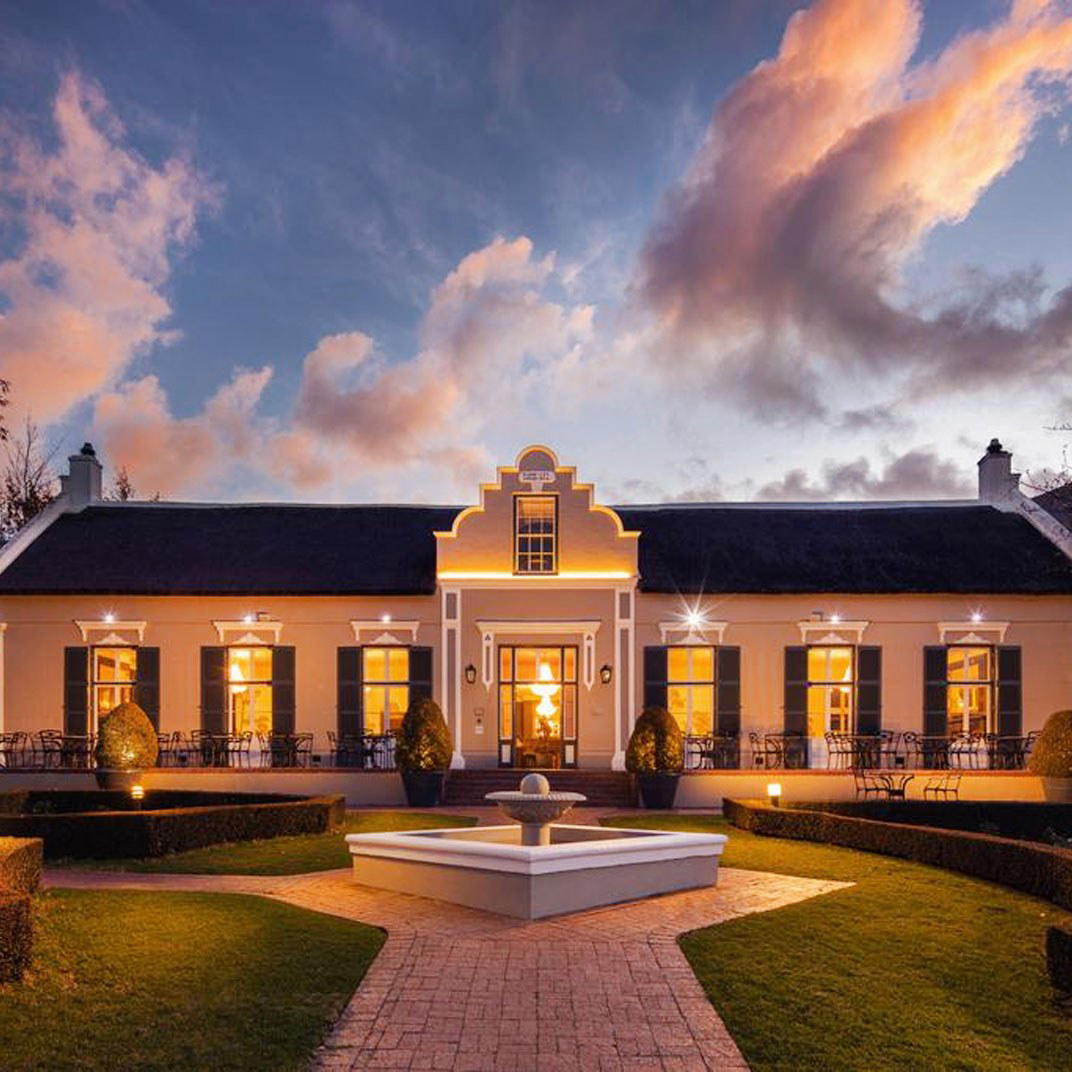
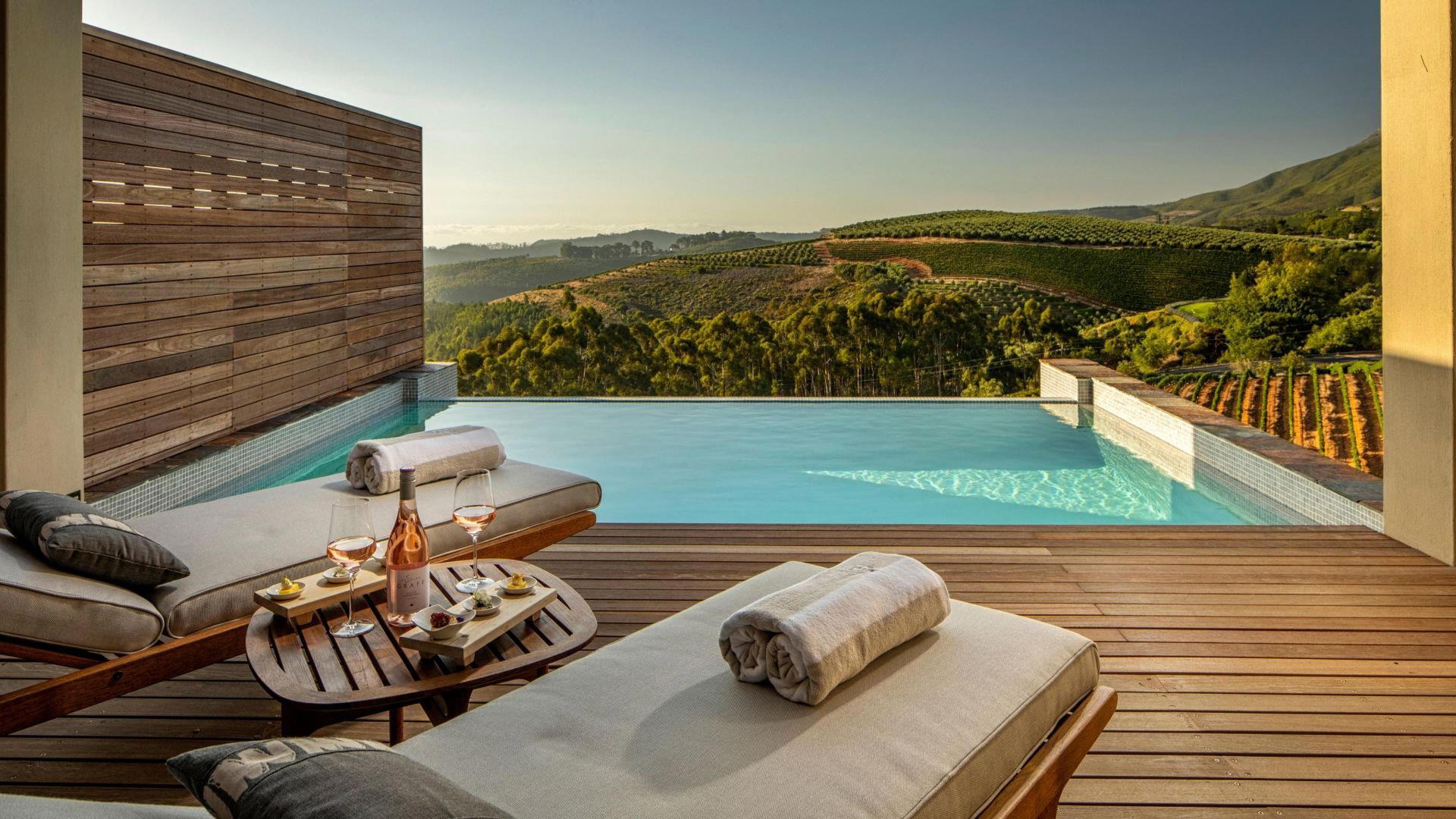
Approach the Simonsberg side of Paarl and the Cape Winelands shift from postcard prettiness into something more agricultural: granite slopes, vineyard rows, olive trees, and mountain light doing much of the persuasion before a glass is poured. Noble Hill belongs to that quieter estate tradition, where the visit is framed by land first and cellar technique second. The experience is relaxed rather than ceremonial, with outdoor seating under trees, garden and vineyard views, and a conversational pace that suits tasting, lunch, and a longer farm stop.
Paarl’s wine identity is often read through scale, heritage, and powerful reds, but the Simonsberg-Paarl corner gives a more specific lens. Granite soils and mountain exposure are central here, and Noble Hill’s stated aim is delicate, fresh wines with mineral structure rather than a heavy, extraction-led style. That matters because the estate’s main varieties, Chenin Blanc, Viognier, Mourvèdre, Syrah and Cabernet Sauvignon, can swing in different directions depending on farming, ripeness, and cellar decisions. Here, the editorial point is restraint: fruit, acidity, tannin, and texture are being asked to carry a sense of place rather than overwhelm it.
Granite, organic farming, and the Simonsberg-Paarl register
The Cape Winelands are crowded with estates that speak fluently about terroir; fewer make the farming system as visible as the hospitality. Noble Hill presents itself as a regeneratively farmed organic estate, and that language is not decorative. It sits inside a mixed-farming model that includes vineyards and about 1,200 olive trees, giving the property the feel of a working agricultural site rather than a tasting counter attached to a label. Production remains small in regional terms, with roughly 30 hectares of vineyard and about 7,000 cases annually, which places attention back on estate-grown identity.
The wine range supports that reading. Sur Lie Chenin Blanc, Viognier, Clos Simond, Simonskop Chenin Blanc, Brut Nature Blanc de Blancs, Mourvèdre Rosé, Field Atlas, Cabernet Sauvignon, Estate Reserve, and Sic Transit Gloria Mundi show a cellar interested in more than a single commercial lane. Chenin appears in multiple expressions, sparkling wine enters the conversation through Brut Nature Blanc de Blancs, and the red side keeps Cabernet Sauvignon and Rhône-linked varieties in play. The portfolio reads as a Cape estate vocabulary rather than a narrow varietal showcase.
That breadth also explains why Noble Hill works as a tasting estate for visitors who want to understand Simonsberg-Paarl through texture and structure rather than through a trophy-bottle narrative. The presence of Sur Lie Chenin points toward lees-influenced white-wine texture, while Brut Nature signals a dry sparkling style. Mourvèdre Rosé, Syrah, and Cabernet Sauvignon bring the red and rosé register back to sun, tannin, and savoury structure. The estate’s known public recognition is modest but useful: a 4.9 rating from 12 Winetourism reviews signals strong guest satisfaction, and a Merlot gold medal at the Sakura Wine Awards in 2014 gives a named competition marker, even if medals are not the main reason to come.
A garden tasting estate with lunch at its centre
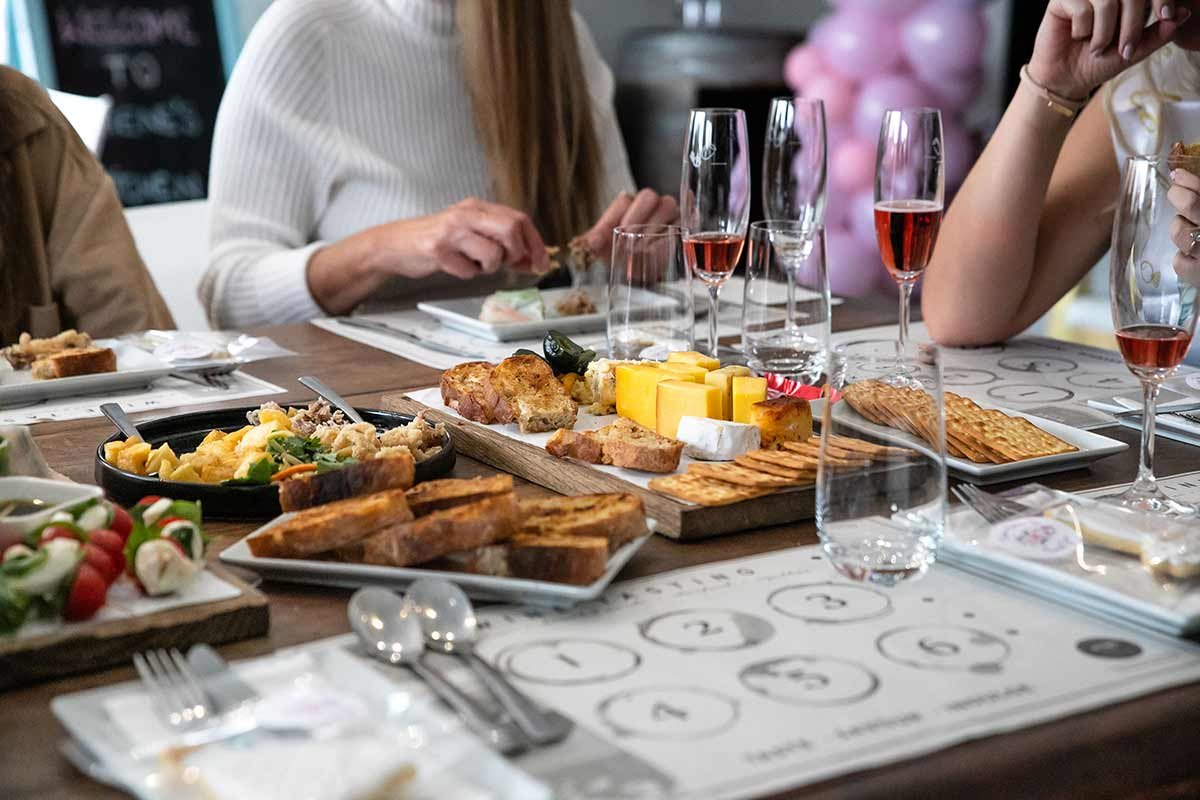
Wine tourism in Paarl often splits between serious cellar study and leisurely estate dining. Noble Hill sits in the latter camp without losing the educational thread. Tastings are described as informative and friendly, and the setting, garden terrace, vineyard outlook, and mountain backdrop, carries much of the rhythm. This is not a hushed, collector-driven format. It is better understood as a small estate visit where wine, olive oil, outdoor seating, and food are part of the same agricultural argument.
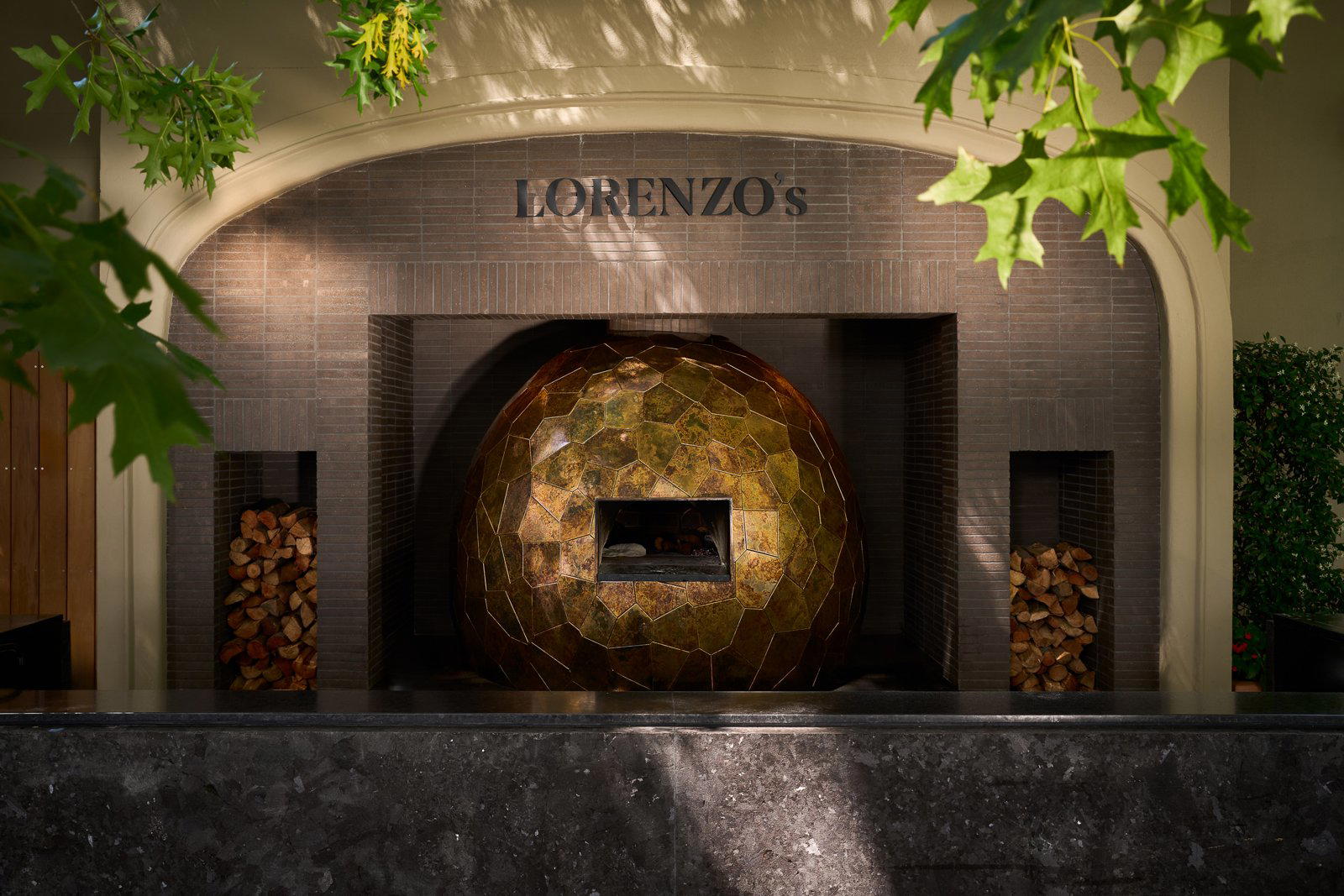
The restaurant side is significant because it changes the purpose of the stop. Latin and Mexican-inspired cooking brings a sharper, more casual counterpoint to the estate’s fresh, mineral-led wine language: tacos, burritos, cheese platters, and tableside guacamole have all been part of the public guest conversation around the property. Those dishes also make sense with the range. Chenin and Viognier can take on spice and texture; rosé fits lunch pacing; Cabernet Sauvignon and Syrah have enough structure for richer plates. The estate does not need formality to make that pairing logic clear.
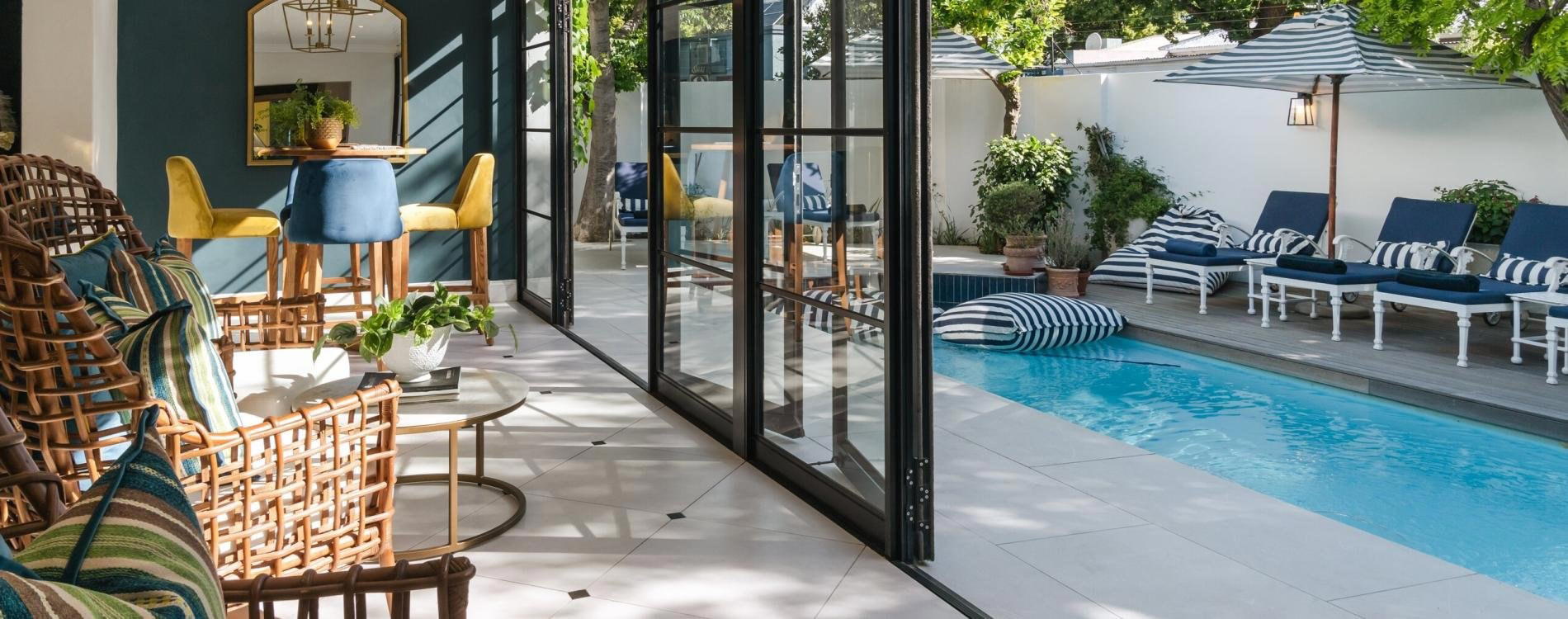
Families, groups, and relaxed wine-country visitors are a natural fit here because the format has practical breadth: outdoor seating, garden space, wheelchair access, dog-friendly policy, child-friendly appeal, on-site parking, and payment by cash, credit card, or debit card. The dress code is casual, and the price level sits at $$. The venue is walk-in friendly, which makes it useful in a region where not every worthwhile tasting needs to be treated like a fixed appointment.
How to place it in a Paarl itinerary
For an EP Club reader, the case for Noble Hill is specific. Come for a low-pressure estate tasting where the Simonsberg-Paarl granite story, organic and regenerative farming language, small-scale production, and food-led hospitality all line up. Skip it if the priority is a formal vertical tasting, a named critic-score chase, or a grand architectural cellar. The strength here is not spectacle; it is coherence.
Paarl rewards planning by mood rather than by checklist. Use Our full Paarl wineries guide for broader estate mapping, then cross-reference dining in Our full Paarl restaurants guide, stays in Our full Paarl hotels guide, drinks in Our full Paarl bars guide, and regional planning through Our full Paarl experiences guide. Nearby Paarl winery reading includes Backsberg, Barista, Boland Cellar, Fairview Wine & Cheese, and Glen Carlou. For a wider South African and European wine context, keep 4G Wines in Kapstadt, A. A. Badenhorst Family Wines in Paardeberg, Aaldering Estate in Stellenbosch, »der Steiner« Hans Steiner in Podersdorf am See, and & Handwein in Mannheim on the longer list.
Recognition history
Dated appearances from independent guides and award organizations, with the underlying list record or original source where available.
Falstaff Winery - Listed
Falstaff
Continue exploring
More in Paarl
Wineries in Paarl
All wineries in Paarl →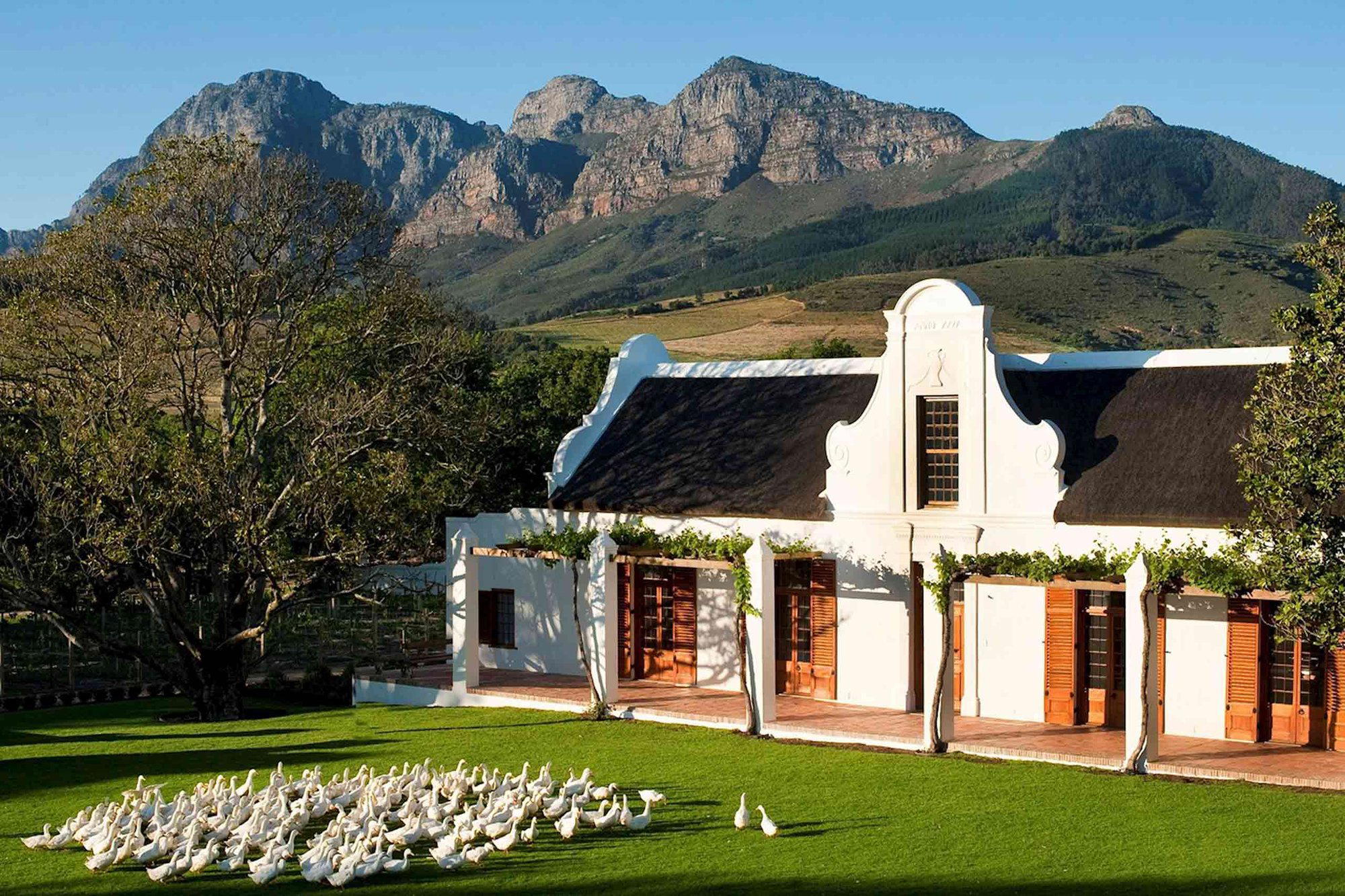
Bars in Paarl
Browse all →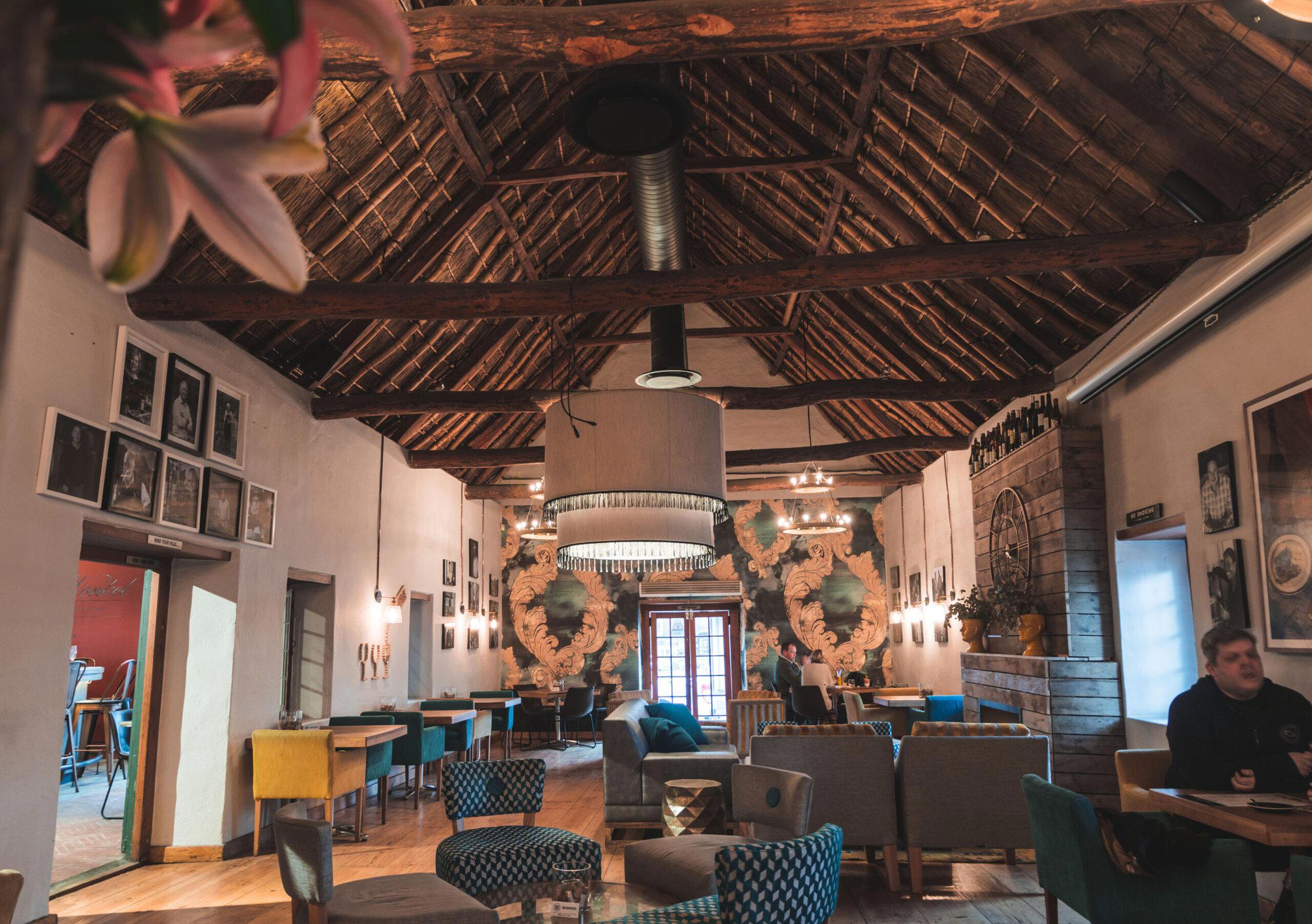
Details
- Scenic
- Rustic
- Cozy
- Romantic
- Intimate
- Group Outing
- Wine Education
- Romantic Getaway
- Family
- Solo Exploration
- Estate Grounds
- Picnic Area
- Garden
- Terrace
- Panoramic View
- Organic
- Sustainable
- Mountain
- Vineyard
- Garden
- Chenin Blanc
- Viognier
- Mourvèdre
- Syrah
- Cabernet Sauvignon
- Still Red
- Still White
- Still Rosé
- Sparkling
- Estate Tasting Flight
- Garden Terrace Tasting
- Picnic Tasting
- English
Relaxed and scenic estate setting with a beautiful garden and vineyard views, outdoor seating under trees, and a laid-back, welcoming atmosphere that emphasizes informative tastings and friendly service.