
Falstaff Winery - Listed
Moreno Coronica is an Istrian estate winery near Umag shaped by terra rossa soils, Adriatic influence, and a tight focus on Malvazija Istarska and Teran. The interest here is not breadth but definition: a family-run cellar, active since 1992 in its modern form, with guided tastings that read the region through local grapes rather than imported prestige varieties.

Pearl is the En Primeur Club membership app — saves, bookings, and concierge access live there. Same editors, same standards.

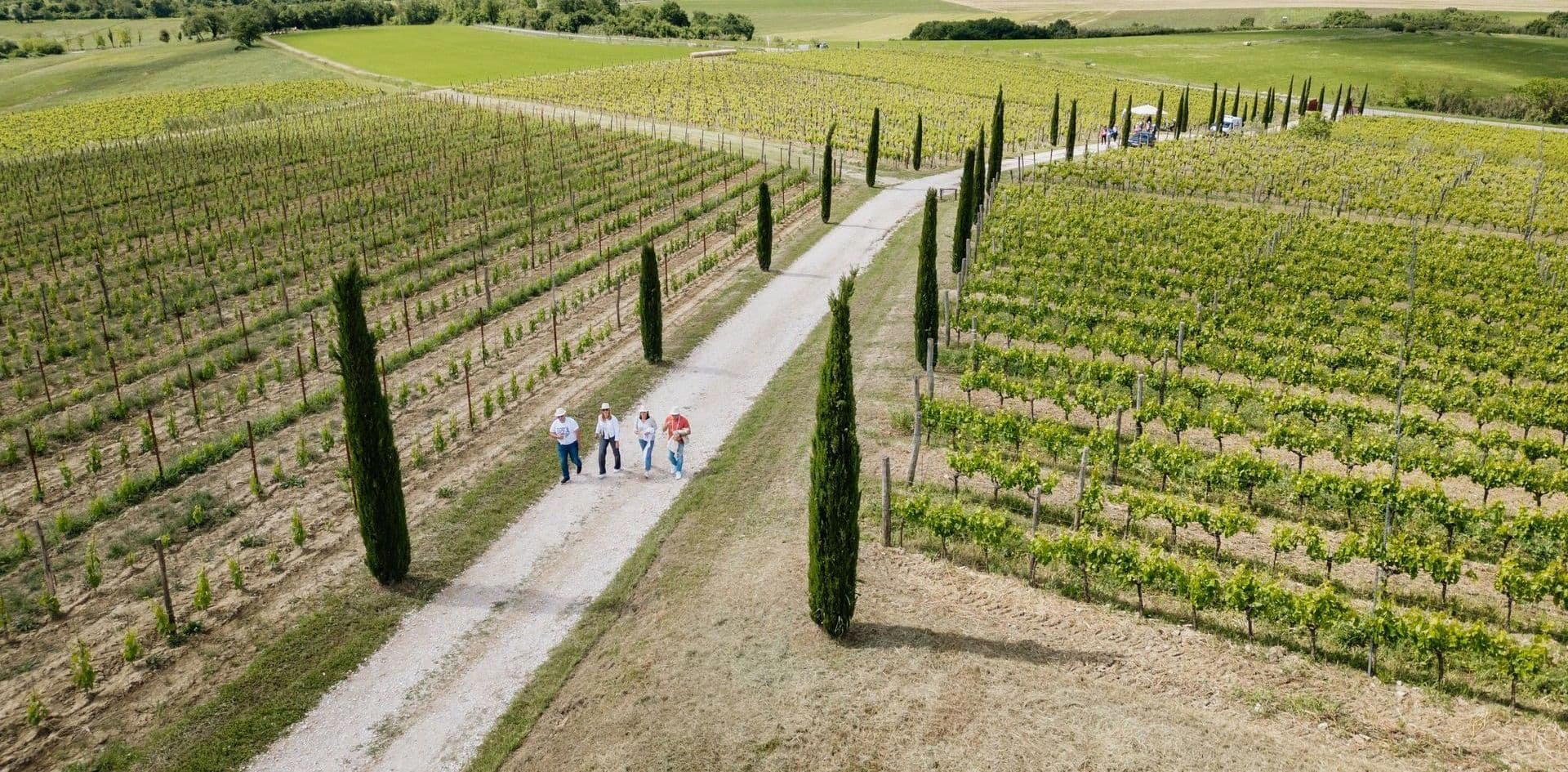
Approaching the vineyards around Umag, the first cue is the soil. Istria’s terra rossa gives the place its visual grammar: red earth, low Mediterranean light, vines set close enough to the Adriatic to make sea influence part of the conversation. Moreno Coronica belongs to the Istrian school that treats wine less as cellar performance and more as an argument for place. The estate’s modern chapter dates to 1992, but its family line reaches back to Giovanni Coronica in the early 20th century, which matters in a region where continuity often carries more weight than scale.
That context explains why the estate’s strongest claim sits with indigenous grapes. Malvazija Istarska accounts for roughly three quarters of the vineyard planting, while Teran supplies the red-wine counterpoint: high-acid, historically difficult, and far less forgiving than international varieties when yields run loose. In Croatian wine, this is a useful distinction. Coastal cellars can chase polished global templates, but Istria’s more convincing estates tend to make their case through Malvazija, Teran, soil, and restraint.
Terra rossa, Malvazija, and the Istrian case for restraint
The house style is built around limiting oak’s volume. Stainless steel appears in the cellar, and the stated philosophy puts varietal character and terroir ahead of wood-derived flavor. That makes sense for Malvazija Istarska, a grape that loses regional precision quickly when handled as a generic full-bodied white. At Moreno Coronica, the point is to keep the grape legible as Istrian rather than merely Mediterranean.
Teran gives the estate a sharper critical edge. The grape can carry acidity, tannin, and rusticity in equal measure, which is why it separates disciplined vineyard work from simple regional enthusiasm. Moreno Coronica’s exposure to yield reduction in Barolo is relevant not as biography for its own sake, but as a technical bridge: a lesson from Nebbiolo country applied to an Istrian red variety with its own structural demands. Cutting clusters to lower yields is not romantic language; it is a viticultural choice that changes concentration, balance, and the credibility of Teran at a serious table.
The portfolio is correspondingly focused. Malvazija Istarska and Teran sit at the center, with Merlot and Cabernet Sauvignon also present, and sparkling wine adding another register. Ottaviano Malvazija carries a family dedication, while Due extra brut shows the cellar is not limited to still wines. The through-line is not novelty. It is the attempt to make Istria’s native varieties read with clarity, without forcing them into an international costume.
A small-estate tasting culture rather than cellar-door theatre
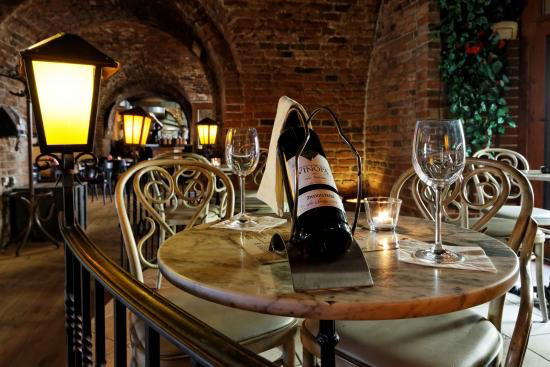
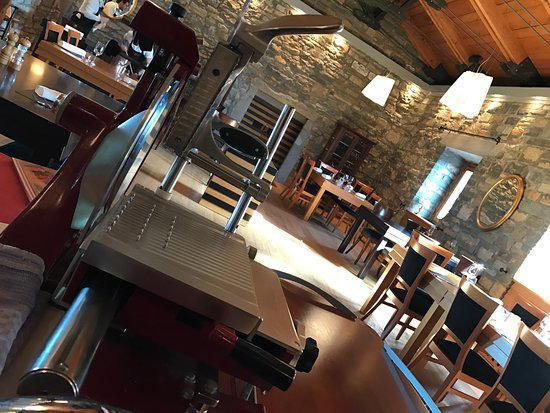
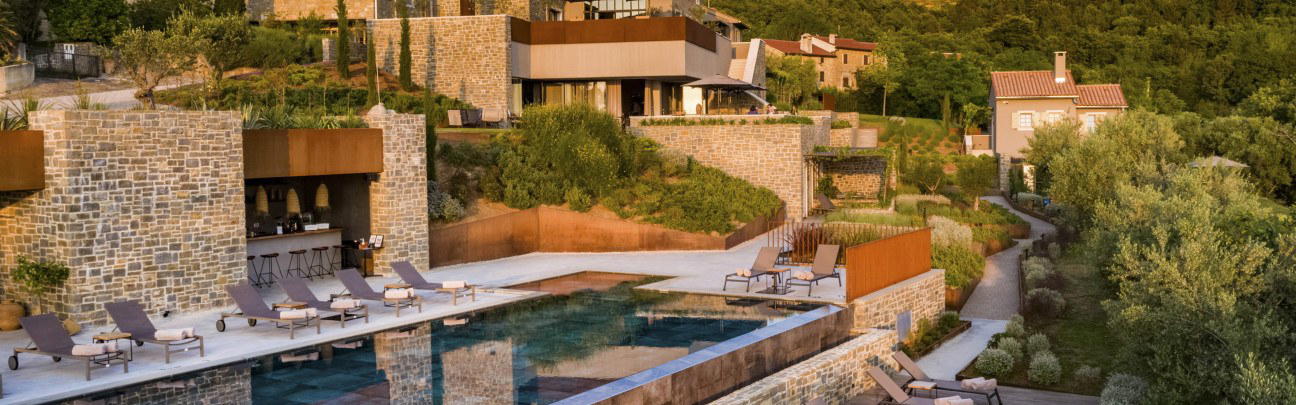
Wine tourism in Istria often splits between scenic hospitality and serious varietal education. This estate sits closer to the latter, though the setting supplies the former without much effort: vineyard views, quiet rural pacing, and contemporary facilities within a family-run property. Tastings are guided, with cellar and private formats part of the experience, and the tone is better suited to guests who want to understand why Malvazija and Teran matter than to those treating the winery as a backdrop between coastal meals.
The format also reflects a broader Croatian pattern. Regions such as Istria, Dalmatia, and Slavonia are increasingly judged by how confidently they interpret local grapes rather than how closely they imitate Bordeaux, Burgundy, or Champagne. For travellers mapping Croatia through wine, it helps to see Umag in relation to the wider national spread: compare the Istrian emphasis here with continental producers such as Adzic in Kutjevo, coastal estates such as Ante Sladić Vino in Skradin, island producers like Bastijana in Hvar, and Dalmatian cellars including Baraka Winery in Sibenik. The grape names change, but the serious question is the same: does the wine make a persuasive claim for its ground?
Within Istria, Moreno Coronica’s identity is especially tied to Umag’s red-soil vineyards and the Adriatic’s moderating presence. Travellers building a local wine itinerary can pair the visit with Cuj Winery, then widen the map through Arman Marijan Winery in Vizinada and Bastian in Buje. For contrast beyond Croatia, the Central European references are instructive: »der Steiner« Hans Steiner in Podersdorf am See and & Handwein in Mannheim sit in different traditions, but they sharpen the same reader question about climate, grape choice, and scale.
How it fits into a sharper Umag itinerary
Umag is often approached as a seaside base first and a wine stop second, but that order undersells the area. The surrounding vineyards give the city a more interesting rhythm than a simple coastal resort reading suggests. A tasting here works well for travellers who want the agricultural Istria behind the beaches: terra rossa, family estates, local grapes, and a slower hospitality register than the waterfront circuit.
Falstaff’s listing and TasteAtlas recognition give the estate broader visibility without turning it into an awards-driven destination. That distinction is useful. The draw is not a trophy wall; it is a clearly articulated Istrian position, sustained by a family estate, a small production scale of roughly 20 to 23 hectares, and a tasting format oriented toward explanation. Travellers planning the city around food, drink, and stays can use our full Umag wineries guide as the anchor, then cross-reference our full Umag restaurants guide, our full Umag hotels guide, our full Umag bars guide, and our full Umag experiences guide. For a wider Croatian cellar map, Bakovic in Supetar adds another island-coastal reference point.
The editorial verdict is direct: Moreno Coronica is for drinkers who want Istria in the glass rather than a generic tasting-room performance. Malvazija provides the estate’s white-wine grammar, Teran gives it tension, and the red earth around Umag supplies the argument beneath both.
Recognition history
Dated appearances from independent guides and award organizations, with the underlying list record or original source where available.
Falstaff Winery - Listed
Falstaff
Continue exploring
More in Umag
Wineries in Umag
All wineries in Umag →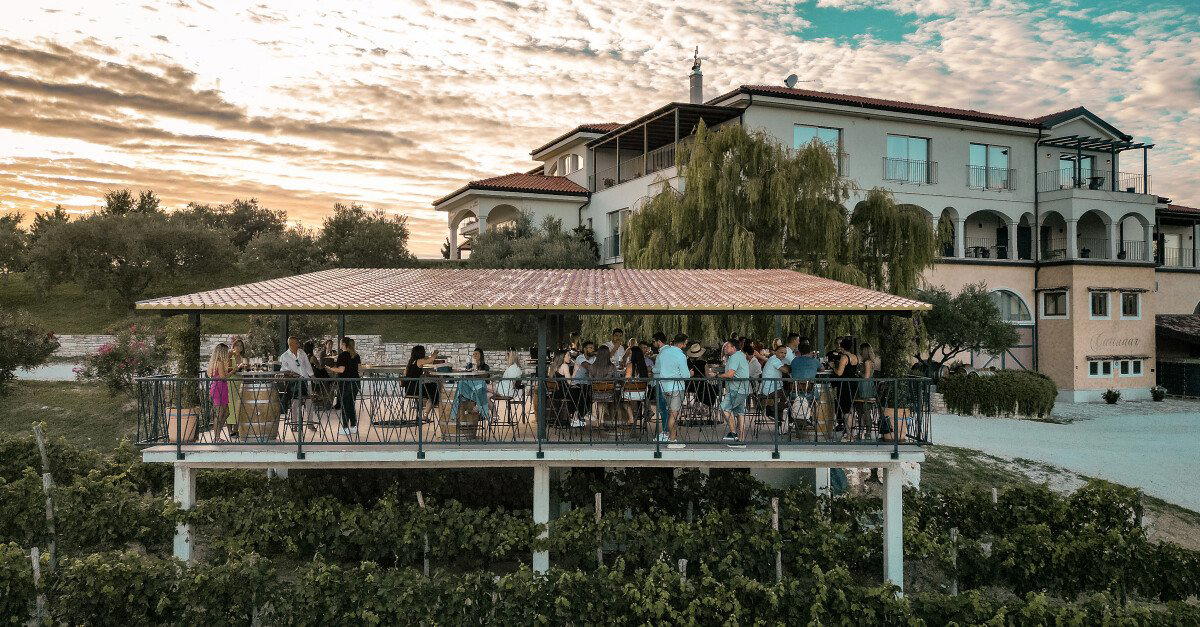
Bars in Umag
Browse all →


Restaurants in Umag
All restaurants in Umag →
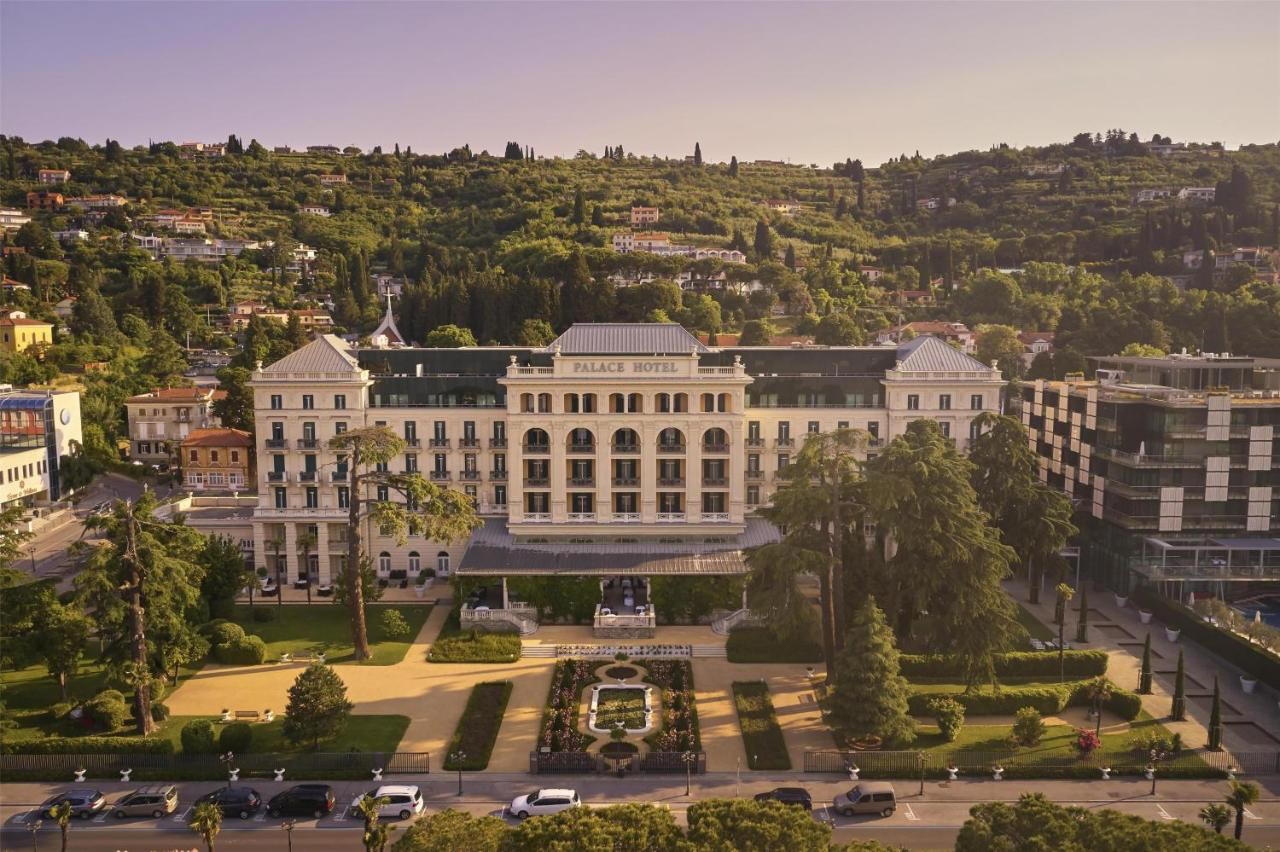
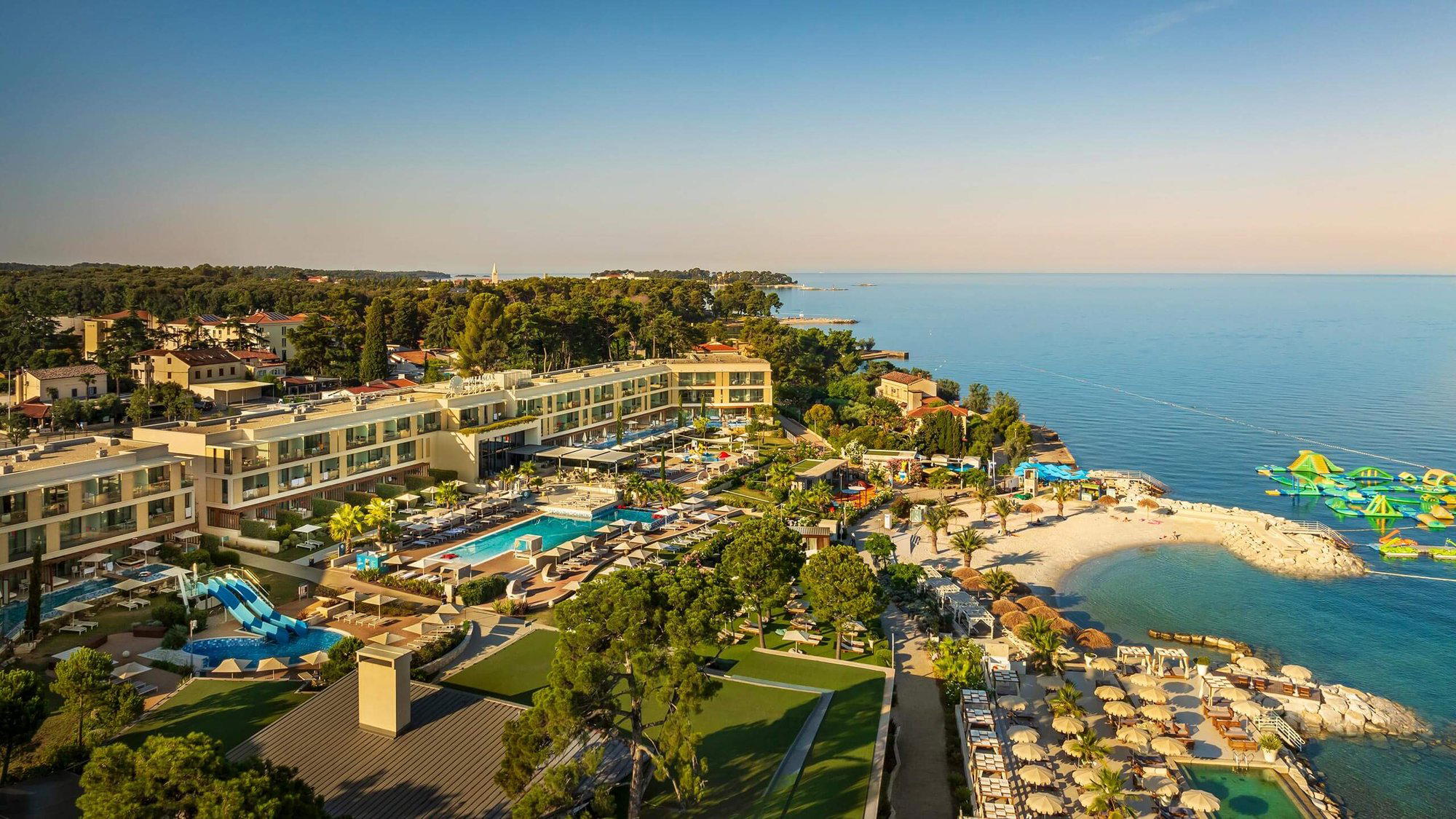
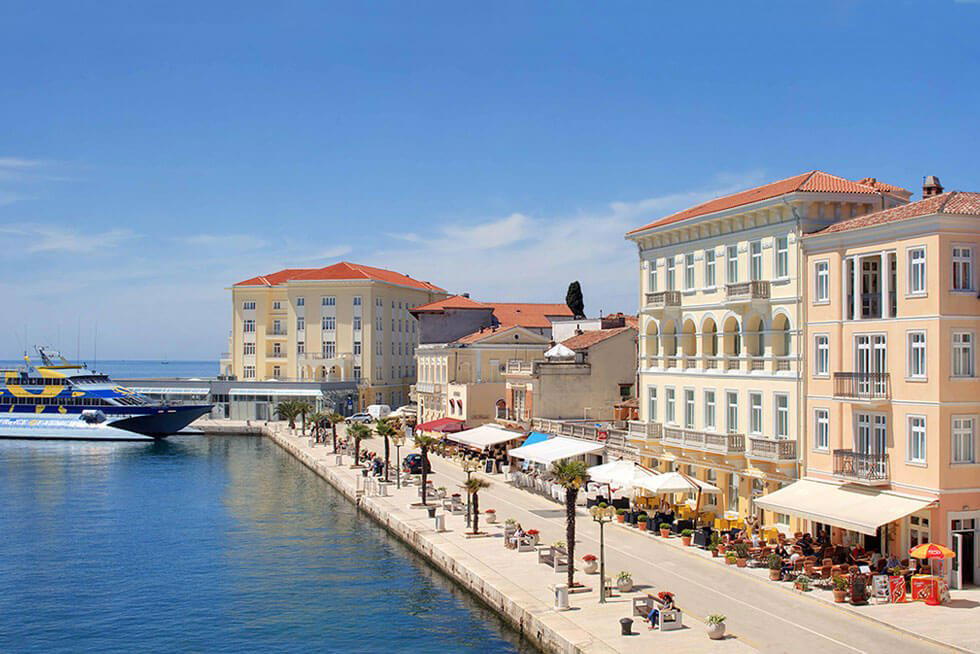
Details
- Scenic
- Rustic
- Elegant
- Intimate
- Romantic Getaway
- Group Outing
- Solo Exploration
- Wine Education
- Special Occasion
- Vineyard Tour
- Estate Grounds
- Private Tasting
- Sustainable
- Vineyard
- Malvazija Istarska
- Teran
- Merlot
- Cabernet Sauvignon
- Still White
- Still Red
- Sparkling
- Guided Tasting
- Cellar Tasting
- Private Tasting
- English
- Croatian
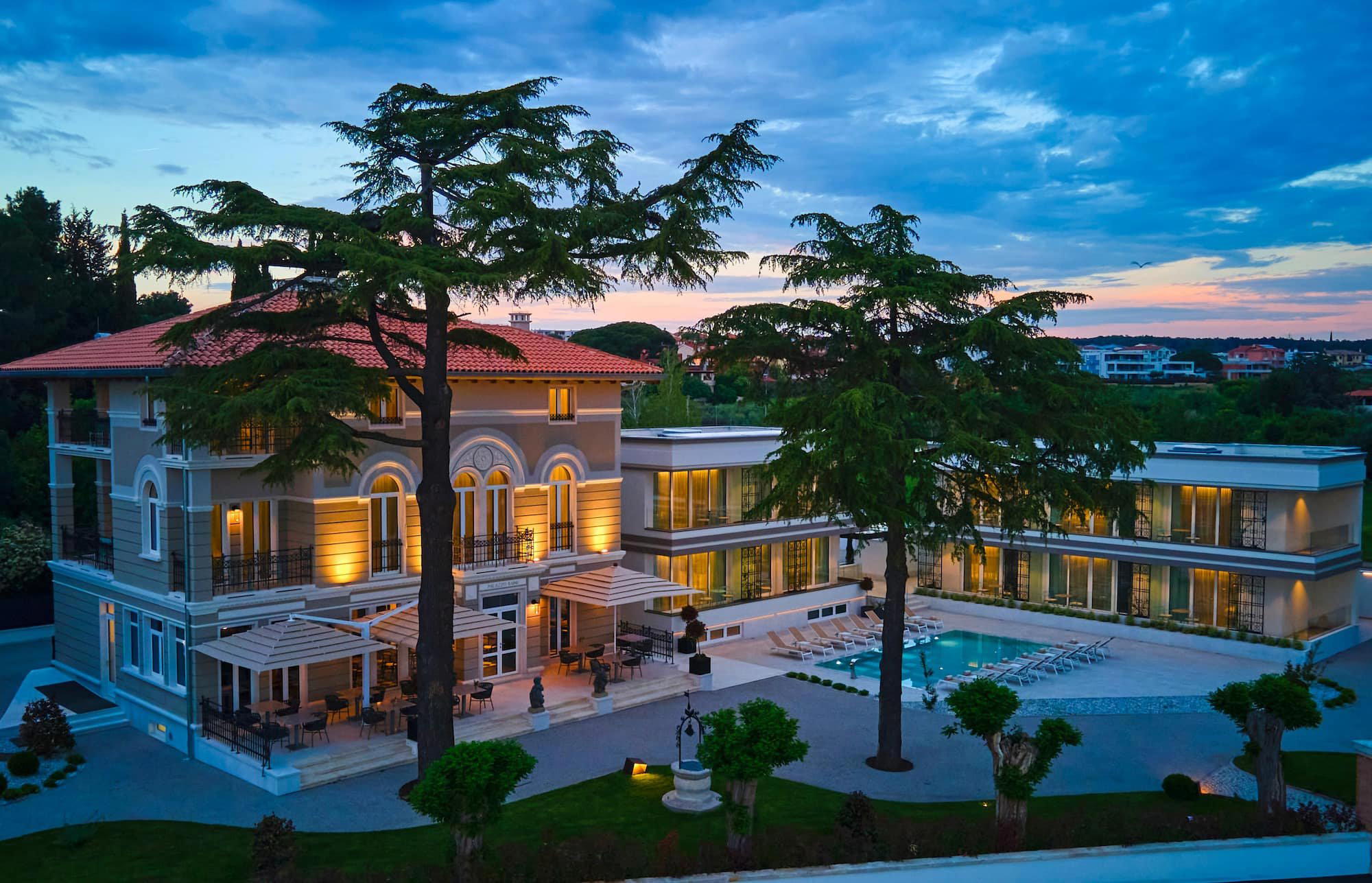
Family-run Istrian estate winery set among terra rossa vineyards near Umag, with contemporary facilities and a warm, hospitable atmosphere that emphasizes authenticity, terroir, and relaxed, informative tastings.