
A Michelin Plate-recognised konoba outside Umag, Buščina has spent three decades grounding its menu in the raw materials that define Istrian cooking: Boscarin beef, langoustine, scallops, Istrian ham, and black truffle. The setting is a restored country house with the ease of a working farm kitchen. At the €€€ price point, it occupies a distinct tier among the region's serious dining rooms.
Pearl is the En Primeur Club membership app — saves, bookings, and concierge access live there. Same editors, same standards.
- Address
- Buščina 18, 52470, Umag, Croatia
- Phone
- +385 52 732 088
- Website
- konoba-buscina.hr
- Directions
- Get directions
 Saves & bookings on Pearl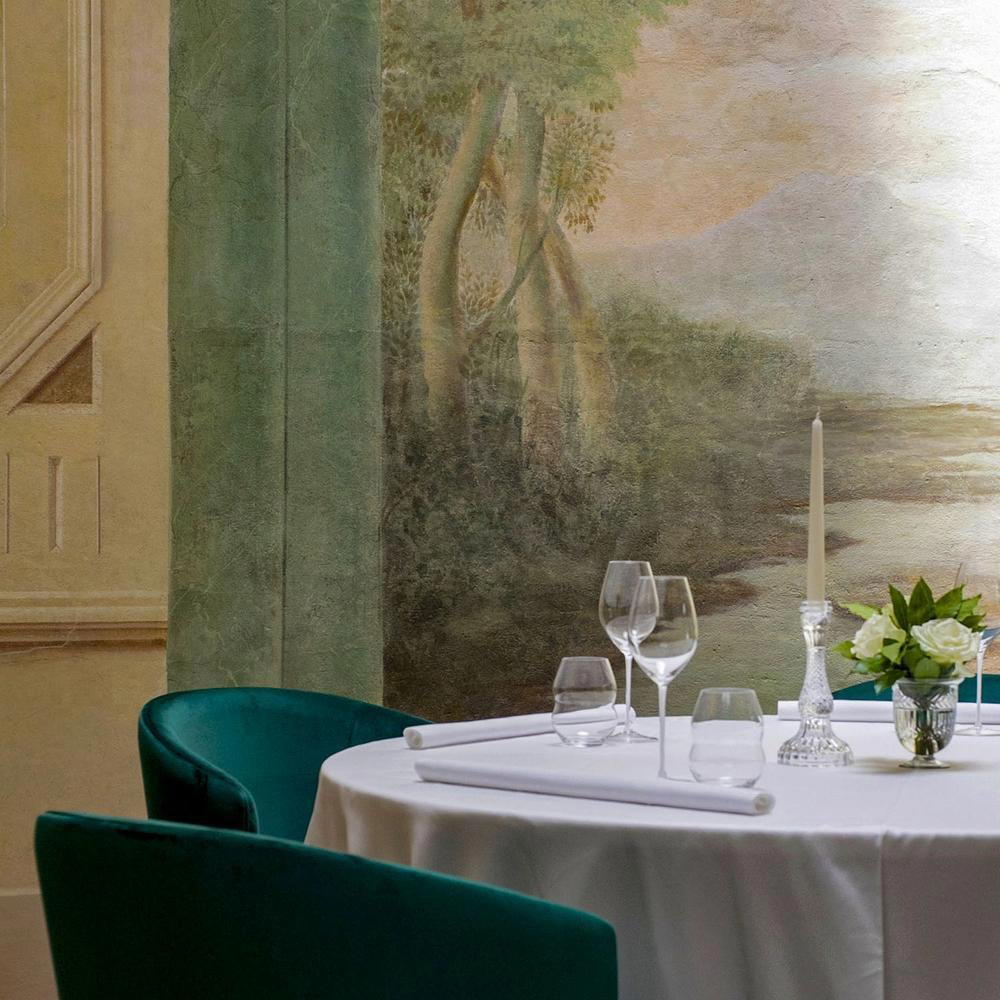
Country House, Istrian Larder
The road out of Umag toward the interior shifts quickly from coast to farmland. Stone walls replace beach bars, the light softens under old oak canopy, and the address at Buščina 18 arrives less as a destination than as a slow reveal. This is Konoba Buščina, a restaurant in Umag serving Traditional Istrian Mediterranean cooking at about $50 per person: a country house that feeds people well because the land around it has always provided the means to do so.
That continuity is not incidental. Konoba Buščina has been in operation for thirty years, a tenure that places it in a different category from the wave of Istrian restaurants that emerged in the last decade chasing Michelin recognition. The 2025 Michelin Plate came to a kitchen that had already built its reputation on something more durable than awards cycles. The Plate designation, which Michelin applies to restaurants serving food of good quality, confirms a standard rather than announcing a discovery.
What the Land and Sea Provide
Istria's food identity rests on a specific convergence: a coastline that produces shellfish and finfish of genuine quality, an interior that has cultivated truffles, cured meats, and heritage beef breeds for generations, and a culinary tradition that treats these materials with enough restraint to let them carry a dish. Konoba Buščina sits squarely inside that tradition.
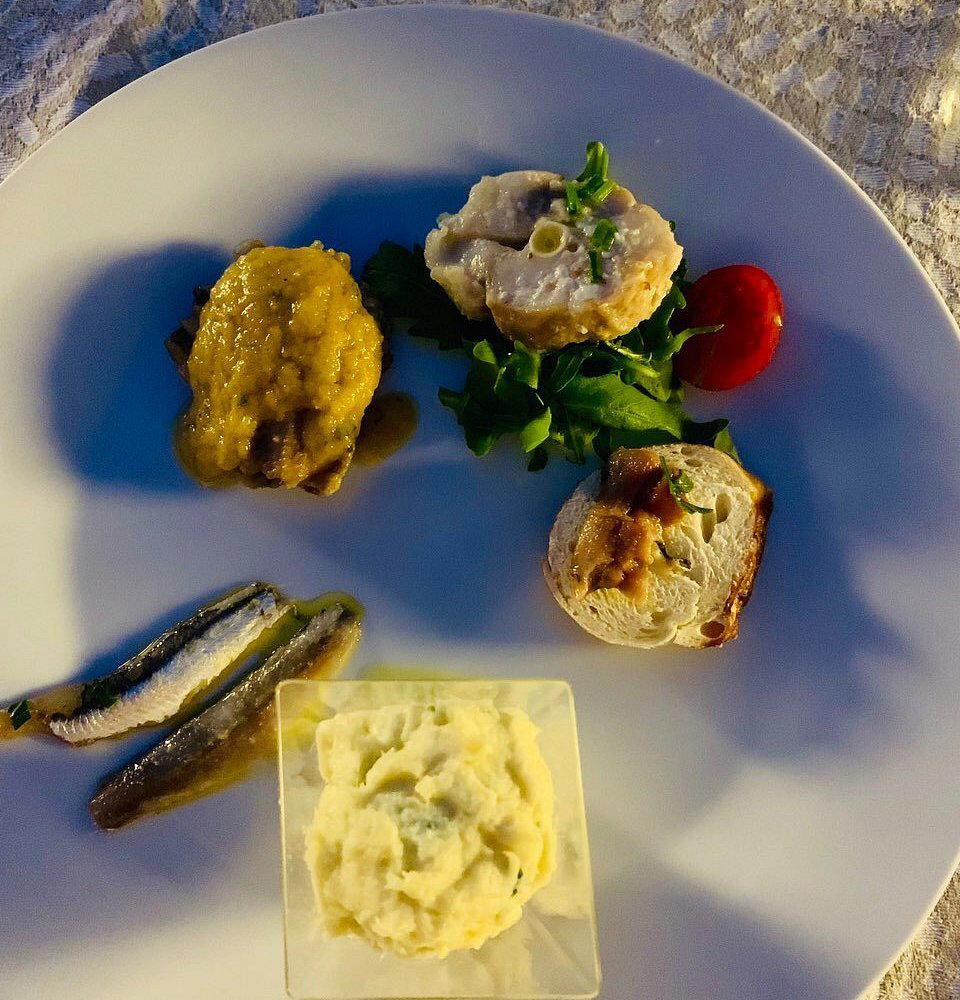
The ingredients on the menu read like a catalogue of the peninsula's most prized produce. Boscarin beef comes from Istria's native grey cattle, a slow-growing breed that produces well-marbled meat with a depth of flavour that imported breeds rarely replicate. Langoustine and scallops arrive from the northern Adriatic, a body of water cold and clean enough to produce shellfish with a firm, briny character. Istrian ham, dry-cured in the region's particular combination of sea air and inland breeze, sits alongside black truffle from the forests around Motovun and Buzet, the significant wild ingredient in the Istrian larder.
The kitchen's approach to these materials is described in the Michelin notes as simple and generous, which is a more precise observation than it sounds. Simplicity here is not a retreat from skill; it is the decision to let a Boscarin cut carry a plate without architectural intervention, to serve langoustine in a format that foregrounds the sweetness of the flesh rather than the technique applied to it. Generosity is its own signal: portions sized to the spirit of a working konoba rather than to the aesthetic economy of fine dining.
This positions Buščina in a recognisable Istrian subcategory, one that includes konobe and rural dining rooms that have sustained serious cooking without migrating toward the tasting-menu format that defines the coast's higher-profile restaurants. For comparison, Agli Amici Rovinj holds two Michelin Stars and operates at the €€€€ level with a contemporary Italian framework; Alla Beccaccia in Valbandon offers another reference point for how Istrian cooking performs at the higher end of the price range. Buščina's €€ positioning and rustic-formal format occupy a different tier, one where the measure of quality is the ingredient rather than the transformation applied to it.
The Room and the Register
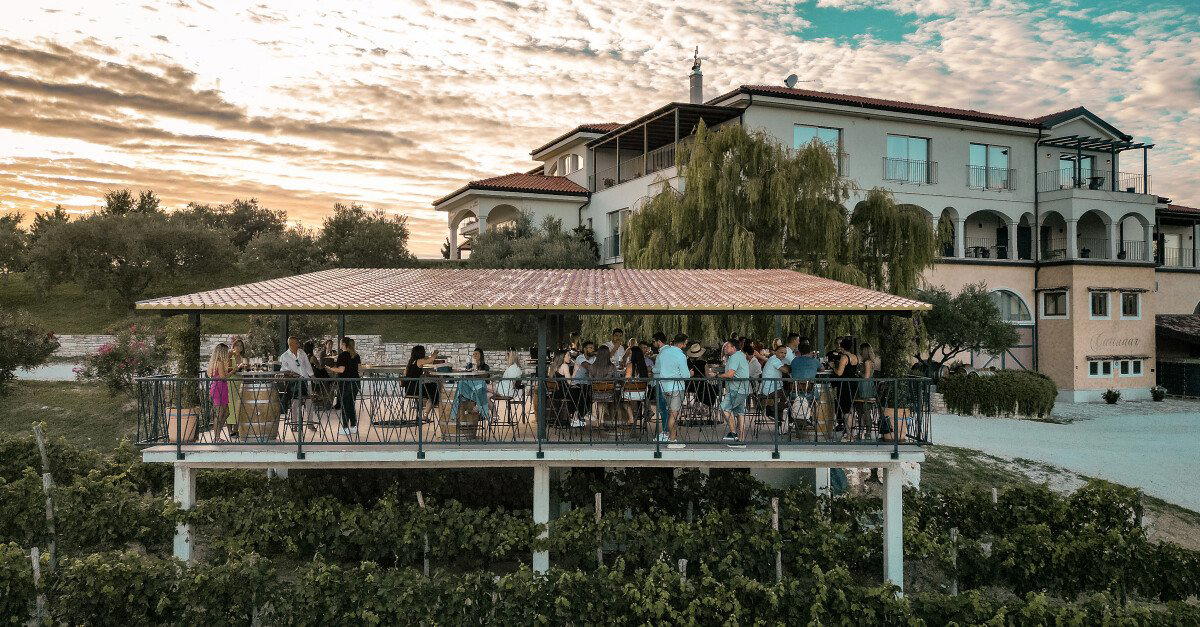
The physical setting amplifies the food's logic. A restored country house carries a different atmosphere from a purpose-built restaurant: lower ceilings, a sense that the walls have absorbed several decades of slow cooking, and a service register that the Michelin entry describes as friendly and pleasantly informal. That informality is calibrated, not accidental. A konoba that has fed guests for thirty years knows how to read a table without hovering over it.
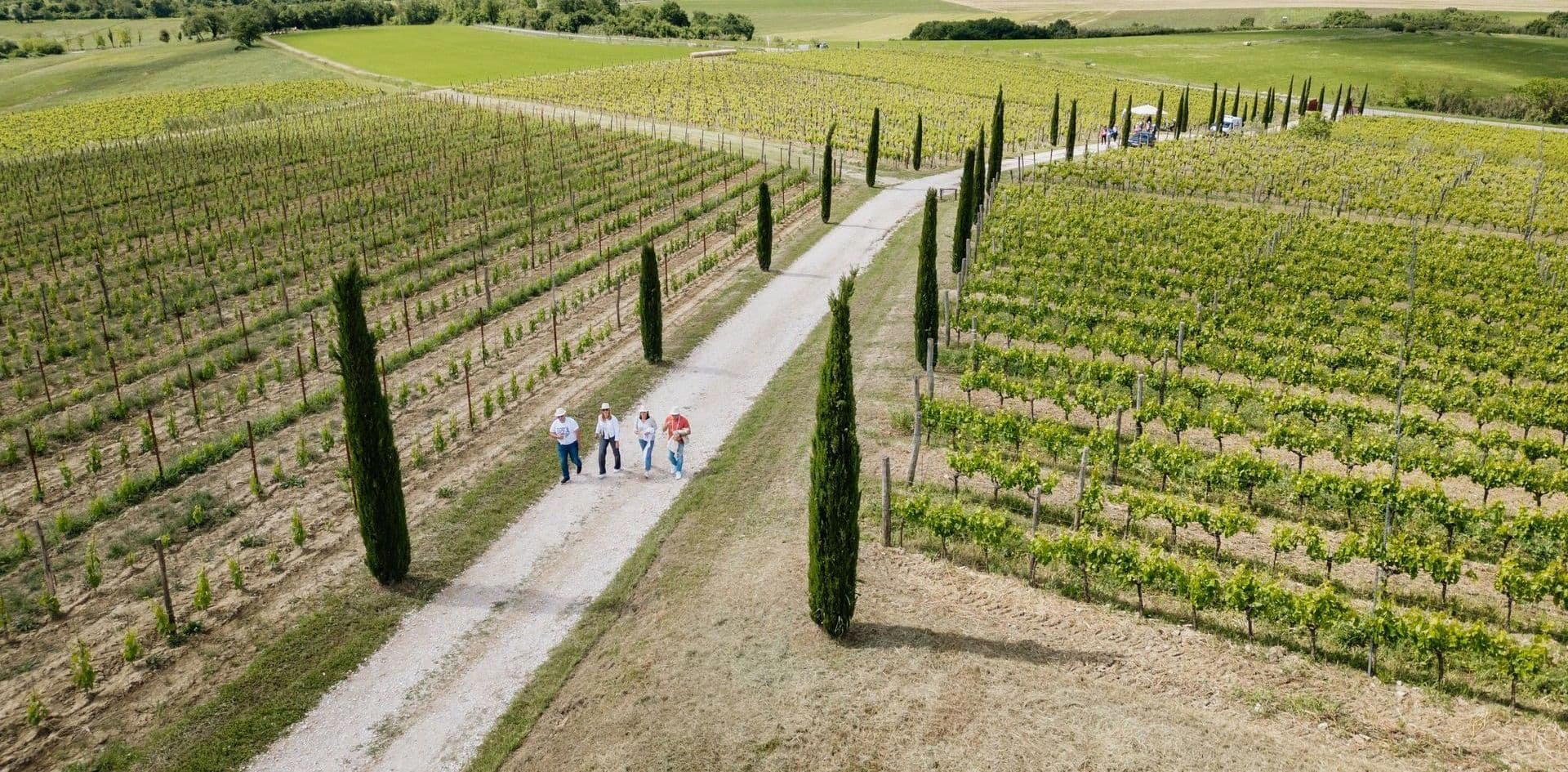
The atmosphere also functions as a counterweight to Umag's coastal summer character, which tilts heavily toward tourist traffic and waterfront terrace dining. Sitting a few kilometres outside the town centre places Buščina in a different rhythm, one suited to a long lunch that extends into the afternoon rather than a quick cover-turn dinner. For visitors arriving from the coast, the short drive inland also reorients the experience toward Istria's agricultural identity, which is as defining as its Adriatic one.
Buščina in the Croatian Dining Picture
Croatia's serious restaurant scene has expanded considerably over the past decade, with Michelin coverage now extending across the coast and islands. Pelegrini in Sibenik and Restaurant 360 in Dubrovnik represent the starred tier at €€€€. Nebo by Deni Srdoč in Rijeka, LD Restaurant in Korčula, Krug in Split, Boskinac in Novalja, Korak in Jastrebarsko, Dubravkin Put in Zagreb, and Alfred Keller in Mali Lošinj illustrate the range of format and geography now covered. Buščina's significance within that picture is not as a high-concept destination but as evidence that the konoba tradition, when grounded in genuinely good sourcing and consistent execution, earns recognition on its own terms.
Among Michelin-acknowledged restaurants that hold to a traditional rather than modernist framework, this is a reasonably small cohort in Croatia. The comparison to Auberge Grand'Maison in Mûr-de-Bretagne and Auga in Gijón is instructive: across different European traditions, certain restaurants earn their place in the Michelin record by staying close to regional ingredient identity rather than by chasing contemporary technique. Buščina belongs in that company.
Planning a Visit
The restaurant sits at Buščina 18, a short drive from central Umag into the Istrian interior. Given,200 reviews and a reservation policy that recommends booking ahead, the €€ price range places it above casual konoba territory but below the starred restaurants that anchor the higher end of the regional market. Dress is smart casual; the atmosphere suits families and long group tables as comfortably as couples.
A Quick Peer Check
Comparable venues nearby, for context on price, style, and recognition.
| Venue | Cuisine | Price | Awards | Notes |
|---|---|---|---|---|
| Konoba Buščina | Traditional Istrian Mediterranean | $$ | Michelin Plate | Buščina |
| Nono | Traditional Istrian | $$ | Not listed | Petrovija |
| Toni | Fresh Seafood Mediterranean | $$ | Not listed | Zambratija |
| Don Dino Restaurant | Modern Dalmatian Seafood | $$ | Not listed | Trogir Old Town |
| Badi | Traditional Istrian Seafood | $$$ | Michelin Plate | Lovrečica |
| Morgan | Traditional Istrian Seasonal Cuisine | $$$ | Michelin Plate | Brtonigla |
Recognition history
Dated appearances from independent guides and award organizations, with the underlying list record or original source where available.
Michelin Plate
Michelin · 2026 Michelin Plate
Michelin Plate
Michelin
Michelin Plate
Michelin
Continue exploring
More in Umag
Restaurants in Umag
Browse all →
Bars in Umag
Browse all →
Hotels in Umag
Browse all →

At a Glance
- Rustic
- Cozy
- Intimate
- Date Night
- Family
- Group Dining
- Special Occasion
- Historic Building
- Extensive Wine List
- Local Sourcing
Current opening hours
- Monday
- Closed
- Tuesday
- Closed
- Wednesday
- 1–10 PM
- Thursday
- 1–10 PM
- Friday
- 1–10 PM
- Saturday
- 1–10 PM
- Sunday
- 1–6 PM
Hours can change for holidays and private events. Last verified .
Warm rustic atmosphere with exposed stone, wooden beams, atmospheric lighting, and a fireplace creating a cozy and inviting setting.