Louis Liesch Bioweinbau

Falstaff Winery - 2 Stars
Louis Liesch Bioweinbau is a small biodynamic winery in Malans, shaped by Graubünden’s alpine vineyard culture rather than polished wine-tourism theatre. Its defining signals are Demeter-certified biodynamic farming, a compact 2–3 hectares under vine, and a focused AOC Graubünden portfolio led by Pinot Noir alongside local white varieties.

Pearl is the En Primeur Club membership app — saves, bookings, and concierge access live there. Same editors, same standards.
- Address
- Malans, canton of Grisons, Schweiz

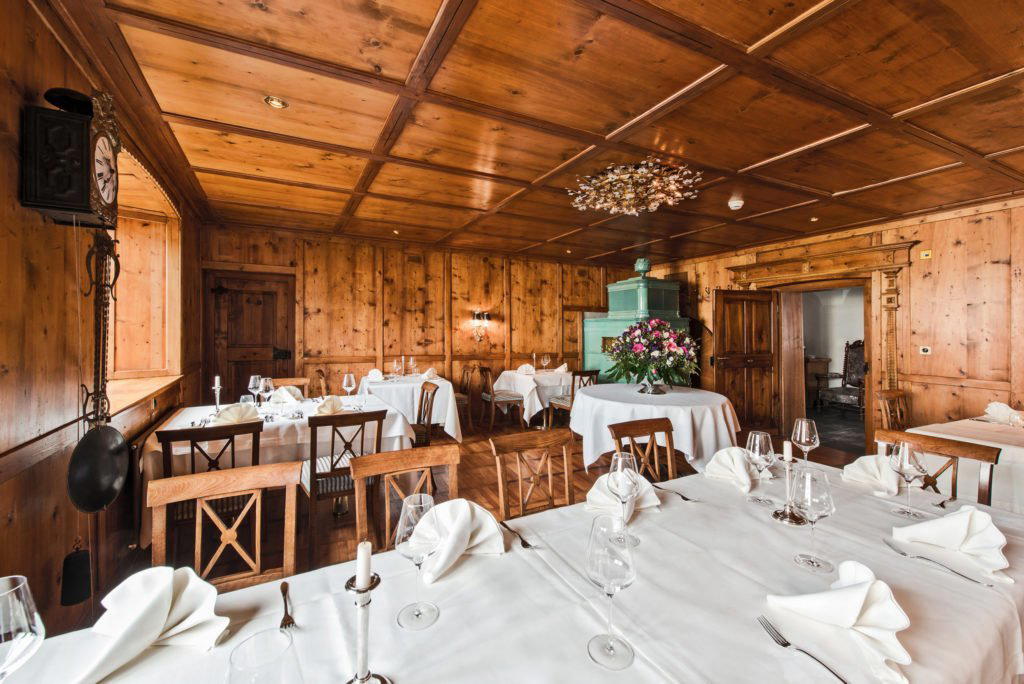
Louis Liesch Bioweinbau in Malans is best approached as a small, family-run biodynamic winery rather than as a polished tourist stop. The picture is intentionally modest: a down-to-earth estate with a quiet, rustic and scenic character, focused on craftsmanship and close contact with visitors. For readers using EP Club to understand premium places without inflated claims, that restraint is the point. The appeal here is not a long list of public-facing amenities, celebrity names or elaborate hospitality formats; it is the character of a hidden-gem winery in Malans whose identity is rooted in biodynamic work and family scale.
It is a classic, quiet Malans address with a grounded tone. The name itself points to organic winegrowing, and the venue profile confirms a biodynamic winery rather than a conventional cellar or a restaurant-style experience.
Biodynamic Malans, measured through a small cellar
Within Malans, Louis Liesch Bioweinbau stands out as a small biodynamic producer with a quiet and family-run identity. That gives the estate a different kind of premium signal from venues built around spectacle. The emphasis is on craft, farming philosophy and direct human contact rather than large-scale visitor infrastructure. For wine travellers, that can be more valuable than a highly staged experience: the setting invites attention to how a small winery presents itself, how it communicates its work, and how closely the people behind the estate remain connected to the place.
What is clear is the biodynamic frame. In practical editorial terms, that means the venue should be understood through agricultural intent and artisanal scale, not through invented tasting notes or rankings. A biodynamic claim can easily be overused in wine writing, but here it is part of the core identity of the venue.
The price level is listed as $$, which places expectations in a moderate premium range without allowing a more specific budget claim. No exact tasting fee, bottle price or menu-style offer. Visitors should therefore avoid relying on assumptions about costs beyond that broad $$ signal. The safest expectation is a small, craft-led winery in Malans with a quiet, personal character.
The useful comparison is therefore not another named producer but the broader idea of small places where the experience depends on character, craft and local setting rather than scale.
What the experience tells you about the wine
The experience language that can be stated with confidence is simple: Louis Liesch Bioweinbau is small, family-run, biodynamic, rustic, scenic, quiet and down-to-earth. That distinction matters because premium venue guides often overstate winery hospitality. In this case, the grounded reading is more modest and more useful.
Close contact with visitors is part of the identity, but the exact format of that contact is not specified. Instead, the editorial takeaway is that the estate’s small scale and family-run nature suggest a personal, craft-focused encounter when contact is available.
The atmosphere is one of the clearest strengths. Rustic, scenic and quiet are not minor descriptors; they set expectations for the type of premium experience on offer. This is a place for visitors who value discretion, calm and a sense of being close to the work of a small biodynamic winery. It is less suited to anyone looking for a heavily programmed hospitality venue, a high-energy social scene or a polished tourist infrastructure.
That is not a weakness in the venue; it is simply the responsible boundary of the guide. The impression remains clear: Louis Liesch Bioweinbau is a quiet Malans winery with a family-run biodynamic identity and a craft-first atmosphere.
Where it sits in the wider Swiss biodynamic conversation
Louis Liesch Bioweinbau’s place in a broader wine conversation rests on its character rather than on unconfirmed accolades. Its editorial value comes from being a small, family-run biodynamic winery in Malans with a hidden-gem quality and a classic, down-to-earth feel.
That makes the venue useful for readers who care about the human scale of wine. Biodynamic farming, family operation and close visitor contact are enough to define a meaningful premium address without adding unsupported details. The strongest language here is not about luxury, exclusivity or technical claims; it is about craft, quietness and the appeal of a scenic small winery whose identity remains close to its place.
For an EP Club reader, the practical conclusion is direct. Choose Louis Liesch Bioweinbau if you want a modest, craft-led biodynamic winery in Malans rather than a broad hospitality complex. Treat the $$ price level as a general guide only. Confirm visit details directly, and let the attraction be what: a rustic, quiet, family-run estate with a quietly pioneering atmosphere and a close connection between winery, visitors and craft.
Recognition history
Dated appearances from independent guides and award organizations, with the underlying list record or original source where available.
Falstaff Winery - 2 Stars
Falstaff
Details
- Rustic
- Scenic
- Quiet
- Classic
- Intimate
- Romantic Getaway
- Group Outing
- Solo Exploration
- Wine Education
- Estate Grounds
- Vineyard Tour
- Private Tasting
- Organic
- Biodynamic
- Sustainable
- Vineyard
- Mountain
- Pinot Noir
- Riesling Sylvaner
- Chardonnay
- Pinot Gris
- Pinot Blanc
- Cabernet Jura
- Still Red
- Still White
- Still Rosé
- Cellar Tasting
- Estate Visit
- Pre Booked Tasting
- German
Small, family-run biodynamic winery with a down-to-earth, quietly pioneering atmosphere, focused on craftsmanship and close contact with visitors rather than a polished tourist infrastructure.