Longview Vineyard

Longview Vineyard sits in Macclesfield in the Adelaide Hills, where cool-climate wine, estate hospitality and wide vineyard views are treated as one proposition rather than separate attractions. The family-owned estate, established in 1995, combines cellar door tastings, food pairing formats, accommodation, a day spa and event spaces, with particular emphasis on fresh, expressive styles from a single-vineyard setting.
Pearl is the En Primeur Club membership app — saves, bookings, and concierge access live there. Same editors, same standards.
- Address
- 154 Pound Rd, Macclesfield SA 5153, Australia
- Phone
- +61 8 8388 9694
- Website
- longviewvineyard.com.au
- Directions
- Get directions
 Saves & bookings on Pearl
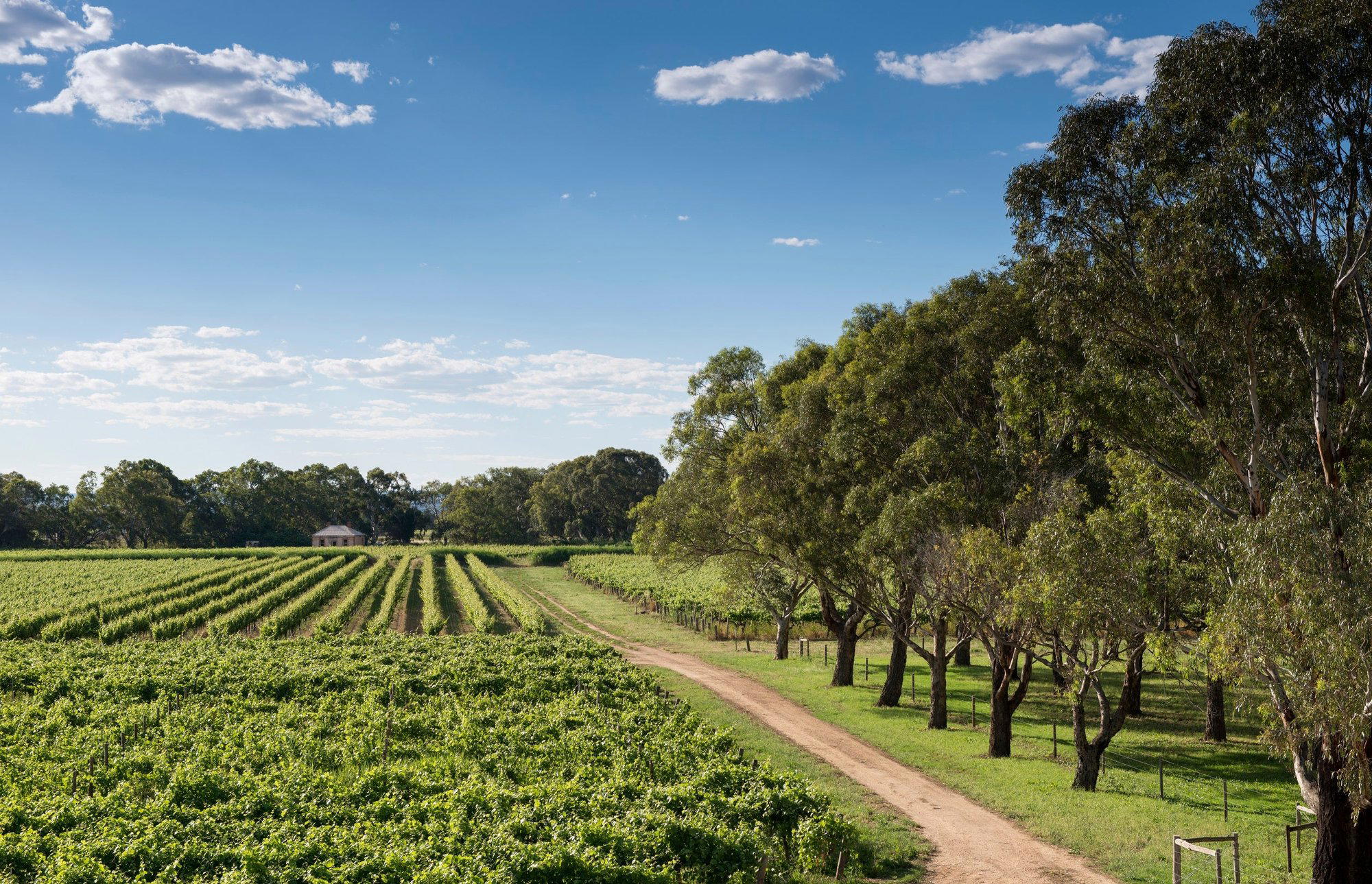
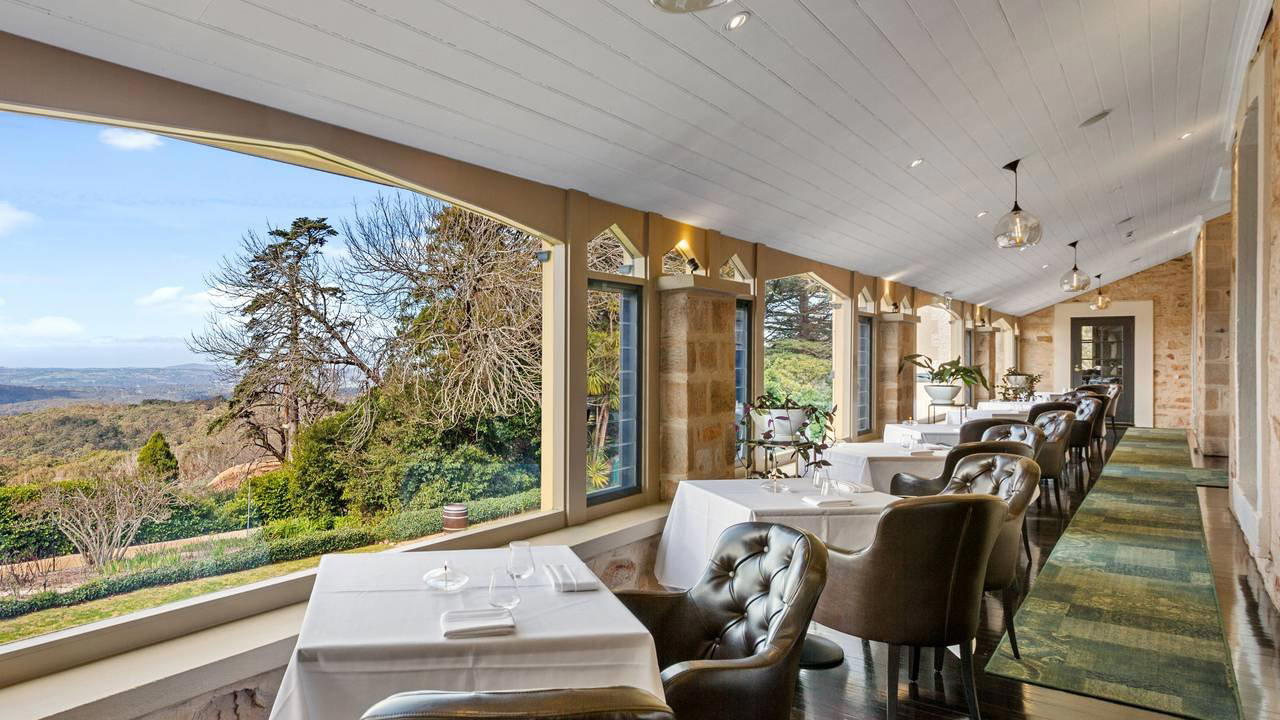
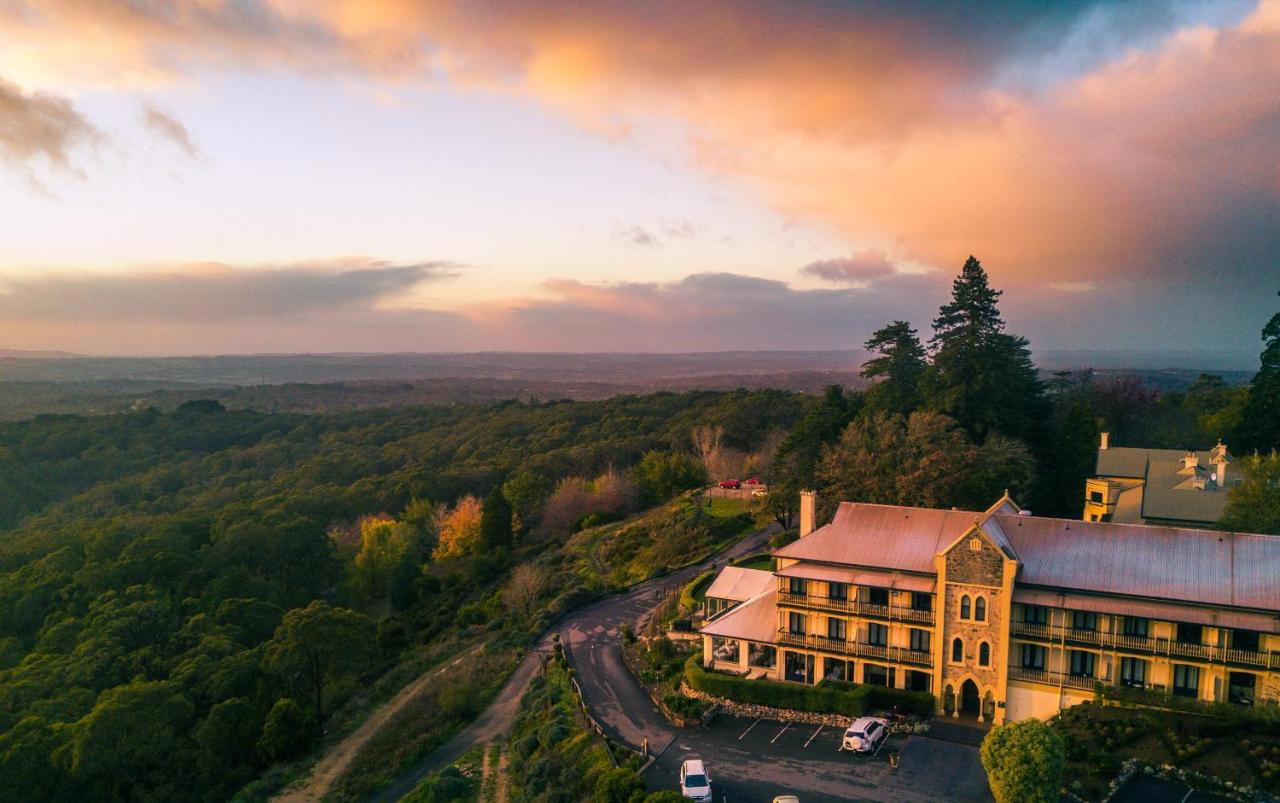
Approaching the Adelaide Hills through Macclesfield, the mood shifts from regional town rhythm to estate tempo: open slopes, vineyard rows, garden views and rural quiet suited to a long lunch or tasting. Longview Vineyard works in that register. It is not just a cellar door with scenery; it fits the South Australian wine-tourism model where vineyard, restaurant space, accommodation, spa and event infrastructure share one rural frame.
That matters in the Adelaide Hills, whose appeal rests on cool-climate freshness and landscape-driven hospitality rather than cellar-door theatrics. The family-owned estate dates to 1995 and sits on Permamangk Land. Its identity is built around wine encountered several ways: in a glass at the cellar door, with food, on a group outing, or during an overnight stay among the vines.
Cool-climate wine with a hospitality estate around it
The Adelaide Hills has long countered the heavier South Australian red-wine stereotype. Altitude, changeable weather and cooler growing conditions support aromatic whites, structured but fresher reds and growing interest in varieties beyond familiar cellar staples. Longview’s listed varietals show that: Shiraz and Cabernet Sauvignon appear alongside Nebbiolo, Barbera, Grüner Veltliner and Sauvignon Blanc. The mix says more about the regional conversation than any single bottle, placing the estate in a climate where acidity, perfume and texture can matter as much as density.
The estate is described as a medium, estate-grown single vineyard of about 60 hectares, producing roughly 20,000 dozen annually. That puts it beyond hobby-farm scale while keeping identity tied to a defined vineyard, not broad anonymous sourcing. For travellers, the distinction is useful: the visit has agricultural scale, but remains personal enough for guided tastings, private tastings and food-and-wine pairing formats.
Current portfolio spans still red, still white, rosé and sparkling styles, with Twin Palms Pinot Noir singled out in recent estate messaging. Its profile is bright red-fruit and earthy, with cherry, raspberry, plum and mushroom notes, and the release is linked to one of the driest vintages in recent memory. That gives the clearest window into house style: freshness is not an afterthought, even in a dry season.
Winery also describes its wines as award-winning, though the stronger editorial point is how recognition feeds a broader guest economy. A cellar door can sell wine; a developed estate can turn a tasting into a stay, meal, wedding weekend or repeat purchase through wine club and loyalty structures. Longview’s Vista Wine Club and points-based loyalty program show how the modern regional winery operates as producer and direct-to-consumer hospitality brand.
The estate format suits slow visits, groups and wine-led weekends
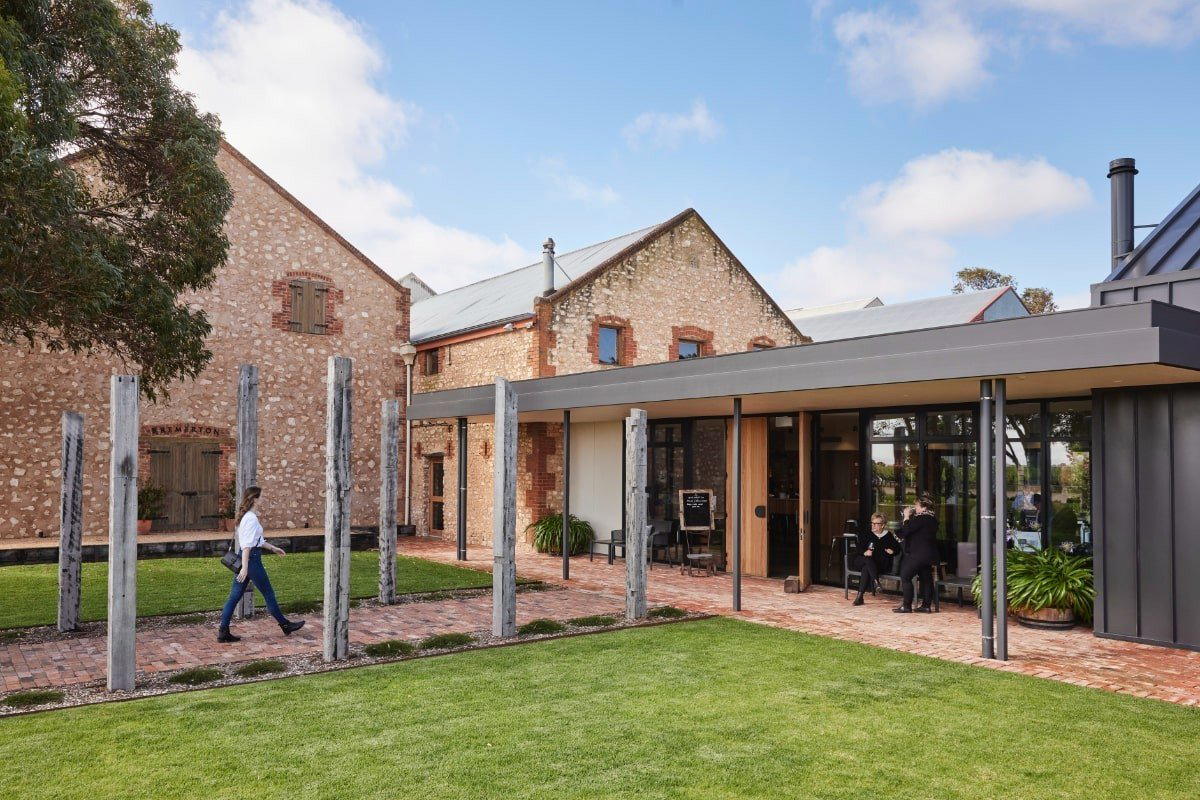
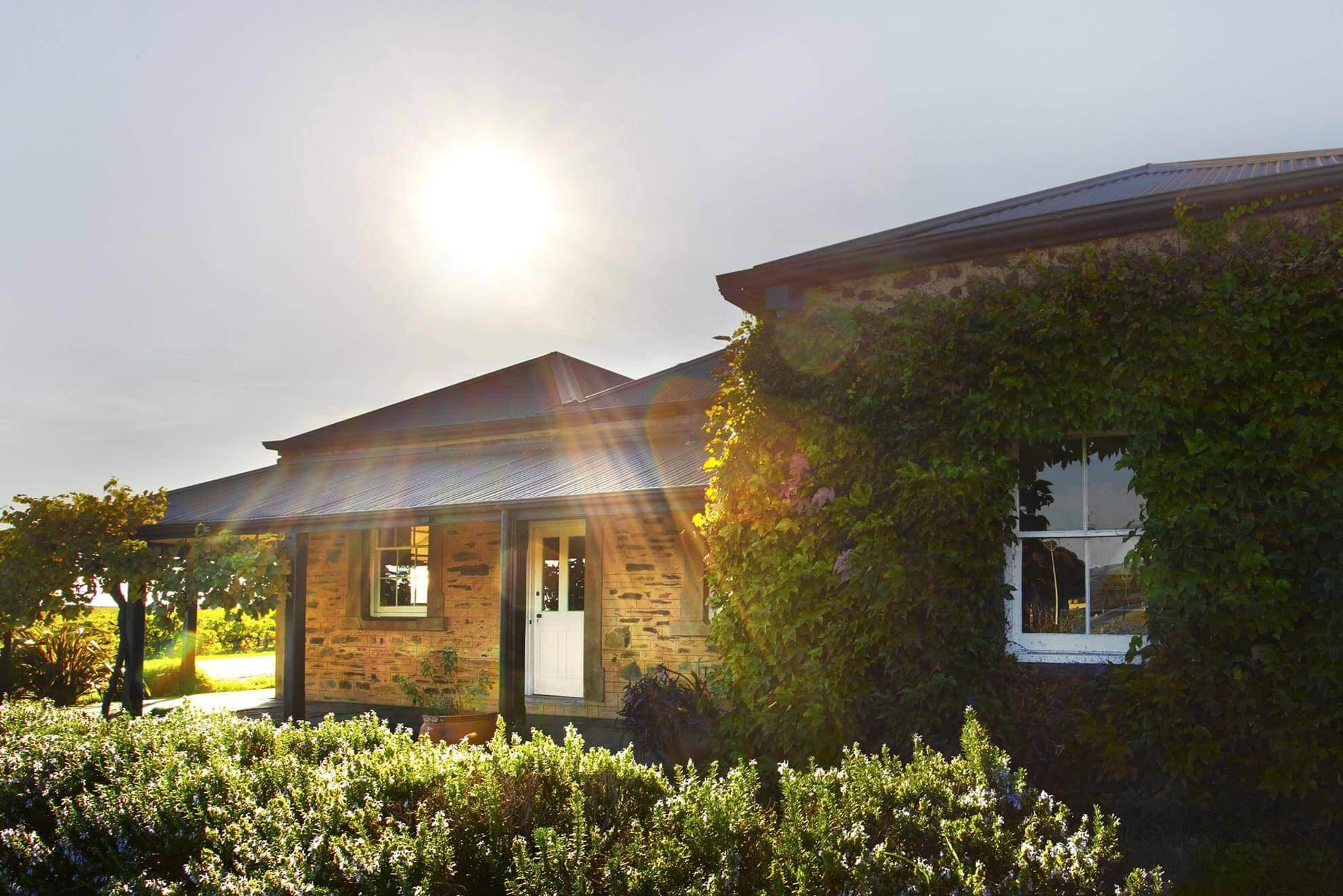
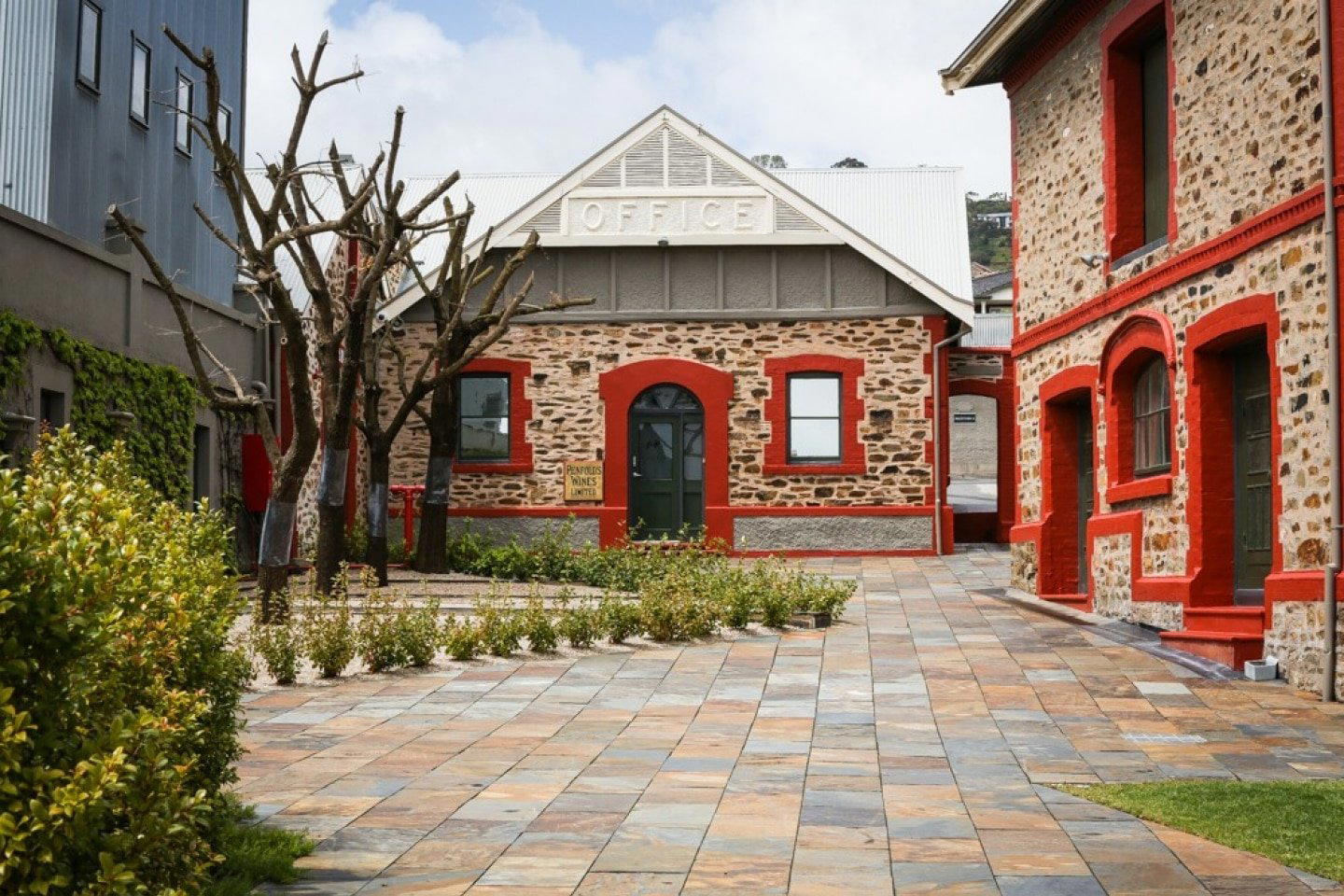
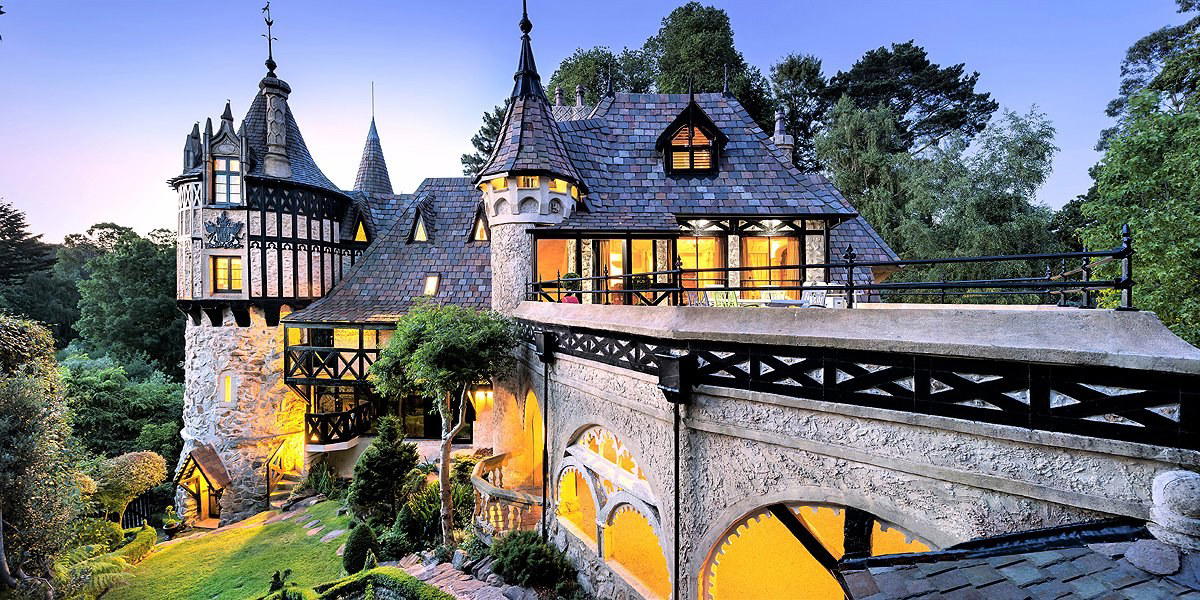
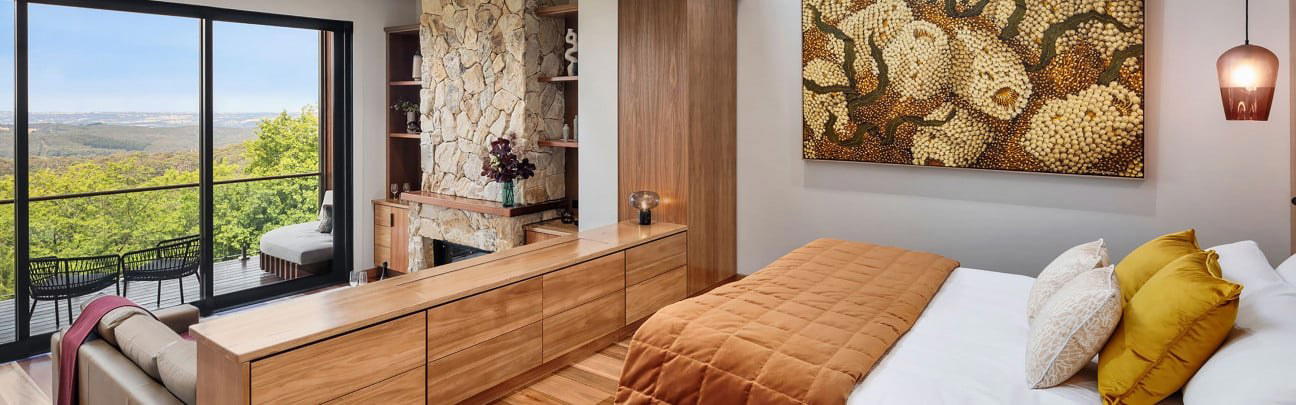
Atmosphere is rural, polished and relaxed rather than formal. Vineyard, mountain and garden views define the setting, while heritage buildings and contemporary accommodation extend the property beyond a tasting counter. Noise levels are conversational, dress is casual, and the mood suits couples, families, corporate groups and celebrations without forcing one occasion type.
Food matters because the estate is built for more than quick pours. Cellar door tastings, guided tastings, food-and-wine pairings and private tasting options offer several ways to read the wines against the site. That is especially relevant for Nebbiolo, Barbera and Grüner Veltliner, which can show differently with food than in a rapid lineup. In a region where acidity and aromatic lift are central, pairing formats make the wines easier to understand.
Longview also has the infrastructure to make wine country a day-to-night proposition: on-site accommodation rated at, a day spa, restaurant space, outdoor seating and event areas. Annual programming adds another layer, including a Father’s Day lunch format with wine, food, live music and children’s activities. That family-friendly dimension broadens the estate beyond couples’ weekends and serious tasting groups into the more flexible reality of regional travel.
For readers mapping a wider Macclesfield trip, treat the estate as an anchor rather than a quick stop. Build dining research through Our full Macclesfield restaurants guide, compare stays via Our full Macclesfield hotels guide, and keep evening plans in view with Our full Macclesfield bars guide. Wine-focused travellers should also scan Our full Macclesfield wineries guide, while broader cultural planning belongs in Our full Macclesfield experiences guide.
How to read Longview within Australian wine travel
Australian wine tourism now splits between production-first cellar doors, urban brand rooms and destination estates built for longer dwell time. Longview sits firmly in the destination-estate camp. The draw is not only what is poured, but how vineyard setting, accommodation, wellness and event use change the pace. It suits travellers who want the Adelaide Hills to feel residential for a night or afternoon, not just sampled between stops.
The estate’s single-vineyard positioning, medium production scale and sustainable production philosophy give it enough wine substance to avoid becoming scenery with bottles. Meanwhile, the hospitality offer keeps the experience accessible to mixed groups where not everyone wants a technical viticulture seminar. That balance is its strongest editorial argument: serious wine drinkers get regional and varietal material to discuss, while everyone else has reason to stay seated.
For broader Australian wine context, related reading can stretch from urban and regional labels such as 19 Crimes in Southbank, Accolade Fine Wines in Melbourne, Adelina Wines in Clare Valley, Alice Springs Brewing Co in Alice Springs, Alkina Estate in Greenock, Alkina Wine Estate in Barossa Valley, All Saints Estate in Rutherglen and Allegiance Wines in Alstonville. Internationally minded readers can compare smaller European listings such as »der Steiner« Hans Steiner in Podersdorf am See and & Handwein in Mannheim, useful contrasts for how wine hospitality changes between rural estates and compact cellar-door cultures.
Recognition history
Dated appearances from independent guides and award organizations, with the underlying list record or original source where available.
Falstaff Winery - Listed
Falstaff
Continue exploring
More in Macclesfield
Wineries in Macclesfield
Browse all →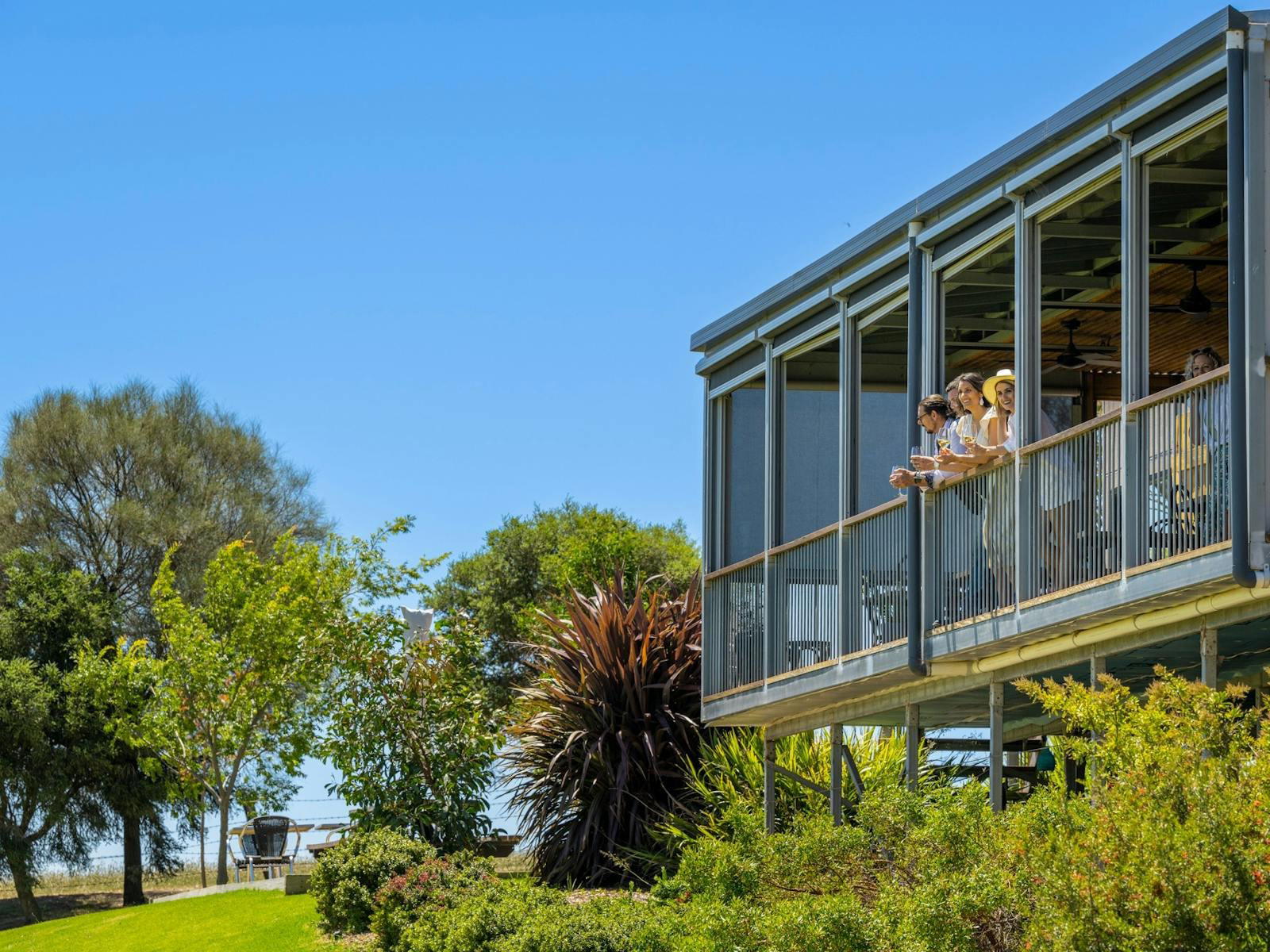
Bars in Macclesfield
Browse all →
Restaurants in Macclesfield
Browse all →


At a Glance
- Scenic
- Rustic
- Elegant
- Romantic
- Intimate
- Well Known
- Romantic Getaway
- Group Outing
- Celebration
- Special Occasion
- Family
- Corporate Event
- Estate Grounds
- Terrace
- Panoramic View
- Private Tasting
- Sustainable
- Vineyard
- Mountain
- Garden
- Adelaide Hills
- Shiraz
- Cabernet Sauvignon
- Nebbiolo
- Barbera
- Grüner Veltliner
- Sauvignon Blanc
- Still Red
- Still White
- Still Rosé
- Sparkling
- Cellar Door Tasting
- Guided Tasting
- Food And Wine Pairing
- Private Tasting
A scenic, rural Adelaide Hills estate with wide vineyard vistas, heritage buildings and contemporary accommodation, offering a relaxed yet polished atmosphere suited to long lunches, tastings and overnight stays.