
Falstaff Winery - Listed
Les Vignerons de Florensac is a cooperative winery in Florensac with a contemporary oenotourism setting built around Picpoul de Pinet, local gastronomy, and cellar tasting. Its strongest identity is collective rather than estate-driven: 260 growers, sustainable farming signals, and a coastal Languedoc white-wine style shaped by night harvest, stainless steel, and acidity preservation.

Pearl is the En Primeur Club membership app — saves, bookings, and concierge access live there. Same editors, same standards.
- Address
- Florensac, Occitanie, Frankreich
- Directions
- Get directions
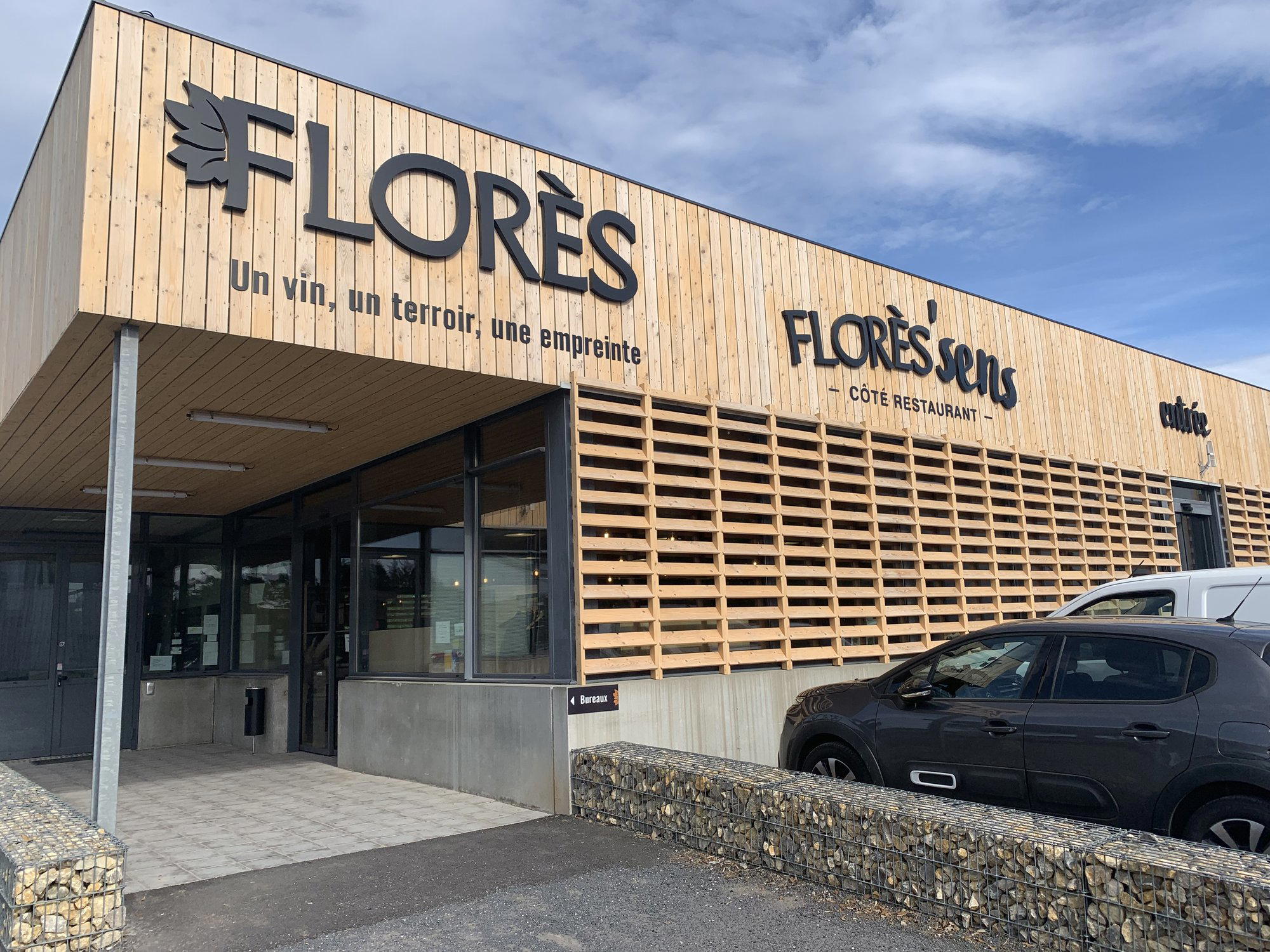
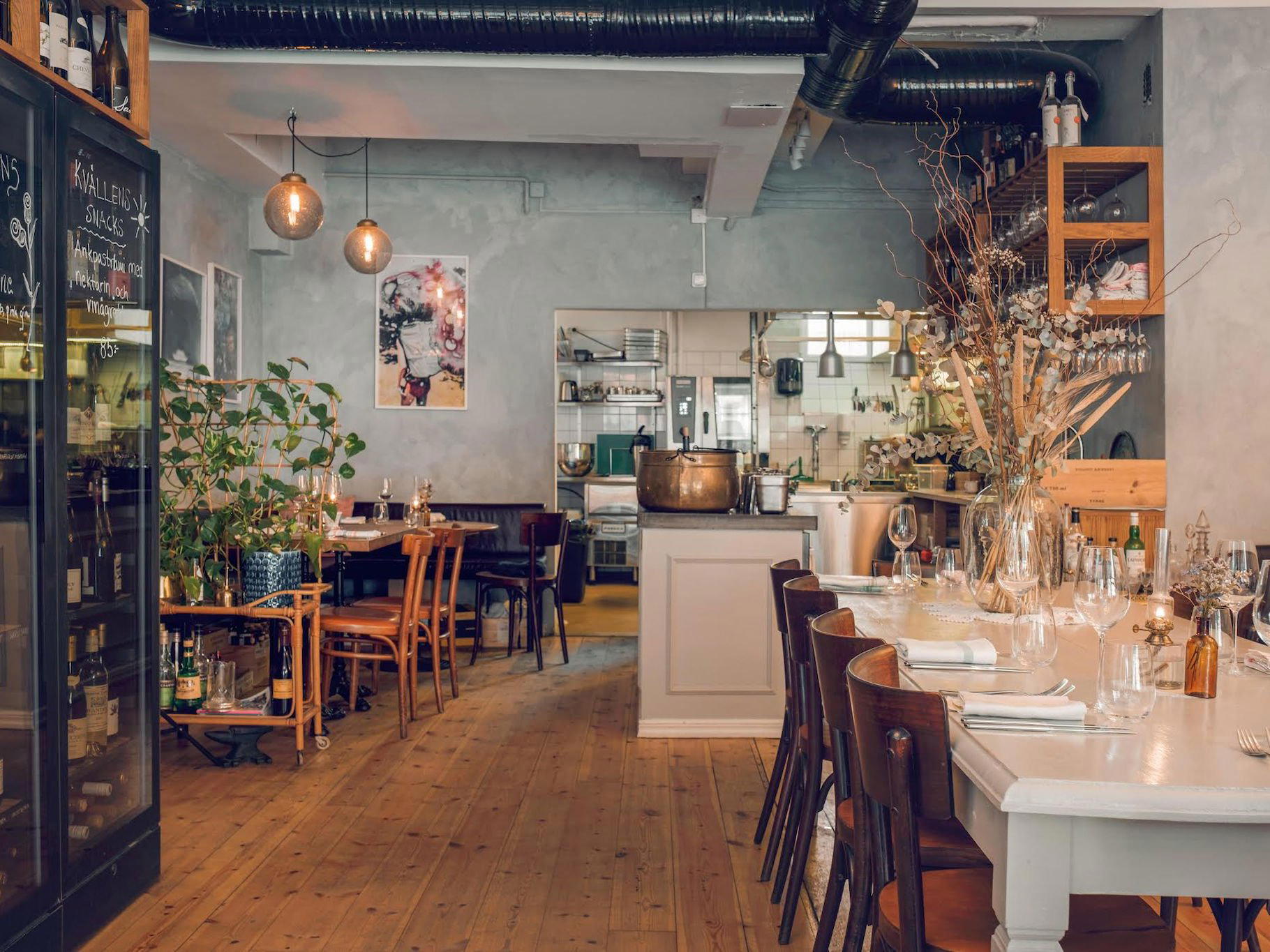
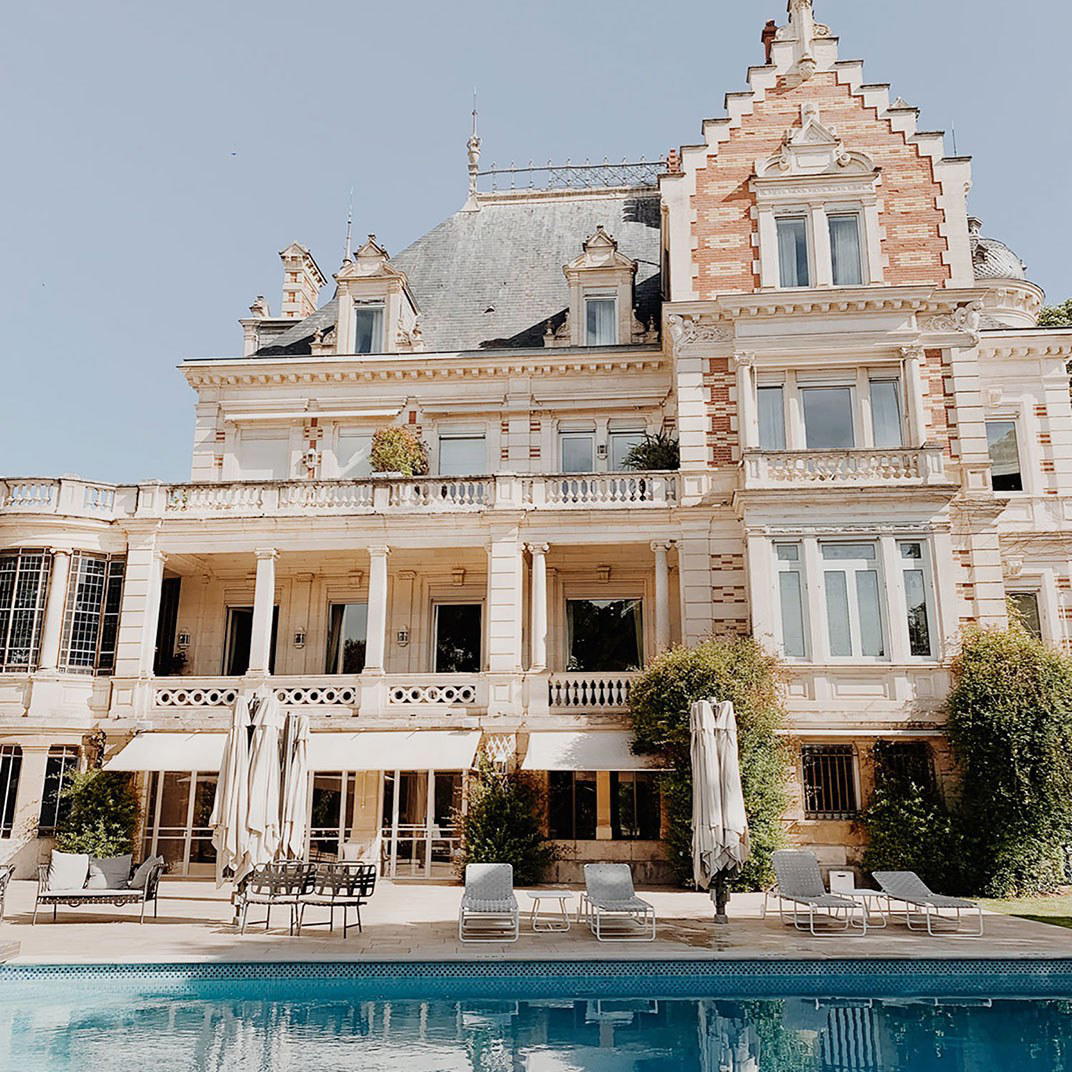
Florensac’s wine culture is closely tied to its cooperative-winery setting, and Les Vignerons de Florensac should be understood in that context. The picture is a contemporary oenotourism-focused complex that combines wine tasting, terroir products, and gastronomy in a modern architecture-led setting rather than a simple retail counter. That distinction matters, because the venue is not best read as only a place to buy wine, nor as a conventional restaurant profile built around a chef or a menu. Its identity sits in the meeting point between cooperative wine culture, regional products, and a polished visitor experience.
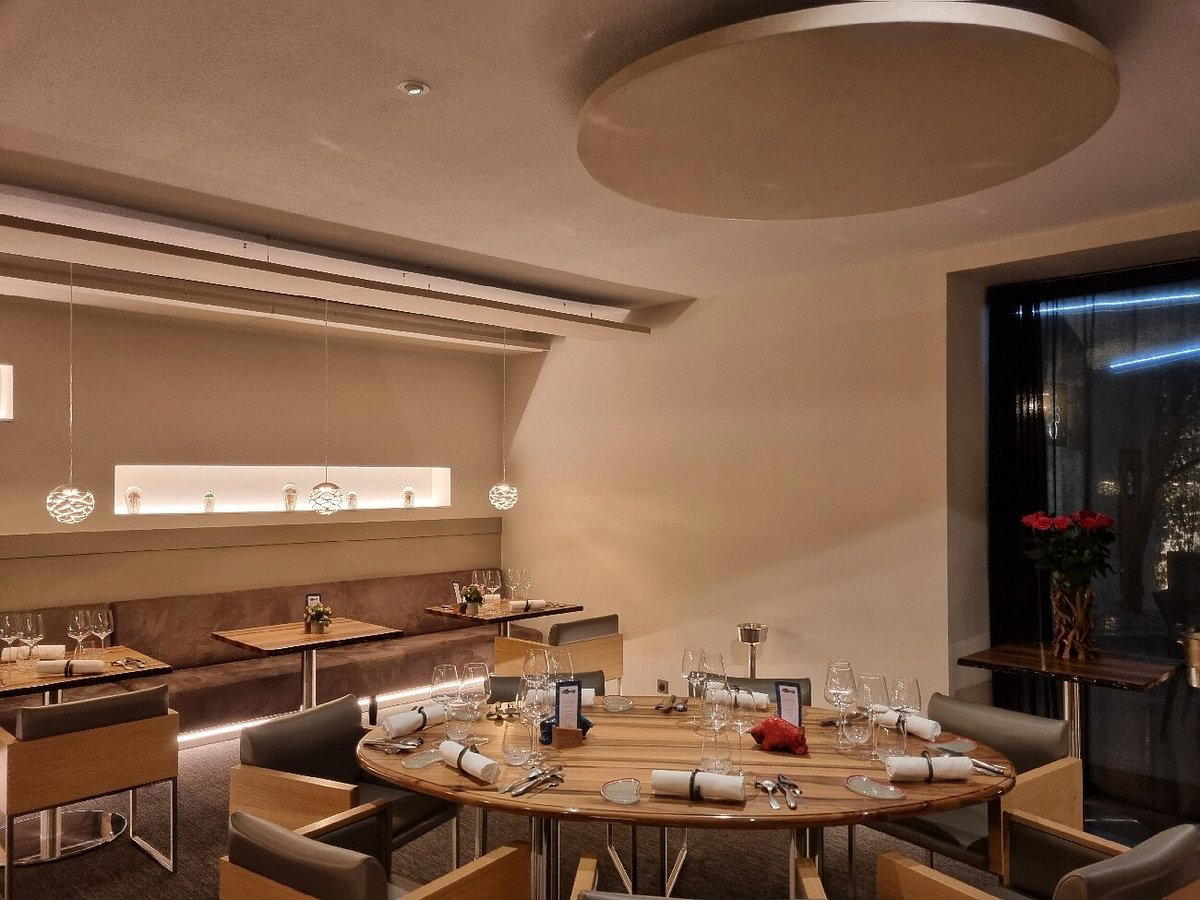
The venue’s appeal is grounded in place and format: a modern, classic, quiet, and sophisticated environment in Florensac where visitors can approach wine culture through tasting, products of the terroir, and a gastronomy component. The atmosphere suggested by that description is measured rather than theatrical, with the contemporary setting helping frame the wines and regional products in a clear, accessible way. For visitors, the value is less about chasing a single headline bottle or signature plate, and more about encountering Florensac’s wine identity through a structured, oenotourism-oriented stop.
A contemporary cooperative-winery setting
For Les Vignerons de Florensac, the information supports a broad description: it is a cooperative-winery setting with wine tasting, terroir products, and gastronomy, presented in a contemporary complex. That means the editorial emphasis should remain on the overall format rather than on unsupported specifics. The cooperative-winery context gives the venue a collective, place-based character, while the modern complex shapes how that character is presented to visitors. Instead of relying on a purely rustic vocabulary, the experience is framed through architecture, tasting, product discovery, and a quiet, sophisticated sense of hospitality.
The price positioning is listed as $$, which makes the venue approachable for visitors planning a wine-focused stop in Florensac without implying a luxury-estate format. In practical terms, that places it in a middle, accessible register for an oenotourism visit, although the exact experience will always depend on the current offer and the purpose of the visit. Beyond that, specific bottle names, grape varieties, vintages, tasting notes, and production methods should be checked directly with the venue. The safest read is to treat the listed information as a guide to style, setting, and category, not as a substitute for up-to-date details from the source.
A cooperative lens on Florensac terroir
The strongest story here is the cooperative-winery context. Les Vignerons de Florensac presents wine, terroir products, and gastronomy together, making it useful for visitors who want a structured introduction to the area’s wine culture in a contemporary setting. The word “terroir” is important here because the venue’s appeal is not limited to tasting wine in isolation. It is about placing wine alongside regional products and a food-oriented component, so the visit can feel broader than a direct cellar-door stop. That combined approach gives visitors several ways into the local identity: through the glass, through products, and through a more gastronomic frame.
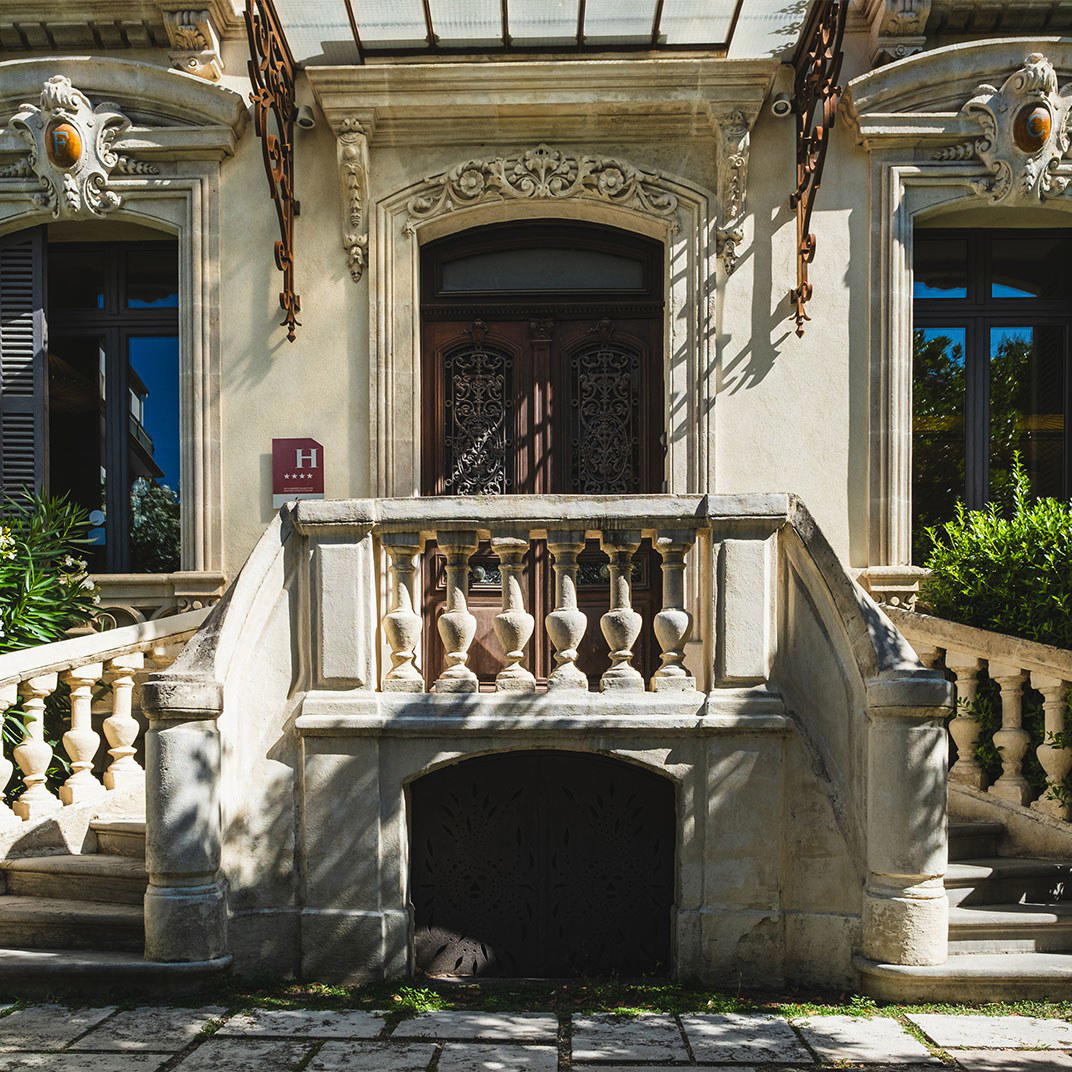
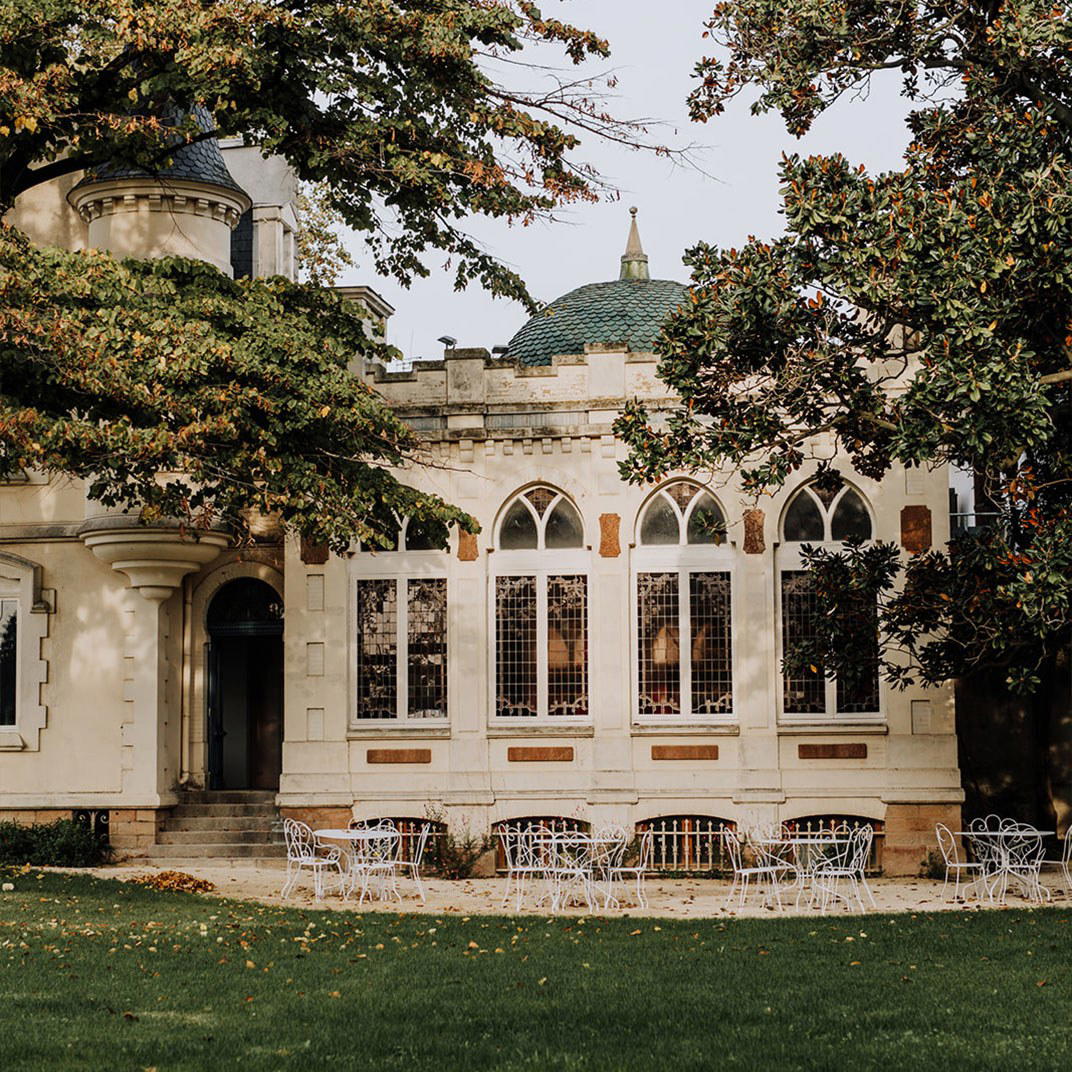
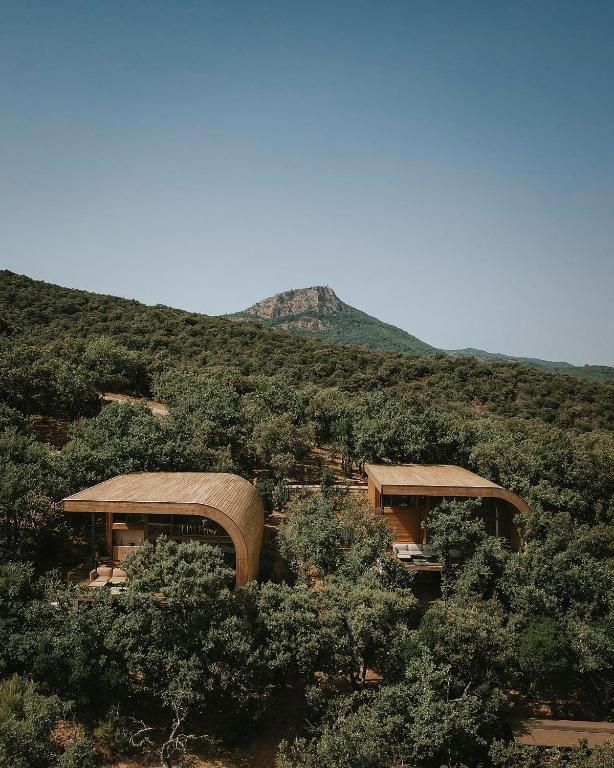
Modern architecture-led complex is part of the experience. Rather than presenting wine as a purely rustic or château-based encounter, the venue gives Florensac a polished oenotourism setting: quiet, modern, classic, and sophisticated, with the emphasis on tasting and regional products. The modernity should not be read as a break from local wine culture, but as the way the cooperative setting is made legible for visitors today. It gives structure to the experience, helping the venue operate as a destination where the setting, the products, and the wine-focused purpose work together.
Reliable editorial read is therefore simple: treat Les Vignerons de Florensac as a contemporary cooperative-winery destination in Florensac, not as a profile of a single chef, winemaker, dish, or bottle. That keeps the focus aligned with the information available and avoids overstating what the venue promises. Its character comes from the combination of cooperative identity, oenotourism presentation, terroir products, gastronomy, and a refined modern setting. For readers, that is the most useful framing: a place to understand Florensac wine culture through a composed visitor experience rather than through one narrowly defined specialty.
How to use the visit
This is a practical stop for visitors who want a contemporary Florensac wine setting with an oenotourism focus. The offer combines wine tasting, terroir products, and gastronomy, so it is best approached as a place to experience wine culture in a modern, quiet, and polished environment. It can suit a visitor who wants context as much as consumption: someone looking to understand how wine, regional products, and a cooperative setting come together in Florensac. The visit should be planned with that broad lens, allowing time and attention for the setting as well as for the tasting or product-led elements.
For planning, keep expectations broad and confirm current details directly with the venue before arranging a visit. That is especially important because the available description supports the category and atmosphere more clearly than it supports detailed claims about individual wines, gastronomy specifics, or operational arrangements. A direct check will give the most reliable picture of what is available at the time, while the editorial framing here helps clarify why the venue belongs on a wine-focused Florensac shortlist.
Within Florensac, compare Les Vignerons de Florensac with other local dining or wine-related options generically, rather than assuming that every nearby stop has the same format. Its distinction is the combination of cooperative-winery setting, oenotourism focus, wine tasting, terroir products, gastronomy, and contemporary architecture. That combination is the reason to consider it: not because it replaces every other kind of restaurant, cellar, or regional stop, but because it gathers several strands of local wine culture into one modern and accessible setting.
Recognition history
Dated appearances from independent guides and award organizations, with the underlying list record or original source where available.
Falstaff Winery - Listed
Falstaff
Continue exploring
More in Florensac
Wineries in Florensac
Browse all →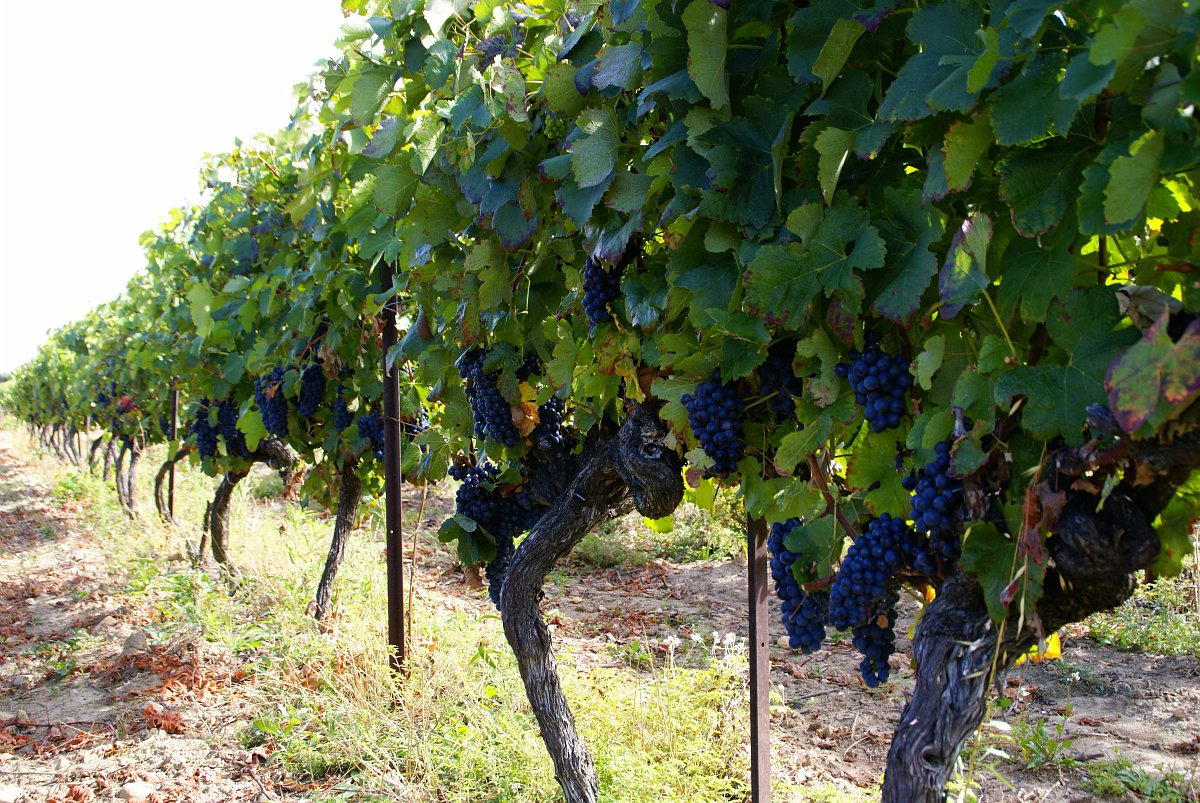
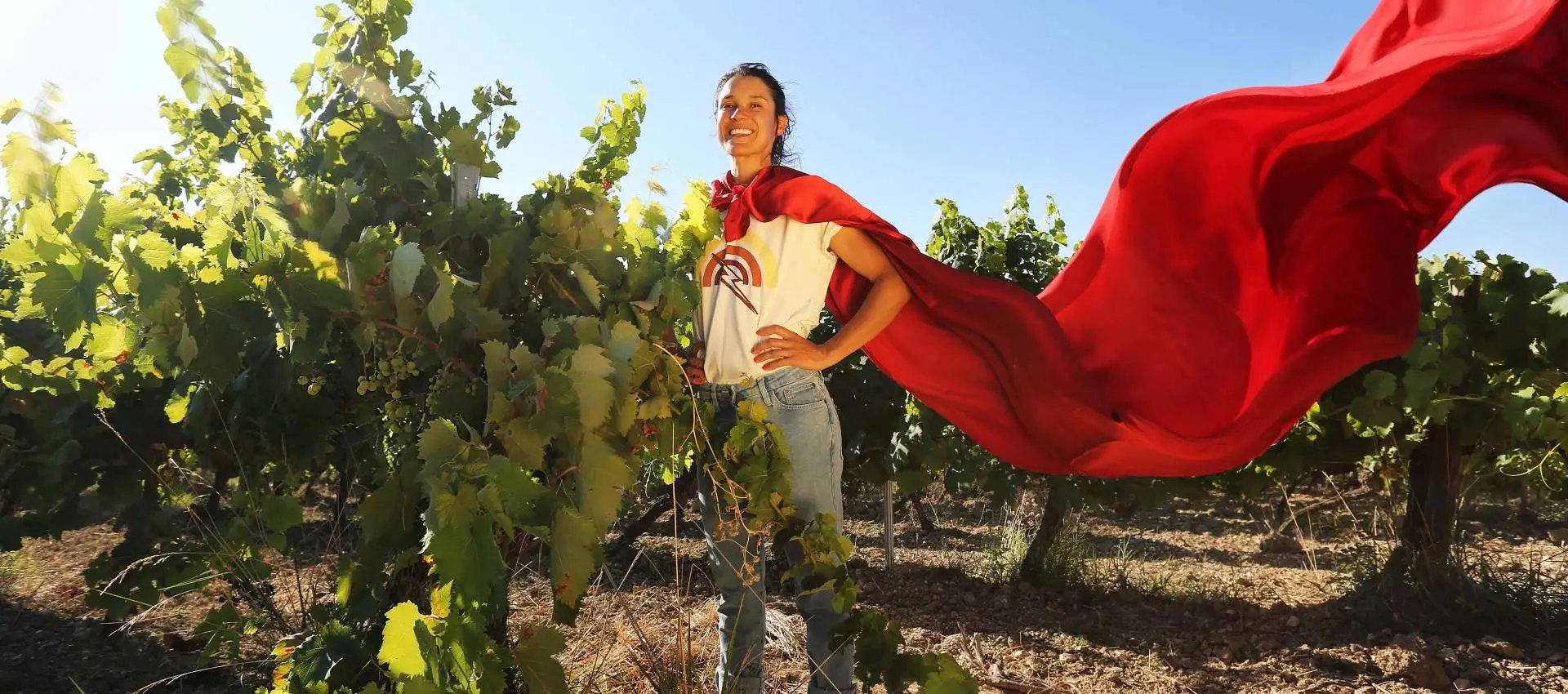
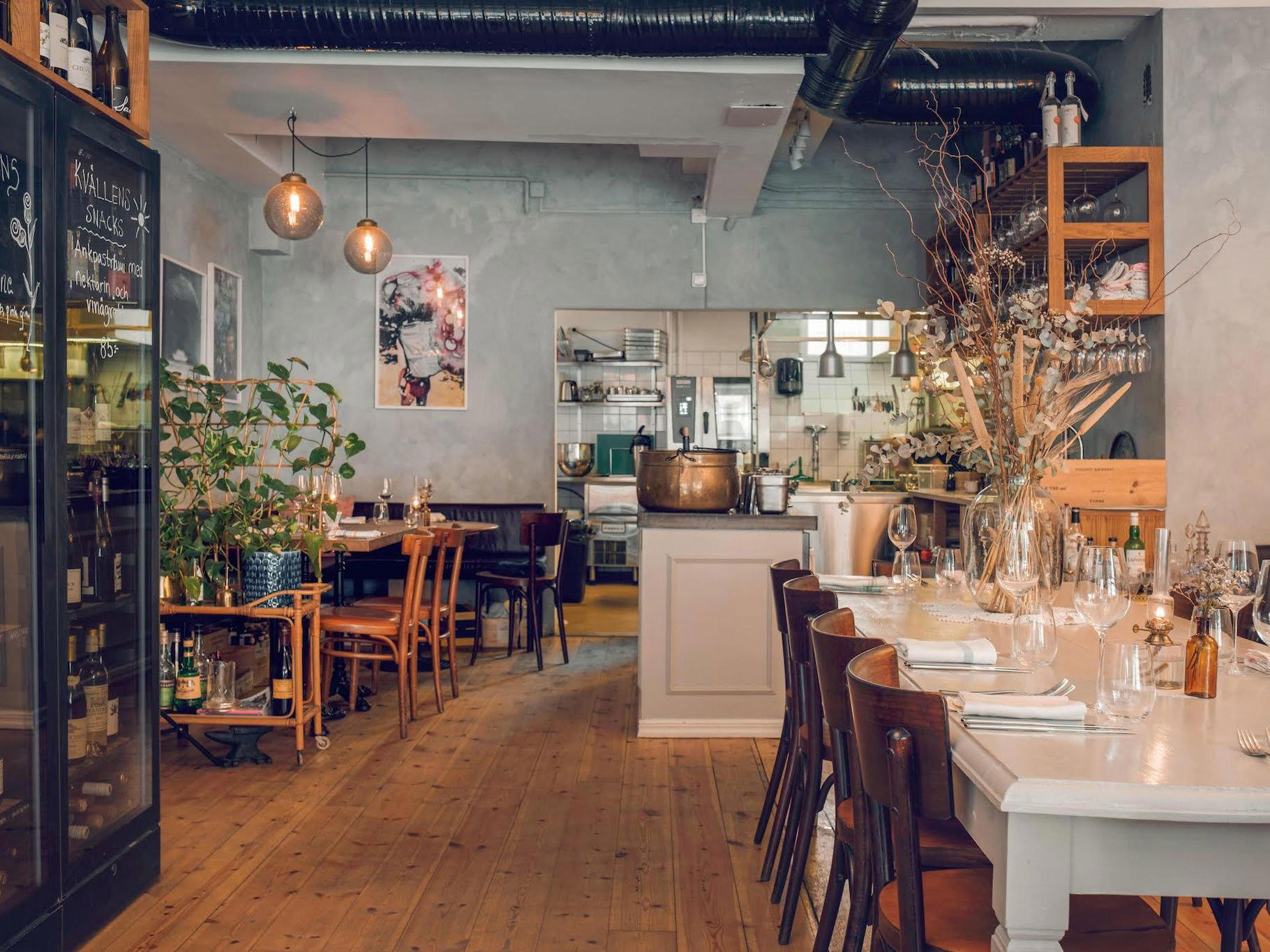


Restaurants in Florensac
Browse all →
Details
- Modern
- Classic
- Quiet
- Sophisticated
- Group Outing
- Wine Education
- Special Occasion
- Family
- Cave Tasting
- Design Destination
- Historic Building
- Sustainable
- Picpoul
- Terret
- Sauvignon Blanc
- Chardonnay
- Viognier
- Still White
- Still Red
- Still Rosé
- Sparkling
- Guided Tasting
- Cellar Tasting
A contemporary cooperative-winery setting with an oenotourism focus, combining wine tasting, terroir products, and gastronomy in a modern architecture-led complex.