Le Preare

Falstaff Winery - Listed
Le Preare is a Cantina Valpolicella Negrar wine brand tied to the stone terraces and quarry culture of the Valpolicella Classico hills. Its strength is not boutique theatre but a clear regional ladder: Valpolicella DOC, Ripasso, and Amarone shaped around Corvina, Corvinone, and Rondinella, with USA Wine Ratings recognition giving the range useful external weight.

Pearl is the En Primeur Club membership app — saves, bookings, and concierge access live there. Same editors, same standards.
- Address
- Negrar di Valpolicella, Veneto, Italien

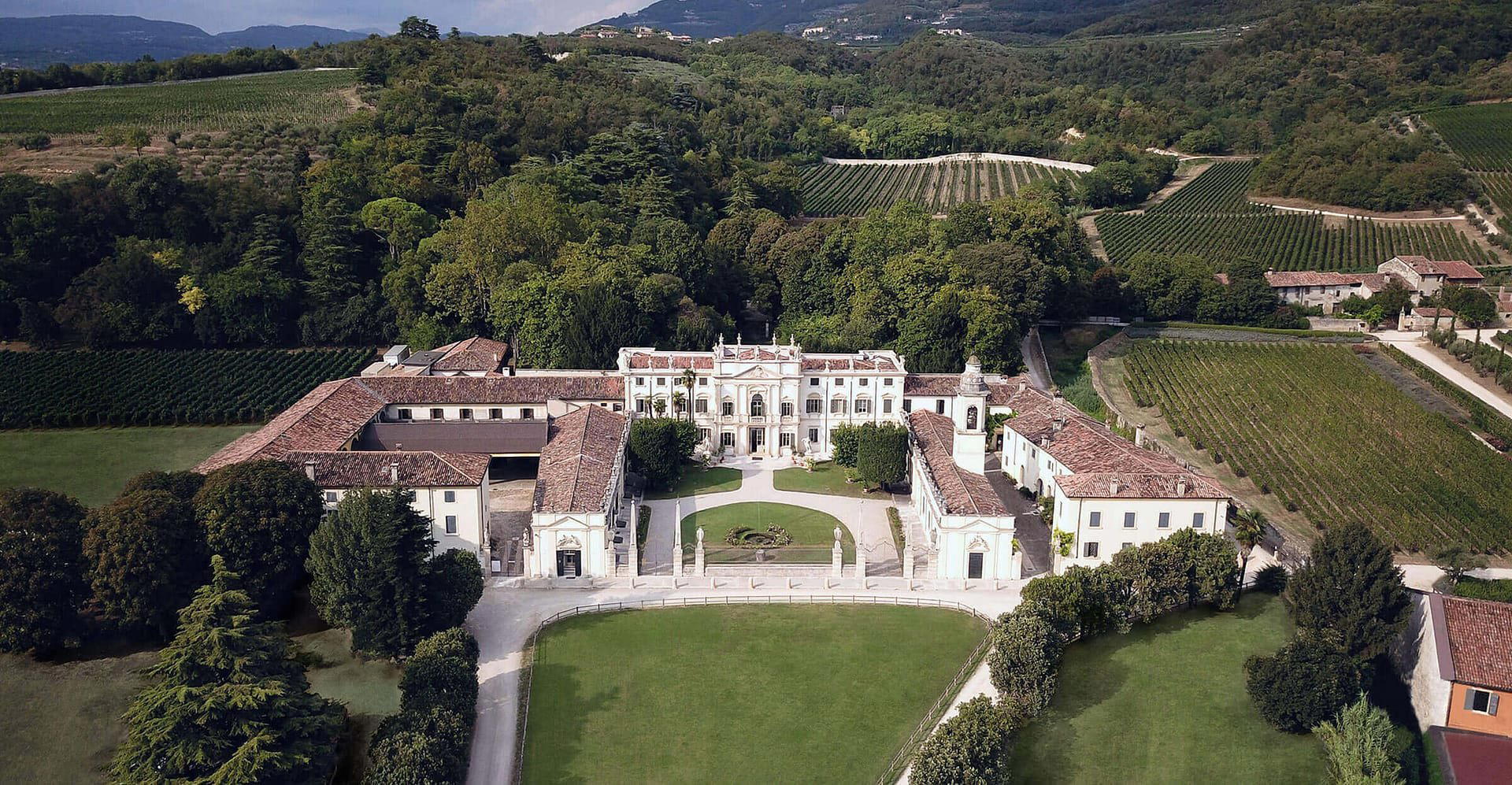
Le Preare in Negrar Di Valpolicella is best understood through its connection to the traditional Valpolicella Classico hillside landscape. That distinction shapes the way to read it: less as a personality-led destination and more as a classic, rustic, scenic expression of local wine culture. The useful lens is therefore not one of spectacle or novelty, but of place. In this context, the name points back to the hills, to the established identity of Valpolicella Classico, and to a style of wine reference that is grounded in the surrounding territory rather than in a highly individualized estate narrative.
What can be stated with confidence is that Le Preare is rooted in Valpolicella Classico and in the broader hillside setting around Negrar Di Valpolicella. Specific claims about individual bottlings, grape percentages, awards, tasting formats, visitor services, or exact cellar practices should not be assumed unless confirmed directly by the producer. That restraint is important, because Valpolicella is a region where names, production models, and visitor expectations can easily blur together. the strongest and most accurate reading is deliberately focused: Le Preare belongs to a local wine context, carries a classic hillside association, and should be approached without attaching extra details that are not already verified.
Valpolicella Classico hillside identity
Le Preare’s strongest grounded identity is regional rather than technical. It is tied to the classic range of Valpolicella Classico: rustic, scenic, and shaped by the hills around Negrar Di Valpolicella. That makes the label relevant for travellers or buyers looking for a wine reference connected to place rather than a heavily promoted estate experience. The emphasis here is on setting and category: the landscape is not a decorative backdrop, but the main reason the name has meaning on a venue page. It evokes the familiar hillside character associated with the area, where the appeal lies in continuity, local recognition, and a direct connection to Valpolicella Classico rather than in a list of technical differentiators.
Its appeal rests in that combination of local tradition and modern production structure. In editorial terms, this is a modest but useful identity. It does not require overstating the case, because the relevant point is already clear: Le Preare reads as part of a broader regional pattern. For someone planning around Negrar Di Valpolicella, that can be enough. The label sits within the kind of wine culture that many visitors associate with the hills: visually scenic, traditionally rooted, and linked to a recognizable local name. The value of the reference is in orientation. It helps place the user in the Valpolicella Classico landscape and gives a simple, grounded way to understand what the listing represents.
This hillside identity also keeps the page from becoming overly promotional. Le Preare should be read as a Valpolicella Classico-rooted label whose character is anchored in the surrounding area. That is a different kind of relevance from a restaurant menu, a guided tour program, or a named bottle profile. The right expectation is one of regional connection and direct local context.
A cooperative label in Negrar Di Valpolicella
Le Preare’s cooperative context is a central fact. In practical terms, that places it within a different category from small estates built around a single family story or destination tasting-room image. The point of interest is the producer brand itself: classic, rustic, scenic, and connected to the traditional Valpolicella Classico hillside landscape. This distinction matters because cooperative labels are often understood through breadth, locality, and production structure rather than through the personal biography of one household or one vineyard-led story. For Le Preare, the available information supports that broader reading: a wine identity associated with Negrar Di Valpolicella and with the collective, modern framework implied by its cooperative setting.
That does not make the listing less relevant; it simply changes how it should be evaluated. A cooperative context can be important for travellers and buyers who are trying to understand the local wine map without assuming that every name operates like a boutique estate. Le Preare belongs in that map as a direct, place-linked reference. The editorial priority is to avoid turning a concise, grounded profile into an invented experience. No unconfirmed cellar visit, tasting style, hospitality setup, award history, or technical production description should be layered onto the page. The more accurate approach is to keep the focus on the category, the setting, and the relationship to Valpolicella Classico.
For travellers comparing wine-related options in Negrar Di Valpolicella, Le Preare can be considered alongside other local dining and wine stops in a general itinerary. The information supports a simple conclusion: this is a $$ Valpolicella Classico-rooted label associated with a modern cooperative cellar, not a page to pad with unconfirmed menu, visit, award, or service claims. Its usefulness is therefore practical rather than elaborate. It gives a grounded reference point for the area, especially for readers who want to understand how the local wine landscape includes both traditional hillside associations and cooperative production structures. Kept within those limits, the description remains clear, accurate, and aligned with the understated character already present in the listing.
Recognition history
Dated appearances from independent guides and award organizations, with the underlying list record or original source where available.
Falstaff Winery - Listed
Falstaff
Continue exploring
More in Negrar Di Valpolicella
Details
- Classic
- Rustic
- Scenic
- Group Outing
- Wine Education
- Solo Exploration
- Vineyard
- Mountain
- Corvina
- Corvinone
- Rondinella
- Garganega
- Trebbiano
- Chardonnay
- Still Red
- Still White
- Still Rosé
- Bar Tasting
- Bottle Purchases
Producer brand and wines rooted in the traditional Valpolicella Classico hillside landscape, with a modern cooperative cellar behind the label rather than a boutique visitor-focused estate.