
L’Armangia reads Canelli through Moscato bianco Canelli, Barbera, and a family cellar culture that reaches back well before the modern wine-tourism circuit. The draw is the scale: barrel-room tastings, vineyard views, and a quiet Piedmontese setting where the UNESCO-recognized hills matter as much as the labels poured.

Pearl is the En Primeur Club membership app — saves, bookings, and concierge access live there. Same editors, same standards.

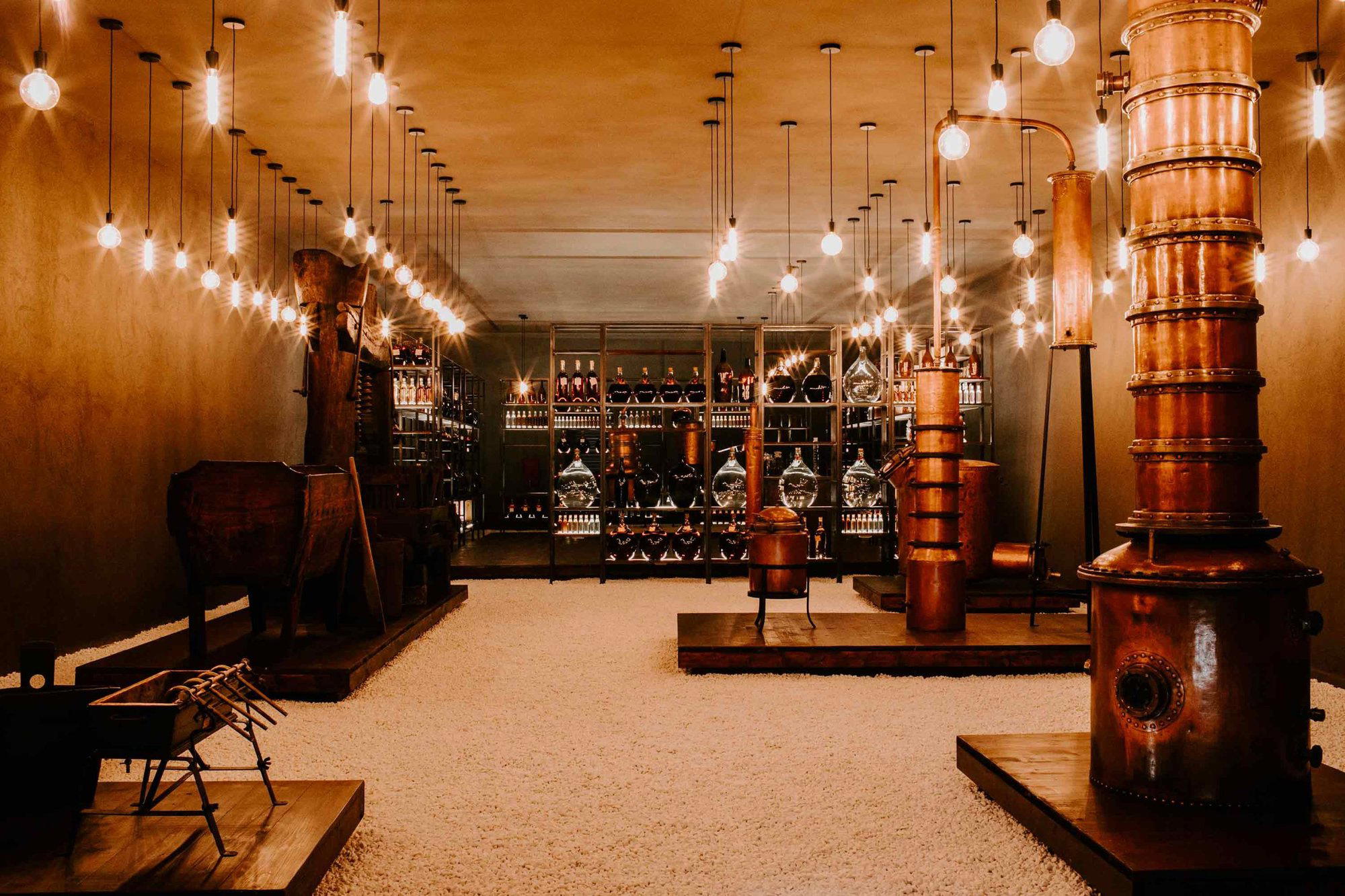
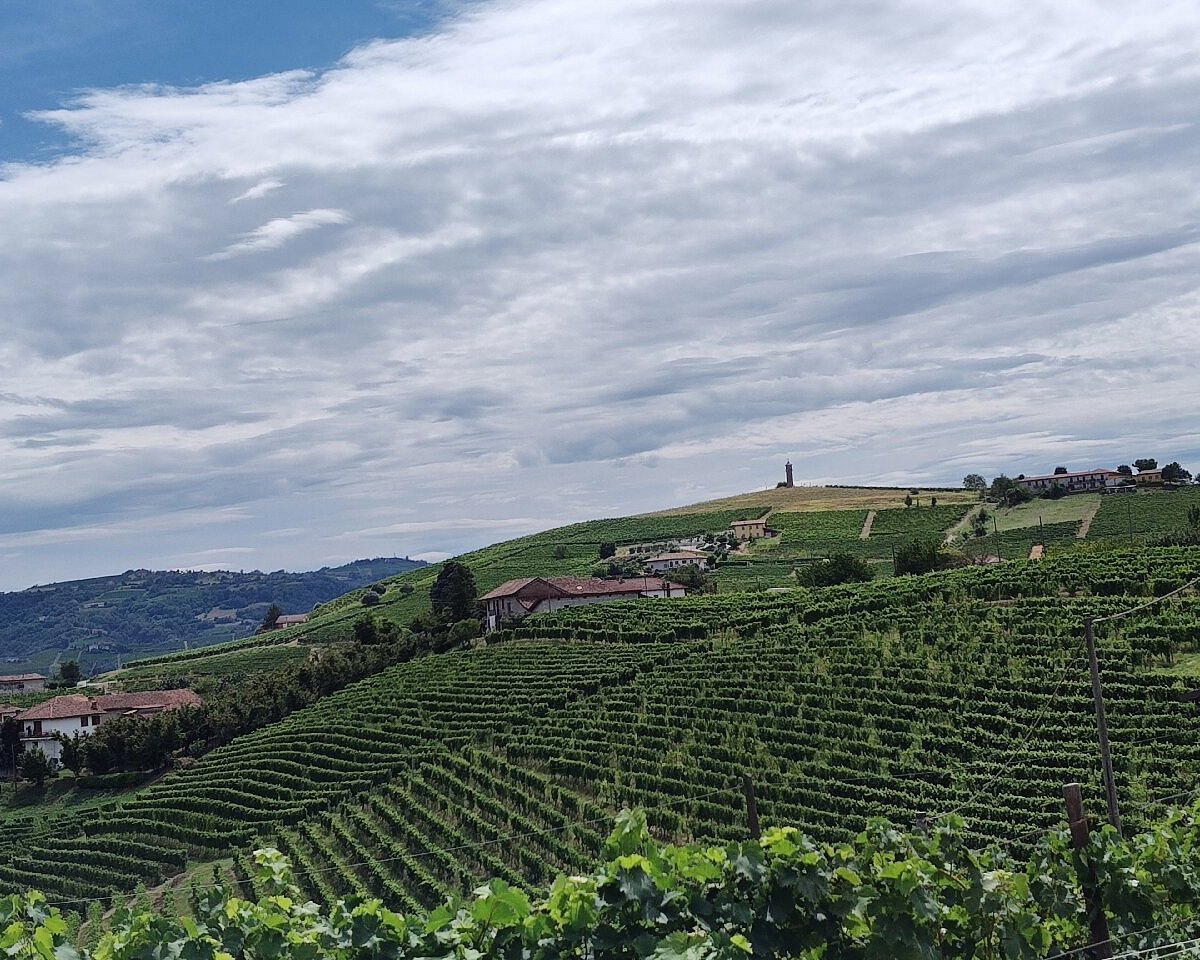
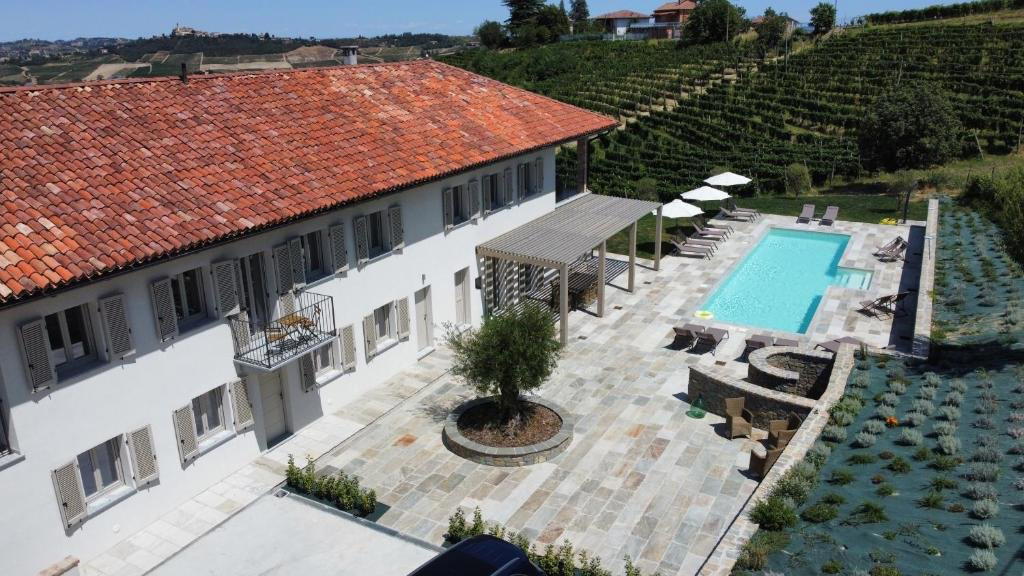
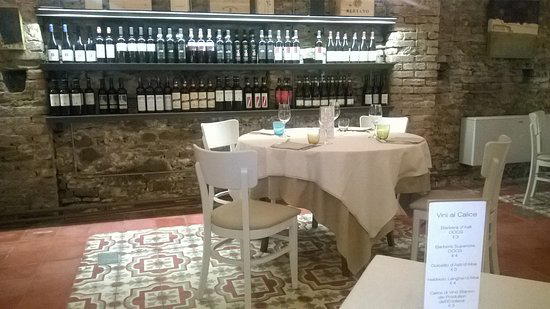
The approach to L’Armangia is shaped by its setting in Canelli: vineyard hills, traditional cellar spaces, and a sense of rural Piedmontese continuity. The picture is of a family-run winery in the UNESCO-protected hills of Canelli, with barrel-lined tasting spaces and panoramic vineyard surroundings that feel rustic, scenic, and quietly intimate rather than commercial. That distinction matters, because the venue is best understood through atmosphere and context: the feeling of being close to vines, cellar, and hill country, rather than through a list of amenities or elaborate claims.
For travelers planning time in Canelli, the useful way to read L’Armangia is not through an invented checklist of services or menu details, but through the confirmed essentials: a Piedmontese winery, a traditional cellar, and a landscape-led visit where the surrounding hills are central to the atmosphere. In practical editorial terms, that makes L’Armangia a place to frame with restraint. Its appeal comes from the convergence of family-run character, cellar setting, and vineyard panorama, all of which give the experience a grounded local identity without needing additional embellishment.
Canelli terroir, read through the setting
Canelli’s wine identity is inseparable from its hills and cellar culture. L’Armangia fits that context as a family-run winery set within the UNESCO-protected landscape, where the experience is grounded in place rather than spectacle. The word “terroir” is often used broadly, but here it can be read in a simple, visible way: through the surrounding vineyard slopes, the traditional cellar environment, and the rural Piedmontese atmosphere that frames a visit.
The strongest detail is the estate’s atmosphere: barrel-lined tasting spaces, a traditional cellar, and panoramic vineyard surroundings. Those facts are enough to distinguish the experience from a more commercial stop, even without relying on claims about specific grapes, labels, founding dates, formats, or production history. The barrel-lined spaces suggest continuity with cellar practice, while the panoramic surroundings keep the visit anchored in the hills rather than detached from them.
For visitors, the point is the closeness between cellar and landscape. L’Armangia is best understood as a quiet Canelli winery experience with rustic Piedmontese character, not as a venue defined by unsupported specifics about service style, tour structure, or named wine releases. It is the kind of place whose description should remain tied to what can be clearly observed and confirmed: a traditional cellar, a family-run setting, and the visual presence of vineyards around it.
A traditional cellar shaped by quiet proximity
The atmosphere should be described carefully from the facts: intimate, rural, and scenic, with barrel-lined spaces and a traditional cellar. The confirmed mood is quiet rather than commercial, with the vineyard surroundings playing a major role in the sense of place. That quietness is part of the venue’s identity as presented here; it gives the setting a slower, more local rhythm, without the need to claim anything about programmed experiences or formal hospitality details.
What can be stated confidently is the character of the setting: family-run, Piedmontese, and rooted in the UNESCO-protected hills of Canelli. Those elements are not incidental background. They are the core of the experience, giving L’Armangia a sense of continuity with the surrounding landscape and with Canelli’s broader cellar culture. The traditional cellar and barrel-lined spaces reinforce that impression, placing the visitor in a context that feels connected to wine as a working local tradition.
For readers mapping time in Canelli, L’Armangia belongs in the local conversation around the city’s vineyard and cellar identity. Other dining and wine stops in Canelli can be considered generically alongside it, but L’Armangia’s appeal rests on its traditional cellar, barrel-lined spaces, and panoramic vineyard setting. It should therefore be positioned as a scenic, place-driven stop rather than as a venue whose value depends on unconfirmed extras. Particularly reliable description stays close to the hills, the cellar, and the understated rural atmosphere.
How to place it in a broader wine itinerary
The case for visiting is strongest for travelers who want a modest, scenic winery atmosphere rather than a highly commercial venue. In that sense, L’Armangia works well as part of an itinerary focused on Canelli’s vineyard landscape and cellar identity, especially for visitors who value setting and mood as much as formal structure. The surrounding hills and traditional cellar spaces provide the main frame for expectation.
Within a broader Italian wine itinerary, L’Armangia’s appeal is precise: Canelli setting, UNESCO-protected hills, a traditional cellar, and a quietly scenic atmosphere. Treat the finer operational details as something to confirm directly before visiting. That approach keeps the description accurate while still giving travelers a clear sense of why the venue may be worth considering: it offers a rooted Piedmontese winery setting where the landscape, cellar, and family-run character remain the defining points.
Recognition history
Dated appearances from independent guides and award organizations, with the underlying list record or original source where available.
Falstaff Winery - Listed
Falstaff
At a Glance
- Scenic
- Rustic
- Classic
- Intimate
- Wine Education
- Group Outing
- Romantic Getaway
- Solo Exploration
- Special Occasion
- Family
- Barrel Room
- Vineyard Tour
- Estate Grounds
- Panoramic View
- Private Tasting
- Historic Building
- Sustainable
- Vineyard
- Mountain
- Garden
- Asti / Monferrato, Piedmont
- Moscato Bianco Canelli
- Barbera
- Chardonnay
- Sauvignon Blanc
- Pinot Nero
- Sparkling
- Still Red
- Still White
- Dessert
- Barrel Room Tasting
- Counter Tasting
- Guided Tasting With Local Products
- Vineyard Walk
- Private Booking
Family-run Piedmontese winery in the UNESCO-protected hills of Canelli, with a traditional cellar, barrel-lined tasting spaces, and panoramic vineyard surroundings that feel rustic, scenic, and quietly intimate rather than commercial.