La Cave de l'Abbé Rous

La Cave de l'Abbé Rous is a Banyuls-sur-Mer wine house shaped by schist terraces, sea light, Tramontane wind, and the cooperative scale of Terres des Templiers. Its strongest editorial case is not trophy culture, but terroir: AOP Banyuls, AOP Banyuls Grand Cru, AOP Collioure, and a long-aged Banyuls vinegar that connects cellar work with professional kitchens.
Pearl is the En Primeur Club membership app — saves, bookings, and concierge access live there. Same editors, same standards.
- Address
- Banyuls-sur-Mer, Banyuls, Occitanie, Frankreich
 Saves & bookings on Pearl
La Cave de l'Abbé Rous in Banyuls-sur-Mer is best understood through its setting: a cellar-and-vineyard place shaped by steep terraced slopes, Mediterranean light, and a historic, artisanal wine-house feel. Its appeal sits in the atmosphere around it as much as in the venue itself: the impression of a wine house rooted in its landscape, where the surrounding slopes and coastal brightness help define how the place is read.
Terraced slopes, Mediterranean light, and the Banyuls setting
The strongest context for La Cave de l'Abbé Rous is environmental and atmospheric. The venue is associated with a cellar-and-vineyard setting where steep terraces, Mediterranean brightness, and a quiet, artisanal wine-house feel define the visit. That landscape matters because the description ties the venue to a sensory journey through Banyuls and Collioure terroir. In this framing, the slopes are not just a backdrop; they are part of the character of the experience, giving the place a grounded, site-specific quality that is difficult to separate from the broader Banyuls-sur-Mer setting.
For visitors, the appeal is not a documented fine-dining format, a confirmed chef-led concept, or a award history. It is the sense of place: a historic-feeling wine house where the surrounding Banyuls and Collioure terroir is central to the experience. The tone is therefore less about performance and more about arrival, observation, and atmosphere. The venue reads as the kind of stop where the landscape, the cellar identity, and the quiet rusticity do much of the work, creating a classic impression without needing to be framed through luxury language or unsupported claims.
Because the public record is limited, specific claims about grape varieties, production scale, founding dates, named bottlings, cellar capacity, tour formats, or ownership should not be treated as confirmed here. The reliable framing is simpler: La Cave de l'Abbé Rous is a $$ venue in Banyuls-sur-Mer with a scenic, rustic, classic, and quiet cellar-and-vineyard identity. That restraint is important. It keeps the page focused on what is actually supported while still allowing the venue’s atmosphere to come through clearly: a place defined by terrain, light, and a wine-house mood rather than by a long list of operational details.
Why the terroir is the focus
The winery is described as a sensory journey through Banyuls and Collioure terroir. That makes the setting itself the main editorial hook: terraced slopes, Mediterranean light, and a historic, artisanal wine-house atmosphere. Terroir, in this context, is treated not as a technical checklist but as the organizing idea of the visit. The surrounding land and the cellar setting provide the texture, giving travelers a way to understand the venue through place, mood, and regional identity.
Specific product details beyond that should be handled cautiously unless confirmed directly by the venue. Those details may be tempting to add to a wine-related page, but without confirmation they would shift the guide away from its accurate core. The more dependable approach is to stay with the documented character: scenic, rustic, classic, and closely associated with the Banyuls and Collioure landscape.
What can be said with confidence is that the venue’s identity is grounded in place. It suits travelers looking for a quieter, more rustic Banyuls-sur-Mer experience rather than a page built around unsupported menu, service, or award claims. The value of the stop is therefore not described through a hierarchy of prestige. It is described through fit: for visitors who want an atmospheric cellar-and-vineyard setting, the appeal is the connection between the venue and the local terrain. That connection gives the winery its editorial clarity.
A venue built around sense of place
The atmosphere points toward a classic cellar-and-vineyard experience rather than a spectacle-driven venue. The emphasis is on the historic feel of the wine house, the terraced landscape, and the connection to Banyuls and Collioure terroir. This makes the venue feel most relevant as part of a slower, more place-aware way of experiencing Banyuls-sur-Mer, where the landscape and the quiet cellar identity are allowed to remain central. It is not necessary to overstate the concept; the available description already gives the venue a clear and coherent character.
For planning, confirm practical arrangements directly before visiting. That applies especially to any practical expectations around visits, availability, or formats, which are not confirmed here.
For a Banyuls-sur-Mer itinerary, the winery can be considered alongside other local dining and wine-related experiences in general terms. Its role is best understood as a scenic, rustic, classic stop rooted in the surrounding terroir: a venue where the editorial focus remains on place, atmosphere, and the cellar-and-vineyard setting rather than on invented specifics.
Recognition history
Dated appearances from independent guides and award organizations, with the underlying list record or original source where available.
Falstaff Winery - Listed
Falstaff
Continue exploring
More in Banyuls-sur-Mer
Wineries in Banyuls-sur-Mer
Browse all →Restaurants in Banyuls-sur-Mer
Browse all →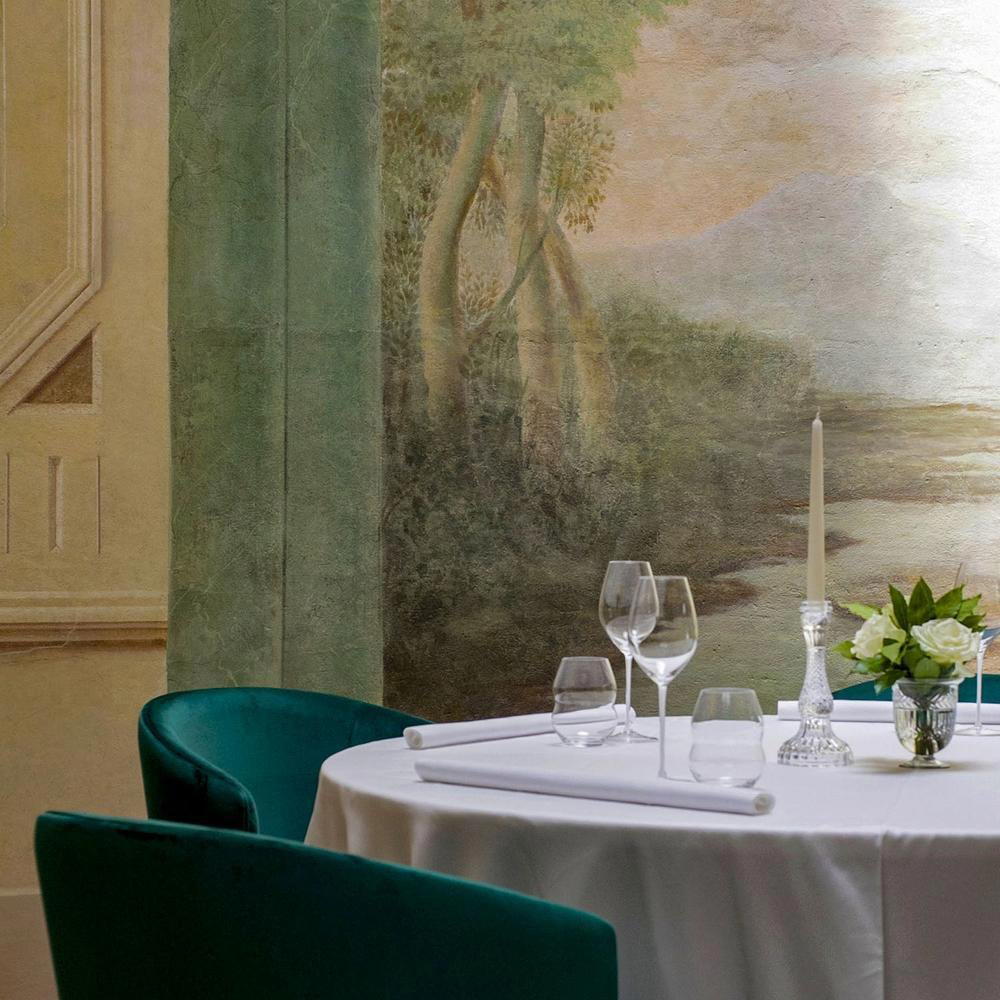
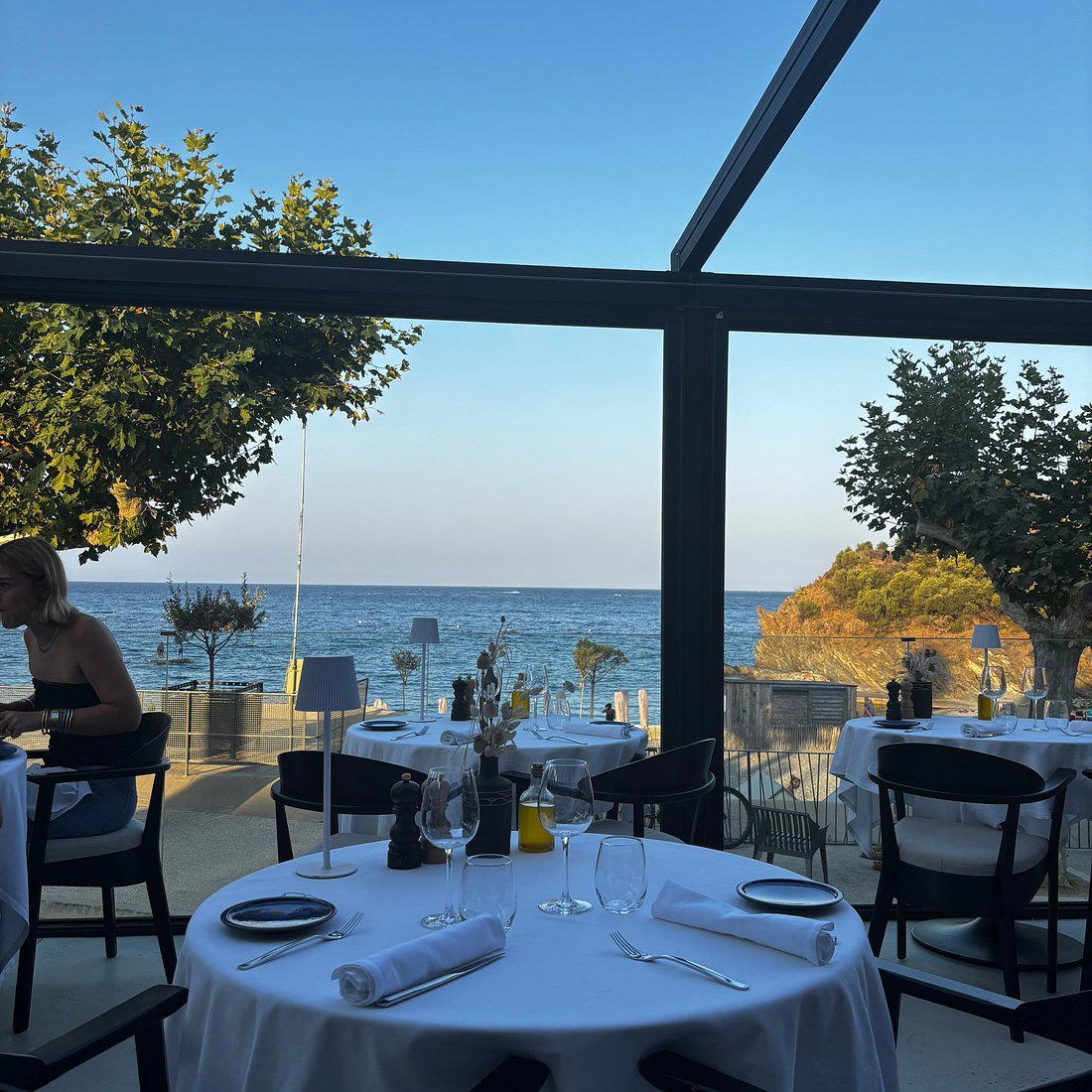
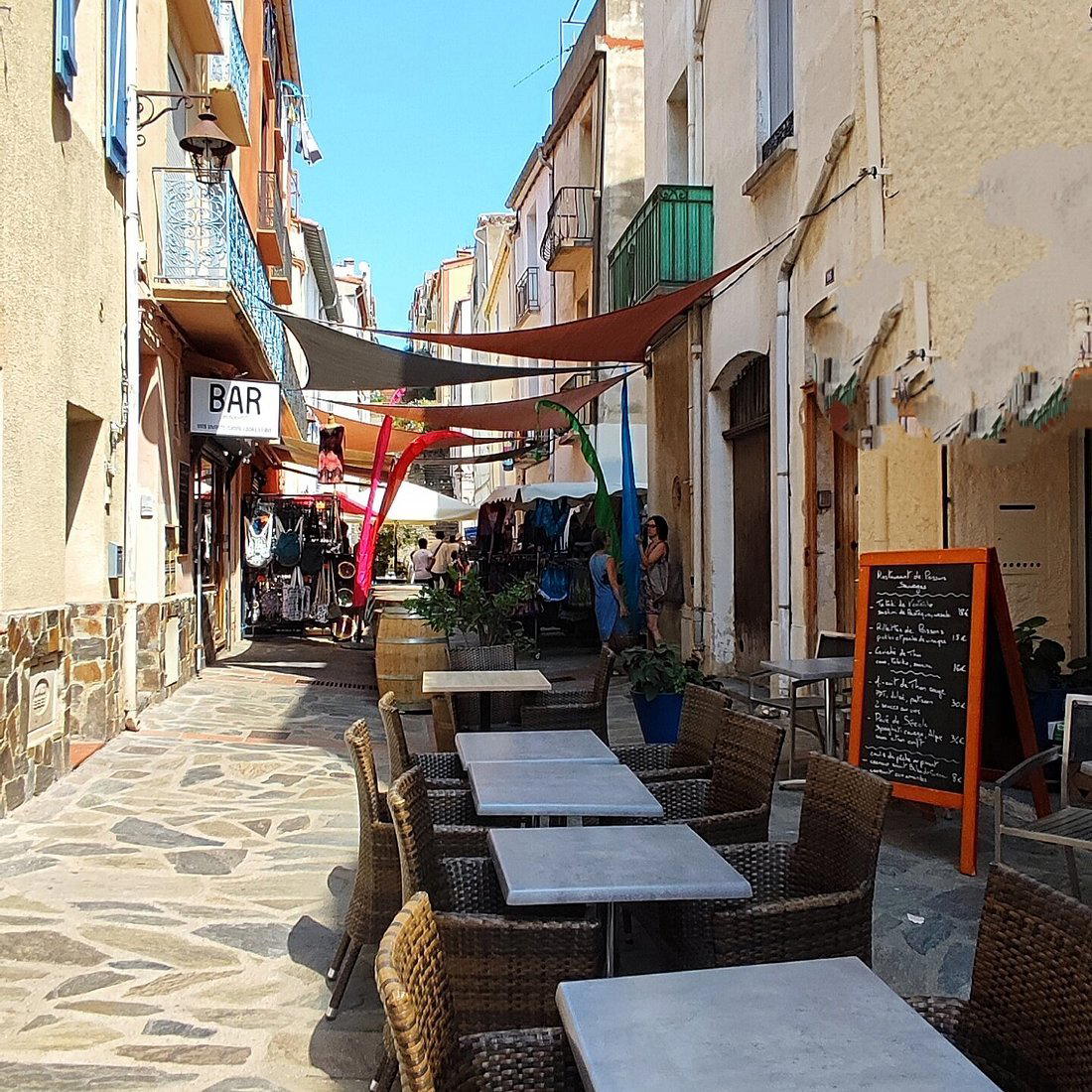
Hotels in Banyuls-sur-Mer
Browse all →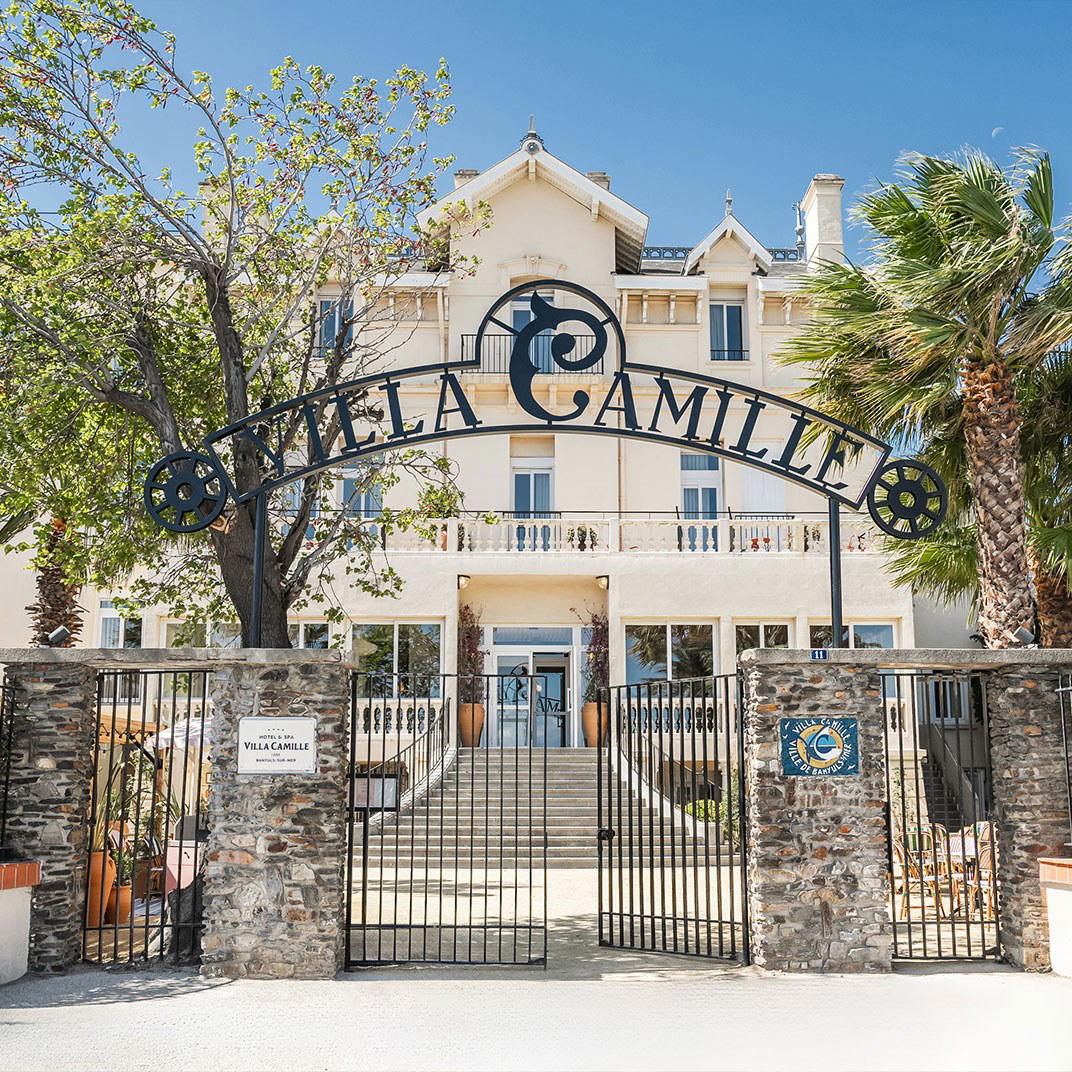
At a Glance
- Scenic
- Rustic
- Classic
- Quiet
- Wine Education
- Special Occasion
- Group Outing
- Corporate Event
- Cave Tasting
- Historic Building
- Private Tasting
- Vineyard
- Mountain
- Waterfront
A cellar-and-vineyard setting with steep terraced slopes, Mediterranean light, and a historic, artisanal wine-house feel; the site is described as a sensory journey through Banyuls and Collioure terroir.