K Vintners

Falstaff Winery - Listed
K Vintners is a Syrah-led Walla Walla winery shaped by small-lot, Rhône-minded production and a rural setting at the base of the Blue Mountains. The appeal is less about trophy language than about site-focused Washington wines, Charles Smith’s founding role, and a tasting atmosphere that keeps the vineyard and farmland context in view.

Pearl is the En Primeur Club membership app — saves, bookings, and concierge access live there. Same editors, same standards.
- Address
- Walla Walla, Columbia Valley, Washington, Vereinigte Staaten
- Directions
- Get directions
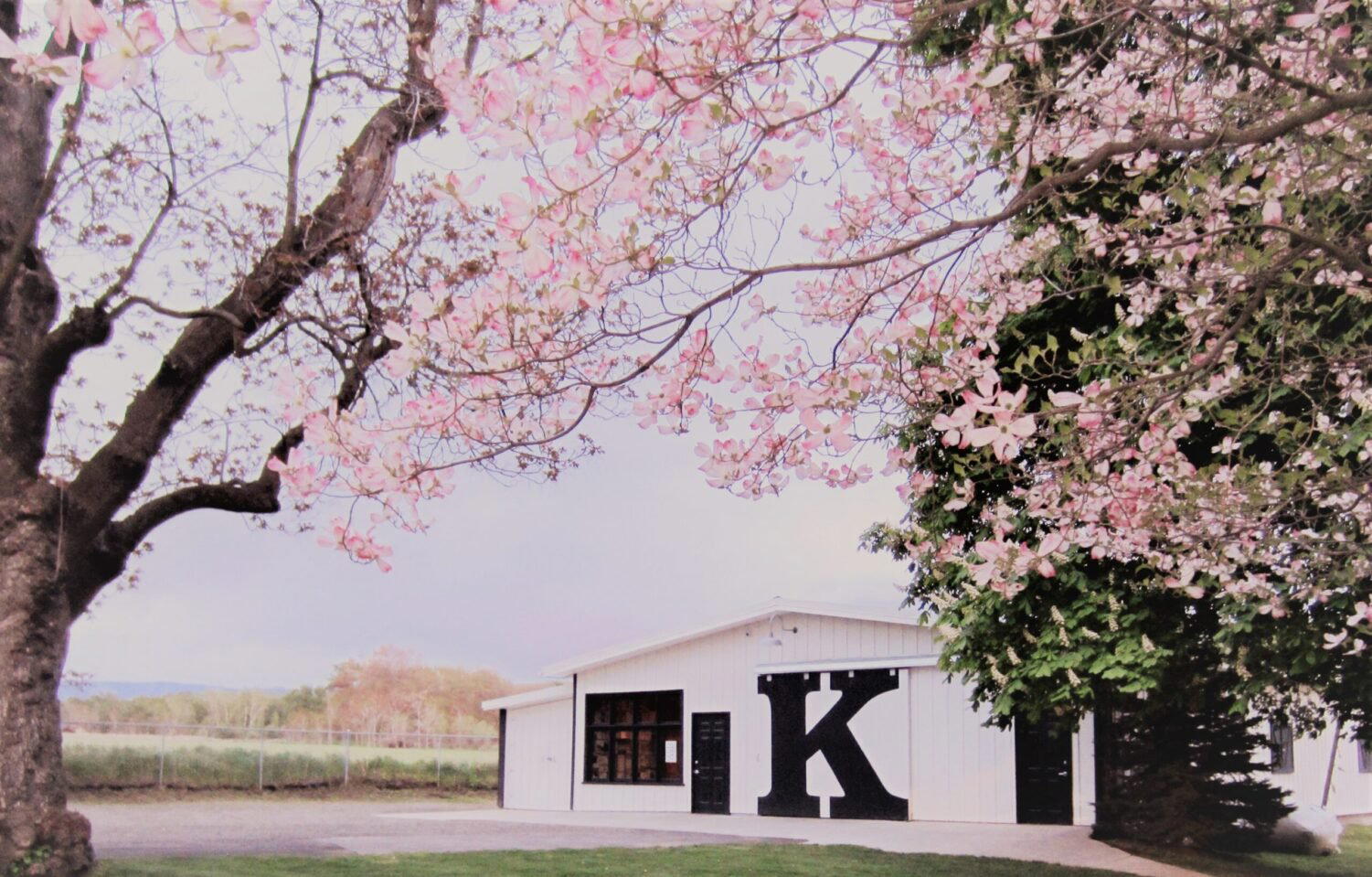
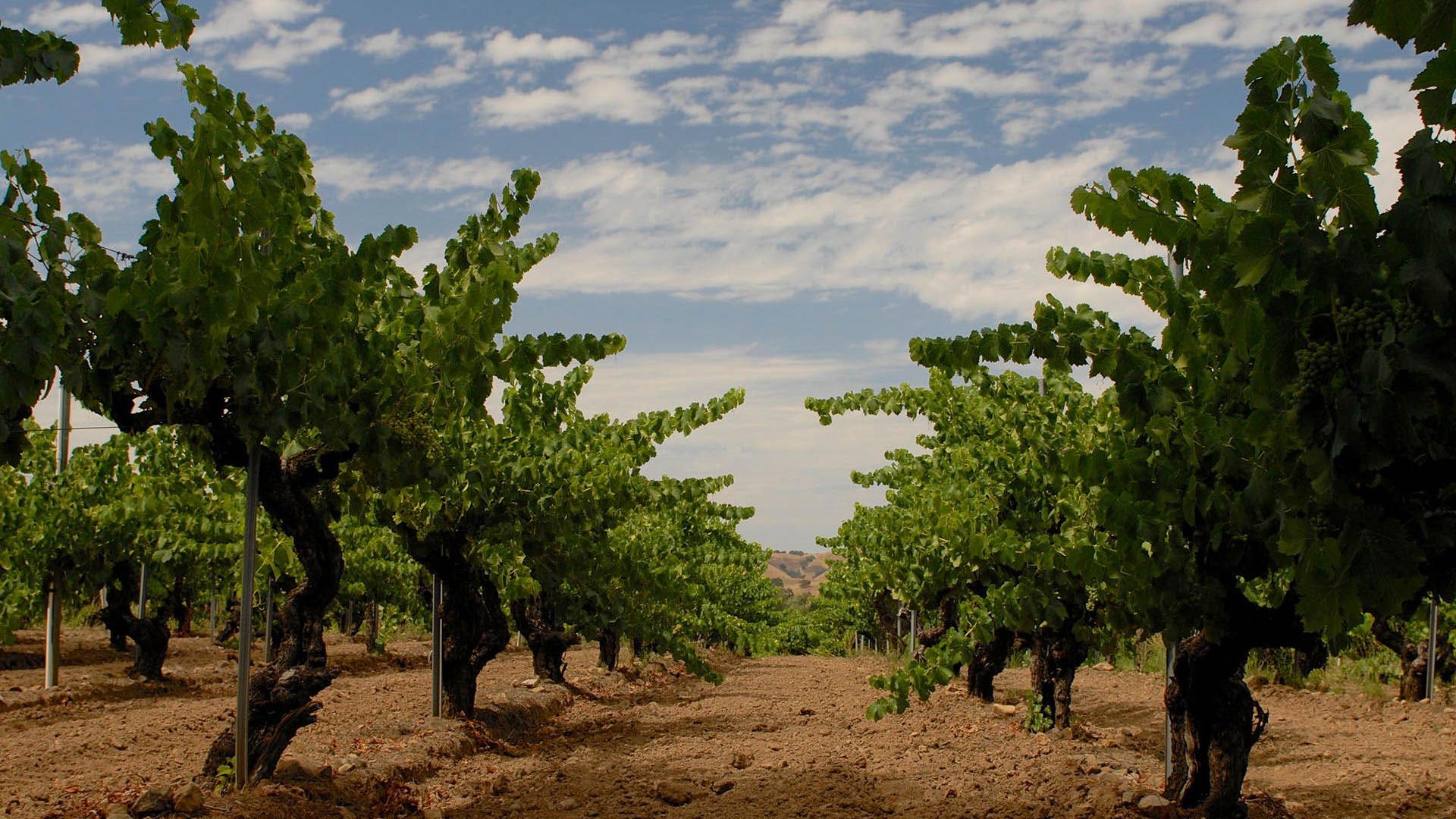
Approaching the Walla Walla estate, the first argument is geographical. The winery sits on historic farmland at the base of the Blue Mountains, with vineyard, garden, and mountain views setting the frame before any bottle is opened. That matters in a region where wine tourism can split between polished downtown tasting rooms and rural properties that make the land part of the tasting. K Vintners belongs to the second camp: relaxed, rustic, conversational, and built around a direct encounter with Washington fruit rather than a grand hospitality performance.
Walla Walla’s modern wine identity has never been only Cabernet. Rhône varieties, especially Syrah, have given the valley a second language: darker, more textural, often more site-specific than the broad luxury shorthand attached to Washington red wine. K Vintners works in that lane with unusual clarity. Its origin point was a 330-case 1999 K Syrah, followed by the winery opening in December 2001, and that small first release explains much of the house’s positioning. This is not an inherited-estate story; it is a Walla Walla story built around scarcity, vineyard designation, and a forceful graphic identity that made the bottle recognizable before the brand had decades of history behind it.
Syrah is the anchor, but Walla Walla is the argument
The production vocabulary here is specific: small-lot, single-vineyard Washington wines with Syrah at the center and Cabernet Sauvignon, Grenache, Tempranillo, Sangiovese, Viognier, and field blends in supporting roles. That mix places the winery in a category where Rhône influence and Washington ripeness are not treated as opposites. The more interesting point is how the range uses site and variety together. Bottlings such as K Royal City Syrah, K Powerline Syrah, K Powerline Viognier, K King Coal Cabernet Sauvignon-Syrah, K The Creator Cabernet Sauvignon-Syrah, and K Ovide Jack’s Vineyard show a portfolio organized around named expressions rather than generic varietal breadth.
The cellar language reinforces that direction. The wines are described through hand-picked fruit, foot-stomping, naturally occurring yeasts, and basket pressing. Those details are not decoration; they put the emphasis on handling, texture, and a less industrial path from vineyard to bottle. In practical terms, this is the kind of production stance that appeals to drinkers who want Washington wine with a sense of individual parcel and process, not only scale or polish. The price indicator sits in the premium tier, so the decision is less about casual sampling and more about whether Syrah-led, vineyard-focused Walla Walla belongs in the cellar or at the table.
Charles Smith’s role matters as a credential, but the stronger editorial point is regional. K Vintners became a foundation of the House of Smith portfolio because it gave Walla Walla a bold, Rhône-centric signal at a time when Washington wine was still negotiating how much of its identity would be Bordeaux-driven. The black “K” label may be visually blunt, but the wines make a more nuanced claim: Walla Walla can carry savory-leaning, small-lot Syrah and blended reds without borrowing prestige from older regions.
A rural tasting room rather than a downtown showroom
The experience is calibrated for people who want the estate setting to do part of the work. The atmosphere is low-key, with outdoor seating, group-friendly hospitality, and a small-capacity feel rather than a high-volume tasting-bar rhythm. Reservations are recommended, and the visit type includes estate tasting, seasonal outdoor tasting, and private tasting by appointment. The dress code is casual, which fits the farmland setting better than formal wine-country theater.
Logistics shape the visit. On-site parking makes the rural location easier to fold into a Walla Walla itinerary, and the winery’s connection to House of Smith gives the brand a broader local hospitality footprint. For travelers mapping a full Walla Walla stay, the estate visit pairs naturally with broader planning through Our full Walla Walla wineries guide, while dining, hotels, bars, and activities sit in separate city guides: Our full Walla Walla restaurants guide, Our full Walla Walla hotels guide, Our full Walla Walla bars guide, and Our full Walla Walla experiences guide.
The local wine conversation also rewards contrast. A Walla Walla itinerary can move between large-brand polish, allocation-driven producers, and smaller cellar-door formats without losing the thread of place. Nearby planning may include Charles Smith Wines for the wider House of Smith context, while Canvasback, Cayuse Vineryards, Cayuse Vineyards, and Devison Vintners help show how varied the region’s premium wine culture has become. For readers extending the wine lens beyond Washington, EP Club’s wider winery coverage ranges from 00 Wines in Carlton and 13th Vineyard in Angwin to 50 West Vineyards in Aldie, »der Steiner« Hans Steiner in Podersdorf am See, and & Handwein in Mannheim.
Who should prioritize it
K Vintners is strongest for travelers who read a wine list by variety, vineyard language, and producer intent. First-timers to Walla Walla get a clear introduction to the valley’s Rhône side, while repeat visitors get a sharper look at how Syrah and Cabernet-Syrah blends can define a producer as decisively as Cabernet alone. The absence of formal award language is not the issue here; the trust signals are structural: a 2001 opening, a 330-case first release, a named winemaker in Charles Smith, a House of Smith connection, and a portfolio that keeps returning to small-lot, single-vineyard Washington wine. That is enough to make the estate a serious stop for drinkers who care about terroir expression more than cellar-door spectacle.
Recognition history
Dated appearances from independent guides and award organizations, with the underlying list record or original source where available.
Falstaff Winery - Listed
Falstaff
Continue exploring
More in Walla Walla
Wineries in Walla Walla
Browse all →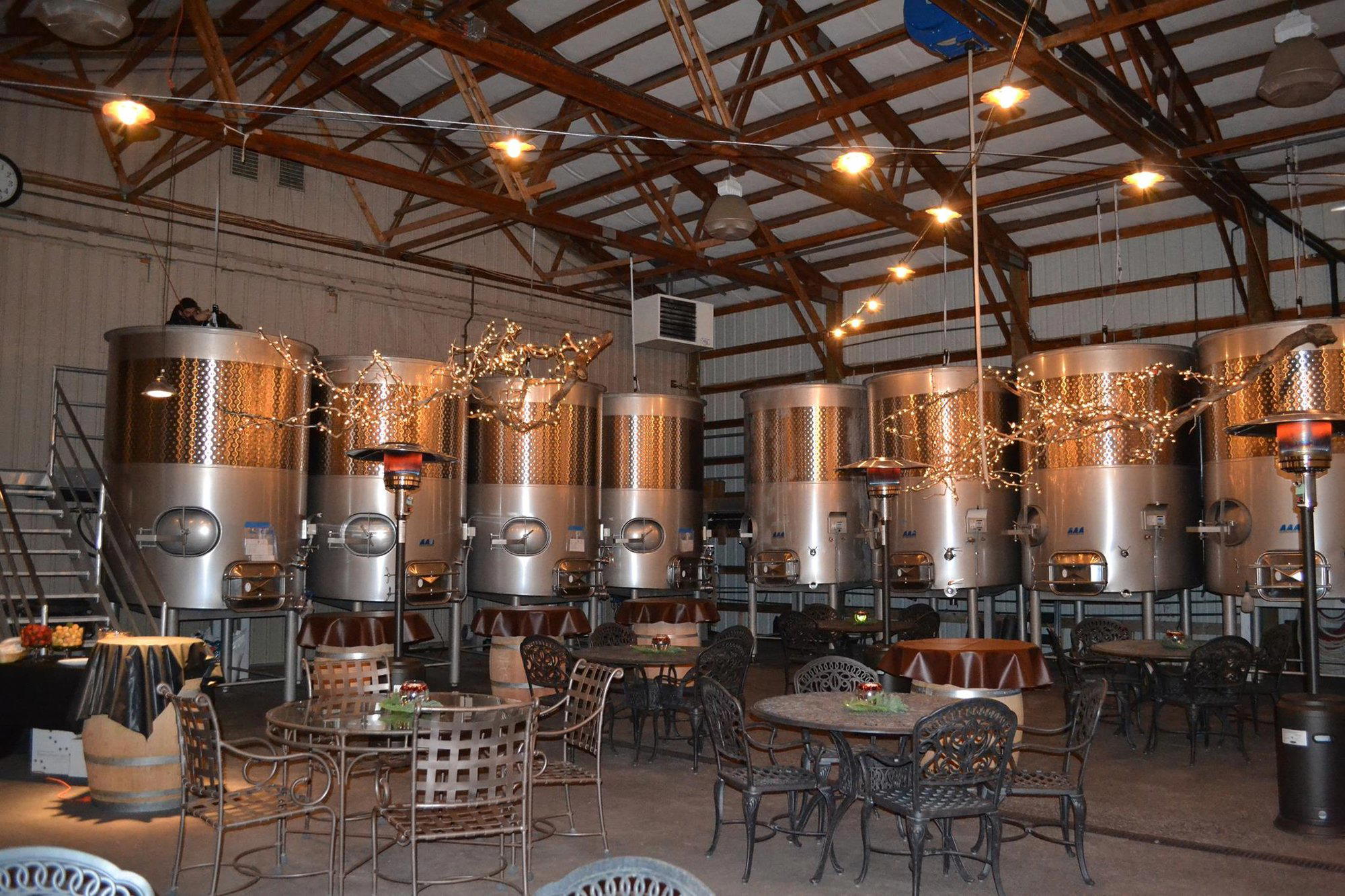
Restaurants in Walla Walla
Browse all →
Hotels in Walla Walla
Browse all →
Details
- Scenic
- Rustic
- Well Known
- Intimate
- Group Outing
- Romantic Getaway
- Solo Exploration
- Wine Education
- Special Occasion
- Estate Grounds
- Vineyard Tour
- Private Tasting
- Sustainable
- Mountain
- Vineyard
- Garden
- Syrah
- Cabernet Sauvignon
- Grenache
- Tempranillo
- Sangiovese
- Viognier
- Still Red
- Still White
- Estate Tasting
- Seasonal Outdoor Tasting
- Private Tasting By Appointment
- English
Relaxed, rustic winery setting on historic farmland at the base of the Blue Mountains, offering scenic vineyard and mountain views and an intimate, low-key tasting atmosphere focused on small-lot Washington wines.