
Falstaff Winery - Listed
Joseph Mellot is a heritage Sancerre estate built around terroir instruction rather than resort-style wine tourism. Its strength is regional breadth: a family-run house dating to 1513, working across all eight Centre-Loire AOCs, with guided cellar and estate formats that make the soils, appellations, and sustainability commitments legible in the glass.

Pearl is the En Primeur Club membership app — saves, bookings, and concierge access live there. Same editors, same standards.
- Address
- Sancerre, Center-Val de Loire, Frankreich
- Directions
- Get directions
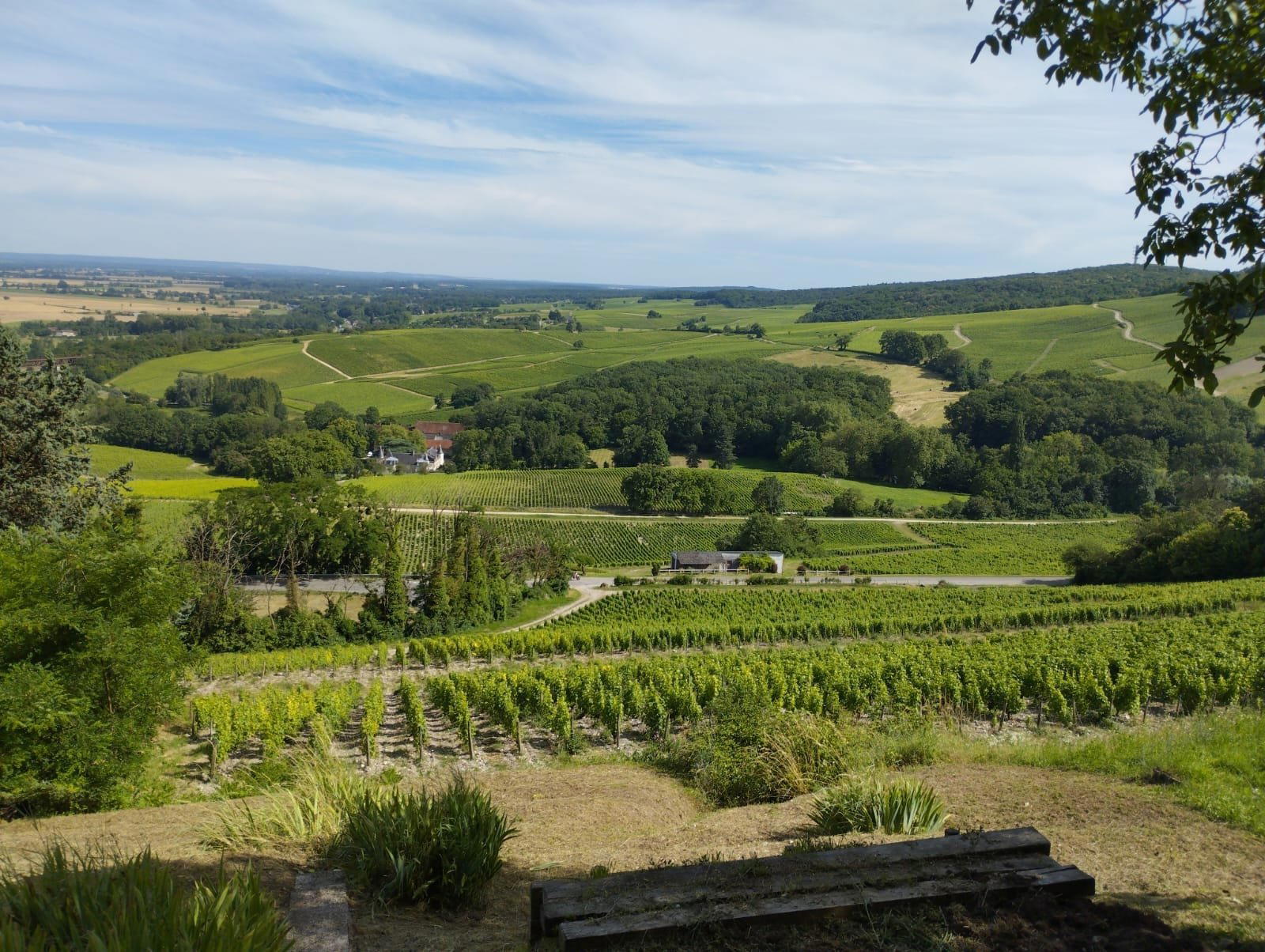
Joseph Mellot in Sancerre is best understood as a serious Loire Valley winery visit rather than a leisure-resort experience. The profile is narrow but useful: this is a historic family estate environment, focused on terroir-driven tastings in a working cellar setting, with a professional and educational atmosphere. For travelers who want the visit to feel grounded in place and production rather than staged hospitality, that distinction matters. It sets expectations before arrival and helps frame the experience as a purposeful stop for wine understanding, not a broad lifestyle venue trying to cover every kind of visitor need.
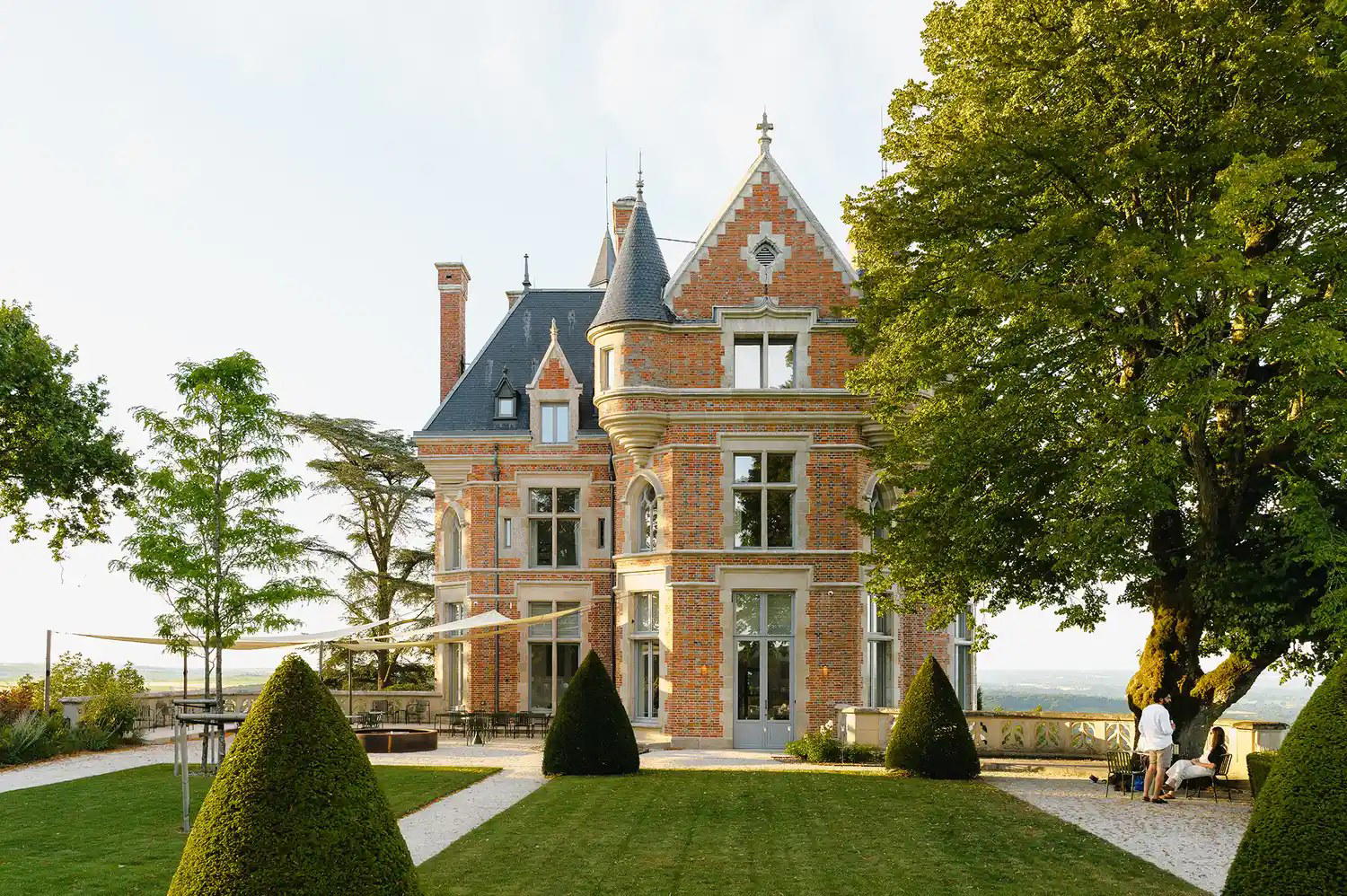
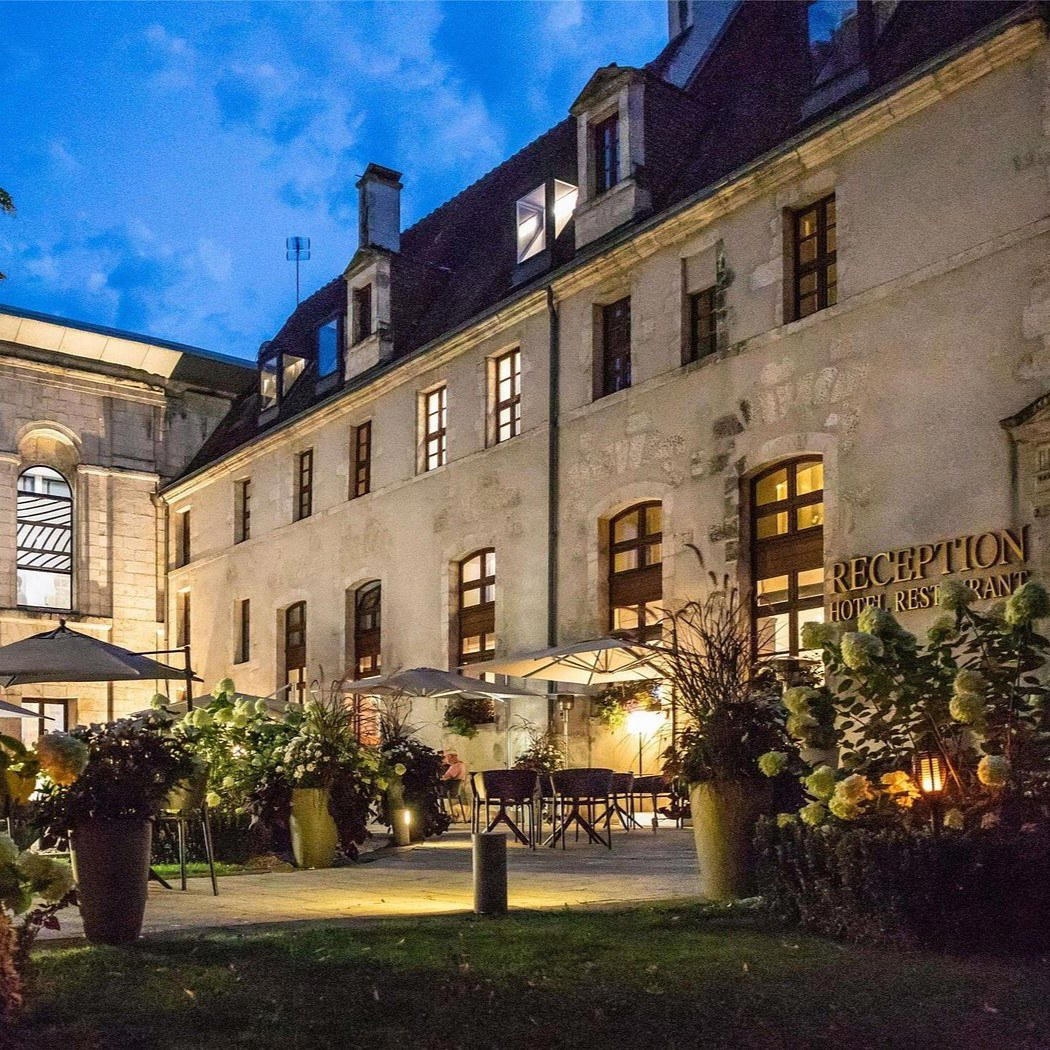
The core appeal is the setting and tone. Joseph Mellot is described as classic, historic, scenic, and sophisticated, but not flashy. The atmosphere is closer to a focused wine-learning stop than a casual afternoon lounge. Visitors should expect the emphasis to fall on wine, cellar context, and the language of terroir rather than on food service, resort amenities, or entertainment-style programming. In practical terms, that means the value of the visit is likely to come from attention: listening, tasting carefully, and connecting what is in the glass to the place it comes from. The appeal is not excess or novelty, but a more restrained sense of Sancerre identity.
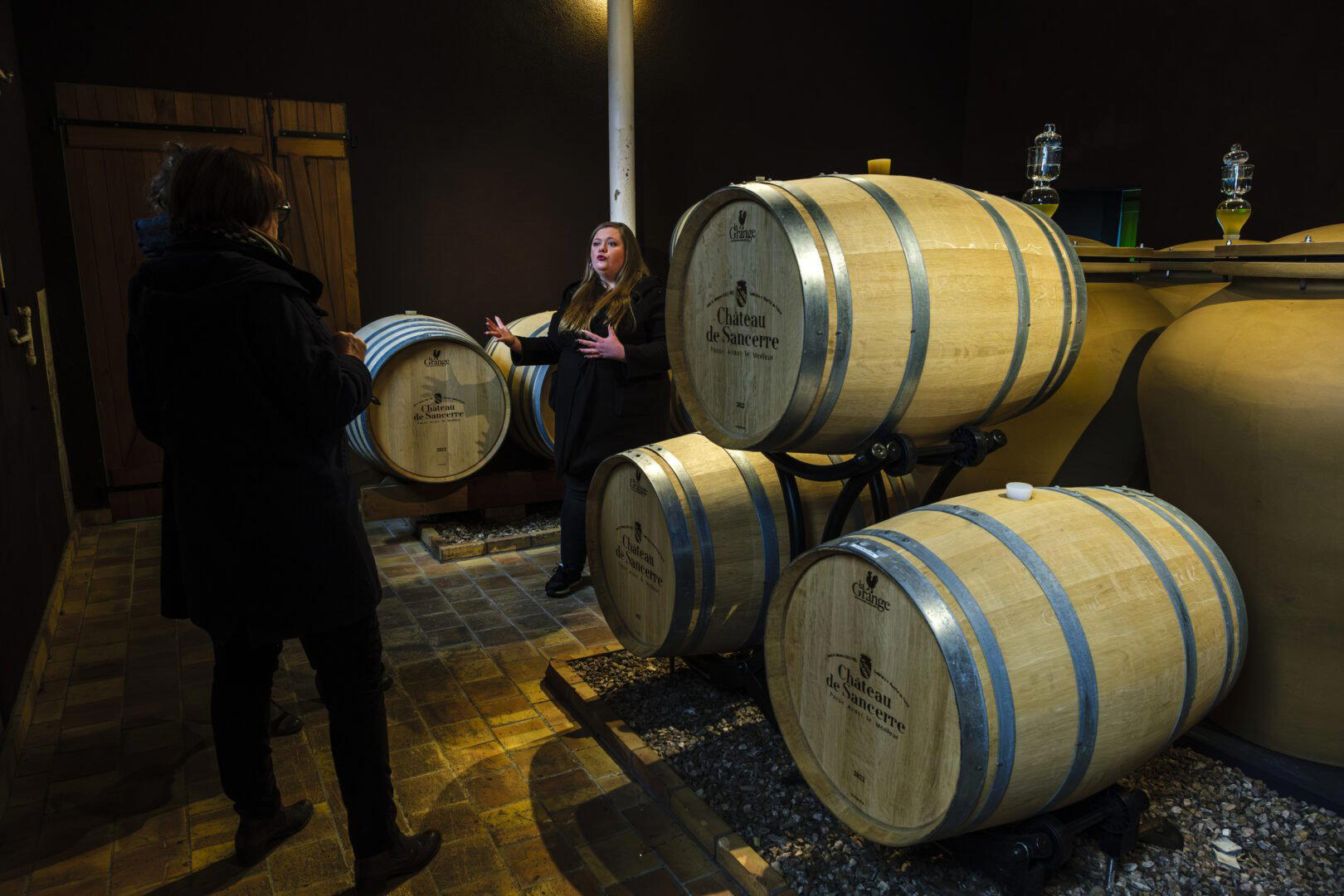
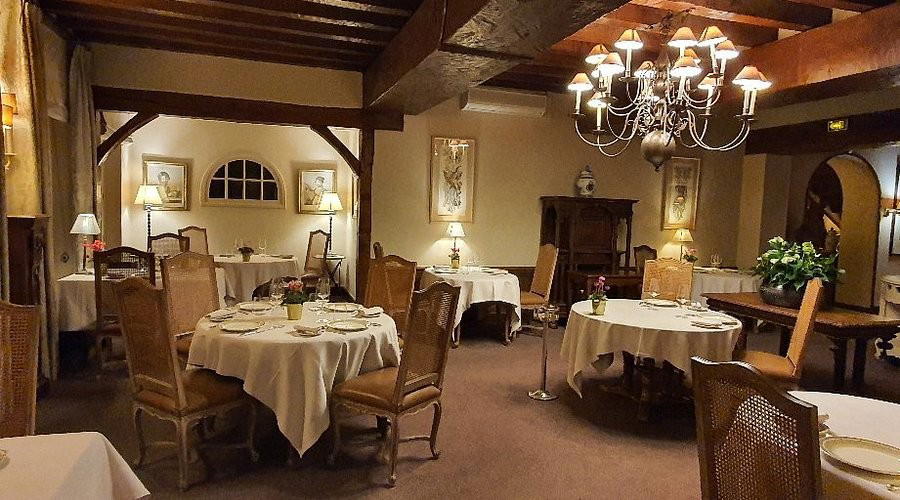
A working-cellar tasting with a serious Loire Valley feel
That makes it a strong fit for guests who value explanation, structure, and a sense of place in the glass. The working-cellar frame is important because it gives the visit a more grounded character. Rather than treating wine as an isolated product, the experience is positioned around the context in which it is made, discussed, and understood.
Sancerre itself carries a strong wine identity, and Joseph Mellot fits that context as a venue for visitors who want more than a quick pour. It should be approached as a winery visit where the atmosphere is educational and cellar-focused. The language around the venue points to a measured, informed style of hospitality, where the visit is shaped by the wines and by the idea of terroir rather than by a long list of add-on comforts. For travelers already interested in the Loire Valley, that focus can be a strength: it keeps the experience close to the region’s wine culture and avoids turning it into something generic.
The listed price is $22 per person. That gives travelers a practical benchmark when deciding whether to include Joseph Mellot in a Sancerre itinerary. It also helps clarify the nature of the decision: this is not presented as an all-day package or a resort-style splurge, but as a defined winery visit with a clear per-person reference point. Anyone comparing possible stops in the area can use that figure as one part of the planning picture, alongside timing, location, and the desired tone of the day.
What, and what should stay flexible
The most important confirmed elements are the venue name, the Sancerre location, the $22 per-person price, and the character of the experience: historic Loire Valley family estate, serious terroir-driven tastings, working cellar setting, and a professional educational mood. Those details are enough to position Joseph Mellot clearly without overstating what the public guide can verify. The picture they create is specific but intentionally contained: a classic Sancerre wine stop with substance, history, and cellar context at the center.
If any of those details matter to your visit, confirm them with Joseph Mellot before you go. That applies especially to the practical parts of planning, because a page like this can establish the character of a venue more reliably than it can guarantee every operational detail at the moment of travel. The safest reading is to treat the description as guidance on fit and mood, then check directly for the particulars needed to lock in a schedule.
This makes the venue especially suitable for travelers who are comfortable with a focused wine stop and who want the visit to be about Sancerre’s cellar culture rather than broader hospitality. The tone is classic and sophisticated, but the description points toward substance rather than spectacle. Guests looking for a polished yet serious environment should understand that the refinement here is tied to wine knowledge, family-estate history, and the range of Sancerre, not to a promise of expansive leisure amenities.
How to place it within a Sancerre itinerary
Joseph Mellot works well as a dedicated wine-education anchor in Sancerre. Build the rest of the day around the town and its surrounding wine context, leaving room for meals or other Sancerre stops separately. That approach keeps the visit in proportion: let Joseph Mellot serve as the cellar-focused piece of the itinerary, then allow other parts of the day to handle dining, wandering, or additional local context. It is a sensible way to avoid asking one venue to provide every element of the Sancerre experience.
For comparison, keep the reference point simple: Joseph Mellot is the Sancerre venue covered here. The relevant distinction is not whether it competes with every possible wine-region activity, but whether its particular style matches the traveler’s priorities. If the priority is a serious, place-driven tasting in a historic Loire Valley family estate setting, it belongs on the shortlist. If the priority is a looser hospitality experience, the fit should be considered more carefully.
The editorial case is therefore concise: Joseph Mellot is a historic, scenic, sophisticated Sancerre winery experience with a working-cellar atmosphere and serious terroir-driven tastings, listed at $22 per person. Choose it when the goal is a professional and educational wine visit in Sancerre, and verify operational details directly before making fixed plans. Read in that way, the venue’s strengths are clear: a defined sense of place, a restrained Loire Valley tone, and an experience built around wine rather than distraction.
Recognition history
Dated appearances from independent guides and award organizations, with the underlying list record or original source where available.
Falstaff Winery - Listed
Falstaff
Continue exploring
More in Sancerre
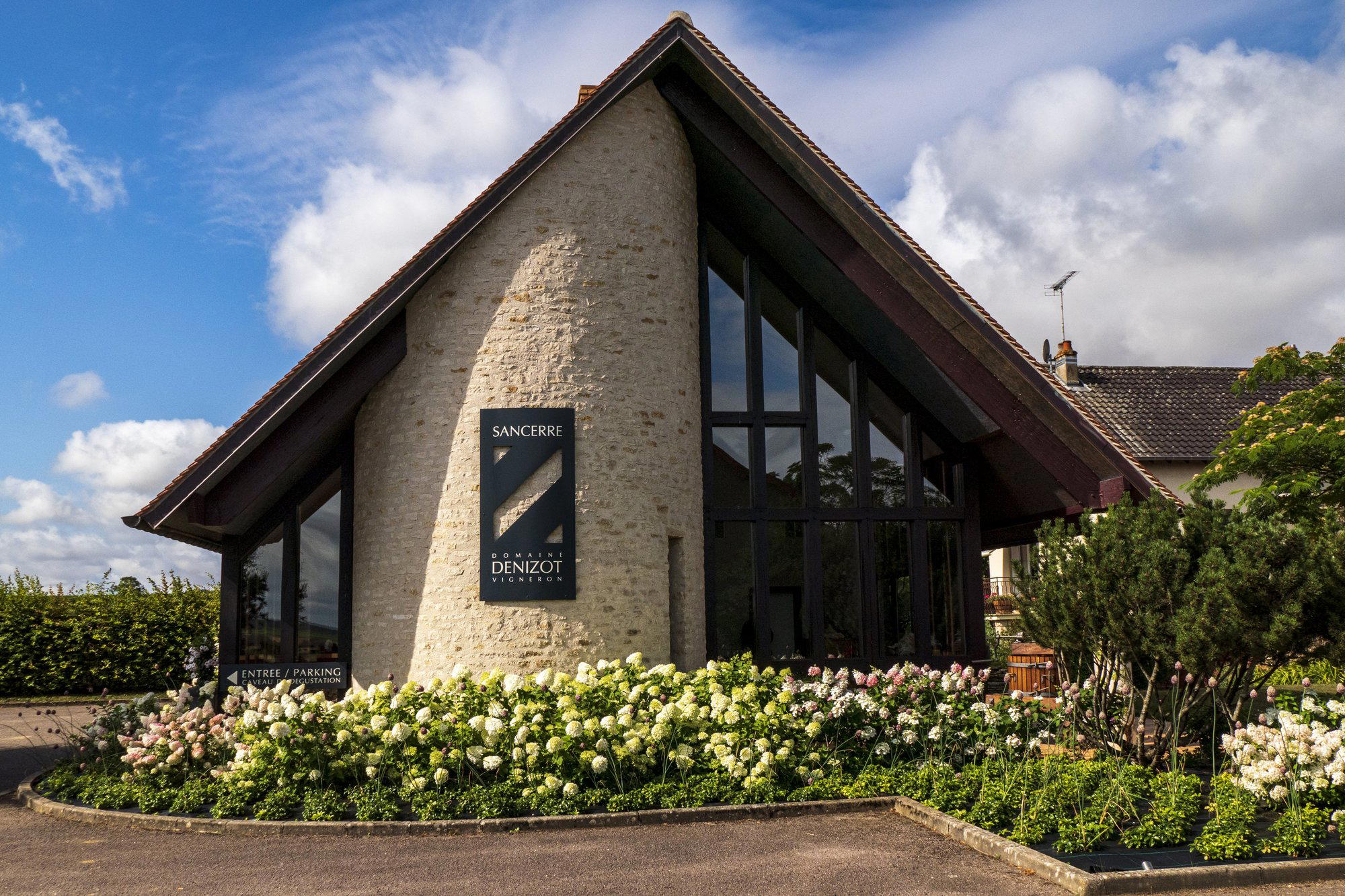
Wineries in Sancerre
Browse all →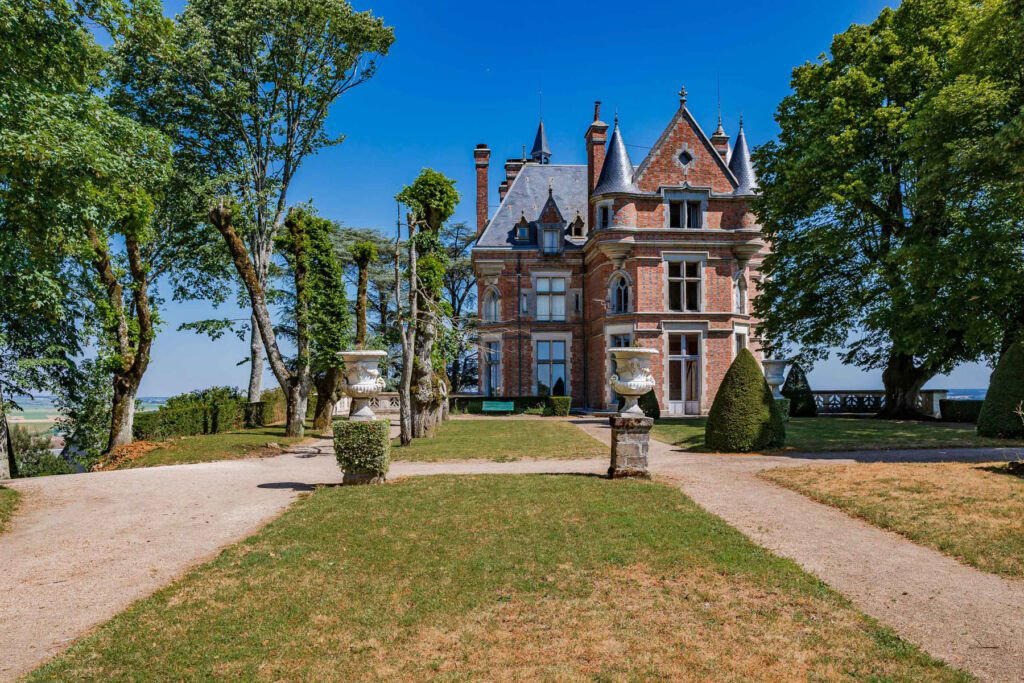
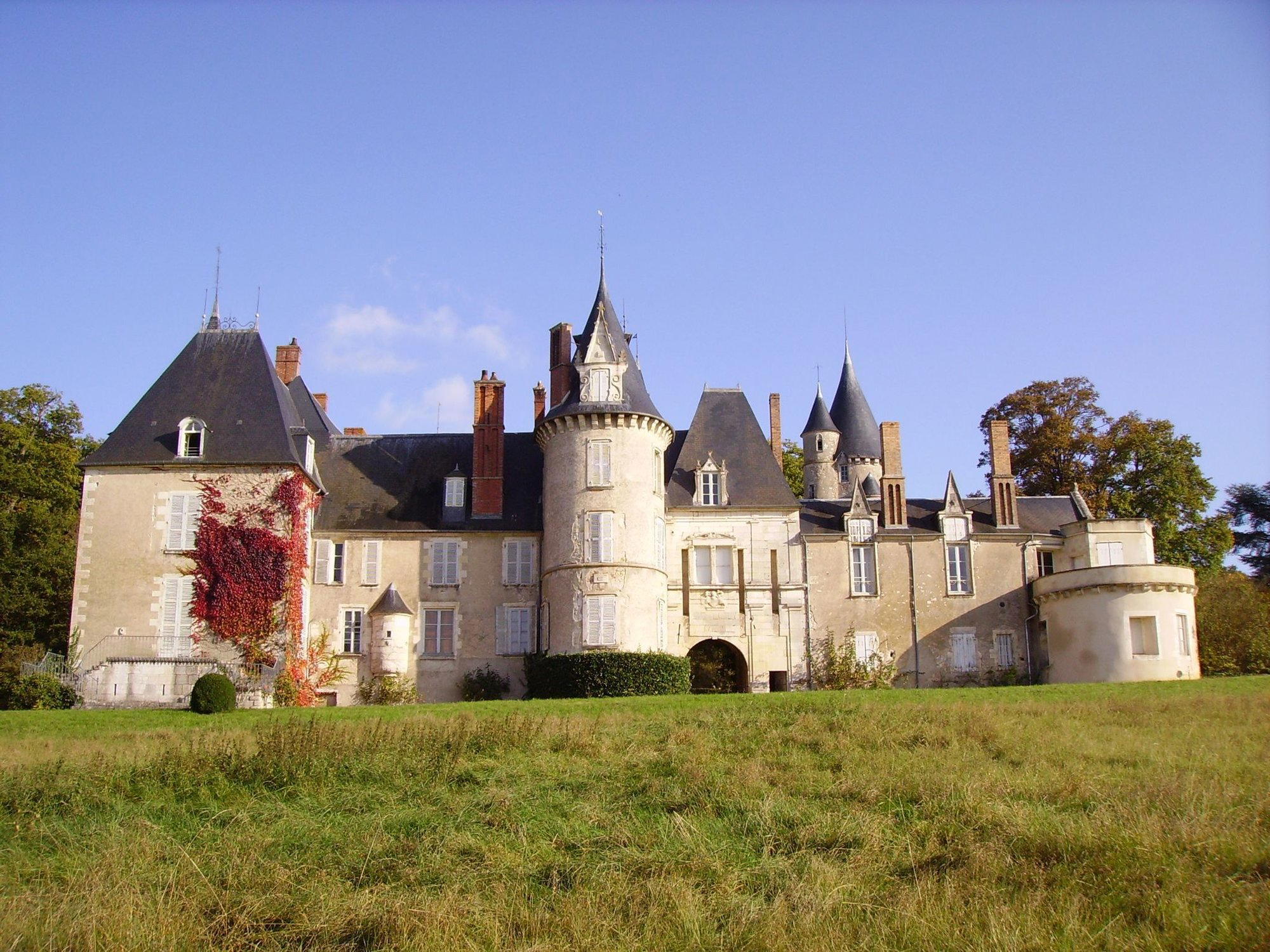

Restaurants in Sancerre
Browse all →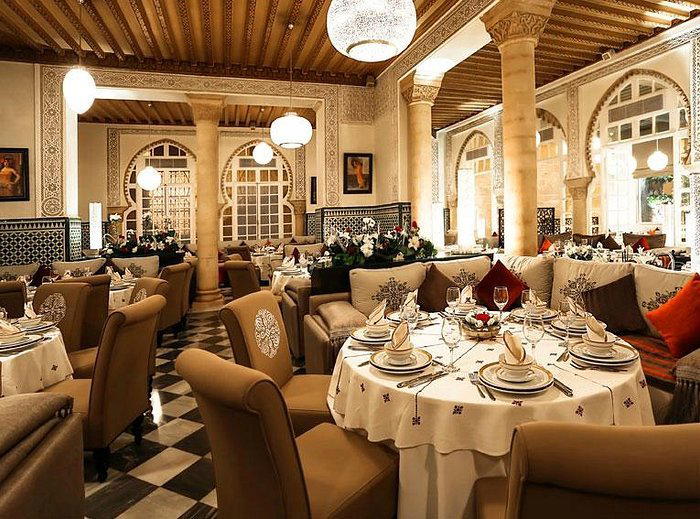
Details
- Classic
- Historic
- Scenic
- Sophisticated
- Wine Education
- Group Outing
- Romantic Getaway
- Solo Exploration
- Estate Grounds
- Historic Building
- Private Tasting
- Organic
- Sustainable
- Vineyard
- Sauvignon Blanc
- Pinot Noir
- Still White
- Still Red
- Still Rosé
- Cellar Tasting
- Estate Tour
- Guided Tasting
- French
- English
Historic Loire Valley family estate winery focused on serious, terroir-driven tastings in a working cellar setting, with a professional, educational atmosphere rather than a leisure resort feel.