
Grupo Peñaflor S.A. is better understood as a large Mendoza-linked wine group than as a conventional cellar-door estate. Its interest lies in scale, export reach and a portfolio that stretches across Malbec, Cabernet Sauvignon and Pinot Noir, with Mendoza acting as the anchor for a wider Argentine wine map.
Pearl is the En Primeur Club membership app — saves, bookings, and concierge access live there. Same editors, same standards.
- Address
- s/n, C. Nueva Mayorga, Mendoza, Argentina
- Phone
- +54 11 5198-8000
- Website
- grupopenaflor.com.ar
- Directions
- Get directions
 Saves & bookings on Pearl
Approach this as industrial Mendoza rather than postcard Mendoza: a production-minded wine operation where the story is less about a manicured tasting lawn and more about how Argentine wine moves from regional identity into national and export scale. Grupo Peñaflor S.A. sits in the part of the wine trade where tanks, logistics, brand architecture and appellation language matter as much as the romance of vineyard rows.
That distinction is useful in Mendoza, a region often sold through mountain views and intimate tastings. Here the sharper editorial lens is terroir translated through volume. The group’s portfolio points repeatedly back to Mendoza and its key subregions, while also reaching into other Argentine wine identities. For travelers who already understand boutique bodega culture, this is a different register: the corporate end of Argentine wine, where Malbec remains the commercial spine but Cabernet Sauvignon and Pinot Noir broaden the conversation.
Mendoza as production anchor, not just cellar-door scenery
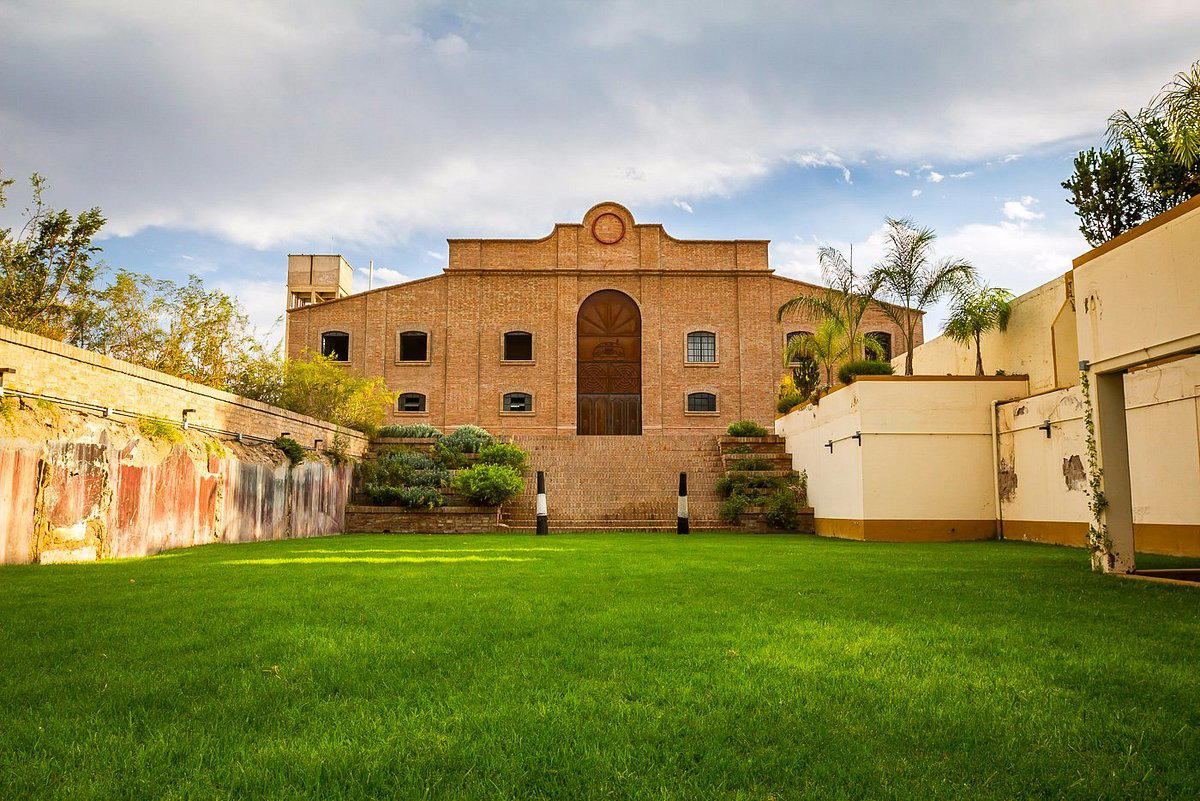
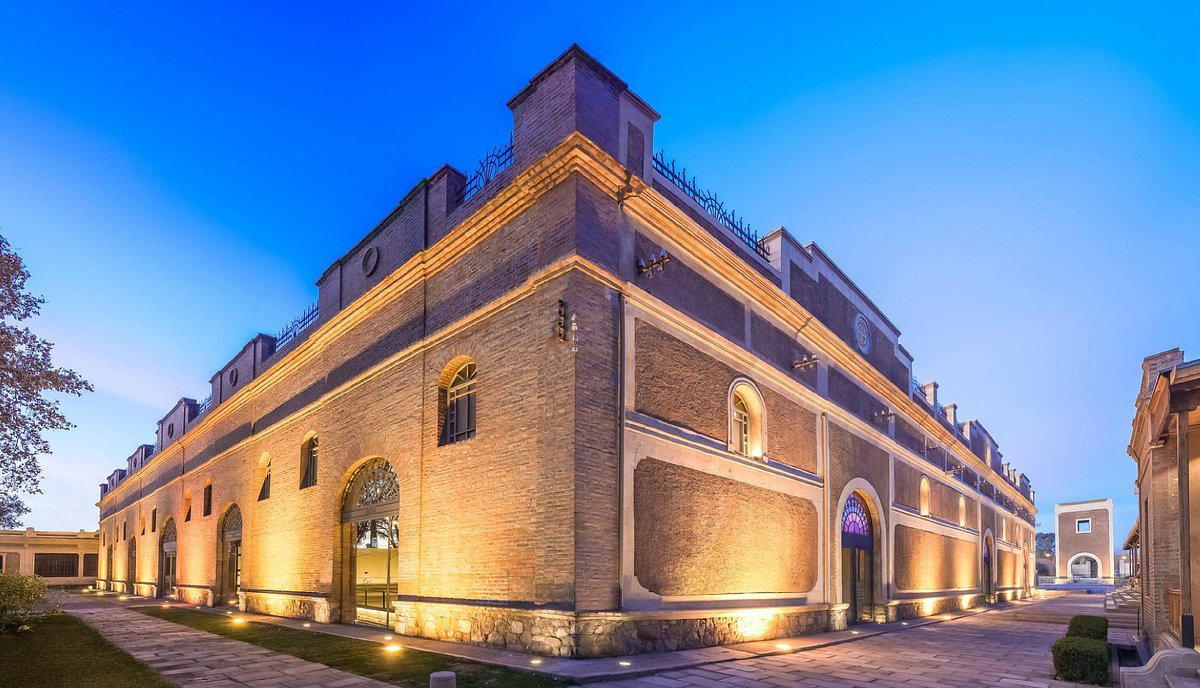
Mendoza’s modern wine reputation rests on altitude viticulture, dry climate, irrigation discipline and the global success of Malbec. Grupo Peñaflor S.A. belongs to that larger Mendoza story through its wine-brand footprint and production profile, rather than through a tightly documented visitor ritual. Its setting is described as an industrial winery headquarters and production facility, with a classic, large-scale operating character. That makes it more relevant to readers interested in the machinery behind Argentine wine than to those looking for a leisurely tasting-room itinerary.
The portfolio evidence is broad enough to show how the land is being framed commercially. Named wines associated with the group include Malbec, Cabernet Sauvignon and Pinot Noir, with references spanning Mendoza, Uco Valley, Luján de Cuyo, Agrelo, Neuquén and Patagonia. That spread matters. Mendoza supplies the gravitational force, especially for Malbec and Cabernet, while Patagonia and Neuquén bring cooler-climate associations into the same corporate family. The result is not a single-estate terroir study; it is a map of Argentine wine categories packaged through multiple labels.
International judging visibility adds a useful trust signal. IWSC profiles have surfaced entries tied to Bodega Trapiche, Bodega Mascota Vineyards and Bodega Navarro Correas under the group umbrella, including reserve and gran reserva bottlings. The takeaway is not medal-chasing glamour. It is that the group operates in a competitive arena where Argentine varietal identity, export readiness and brand segmentation are being assessed beyond the domestic market.
A portfolio built around Malbec, with room for Cabernet and Pinot Noir
Malbec remains the clearest through-line. That is hardly surprising in Mendoza, where the grape has become both regional shorthand and export engine. Within the group’s named portfolio, Malbec appears across several tiers, including reserve-style positioning. Cabernet Sauvignon brings a more classical red-wine counterweight, particularly in gran reserva language, while Pinot Noir pulls the portfolio toward cooler Argentine geographies such as Patagonia.
This is where Grupo Peñaflor S.A. becomes interesting as a case study in scale. Smaller wineries often ask travelers to focus on a single estate, a handful of blocks or a house style. A large producer asks a different question: how does a region maintain identity when wine is made across brands, tiers and markets? In this case, the answer be category discipline. Mendoza-linked Malbec does the heavy lifting, Cabernet adds structure to the red-wine offer, and Pinot Noir signals breadth beyond the familiar Andean script.
Trade data also reinforces the industrial reading. The company is identified within the Distillers & Vintners category, with 53 shipment records and a documented 2025 beverage shipment to Mexico. For a travel reader, that is not a tasting note; it is context. This is the supply-chain side of Mendoza wine, the part that explains how Argentine labels reach restaurant lists, retailers and import markets far from the Andes.
How to place it within a Mendoza wine itinerary
The winery is not the natural choice for travelers seeking a small-format hospitality experience, food pairing or scenic afternoon built around a public tasting room. Its visit type is appointment only, and the available profile is corporate and production-led. The better reason to pay attention is educational: it shows the scale end of Mendoza’s wine economy, where brand families, export channels and multi-region sourcing sit behind bottles that may look simple on a shelf.
For a fuller Mendoza plan, treat it as one reference point among more hospitality-forward wineries and city resources. EP Club’s Mendoza coverage includes winery pages for Alfa Crux, Altos Las Hormigas, Belhara Estate, Bodega Argento and Bodega Carelli. Broader planning is covered in Our full Mendoza wineries guide, alongside Our full Mendoza restaurants guide, Our full Mendoza hotels guide, Our full Mendoza bars guide and Our full Mendoza experiences guide.
Readers comparing regional formats can also look at Achaval Ferrer in Luján de Cuyo, Alamos – Wines of Catena in Vista Flores and Alpasión Vineyards in Tunuyán. For a wider European contrast in winery format, EP Club also covers »der Steiner« Hans Steiner in Podersdorf am See and & Handwein in Mannheim.
The editorial verdict is simple: this is a Mendoza wine name to understand through structure rather than spectacle. Its value lies in showing how Argentine terroir becomes portfolio, export category and commercial language at scale.
Recognition history
Dated appearances from independent guides and award organizations, with the underlying list record or original source where available.
Falstaff Winery - Listed
Falstaff
Continue exploring
More in Mendoza
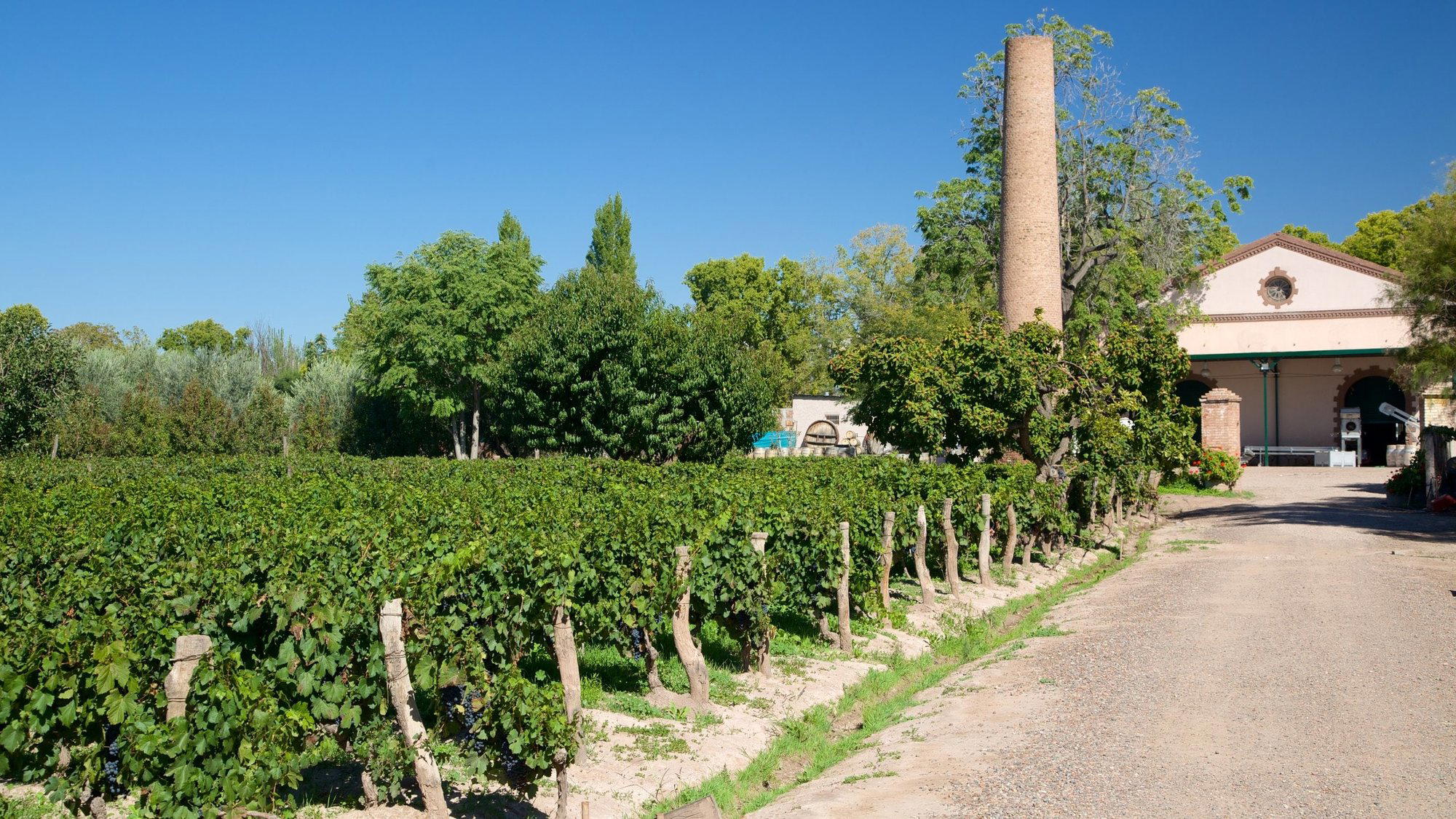
Wineries in Mendoza
Browse all →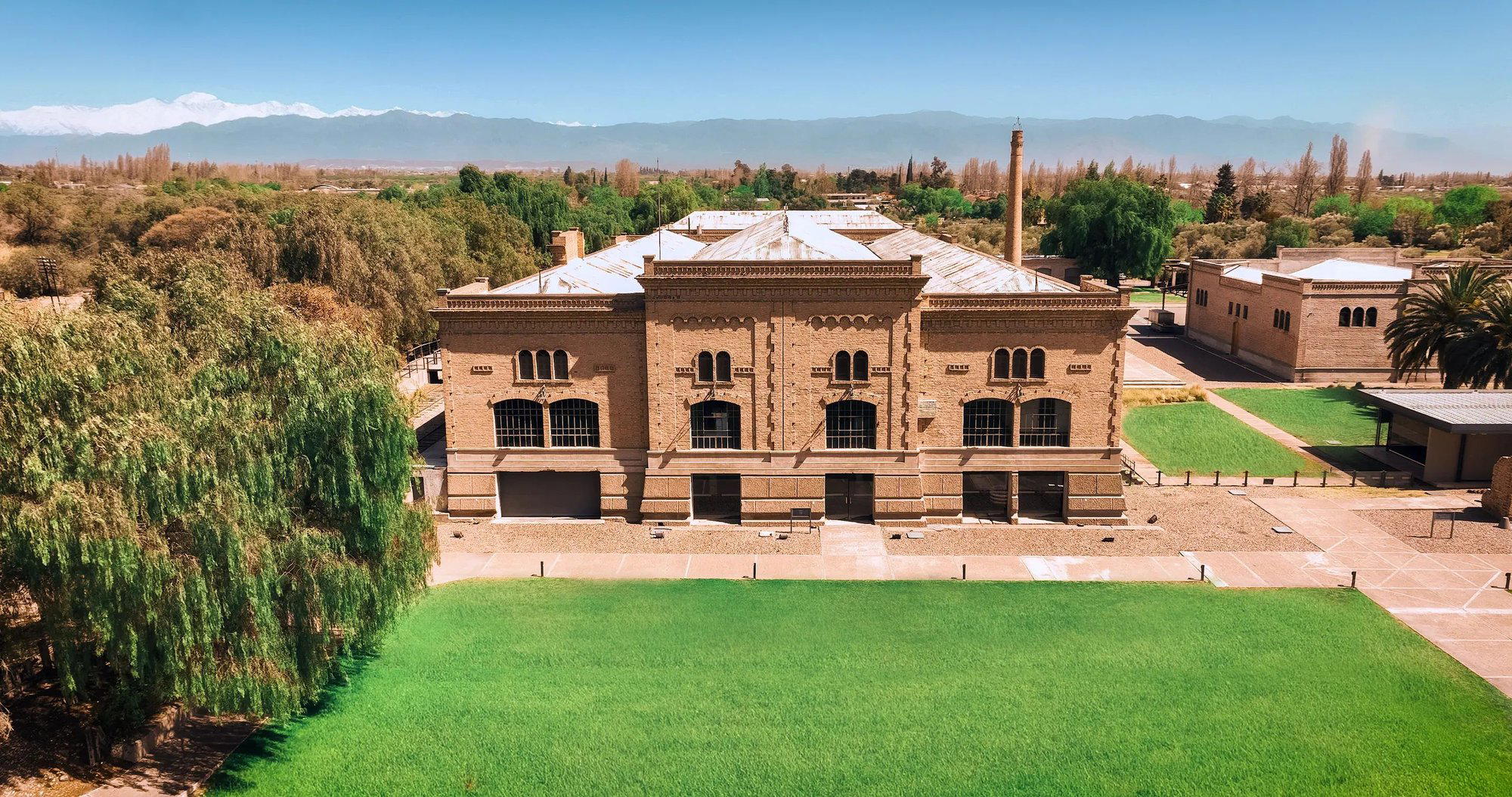
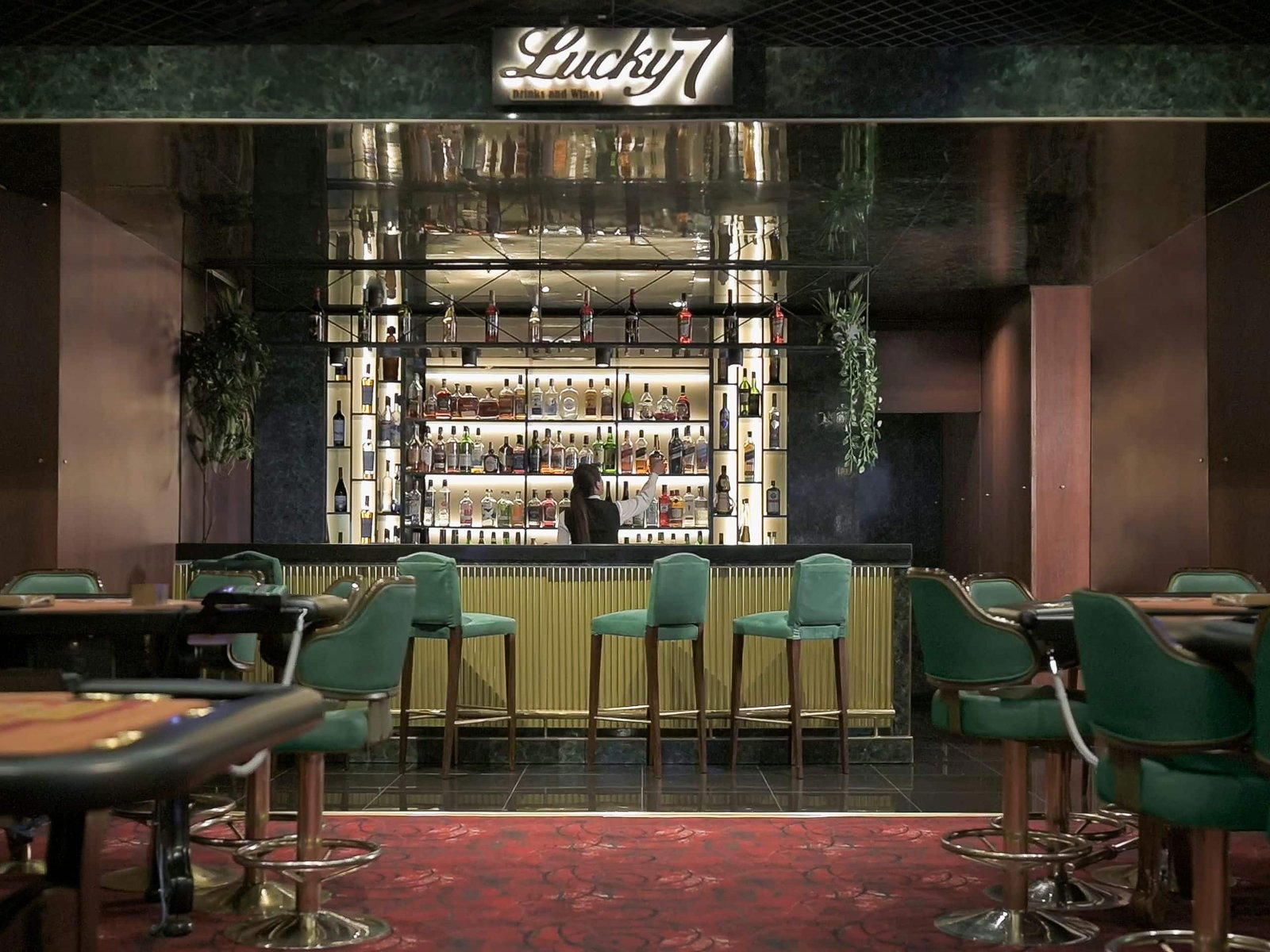
Bars in Mendoza
Browse all →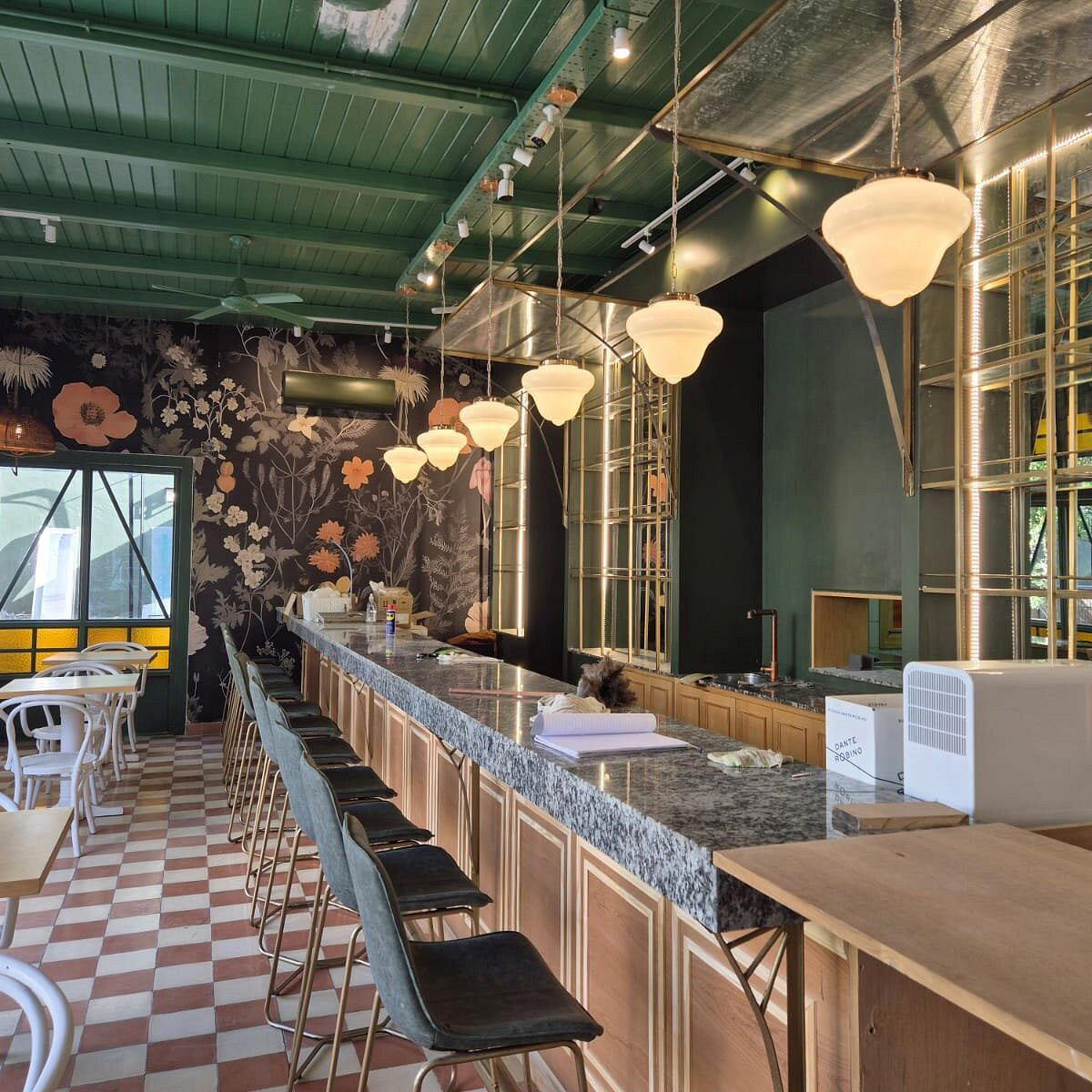

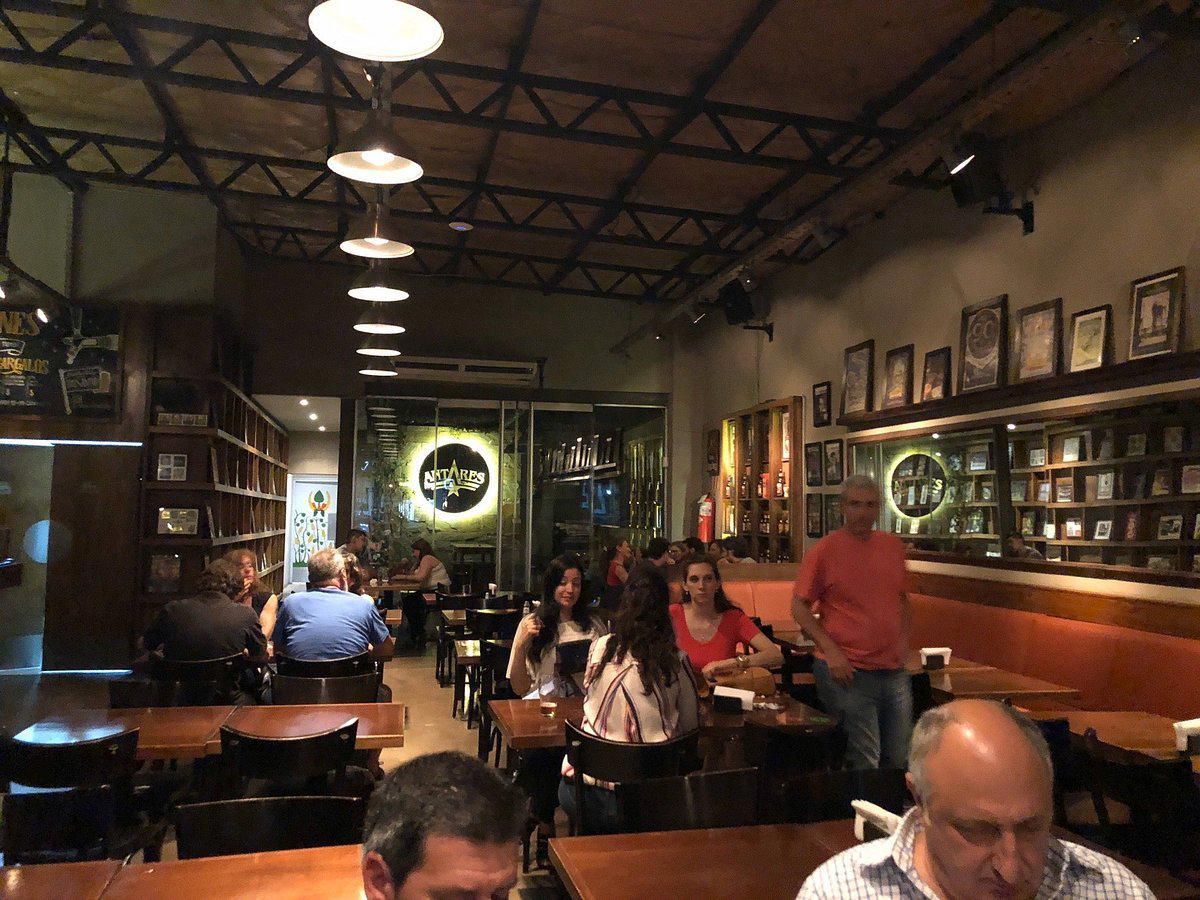
Restaurants in Mendoza
Browse all →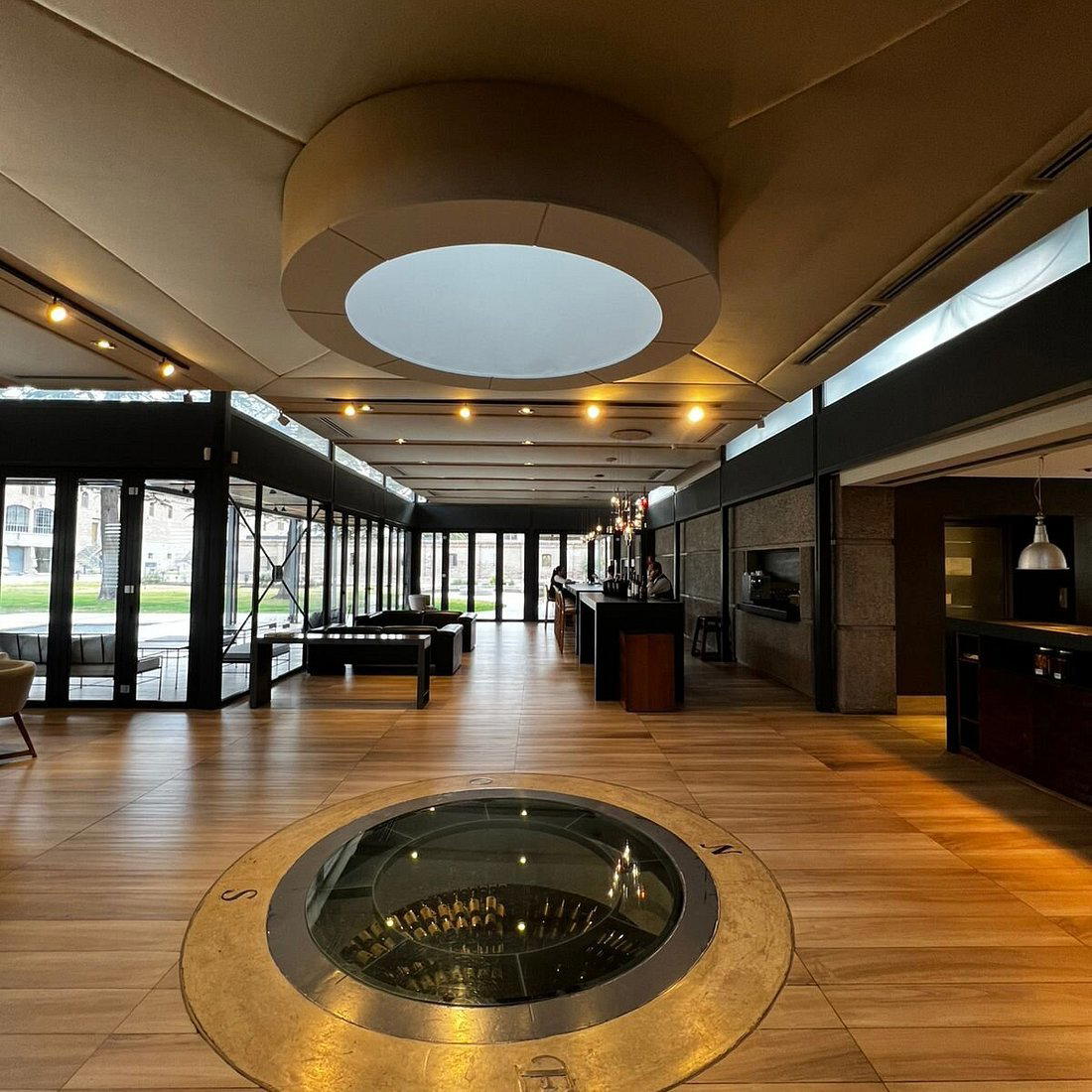
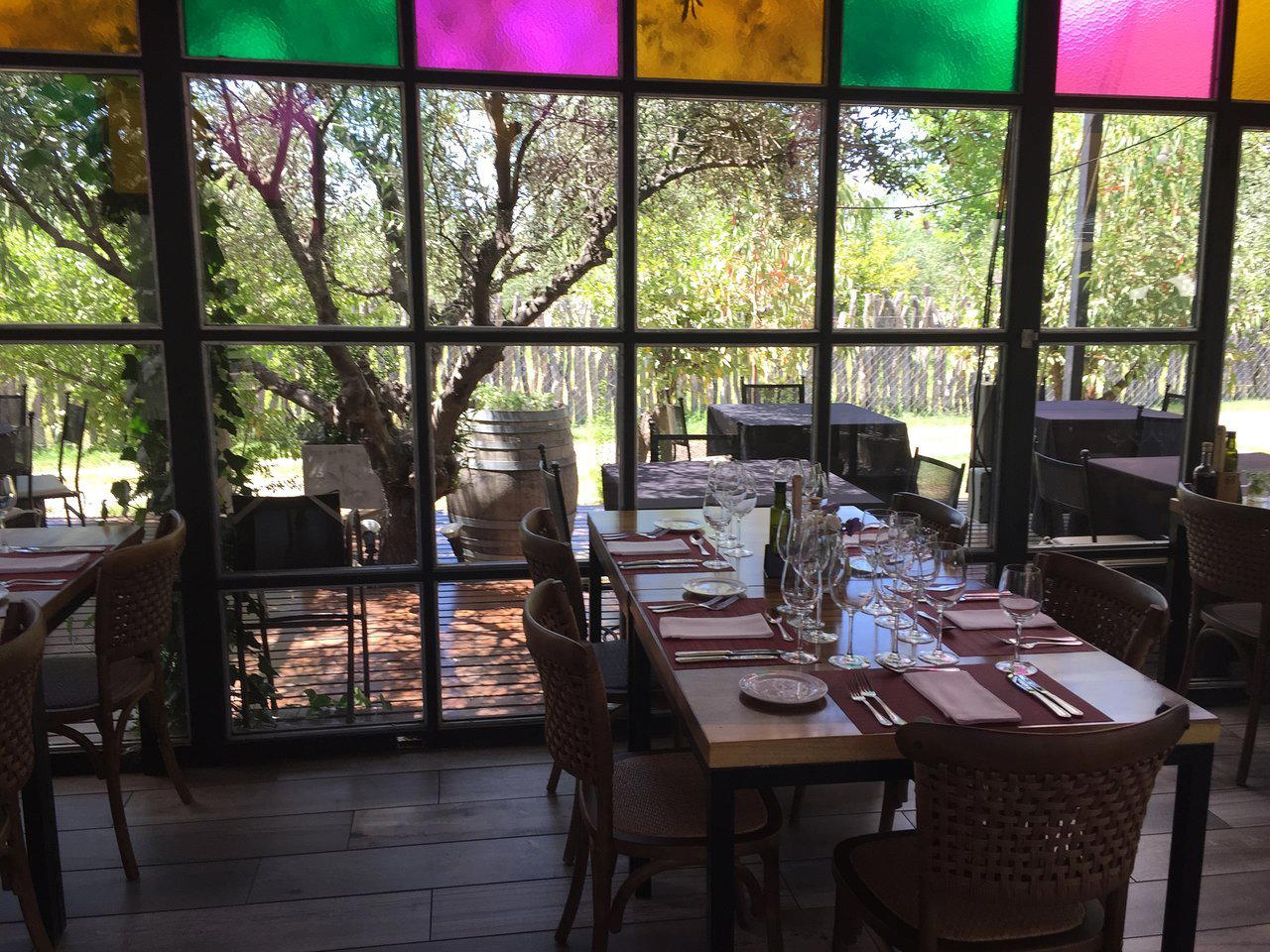
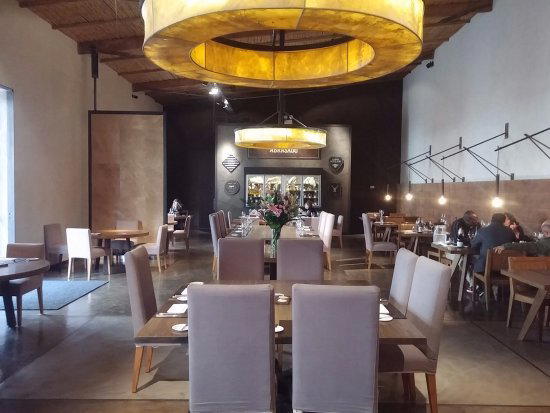

At a Glance
- Industrial
- Classic
- Corporate Event
- Group Outing
- Mendoza
- Still Red
- Still White
Current opening hours
- Monday
- 9 AM–6 PM
- Tuesday
- 9 AM–6 PM
- Wednesday
- 9 AM–6 PM
- Thursday
- 9 AM–6 PM
- Friday
- 9 AM–6 PM
- Saturday
- Closed
- Sunday
- Closed
Hours can change for holidays and private events. Last verified .