The name pairs a family surname with a working-class bittersweet — two signals that point toward a kitchen rooted in Argentine tradition rather than international posturing. For visitors building a serious Rosario itinerary, it belongs on the shortlist.

Pearl is the En Primeur Club membership app — saves, bookings, and concierge access live there. Same editors, same standards.
- Address
- Rosario, Argentina
Rosario's Drinking and Dining Terrain
Rosario occupies a different register from Buenos Aires in Argentina's hospitality story. The country's second city by economic weight and third by population has never needed to perform for international audiences in the way the capital does, and that confidence shows in how its better restaurants and bars operate. There is less theatrical plating, less deference to external trend cycles, and more willingness to anchor a room in the specific flavours and social rituals of the Litoral — the broad agricultural zone that feeds much of the country and defines the taste memory of the people who grow up here. It is against that backdrop that our full Rosario restaurants guide positions the city's more serious addresses, and it is within that backdrop that Fratelli Tassano (Amargo Obrero) earns its place.
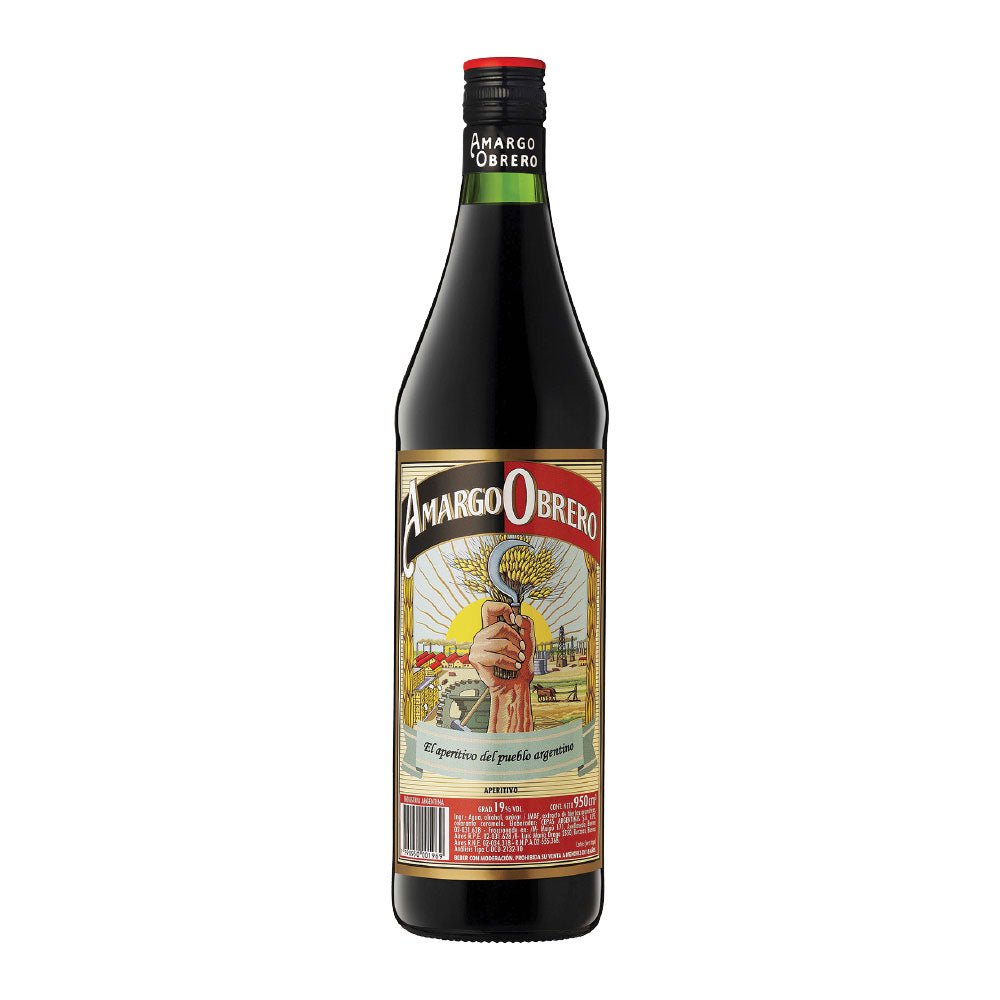
The dual name is worth pausing on. Fratelli points toward Italian immigrant heritage — the same lineage that shaped Argentine wine culture through families like those behind Bodega Norton in Luján de Cuyo and Escorihuela Gascón in Godoy Cruz. Amargo Obrero translates literally as Bitter Worker, a reference to amargo, the herbal bitter drink that is almost a social institution in the Río de la Plata region. Read together, the name signals something specific: a kitchen or bar that operates where Italian-Argentine tradition meets the working-class drinking culture of the Pampas. That is not a marketing position. It is a factual description of where Rosario's culinary identity sits at its most grounded.
The award year of 2025 also matters: it is current, not legacy recognition carried over from a previous iteration of the room or kitchen.
Compare the narrow varietal focus of Bodega Colomé in Molinos or the altitude-driven terroir argument made by Terrazas de los Andes in Mendoza with producers that simply make competent wine across a broad range. The specificity is the credential. Fratelli Tassano (Amargo Obrero), in its very name, announces a specific rather than a general identity.
Terroir Expression in the Rosario Context
The editorial angle of terroir expression applies to restaurants and bars as much as it does to wine estates. In a wine context, terroir means the combination of soil, climate, topography, and human practice that gives a product its irreducible sense of place. Applied to a Rosario address, it means asking what is in the glass and on the plate that could only have come from this specific geography and social history.
The Litoral terroir for drinks runs through amargo culture. Amargo Obrero as a drink category sits in a lineage that includes fernet, hesperidin bitters, and the various herbal digestif traditions brought by Italian and Spanish immigrants to the Río de la Plata basin. The Fratelli Branca Distillery in Buenos Aires represents one branch of that same Italian-Argentine bitters tradition at industrial scale. Fratelli Tassano (Amargo Obrero) appears to occupy a far more intimate, neighbourhood-scale position in that same lineage, the kind of address where the product in the glass connects directly to the social fabric of the street outside.
That connection between liquid culture and agricultural landscape is not unique to Argentina, but Argentina expresses it with particular intensity. The Mendoza wine estates that shaped the country's international identity, from Bodega Trapiche to Rutini Wines in Tupungato to the Patagonian operations of Familia Schroeder in San Patricio del Chañar, all built their arguments on the specificity of their soil and altitude. The equivalent argument for a Rosario address built around bitters and working-class tradition is made through provenance of ingredient, consistency of technique, and depth of cultural reference rather than elevation or soil type. It is a different kind of terroir, but the intellectual structure is the same.
How This Address Sits in the Argentine Hospitality Tier
Argentina's hospitality market has sharpened considerably in the last decade. The Mendoza wine corridor now includes estate experiences at the level of Bodega DiamAndes in Tunuyán and Bodega Bressia in Agrelo, while the northern wine routes through Cafayate, anchored by addresses like Bodega El Esteco, have built a case for Torrontés and high-altitude Malbec as legitimate world categories.
Smaller boutique operations, like Bodega Antigal in Maipú, demonstrate that focused production with clear identity can hold its own in Argentina's recognition landscape without volume or brand infrastructure. The same principle applies to a city restaurant or bar with a clearly defined cultural anchor. Fratelli Tassano (Amargo Obrero)'s name, and the recognition it carries, suggests it has found that anchor.
For comparison outside Argentina: the kind of terroir-grounded, culturally specific address represented here has parallels in the way that places like Accendo Cellars in St. Helena or Aberlour in Aberlour draw their identity from place rather than from trend. The geographic and cultural scale differs enormously, but the logic of specificity as credential is consistent.
Planning a Visit
Rosario is accessible from Buenos Aires by road in roughly three to four hours or by domestic flight into Islas Malvinas International Airport, which handles regular connections from Buenos Aires. The city is compact enough that a serious dining and drinking itinerary can be built over two nights without a vehicle. The 2025 Prestige recognition suggests it operates at a standard where advance contact is worthwhile, particularly if you are building a tight itinerary.
Rosario rewards visitors who approach it as a city with its own culinary logic rather than as a detour from Buenos Aires. The addresses that carry recognition here, including this one, tend to reflect the city's character: direct, grounded in local tradition, and uninterested in performing for an audience that doesn't already understand the reference. That is the condition under which places like Fratelli Tassano (Amargo Obrero) operate, and the condition under which they are leading appreciated.
| Venue | Cuisine | Price | Awards |
|---|---|---|---|
| Fratelli Tassano (Amargo Obrero)This venue — the venue you are viewing | This venue | Not listed | Not listed |
| Bodega El Esteco | Not listed | Not listed | Falstaff Winery - Listed |
| Bodega Norton | Not listed | Not listed | Michelin Plate · Falstaff Winery - Listed |
| Chakana Winery | Not listed | Not listed | Falstaff Winery - Listed |
| Cheval des Andes | Not listed | Not listed | Falstaff Winery - Listed |
| Escorihuela Gascón | Not listed | $30–50 | Not listed |
Details
- Rustic
- Cozy
- Classic
- Solo Exploration
- Special Occasion
- Group Outing
Deeply local and unshowy, with a warm, characterful atmosphere rooted in Rosario’s Litoral identity and amargo culture.