
Falstaff Winery - Listed
Fourth Wave Wine is better understood as a Newcastle-region wine company than a cellar-door stop: a brand house built around sustainable sourcing, contemporary packaging, and broad consumer access. Its scale, founded in 2009 and now tied to 16 million bottles a year across 20 export markets, makes it a useful lens on where Australian wine is moving beyond the estate model.

Pearl is the En Primeur Club membership app — saves, bookings, and concierge access live there. Same editors, same standards.
- Address
- Newcastle, New South Wales, Australien

Approaching Fourth Wave Wine means setting aside the familiar grammar of vineyard tourism. The picture is not of a traditional cellar-door experience, with rows of vines, a tasting bench, and a visitor route doing most of the storytelling, but of a modern, consumer-focused wine company in Newcastle with approachable, contemporary branding and a sustainability-led ethos.
That distinction matters because it keeps the venue profile accurate and useful. Rather than presenting Fourth Wave Wine as a classic visitor-led winery, it is better understood as a brand-led wine company with a modern, trendy, industrial feel. The available information supports a general impression of contemporary wine branding and sustainability focus, but not detailed claims about vineyards, production scale, individual labels, awards, service format, or visitor arrangements. In other words, the editorial emphasis should stay on identity, positioning, and the broad way the company presents itself, not on unsupported specifics.
Place expressed through a modern wine-company identity
The grounded story here is Newcastle and the company’s contemporary approach to wine. Fourth Wave Wine is best framed as part of a modern wine landscape where branding, accessibility, and sustainability messaging shape how drinkers understand the business. Instead of relying on the romance of a vineyard setting, the impression comes through a more direct, consumer-facing identity: clear, current, and designed to feel approachable rather than remote.
What can be said is that Fourth Wave Wine’s public identity leans modern and consumer-focused, with a sustainability-led ethos rather than a traditional cellar-door emphasis. That does not make it lesser than a conventional winery profile; it simply places it in a different category. The relevant lens is not pastoral tourism, but contemporary wine communication: how a wine company presents its values, tone, and accessibility to people who may encounter it first through branding rather than through a physical estate experience.
That makes Fourth Wave Wine a useful Newcastle reference for readers interested in wine companies that do not fit the classic estate-visit template. For broader planning, compare it with other dining and drinking options in Newcastle generally, while treating Fourth Wave Wine itself as the only named point of reference here. The safest reading is to see it as part of the city’s broader contemporary food-and-drink context without assuming a particular visitor setup or hospitality format.
Branding and sustainability are central to the impression
The clearest editorial signal is the company’s positioning: approachable, contemporary branding paired with a sustainability-led ethos. That is enough to distinguish Fourth Wave Wine from a more traditional winery profile, without inventing details about packaging specifications, product lines, production partners, or awards. The value of the description lies in its restraint: it recognises what is visible in the company’s public-facing character while avoiding the temptation to fill gaps with the usual winery assumptions.
In practical terms, the experience should be described cautiously. The available facts support a modern, trendy, industrial character and a consumer-facing wine-company identity. They do not verify specific bottle formats, label systems, environmental metrics, alcohol-free ranges, grape varieties, scores, medals, or named product achievements. For a venue page, that means the language should stay broad and grounded, focusing on the confirmed tone of the business rather than converting it into a detailed tasting guide or production profile.
For readers, the useful takeaway is simple: Fourth Wave Wine is a Newcastle wine company with a contemporary brand sensibility and sustainability-led positioning. Anything more specific should be confirmed directly through the venue’s official channels before being treated as current. That caveat is especially important for a brand-led wine company, where product presentation, availability, and service details can be the things readers most want to know, but should not be assumed without direct confirmation.
A brand house for contemporary wine identity
Its identity points toward contemporary presentation, consumer clarity, and sustainability-minded branding. The appeal, as far as the available information allows, is not a catalogue of specific wines or visitor experiences, but the overall sense of a company shaped around present-day wine culture and the way contemporary drinkers engage with brands.
The atmosphere can be described in broad terms as modern, trendy, and industrial. The price level is listed as $$, which gives readers a basic planning cue without implying a specific menu, tasting fee, product range, or service structure. That small planning marker should be read only as a general guide, not as evidence of a particular experience or offering. It helps set expectations at a high level while leaving the details to be checked directly.
The grounded frame is Fourth Wave Wine in Newcastle: a contemporary wine company with a sustainability-led ethos and an approachable brand identity. Kept within that frame, the profile remains clear, useful, and accurate. It tells readers what kind of wine business they are looking at, avoids overstating what is known, and preserves the most important distinction: this is a modern wine-company identity, not a traditional cellar-door story dressed up as one.
Recognition history
Dated appearances from independent guides and award organizations, with the underlying list record or original source where available.
Falstaff Winery - Listed
Falstaff
Continue exploring
More in Newcastle
Bars in Newcastle
Browse all →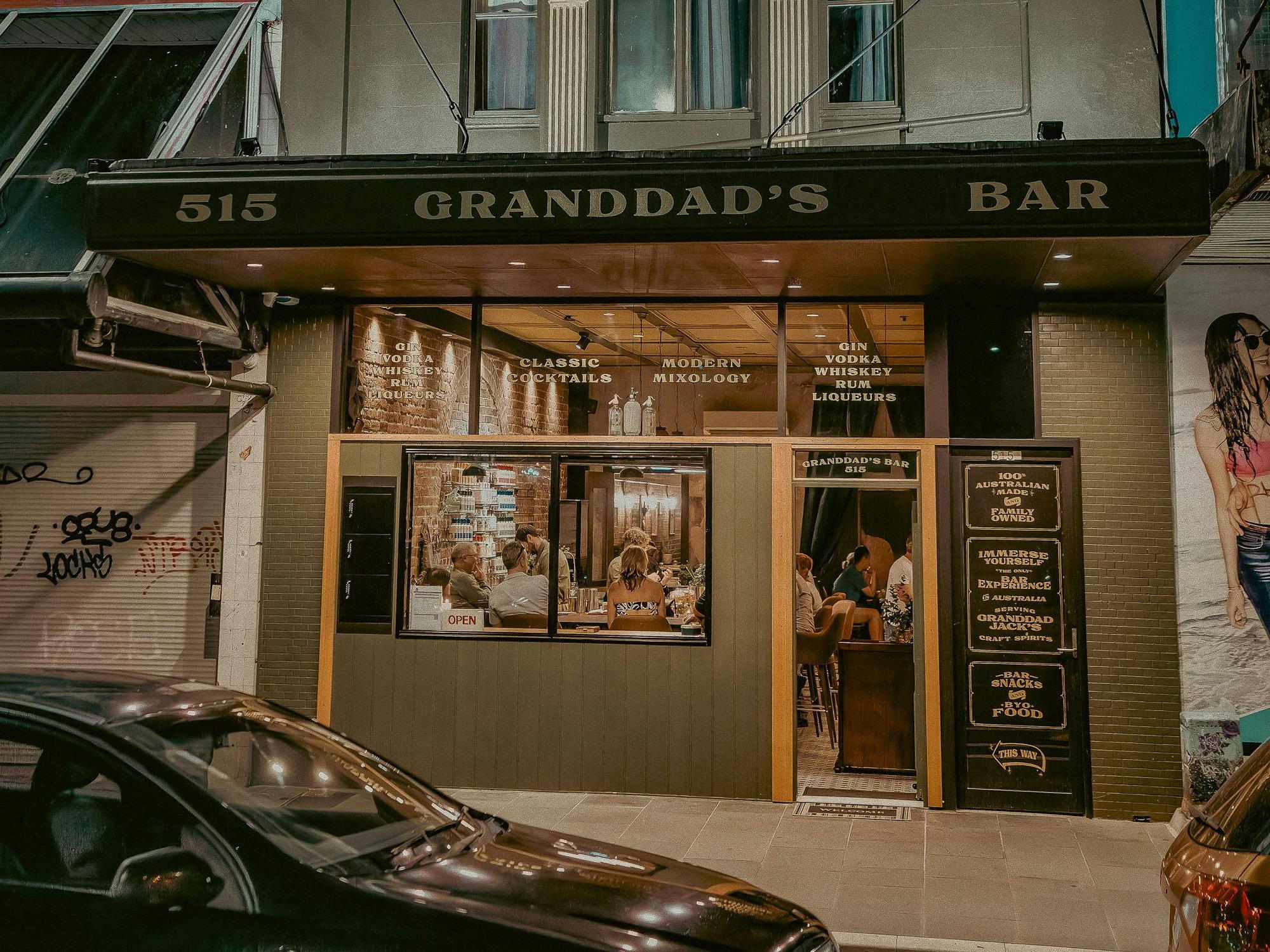
Restaurants in Newcastle
Browse all →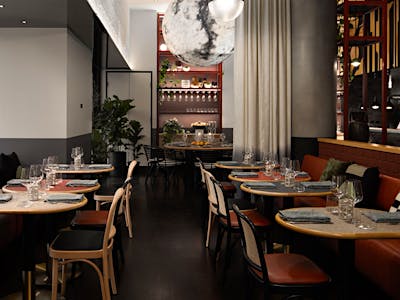
Hotels in Newcastle
Browse all →
Details
- Modern
- Trendy
- Industrial
- Sustainable
- Organic
- Still Red
- Still White
- Sparkling
A modern, consumer-focused wine company with an emphasis on approachable, contemporary branding and a sustainability-led ethos rather than a traditional cellar-door experience.