
Fontanabianca is a family-run Barbaresco estate in Neive, tied closely to the Bordini cru and the clay-limestone slopes of the Langhe. Its appeal is terroir rather than spectacle: Nebbiolo-led wines, a cellar that mixes stainless steel, large oak, barrique and old cement, and a tasting-room setting surrounded by vines.
Pearl is the En Primeur Club membership app — saves, bookings, and concierge access live there. Same editors, same standards.
- Address
- Neive, Piedmont, Vereinigte Staaten
 Saves & bookings on Pearl
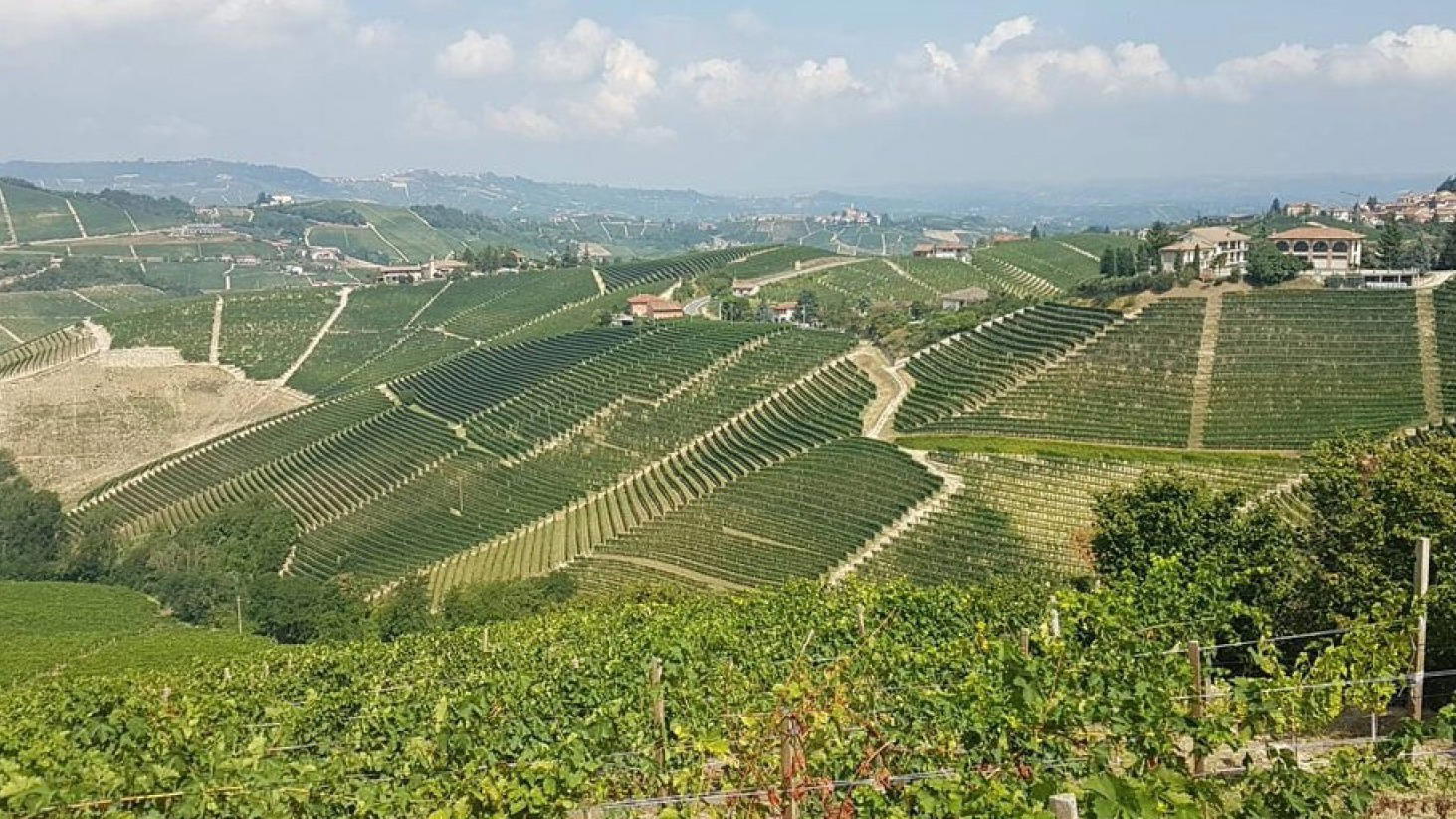
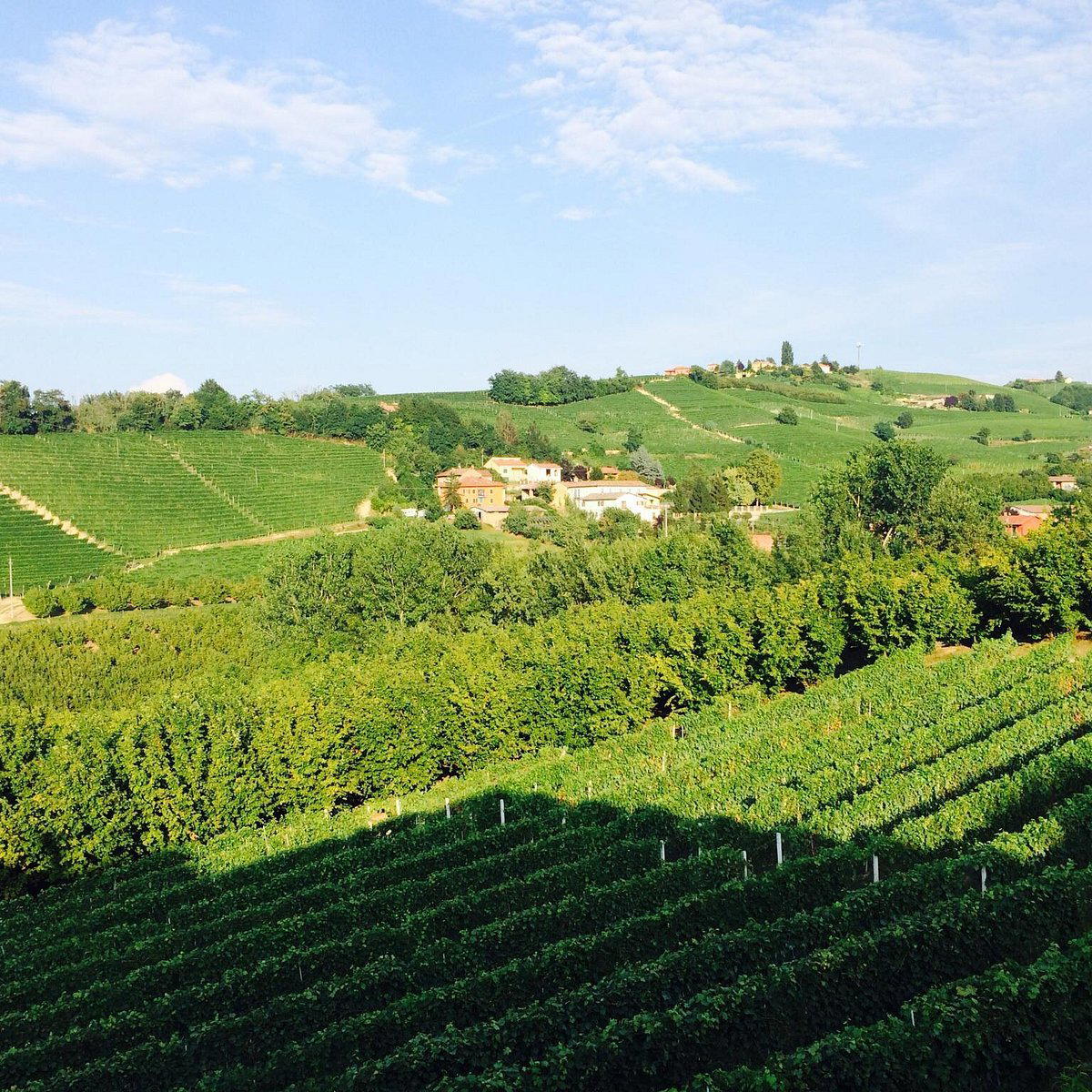
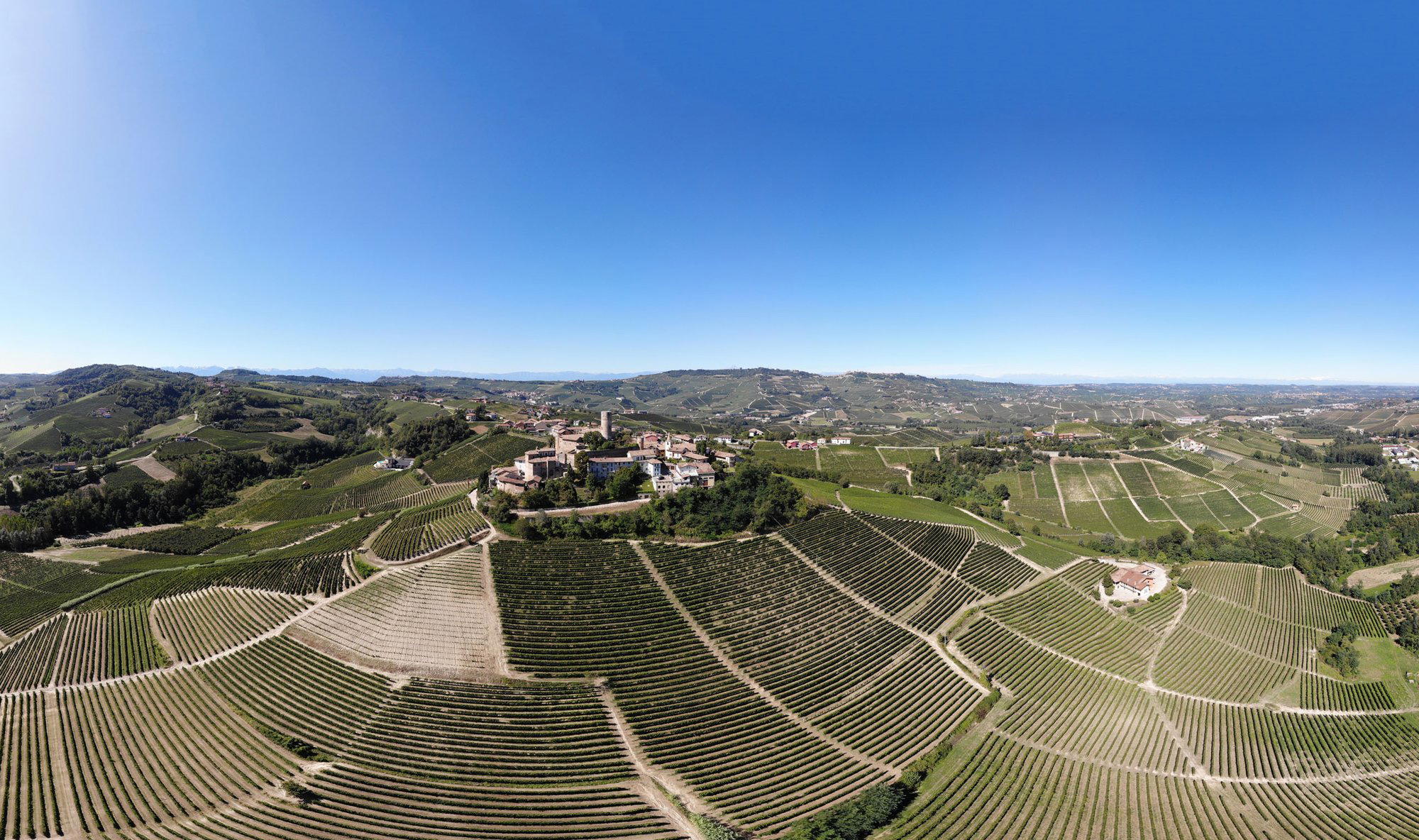
Approaching Fontanabianca means entering the quieter grammar of Barbaresco: vines first, cellar second, hospitality as a continuation of the hill rather than a separate performance. In Neive, where Nebbiolo is judged by slope, soil and patience, the estate’s setting in Bordini gives the visit its frame. The room looks outward to vineyards and Langhe hills, but the more useful detail is structural: this is a family-run 15-hectare estate, not a high-volume tasting complex, and its identity is tied to Barbaresco DOCG rather than a broad lifestyle offer.
That matters in Piedmont, where the difference between a general Langhe stop and a serious Barbaresco address often comes down to how specifically a producer can speak through its land. Fontanabianca has worked from Neive since 1969, when Franco Pola produced the first bottle of Barbaresco Bordini. The estate now continues through the Pola family, with Matteo Pola named as winemaker, and the house position is clear: Bordini is not scenery, it is the argument.
Bordini soil, Nebbiolo structure and the Barbaresco frame
Barbaresco’s authority rests on Nebbiolo’s ability to translate small changes in site into differences of shape and texture. Fontanabianca’s technical picture gives useful evidence: Barbaresco DOCG from Neive, clay-limestone land, temperate climate, Guyot training, vineyards around 300 metres above sea level, and Nebbiolo vines averaging 30 years for the Barbaresco bottling. Those are not decorative statistics. In this part of Piedmont, limestone and clay are central to the tension between perfume, tannin and age-worthiness, while altitude and exposure help preserve lift in a grape that can become severe when handled without balance.
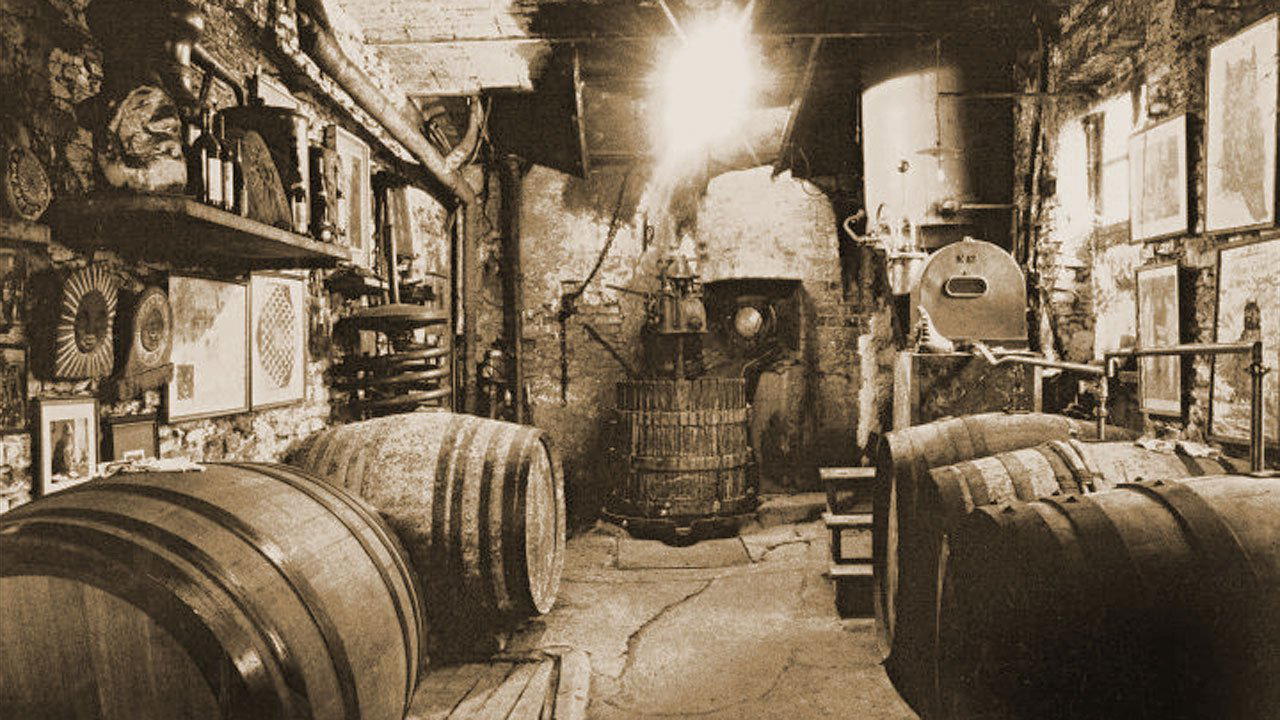
The estate’s cellar choices sit in the traditional-modern middle of Barbaresco. Fermentation takes place in temperature-controlled stainless steel, while maturation uses large oak casks and barriques; old cement vats remain part of the cellar vocabulary, and underground bottle storage reinforces the sense of slow-release winemaking. For the Barbaresco DOCG, the stated regime is about 10 to 13 months in large casks and barriques, followed by 4 to 6 months in bottle. This is not a radicalist cellar, and it is not a museum. It uses control where control matters, then returns the wine to wood, cement memory and time.
The portfolio follows the same regional logic. Barbaresco leads, with Barbaresco Bordini, Barbaresco Serraboella and Barbaresco forming the centre of gravity. Around that core sit Langhe Nebbiolo, Barbera d’Alba Superiore, Dolcetto d’Alba, Langhe Arneis and Alta Langa sparkling wine. The pattern is coherent: Nebbiolo carries the prestige signal, Barbera and Dolcetto keep the range grounded in local drinking culture, Arneis supplies the white-wine counterpoint, and Alta Langa connects the estate to Piedmont’s traditional-method sparkling category.
A cellar visit shaped by continuity rather than theatre
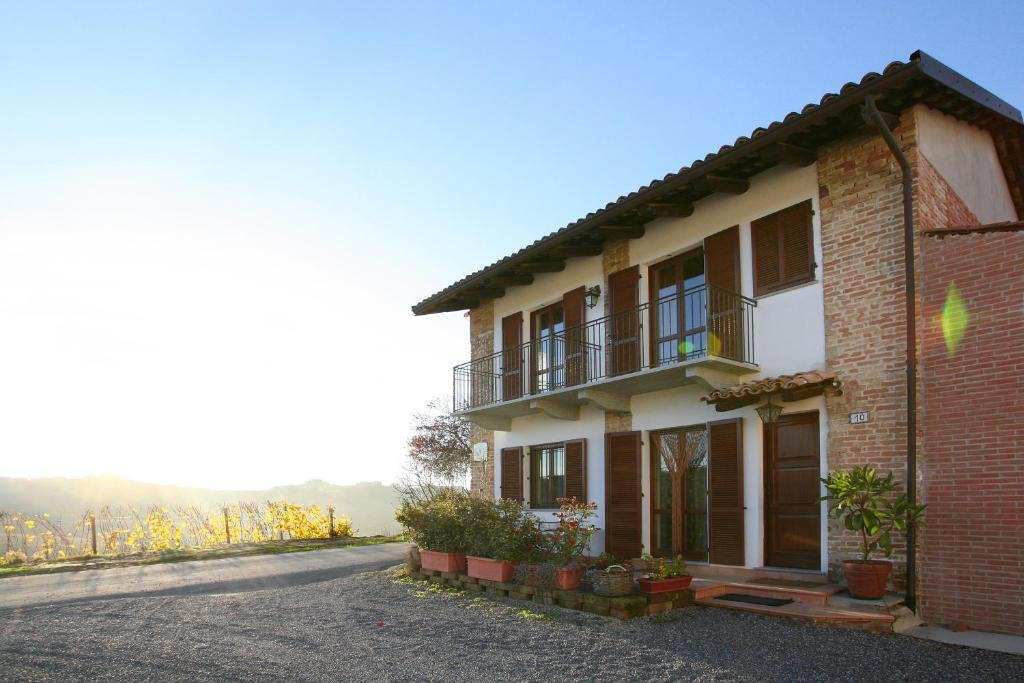
Premium wine travel increasingly splits between staged experiences and cellar-door encounters where the property’s agricultural logic remains visible. Fontanabianca belongs to the latter camp. The tasting room, vineyard outlook, barrel room, underground storage and estate grounds form a compact explanation of how Neive Barbaresco is made: site, grape, vessel, time. The atmosphere is quiet, rural and cellar-led, with the strongest impression coming from proximity to the vines rather than from design language.
That restraint is part of the critical appeal. Barbaresco does not need spectacle when the vineyard story is strong enough. The estate’s own motto centres on preserving the taste of grapes in the wine, and the production details support that claim more convincingly than any decorative language could. Stainless steel protects precision during fermentation; large oak and barrique soften structure; bottle age gives Nebbiolo time to settle. The result is a visit suited to drinkers who want to understand why Neive matters within Barbaresco, not just taste a flight and move on.
For travellers building a wine-focused day in Neive, Fontanabianca makes sense as part of a broader Langhe itinerary rather than a stand-alone spectacle. Use Our full Neive wineries guide for the wider cellar map, then place the estate alongside other Neive addresses such as Antichi Poderi dei Gallina, Azienda Agricola F.lli Cigliuti, Azienda Agricola Falletto di Bruno Giacosa, Azienda Agricola Prinsi and Azienda Agricola Ressia. For the rest of the day, the city guides are more useful than guesswork: Our full Neive restaurants guide, Our full Neive hotels guide, Our full Neive bars guide and Our full Neive experiences guide.
The wider winery index also helps place Neive in a broader European context without forcing false equivalence. For contrast beyond Piedmont, see 3GP SRL in Treviso, 47 Anno Domini in Trebaseleghe, A Mano Wine in Noci, »der Steiner« Hans Steiner in Podersdorf am See and & Handwein in Mannheim. Fontanabianca’s strength is narrower and more persuasive: a small Barbaresco estate where land, cellar and family continuity all point back to the same hill.
Recognition history
Dated appearances from independent guides and award organizations, with the underlying list record or original source where available.
Falstaff Winery - Listed
Falstaff
At a Glance
- Scenic
- Rustic
- Classic
- Intimate
- Romantic
- Romantic Getaway
- Group Outing
- Wine Education
- Special Occasion
- Solo Exploration
- Barrel Room
- Vineyard Tour
- Estate Grounds
- Panoramic View
- Private Tasting
- Sustainable
- Vineyard
- Mountain
- Barbaresco DOCG
- Nebbiolo
- Dolcetto
- Barbera
- Arneis
- Chardonnay
- Still Red
- Still White
- Sparkling
- Guided Tasting
- Cellar Tour
- Vineyard Visit
- Private Appointment
Rural and authentic Barbaresco estate ambiance, with a modernized but traditional cellar featuring stainless steel tanks, large oak casks, old cement vats, and an underground bottle storage area, plus a tasting room overlooking surrounding vineyards and Langhe hills.