
Falstaff Winery - 3 Stars
Feudo Antico gives Tollo a winery experience built around land rather than spectacle: Tullum DOCG, native Abruzzo grapes, organic work, and a Roman villa museum folded into the visit. The emphasis is on Pecorino, Montepulciano, Cerasuolo d’Abruzzo, and Trebbiano interpreted through concrete, glass, and a research-minded approach to a small appellation with unusual historical depth.

Pearl is the En Primeur Club membership app — saves, bookings, and concierge access live there. Same editors, same standards.
- Address
- Tollo, Abruzzo, Italien
- Directions
- Get directions
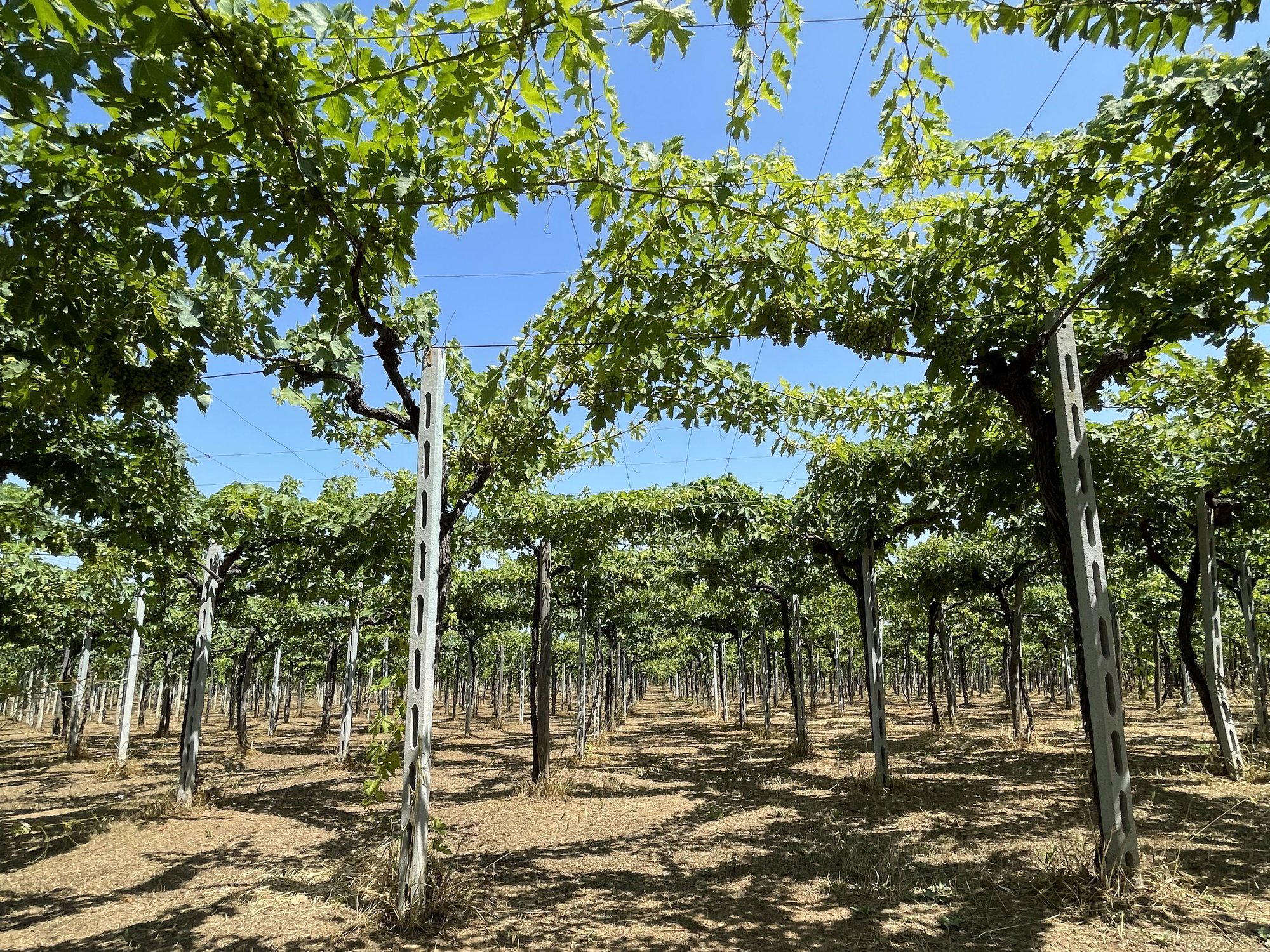
Approaching the estate, the reading of Abruzzo begins before the glass: vineyard rows, hill contours, and the sense of a wine zone shaped by the Adriatic on one side and the Apennines on the other. In Tollo, wine tourism is not built around grand-cellar theatre. It is quieter, more agrarian, and more persuasive when it connects the wine to the ground beneath it. Feudo Antico works in that register, using a modern tasting room and an on-site Roman villa museum to make the case that terroir here is historical as well as geological.
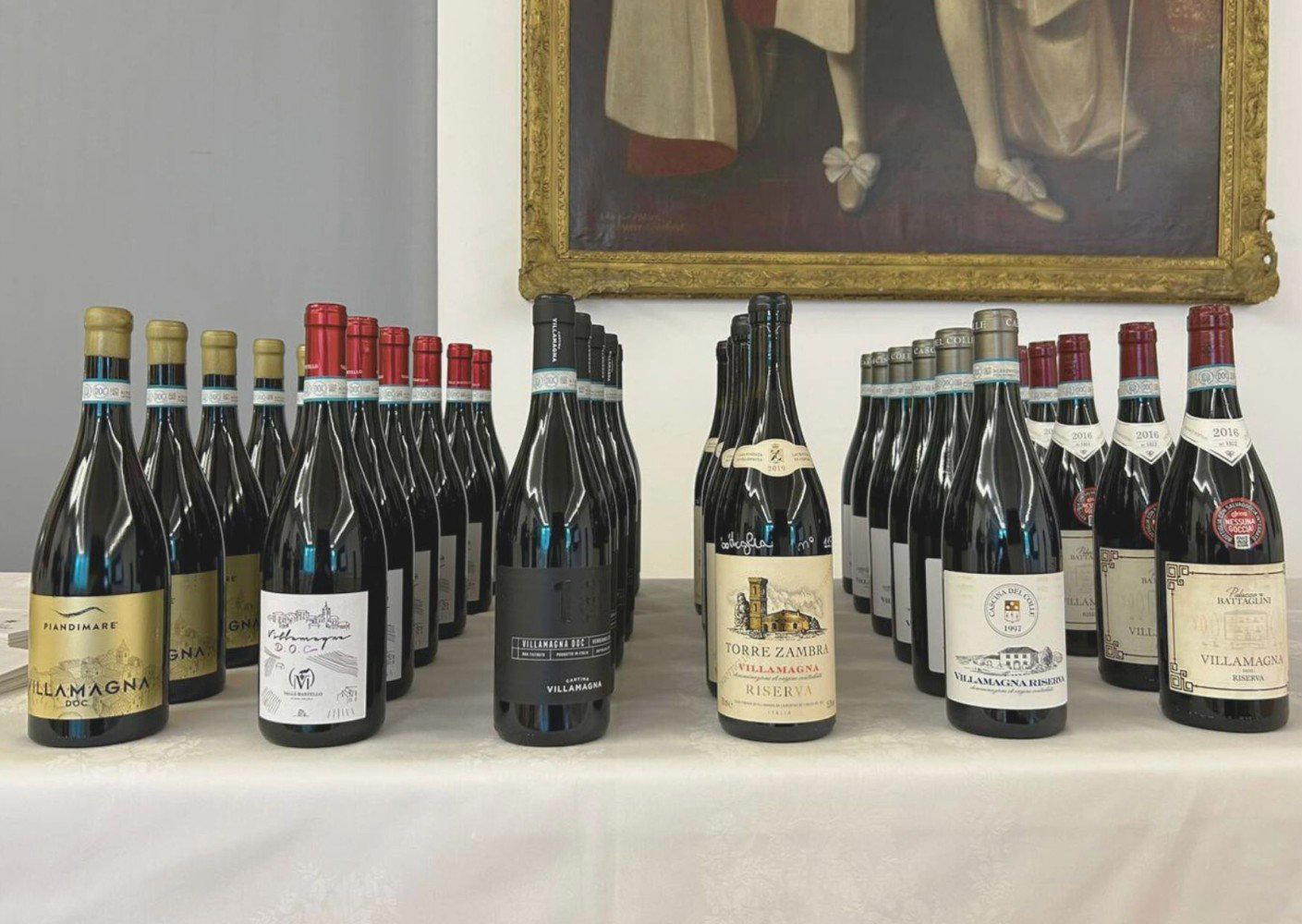
The context matters. Tullum DOCG is a compact appellation, formally recognised in 2019 after a process that began in 2008, and its scale gives the wines a sharper territorial identity than broader Abruzzo labelling can provide. The denomination’s emphasis on Montepulciano for reds, Pecorino and Passerina for whites, and permitted sparkling production gives producers a narrow but expressive set of tools. For travellers using our full Tollo wineries guide, this is the reason Tollo deserves attention beyond a quick regional tasting stop.
Tullum DOCG gives Abruzzo's native grapes a smaller frame
Abruzzo is often reduced to volume-friendly Montepulciano d’Abruzzo in export shorthand, but the more interesting story is happening in places that use native grapes with tighter geographic intent. Here, the range is anchored by Montepulciano, Cerasuolo d’Abruzzo, Trebbiano, and Pecorino, with still red, still white, rosé, and sparkling styles in play. That matters because Tullum’s identity depends less on cellar decoration than on how these grapes handle hill exposure, calcareous soils, sea influence, and inland temperature shifts.
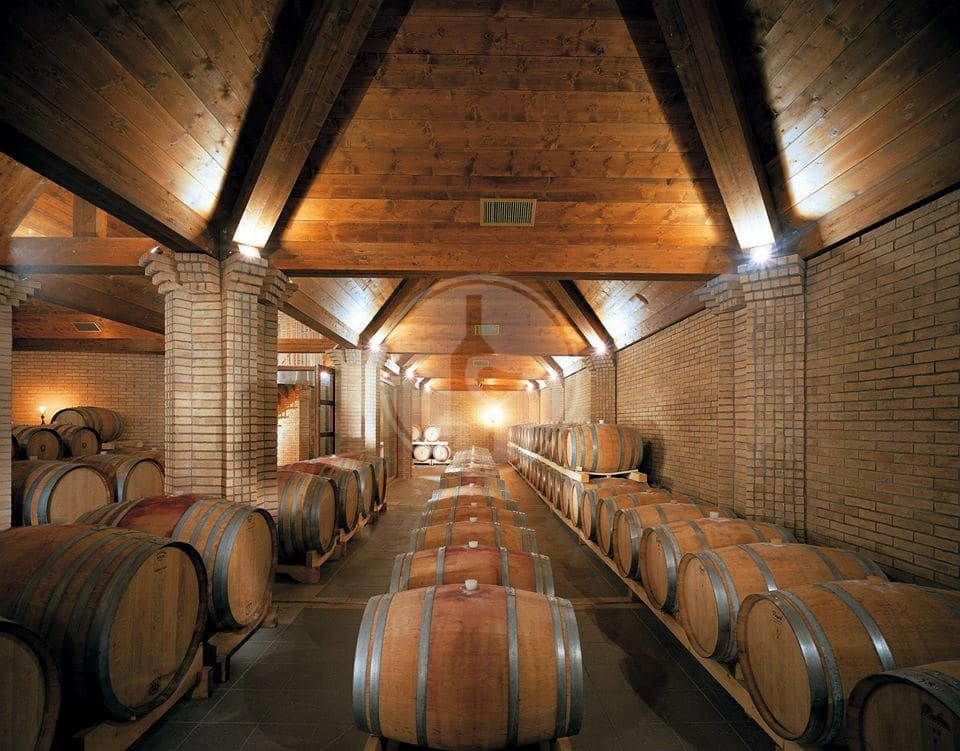
The Pecorino work is the clearest lens. The documented Tullum DOCG Pecorino is made from organic vineyards in Tollo, with hilly terrain and east to southeast exposure. In the cellar, the method points away from oak-polished international styling: cryomaceration of crushed grapes, spontaneous fermentation with natural yeasts, skin contact, concrete tanks, six months on fine lees, and bottling without filtration or clarification. The estate’s avoidance of wood, using concrete and glass instead, places the emphasis on texture, acidity, and varietal definition rather than barrel flavour.
That approach also explains why the project reads differently from a conventional visitor cellar. Feudo Antico is linked to Cantina Tollo, but its role is more focused: research, organic lines, premium bottlings, and a closer reading of local grapes. The estate’s 2004 opening year places it in a modern generation of Abruzzo producers interested in indigenous varieties, sustainability, and place-specific hospitality rather than scale alone.
The Roman villa turns a tasting into an archaeology lesson
The estate’s defining visitor format is the pairing of wine with archaeology. In 2013, during preparation for a Pecorino replanting, ruins of a Roman villa rustica were uncovered. Rather than treating the find as a footnote, the property folded it into a Roman Villa museum and an archeo-enology narrative. That is not decorative history; it changes how the wines are framed. The visitor is asked to see cultivation here as a long continuity of land use, not simply a contemporary brand story.
Guided experiences can combine vineyard interpretation, the museum component, and tasting. The formats include standard tastings, paired tastings, vineyard tours with tasting, and museum-and-tasting packages, with Italian, English, and Spanish listed as tour languages. The tone is educational rather than ceremonial: quiet setting, vineyard and mountain views, local food pairings, and a small-capacity feel suited to travellers who prefer context over performance. The estate also signals broader hospitality through rooms, spa, private tastings, events, and business formats, but the essential draw remains the conversation between soil, grape, and recovered Roman remains.
For a wider Tollo itinerary, the winery makes more sense when paired with the town’s other small-scale travel layers rather than treated as a standalone detour. Dining research can start with our full Tollo restaurants guide, while overnight planning sits in our full Tollo hotels guide. For a slower evening after a tasting, our full Tollo bars guide and our full Tollo experiences guide help place the visit inside the town rather than isolating it as a cellar appointment.
Sustainability here is cultural as well as agricultural
The sustainability argument is strongest where farming, cellar practice, and heritage protection overlap. Organic sourcing appears in the documented Pecorino work, the production philosophy is explicitly sustainable, and Magis certification has been associated with the wines from the 2013 vintage onward. The cellar choices reinforce that position: concrete and glass, no wood contact, and a style that avoids using oak as a shortcut to prestige.
The more distinctive point is cultural stewardship. Preserving an excavation site and making it part of a guided visit gives the estate a role in local memory, not just wine education. In a region where mountain, sea, and agriculture shape identity at close range, that matters. The project’s research categories, high-altitude Pecorino work, and archeo-enology framing all point to the same editorial conclusion: this is a Tollo winery to understand through terrain first, then through technique.
Readers building a broader Italian wine map can use Tollo as a counterpoint to other regional estates and producers across the EP Club archive, from 3GP SRL in Treviso, 47 Anno Domini in Trebaseleghe, and A Mano Wine in Noci to a6mani in Fragagnano, Abbadia Ardenga in Torrenieri, Abbazia di Crapolla in Neapel, and Abbazia Monte Oliveto in Asciano. For a cross-border contrast in smaller European wine culture, see »der Steiner« Hans Steiner in Podersdorf am See and & Handwein in Mannheim.
Recognition history
Dated appearances from independent guides and award organizations, with the underlying list record or original source where available.
Falstaff Winery - 3 Stars
Falstaff
Continue exploring
More in Tollo
Wineries in Tollo
Browse all →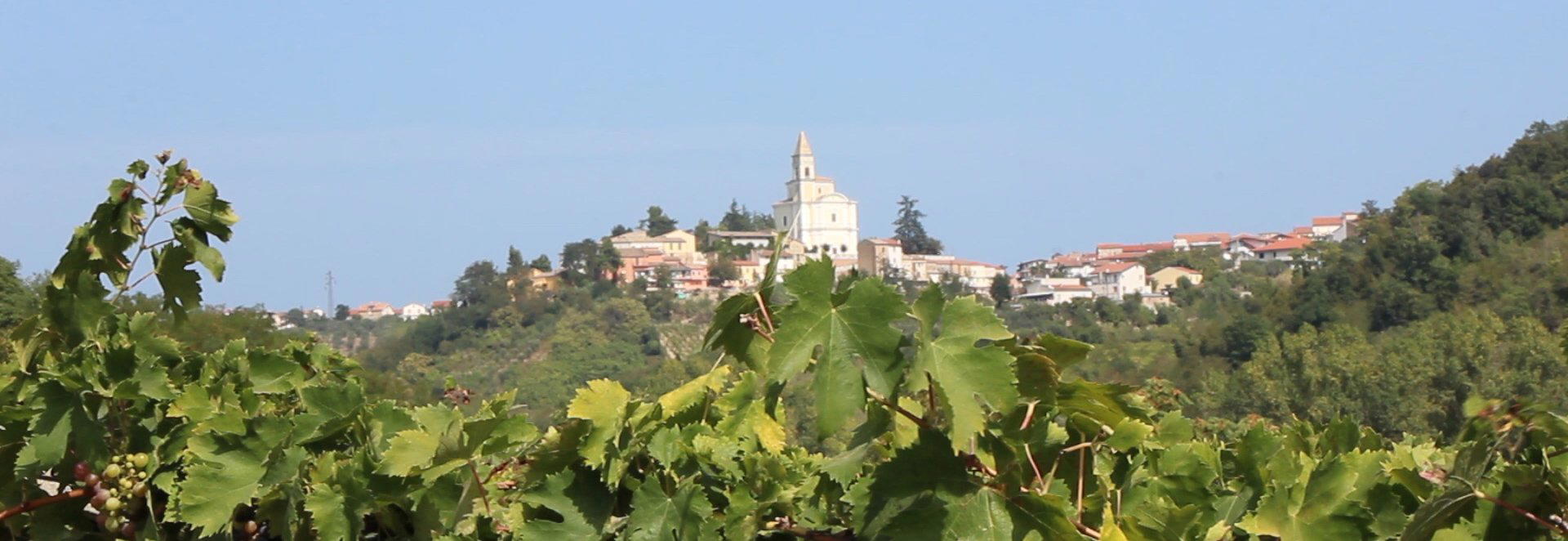

Details
- Scenic
- Rustic
- Classic
- Romantic
- Group Outing
- Romantic Getaway
- Wine Education
- Special Occasion
- Solo Exploration
- Corporate Event
- Vineyard Tour
- Estate Grounds
- Historic Building
- Private Tasting
- Organic
- Sustainable
- Vineyard
- Mountain
- Garden
- Montepulciano
- Cerasuolo D’abruzzo
- Trebbiano
- Pecorino
- Still Red
- Still White
- Still Rosé
- Sparkling
- Standard Tasting
- Paired Tasting
- Vineyard Tour With Tasting
- Museum + Tasting Package
- Italian
- English
- Spanish
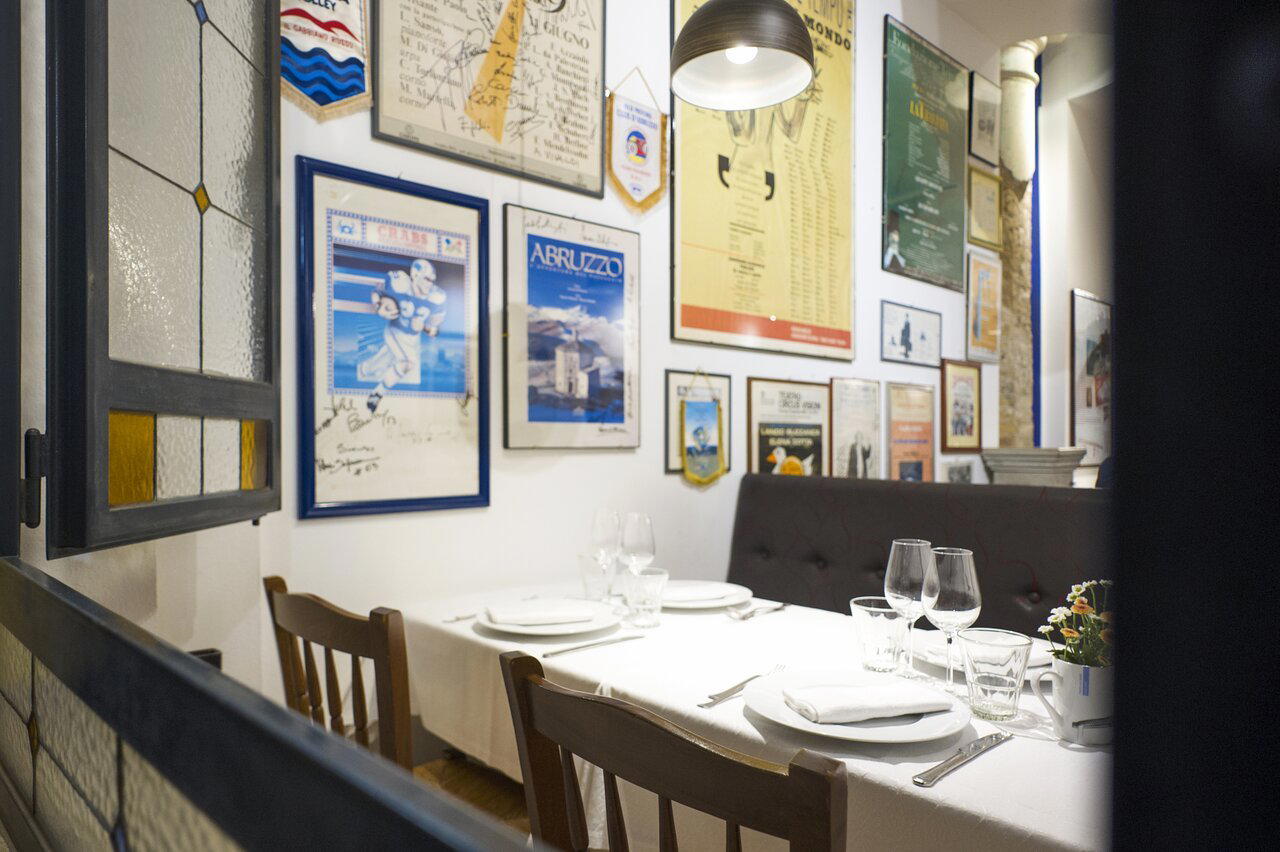
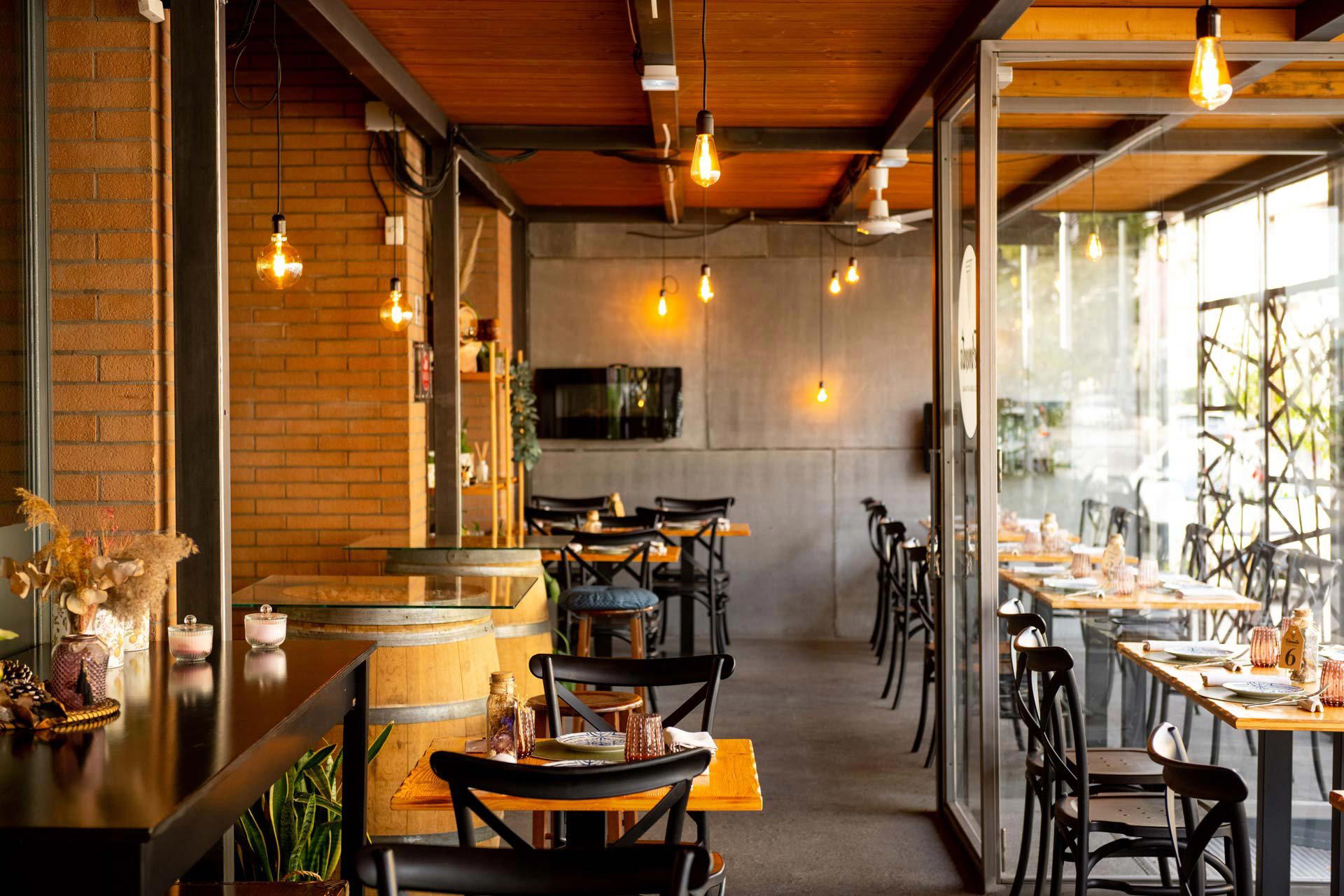
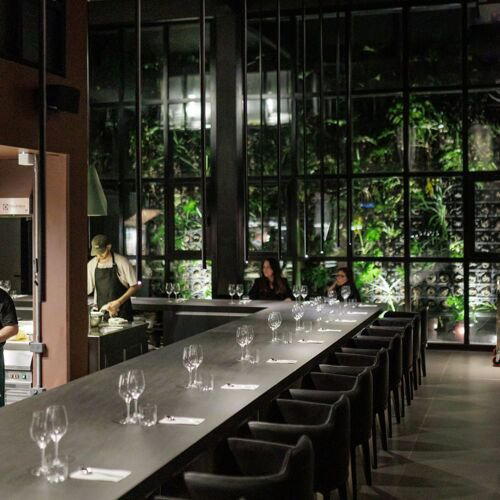
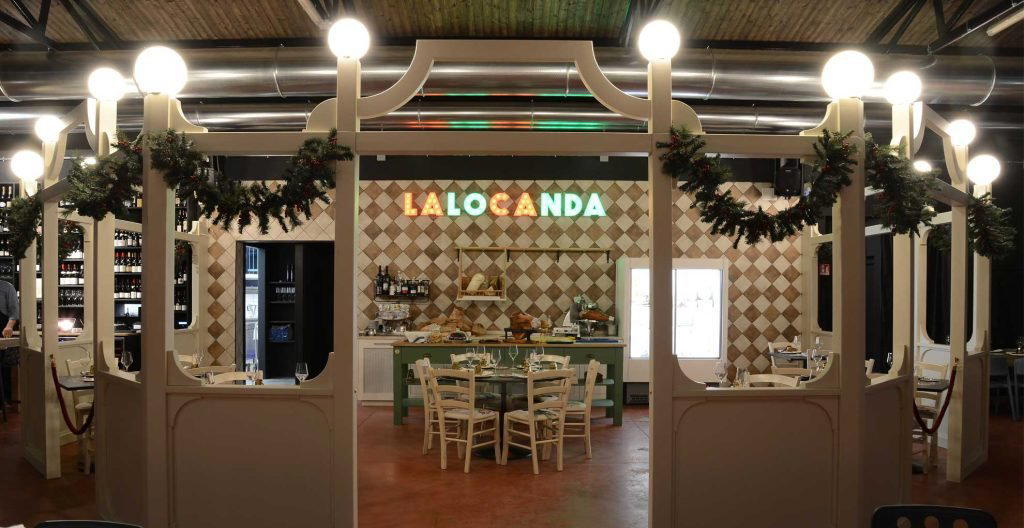
Serene and scenic winery setting where vineyards surround a modern tasting room and a Roman villa museum; atmosphere blends historical storytelling with contemporary design, offering calm, educational tastings with views over rolling Abruzzo hills.