
Falstaff Winery - 3 Stars
Bulichella is a low-key organic agriturismo estate in Suvereto, shaped by coastal Tuscan soils, olive groves, vineyards and a Japanese-Italian family history dating to 1983. Its strongest case is terroir: Sangiovese and Bordeaux varieties from Suvereto DOCG, supported by a small-scale hospitality format that suits travelers interested in wine, landscape and quiet rural pacing.

Pearl is the En Primeur Club membership app, where members save venues, book tables and use the concierge.
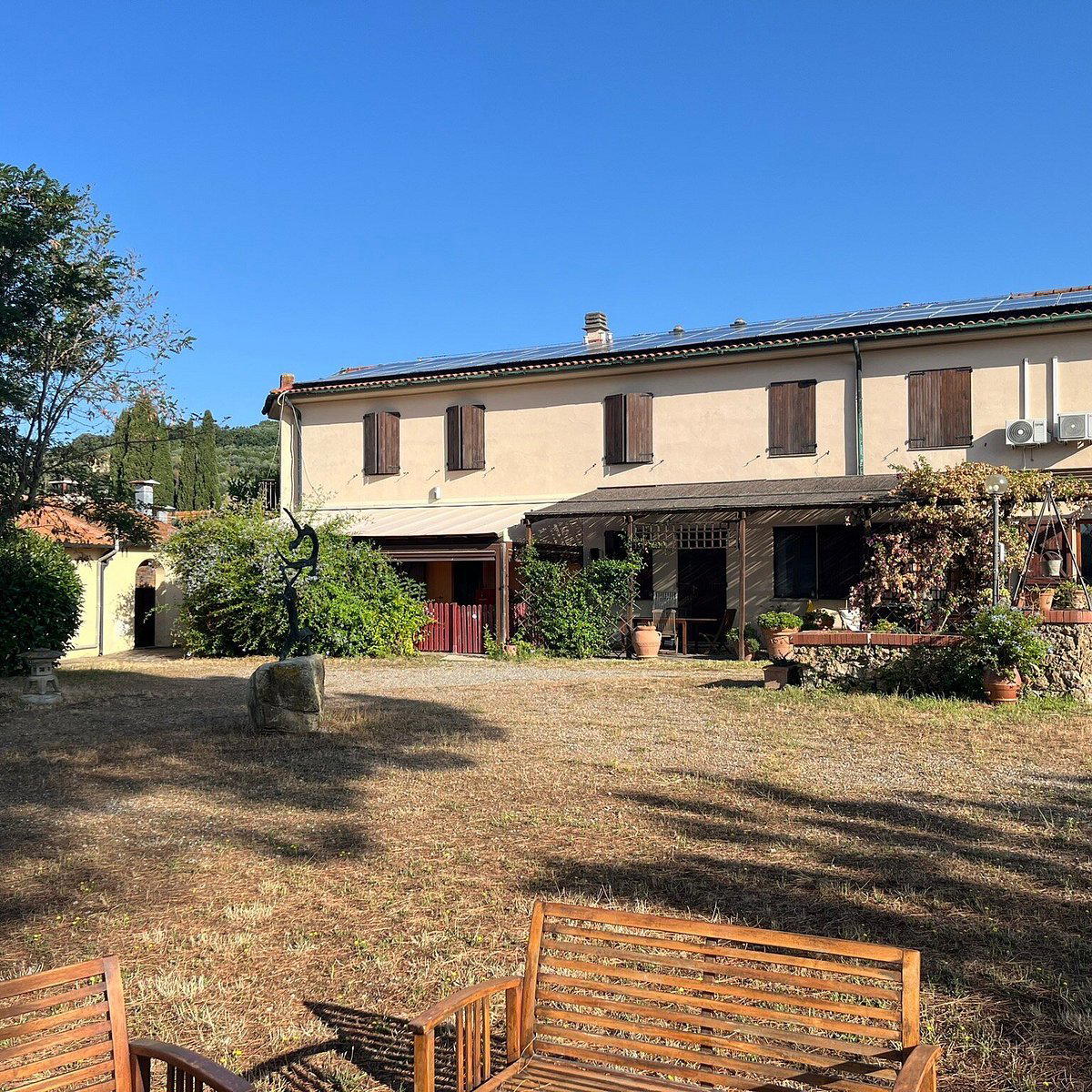
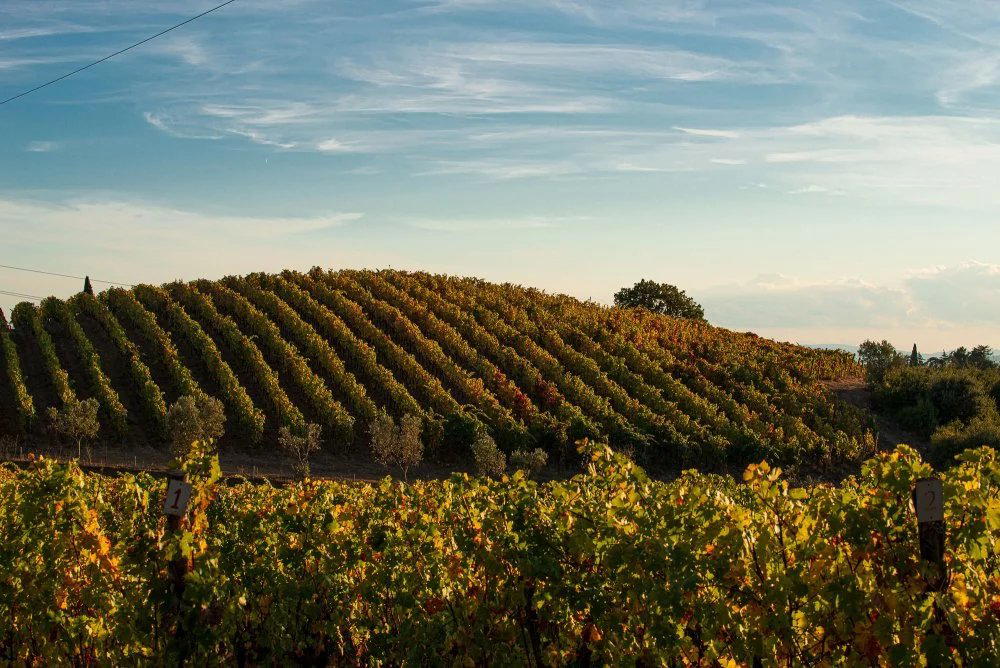
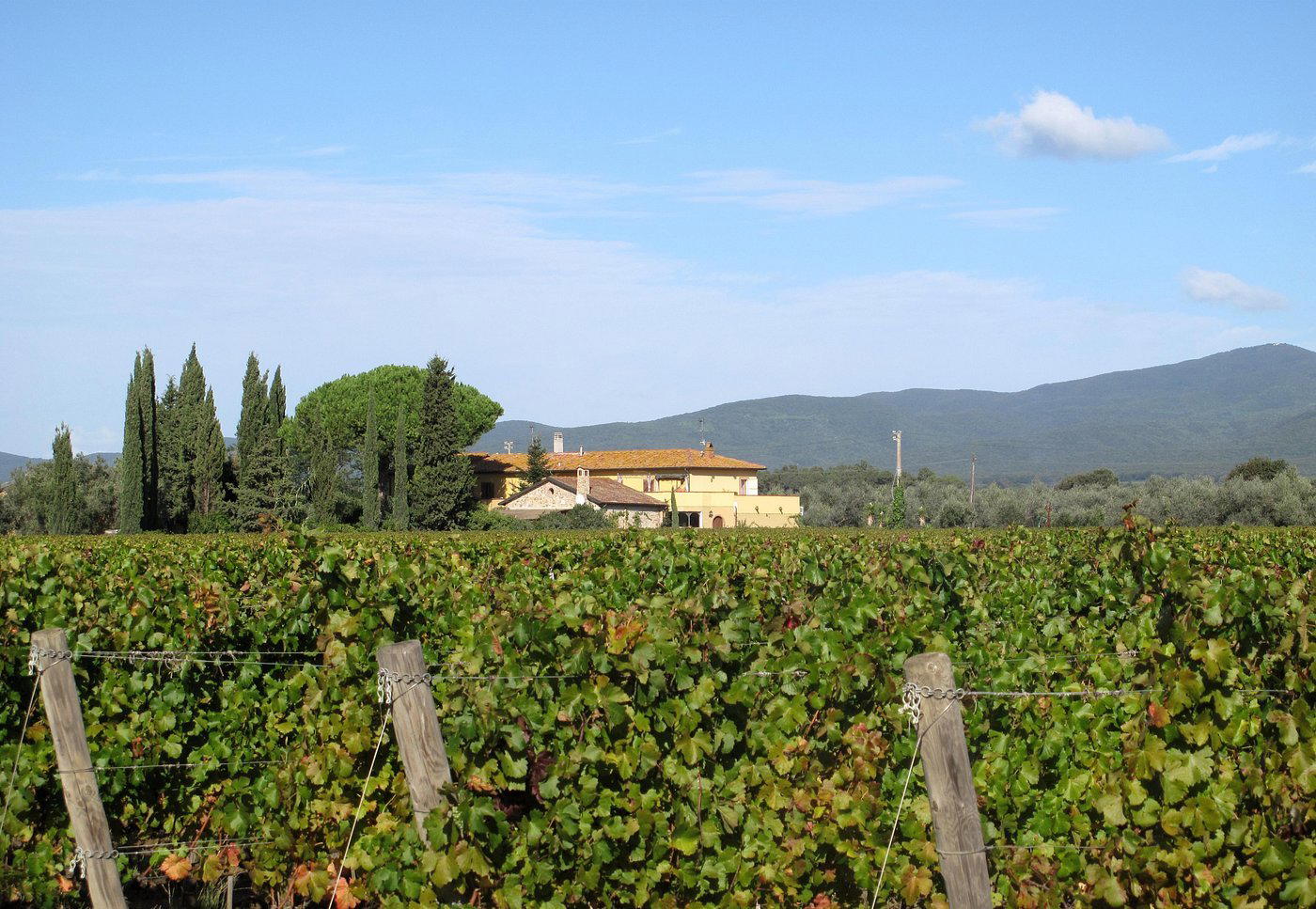
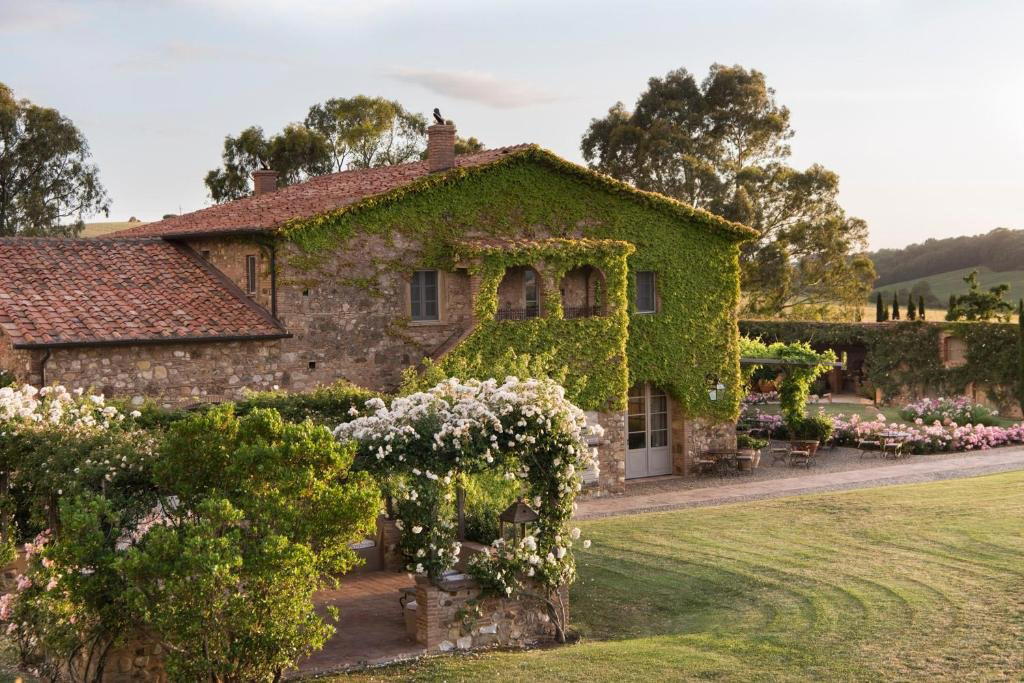
Approaching an agriturismo estate in coastal Tuscany slows a wine visit before a glass is poured. The scene is agricultural, not theatrical: vineyards, olive groves, gardens and the hill light of Suvereto, with Tyrrhenian influence close to the viticultural argument. Bulichella belongs to the quieter Tuscan category where the visit is built around land use, farming choices and the accumulation of place rather than spectacle.
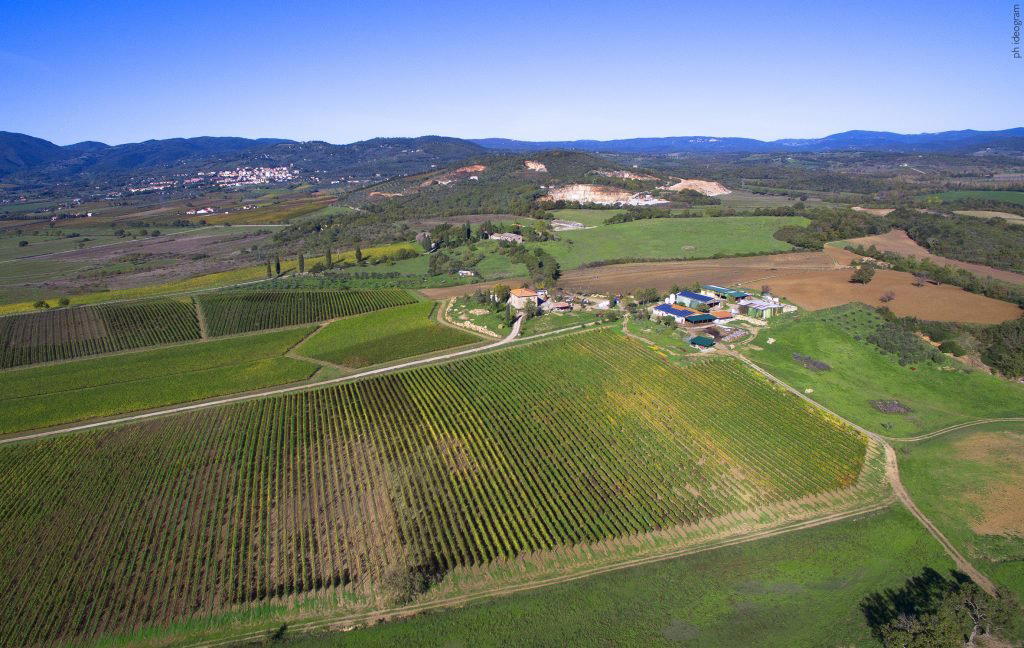
Suvereto occupies a telling position in Italian wine. Close enough to Bolgheri to share the conversation around Bordeaux varieties and Super Tuscan structure, it still has its own DOCG identity and a more rural rhythm. Its alluvial plain, shaped by the Cornia, Milia and Massera rivers, opens west to maritime air; red clay, schist, sand and mineral material from the Metalliferous Hills give producers more range than “Tuscan red” implies. Bulichella reads Suvereto through organic farming, mixed agriculture and a restrained agriturismo format rather than cellar-door performance.
Coastal Suvereto gives the wines their frame
The estate works in Suvereto DOCG with Sangiovese, Merlot, Cabernet Sauvignon, Petit Verdot and Syrah among its core red varieties, plus Vermentino in the broader vineyard picture. The mix defines the zone: Sangiovese keeps the Tuscan grammar in view; Merlot, Cabernet Sauvignon and Petit Verdot point to the coastal Bordeaux-variety tradition that has shaped western Tuscany for decades; Syrah adds a climate signal, carrying ripeness in warmer Mediterranean sites without forcing a single-variety identity.
Bulichella’s scale matters. The property covers roughly 42 hectares, with about 17 hectares under vine and 10 hectares in olive groves, placing wine inside a working farm rather than isolating it as a polished tasting-room product. Annual production is roughly 15,000 to 25,000 bottles, with Rubino accounting for about 15,000. That is a middle register: not garagiste, not industrial, but a farm with enough volume to show a consistent house line.
The portfolio follows the site. Rubino, made from Sangiovese, Merlot and Cabernet Sauvignon, is the main expression of the estate’s red-wine language. Montecristo brings Cabernet Sauvignon, Merlot and Petit Verdot into a fuller Suvereto register, while Coldipietrerosse uses the same three varieties in a more specific bottling structure. The point is not novelty, but the recurring Suvereto question: how Mediterranean warmth, alluvial soils and maritime wind support structure without heaviness.
Organic farming is the substance, not the slogan
Organic viticulture is central to the estate’s identity and has been part of the project since its early years. In Tuscany, that matters more when tied to farming scale and crop diversity. Here, vineyards share the property with olive groves and agriturismo activity, so sustainability reads as land management rather than a tasting-room phrase. The estate also produces olive oil, reinforcing the broader agricultural feel.
The founding story adds context without taking over. Hideyuki Miyakawa travelled from Japan to Rome by motorcycle in the 1960s, then built the estate with Marisa Bassano and other families in 1983. By 1999, Hideyuki and Marisa were sole proprietors, and the project expanded around organic wine, olive oil and rural hospitality. Nicolò Miyakawa, part of the third generation, joined full time in 2019 and is named as winemaker, marking continuity in a region where family estates often define themselves through succession as much as vineyard holdings.
That Japanese-Italian heritage gives Bulichella a distinct social history within Suvereto, but the stronger point is what the family built: a community-minded organic farm in a coastal Tuscan zone many travelers know through Bolgheri’s pull. Marisa Bassano’s role in founding Un Sorriso Per Tutti, a charity supporting a Congolese orphanage, places the estate’s stewardship language in a broader civic frame.
A quiet agriturismo format for wine, gardens and education
The visit format is small-scale and rural. Tastings may include estate tasting, vineyard tour and tasting, private tasting and food pairing, with Italian, English, French and Japanese among tour languages. The setting suits travelers who want to understand why Suvereto behaves differently from inland Tuscany: the conversation is about soil, wind, slope and mixed farming as much as labels.
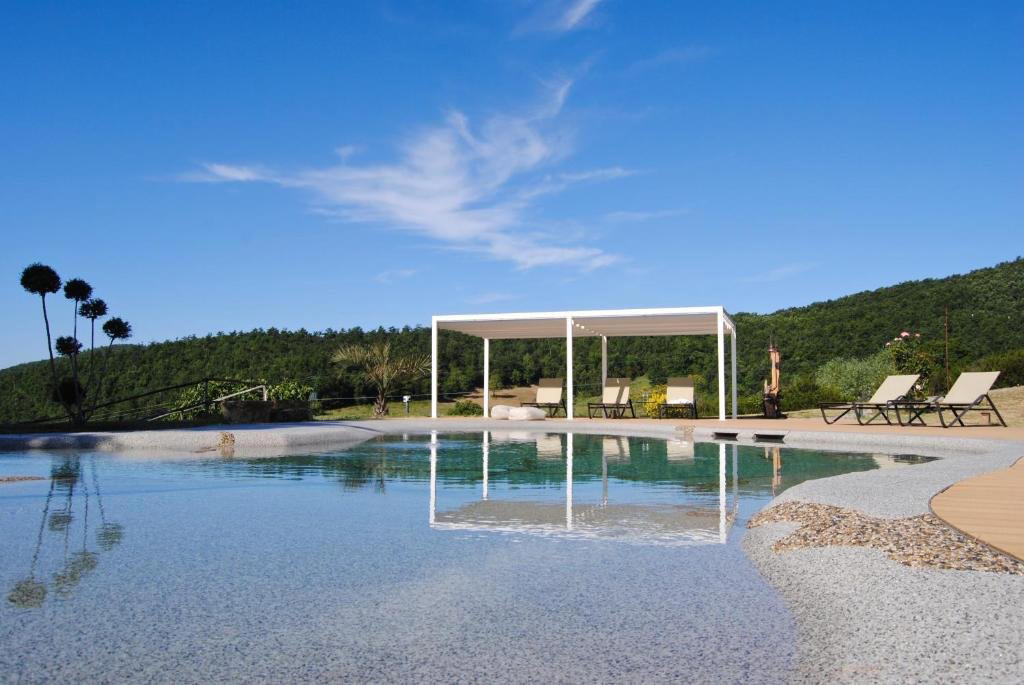
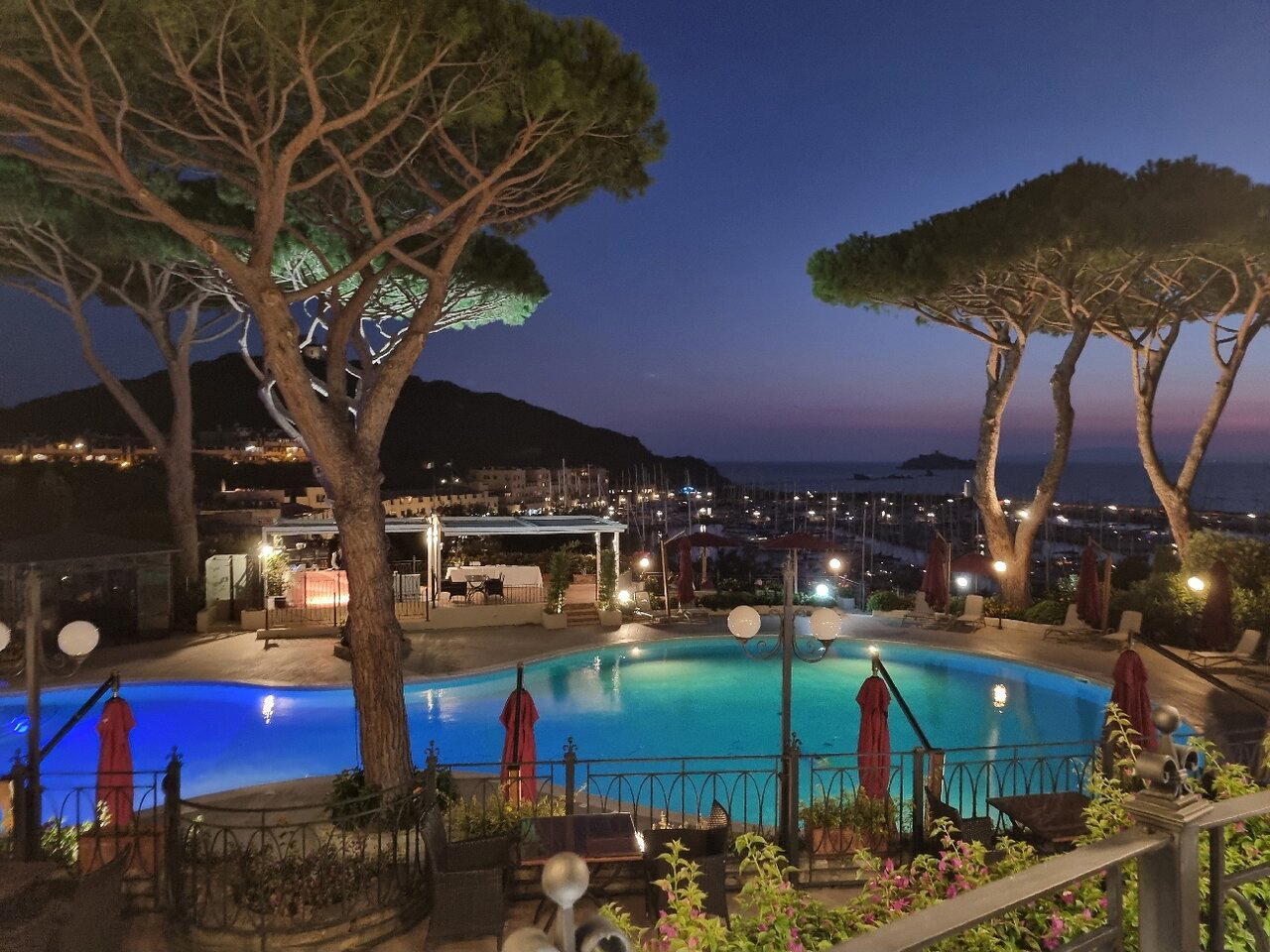
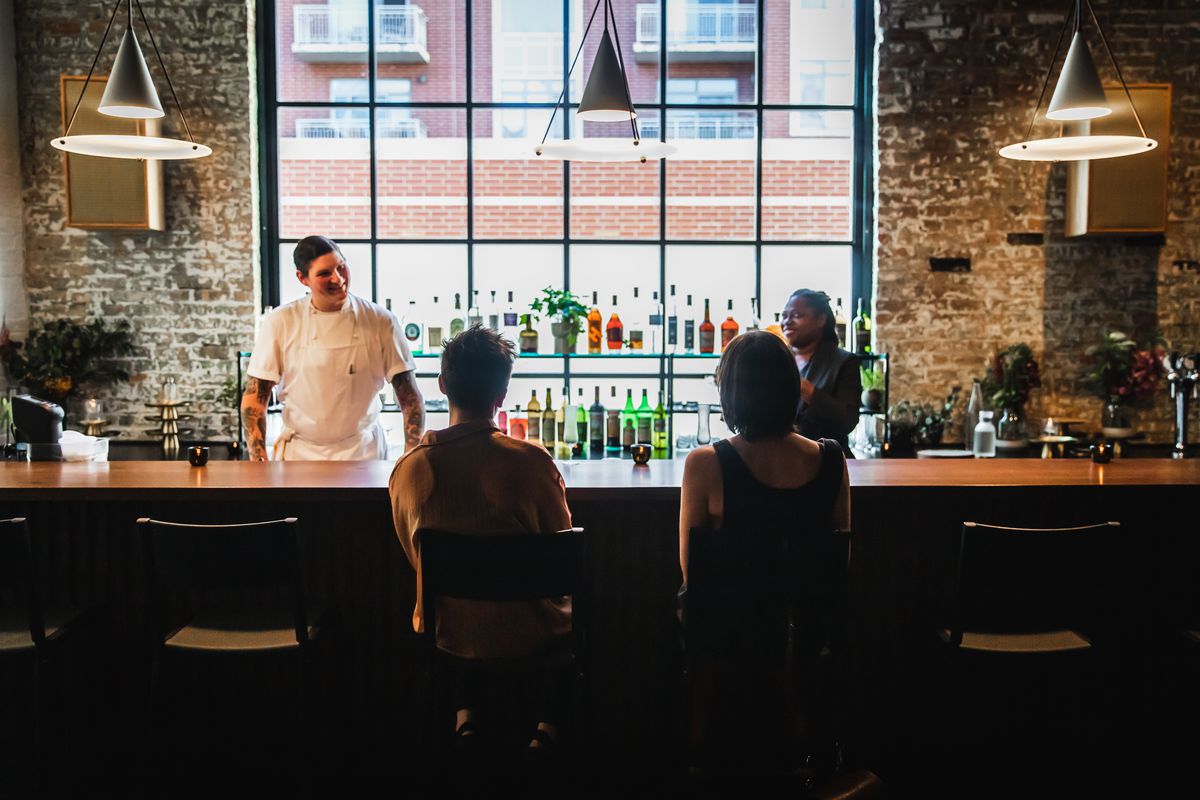
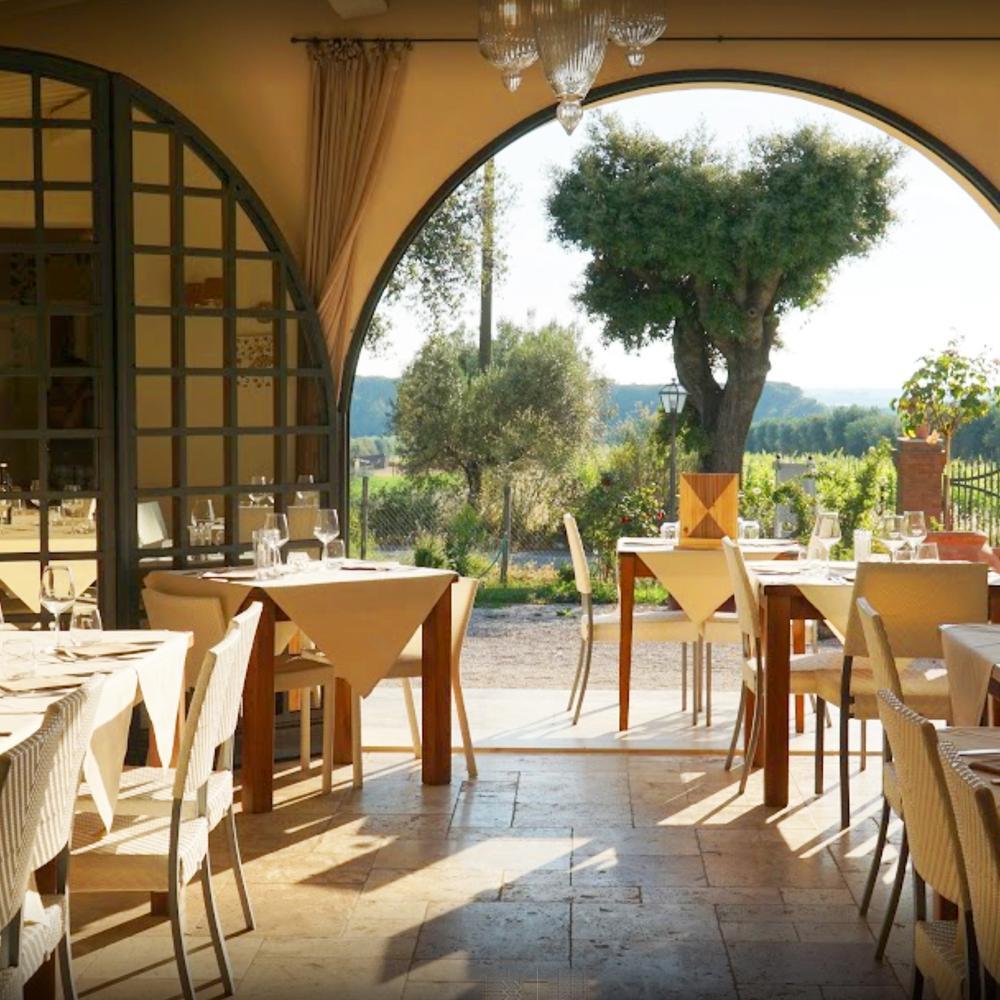
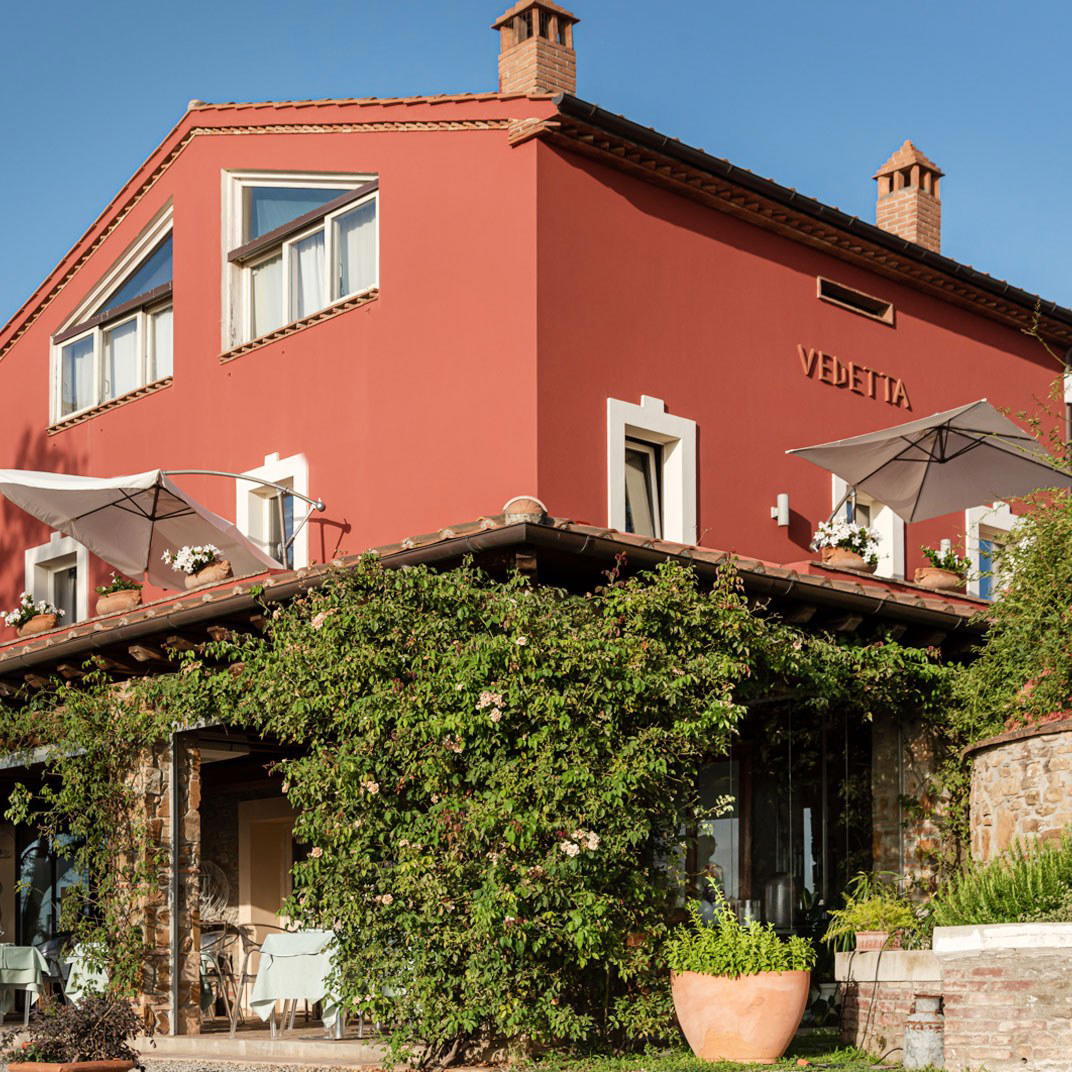
This is not a high-volume hospitality machine. The mood is quiet, the dress code casual, and the estate works for wine education, families, solo exploration, groups and a slower romantic countryside stay. Outdoor seating, gardens and vineyard views show that the value is spatial as well as oenological. Travelers expecting a glossy luxury tasting salon may find it understated; those interested in organic farming and coastal Tuscan red wine will grasp the appeal quickly.
Planning around Suvereto is easiest when wine is part of a broader rural itinerary. The estate has on-site parking, accepts cash, credit card and debit card, and visits are by reservation with booking recommended. Shipping is available, and allocation status is open, making the experience less tense than appointment-only cult-wine tourism. For local context, EP Club’s full Suvereto wineries guide is the natural companion, with dining, hotel, bar and activity context in the Suvereto restaurants guide, Suvereto hotels guide, Suvereto bars guide and Suvereto experiences guide.
Readers mapping Suvereto’s winery circuit can compare the local spread through Azienda Agricola Incontri, Azienda Agricola Russo, Gualdo del Re, Il Falcone and La Fralluca. For contrast beyond Tuscany, EP Club’s wider winery index ranges from 3GP SRL in Treviso and 47 Anno Domini in Trebaseleghe to A Mano Wine in Noci, »der Steiner« Hans Steiner in Podersdorf am See and & Handwein in Mannheim.
The editorial case for Bulichella is clear: choose it for a grounded Suvereto reading of organic farming, coastal Tuscan blends and agriturismo calm. Its interest lies less in ceremony than proportion: a medium-sized farm, a defined DOCG context, a multilingual visitor format and wines that make sense only when surrounding hills, sea air and mixed agriculture are part of the discussion.
Recognition history
Dated appearances from independent guides and award organizations, with the underlying list record or original source where available.
Falstaff Winery - 3 Stars
Falstaff
Continue exploring
More in Suvereto
Wineries in Suvereto
All wineries in Suvereto →
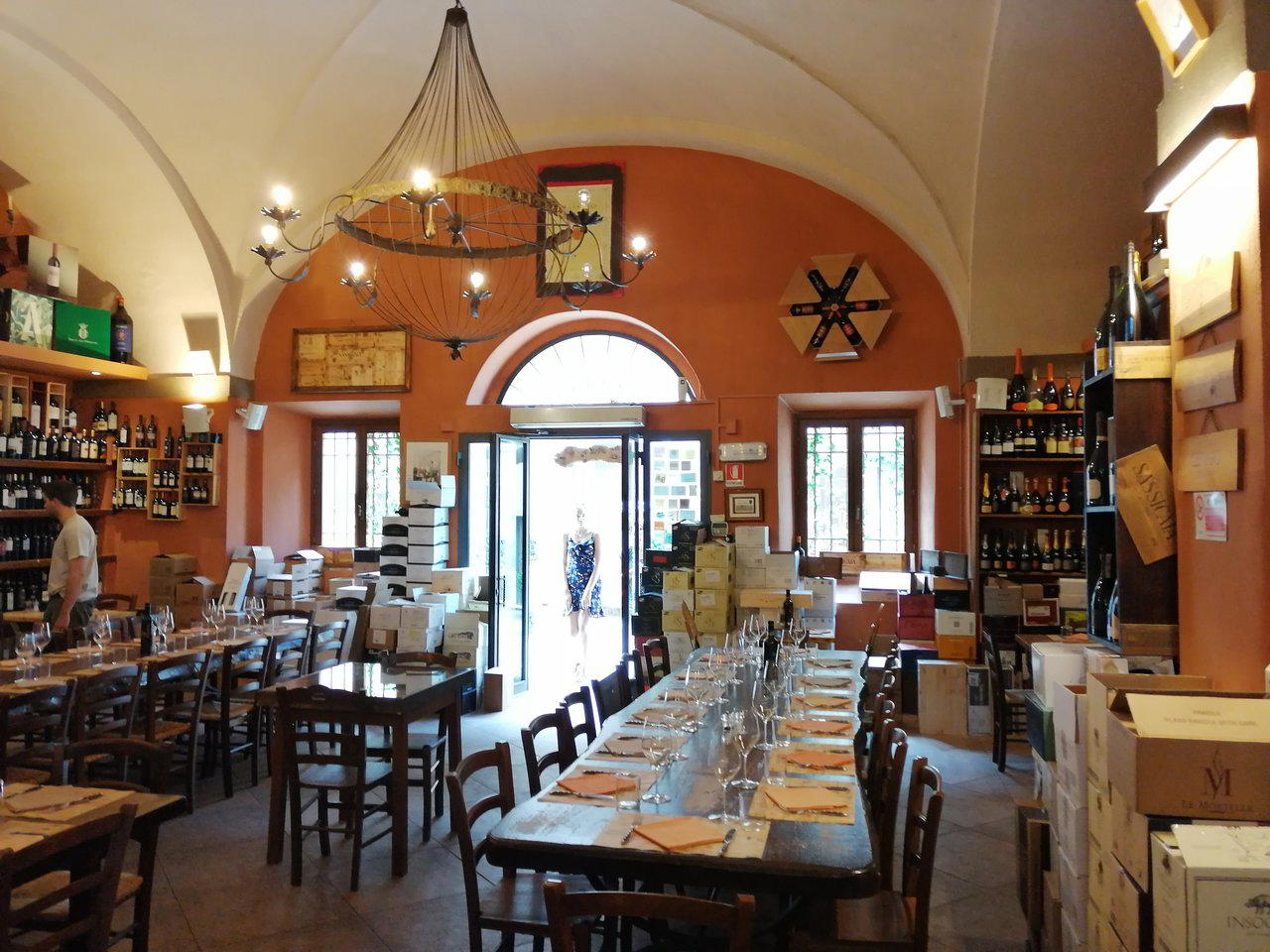
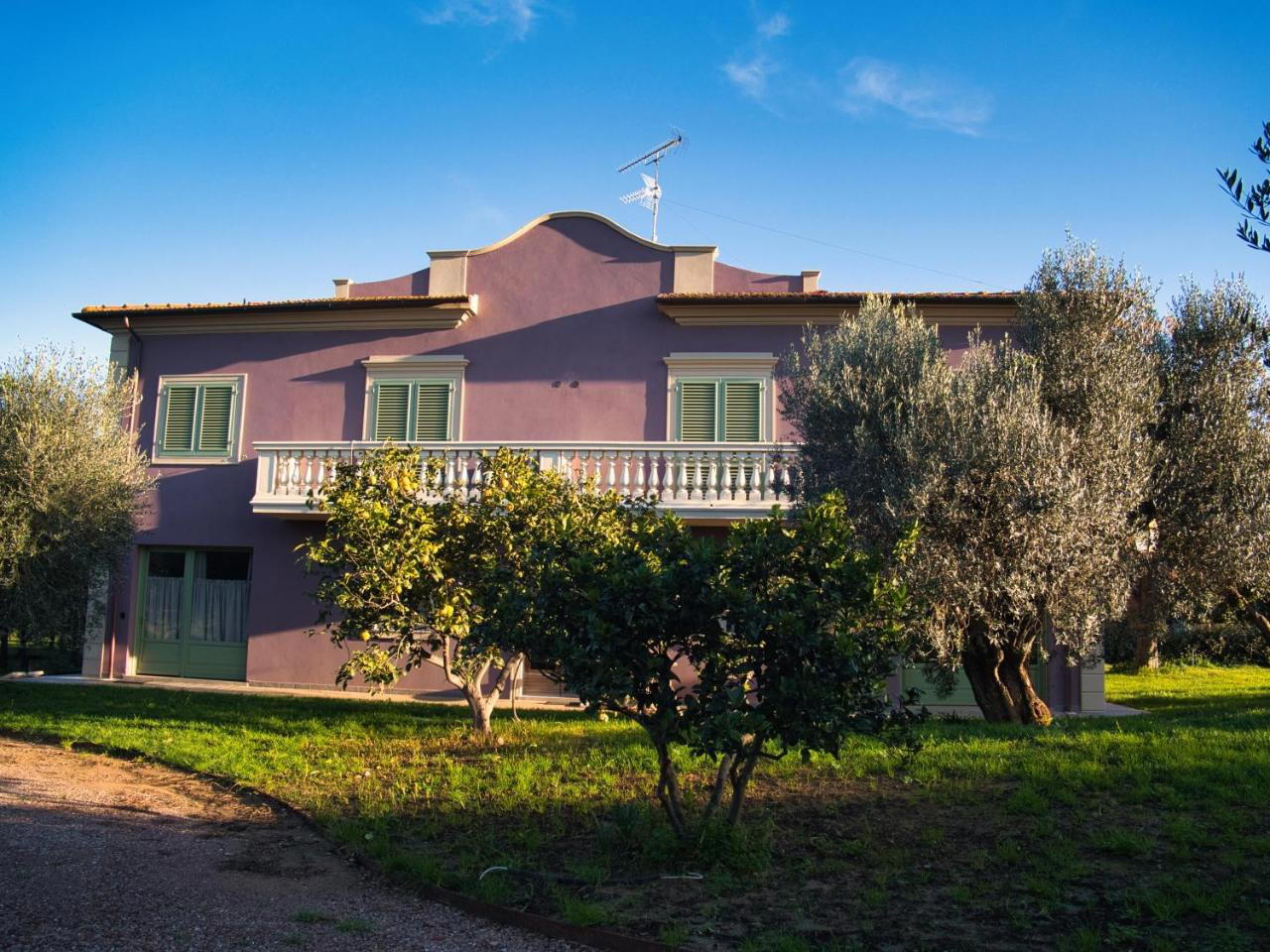
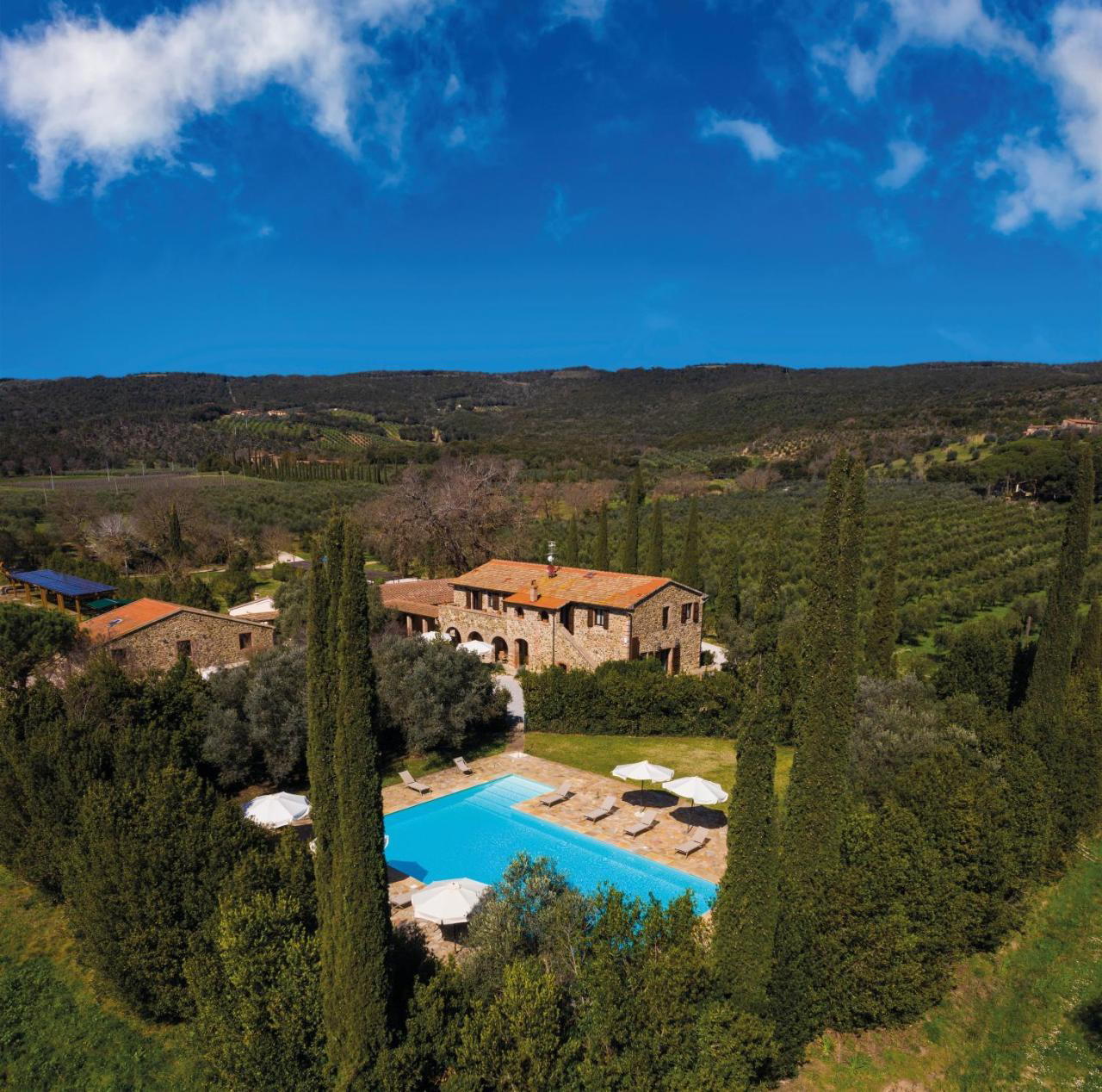
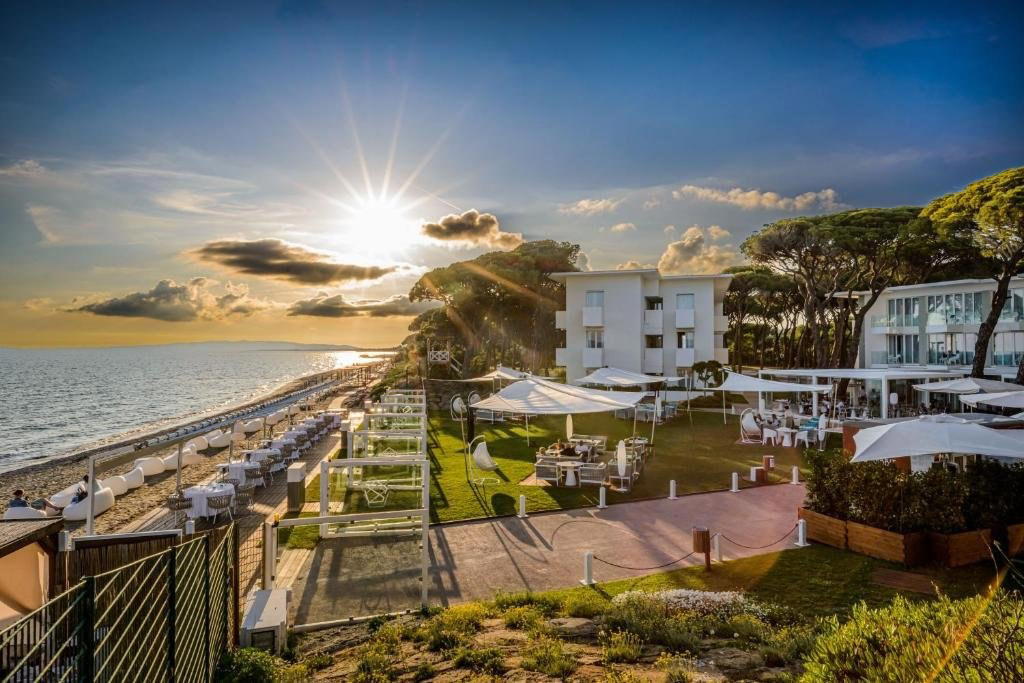
Details
- Scenic
- Rustic
- Classic
- Intimate
- Cozy
- Romantic Getaway
- Group Outing
- Wine Education
- Family
- Solo Exploration
- Vineyard Tour
- Estate Grounds
- Historic Building
- Garden
- Private Tasting
- Organic
- Sustainable
- Vineyard
- Garden
- Mountain
- Sangiovese
- Merlot
- Cabernet Sauvignon
- Petit Verdot
- Syrah
- Still Red
- Still Rosé
- Still White
- Estate Tasting
- Vineyard Tour And Tasting
- Private Tasting
- Food Pairing
- Italian
- English
- French
- Japanese
Organic Tuscan agriturismo estate with a peaceful, rural atmosphere surrounded by vineyards and olive groves, offering a quiet, contemplative setting that emphasizes nature, community, and the coastal Suvereto landscape.