Fabio Perrone

Fabio Perrone is a small family-run estate in Santo Stefano Belbo, focused on Moscato d’Asti DOCG from the steep Valdivilla hills. The appeal is not polished cellar-door theatre, but a rural Piedmontese reading of place: 19 hectares, Moscato Bianco Canelli, and a production culture shaped by slope, altitude, and family continuity since 1970.
Pearl is the En Primeur Club membership app — saves, bookings, and concierge access live there. Same editors, same standards.
- Address
- Santo Stefano Belbo, Piedmont, Italien
 Saves & bookings on Pearl
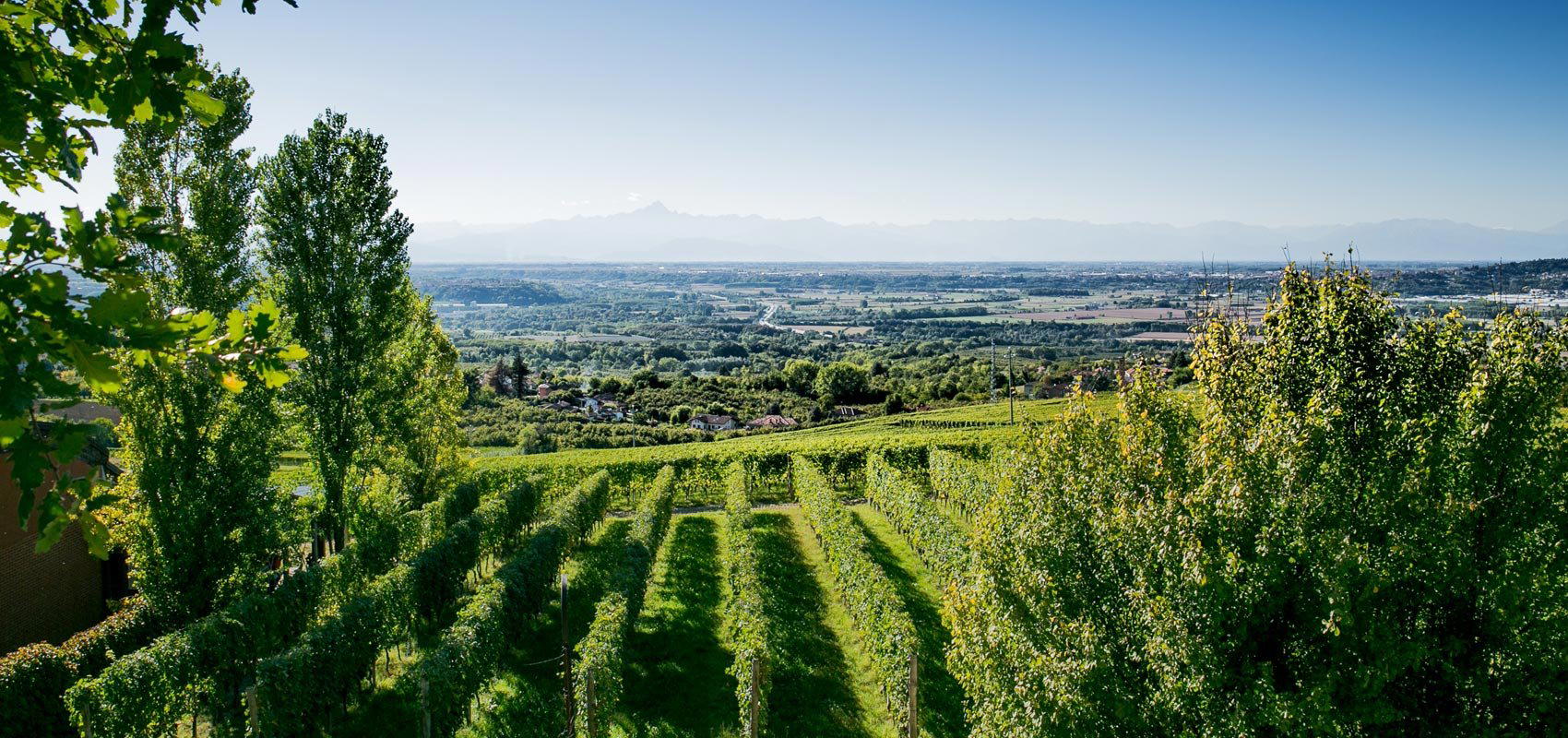
The approach to Valdivilla is central to understanding Fabio Perrone: steep hillside vineyards, a rural Piedmontese setting, and the quiet practical rhythm of a Moscato-producing area. In Santo Stefano Belbo, the estate is best framed through vineyard work and family-run production rather than polished visitor-centre design. The appeal is rustic, scenic, intimate, and classic rather than showy, with the landscape doing much of the storytelling before any formal explanation begins. This is the kind of place where context matters: the slopes, the agricultural surroundings, and the modest scale of the experience help define the impression as much as the wine itself.
Valdivilla Moscato shaped by hillside farming
Fabio Perrone sits within the steep Valdivilla hills of Santo Stefano Belbo, where the setting points visitors toward the agricultural side of Moscato production. The picture is not one of elaborate hospitality architecture or a highly staged experience, but of a traditional rural winery environment shaped by vineyards, slope, and everyday estate work. The hillside setting is not just a scenic backdrop; it is the frame through which the estate is best read, giving the visit a practical, place-led quality that feels closely tied to the surrounding countryside.
That makes the estate most useful for travellers who want to understand Moscato through place rather than through a luxury tasting-room format. The family-run character and rural context are the important facts: Fabio Perrone is rooted in vineyard labour, local landscape, and a quieter style of Piedmontese wine culture. Rather than presenting wine as a detached product, the estate’s appeal lies in connecting Moscato to the physical reality of Santo Stefano Belbo: hillsides, small-scale rural rhythms, and a sense of continuity with the area’s agricultural identity.
Because detailed public-facing specifics are limited here, it is better not to overstate the production methods, exact vineyard scale, bottle range, or visitor format. What can be said with confidence is that Moscato production is central to the estate’s identity, and that the Valdivilla hillside setting gives the visit its character. For that reason, particularly accurate expectation is a grounded encounter with a Moscato-led rural estate, not a checklist of formal amenities or a heavily packaged wine-tour experience. The lack of elaborate detail should not be treated as a weakness; it simply reinforces that this is best approached through landscape, locality, and restraint.
A Moscato-led rural estate
The winery is best understood as a Moscato-focused estate rather than as a broad hospitality destination. The details support a simple, grounded reading: family-run, rural, vineyard-led, and set in the steep hills around Santo Stefano Belbo. That combination gives the estate a clear identity without needing to rely on spectacle. It belongs to the quieter side of Piedmontese wine travel, where the value is in seeing how a local wine culture sits within its natural and agricultural setting.
For travellers building a wine-focused itinerary, this means the estate should be approached as a quiet Piedmontese stop with a strong sense of place. Avoid expecting a highly designed visitor centre or a restaurant-style experience; the known appeal is the classic rural setting and the connection to Moscato production. It is better suited to visitors who appreciate understated places, who are comfortable with simplicity, and who find meaning in the relationship between vineyard, hillside, and village rather than in a polished hospitality format.
Within Santo Stefano Belbo, the winery can be placed alongside other local dining and wine options generically, but its own identity is clear enough: a hidden-gem estate where the landscape and vineyard work matter more than spectacle. In that sense, it can add useful contrast to a wider itinerary. The point is not to position it as a large, multi-layered destination, but to recognise it as a rural wine address whose character comes from being embedded in the Valdivilla hills and in the Moscato-producing life of the area.
Who this estate suits
This is a strong fit for travellers who prefer rustic, scenic wine settings and who are interested in Moscato as part of the working range of Santo Stefano Belbo. The atmosphere is intimate and traditional, with the feel of a family-run Piedmontese estate rather than a polished commercial complex. Visitors who enjoy quiet roads, vineyard views, and a slower sense of discovery are likely to understand its appeal more readily than those looking for a highly curated or entertainment-led stop.
It also suits travellers who are comfortable letting a place remain modest and specific. The winery does not need to be inflated into something it is not: its strength is the clarity of its rural identity. The estate works well when seen as part of the broader fabric of Santo Stefano Belbo, where Moscato, hillside farming, and local food-and-wine travel naturally overlap. Allowing time for that context makes the visit feel more coherent, especially for those trying to understand why this part of Piedmont is so closely associated with Moscato.
To place the visit within a wider stay, use Our full Santo Stefano Belbo wineries guide alongside Our full Santo Stefano Belbo restaurants guide, Our full Santo Stefano Belbo hotels guide, Our full Santo Stefano Belbo bars guide, and Our full Santo Stefano Belbo experiences guide. Santo Stefano Belbo rewards an itinerary that leaves room for rural scenery, vineyard context, and other local food and wine stops. The winery fits that approach neatly: not as a grand headline attraction, but as a quiet, landscape-led piece of the local wine picture.
Recognition history
Dated appearances from independent guides and award organizations, with the underlying list record or original source where available.
Falstaff Winery - Listed
Falstaff
Continue exploring
More in Santo Stefano Belbo
Wineries in Santo Stefano Belbo
Browse all →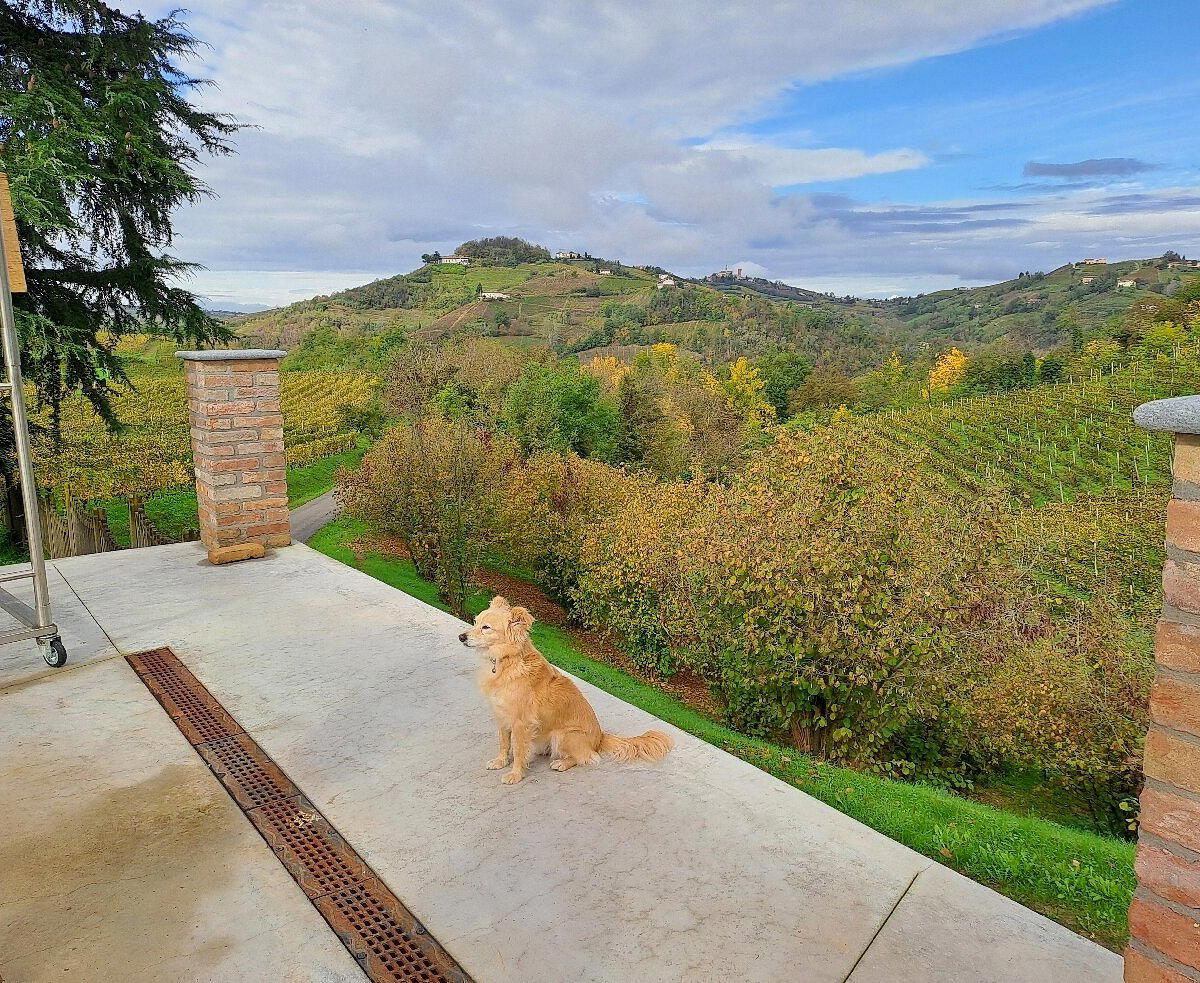
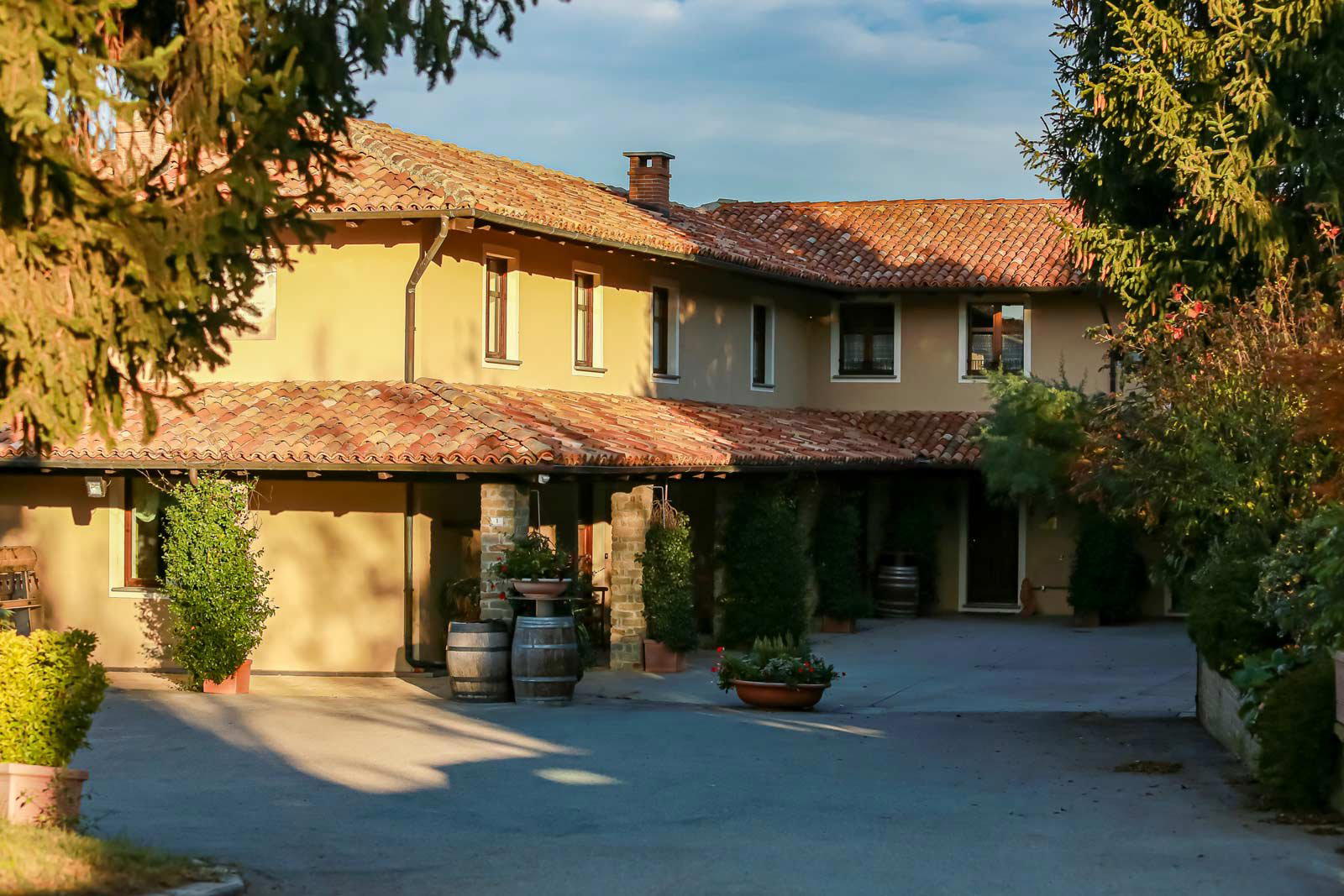
Restaurants in Santo Stefano Belbo
Browse all →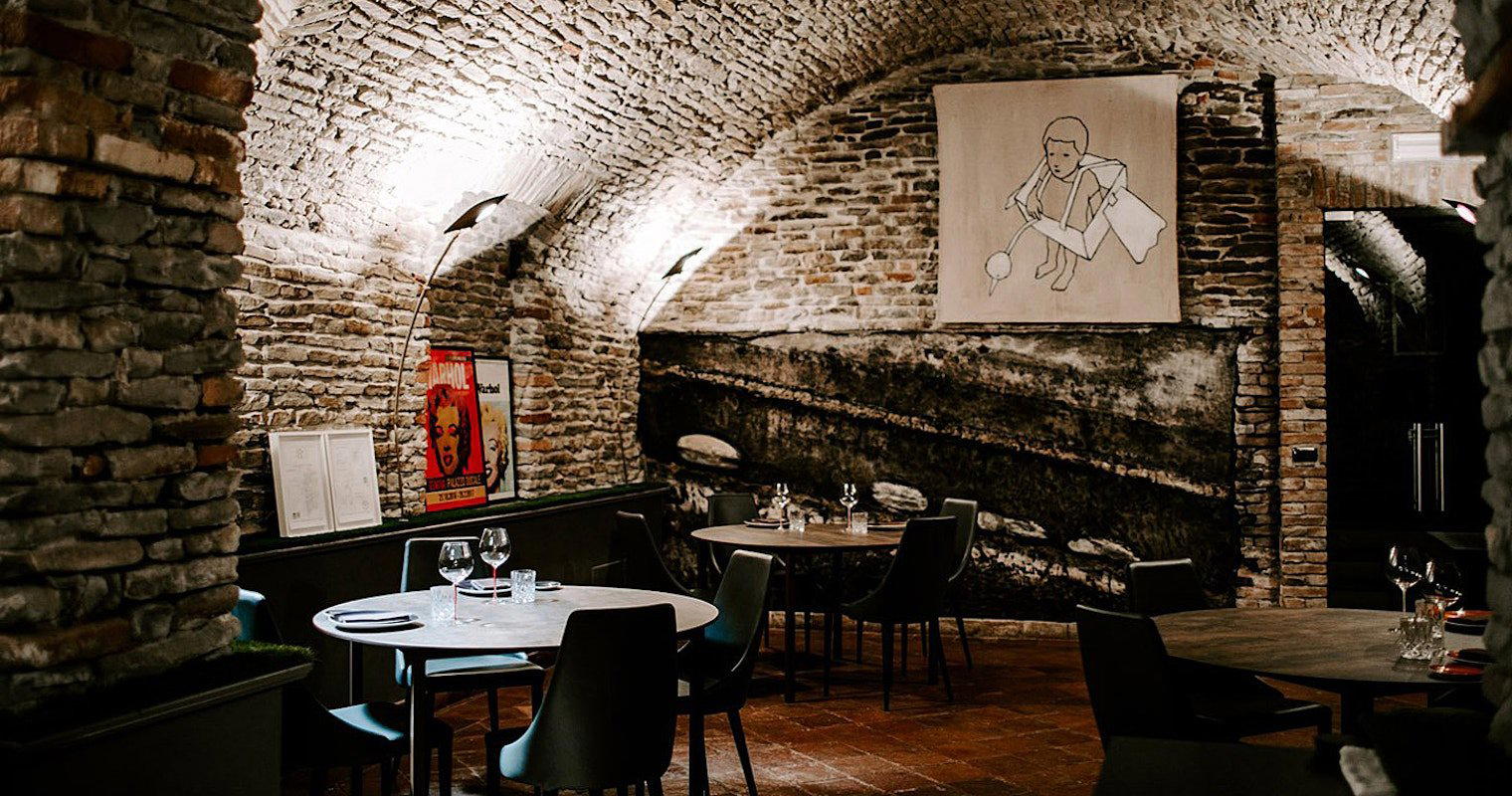
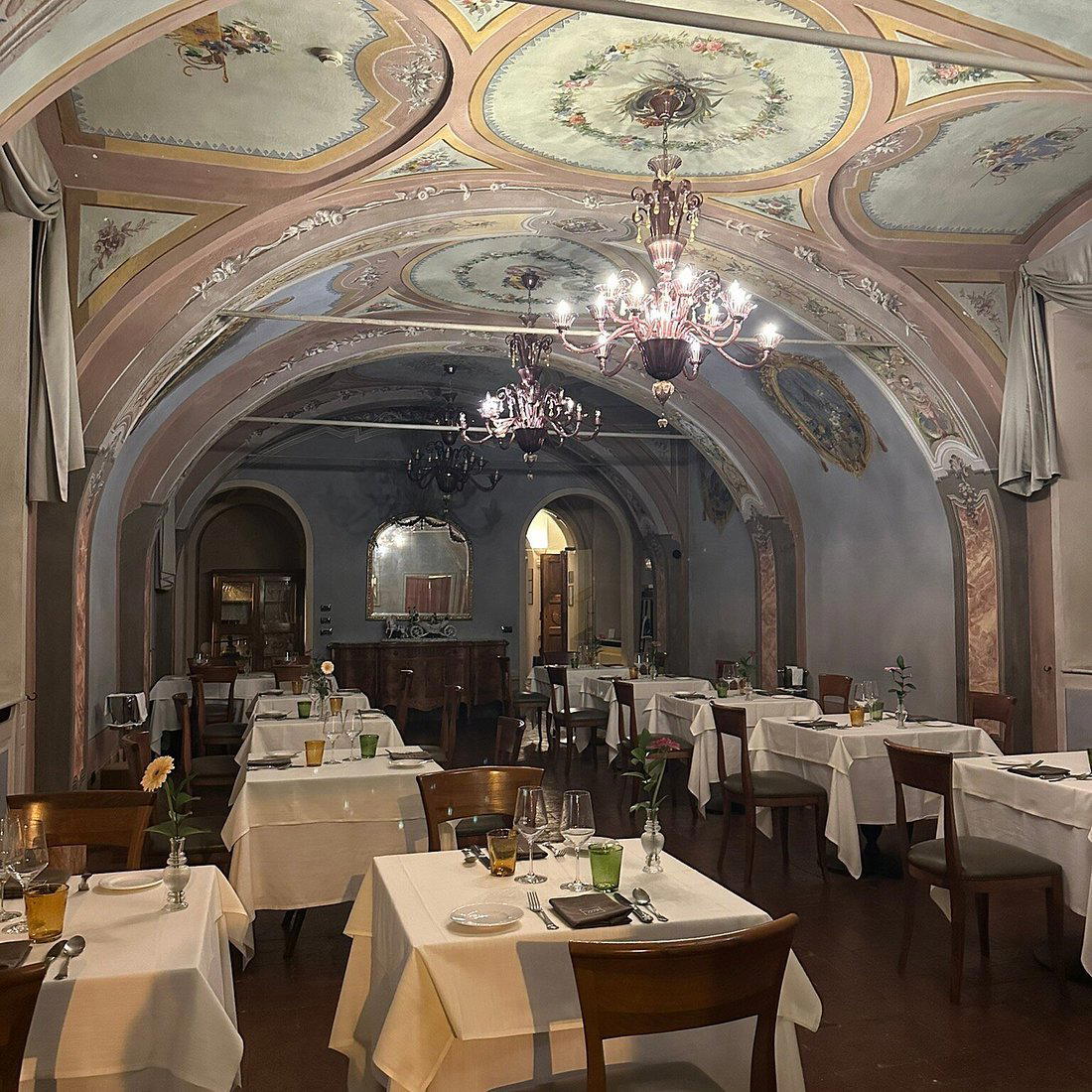
Hotels in Santo Stefano Belbo
Browse all →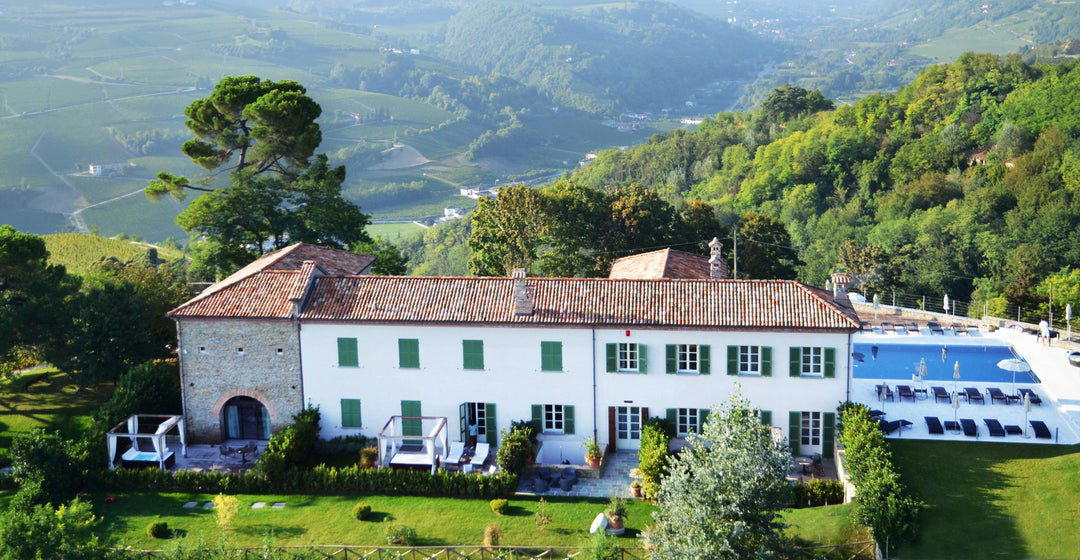
At a Glance
- Rustic
- Scenic
- Classic
- Intimate
- Solo Exploration
- Wine Education
- Romantic Getaway
- Estate Grounds
- Vineyard Tour
- Sustainable
- Vineyard
- Mountain
- Moscato D’asti DOCG
- Moscato Bianco Canelli
- Still White
- Dessert
- Standard Tasting
- Vineyard Focused
Family-run Piedmontese estate on steep Valdivilla hills, with a traditional, rural winery setting focused on vineyard work and Moscato production rather than polished visitor-center design.