
Domaine Saint Sylvestre is a small Terrasses du Larzac estate in Puechabon shaped by altitude, rolled-pebble soils and a preference for freshness over weight. The interest is not cellar-door spectacle, but the way Syrah, Grenache, Mourvèdre and southern white varieties are handled with the discipline of a serious fine-wine domaine.
Pearl is the En Primeur Club membership app — saves, bookings, and concierge access live there. Same editors, same standards.
- Address
- Puéchabon, Occitanie, Frankreich
- Directions
- Get directions
 Saves & bookings on Pearl
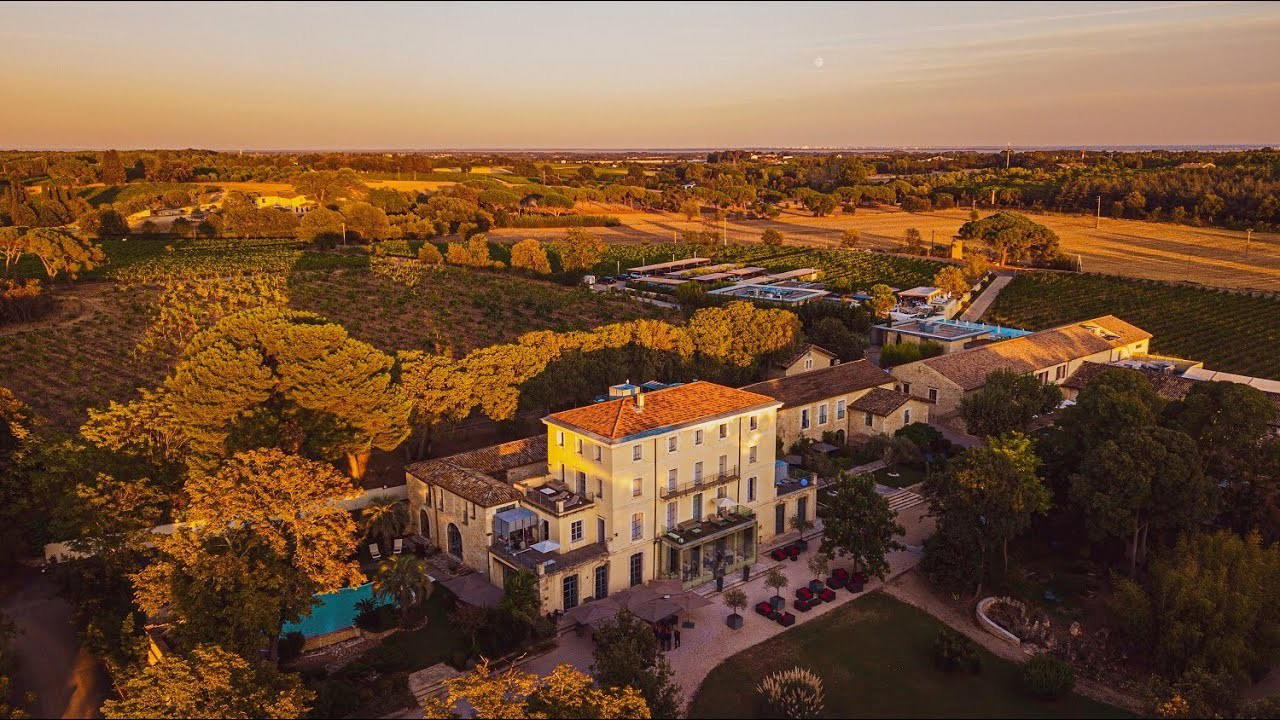
Approaching Puechabon, Domaine Saint Sylvestre is best understood as a small, high-focus Languedoc estate rooted in Terrasses du Larzac. The emphasis is on finesse, elegance and freshness from meticulous vineyard work, with an atmosphere that points more toward serious fine-wine craftsmanship than tourism or large-scale hospitality. In that sense, the estate reads less as a place to frame through amenities or visitor infrastructure, and more as a wine address whose meaning comes from its regional footing and its disciplined stylistic intent. The available picture is deliberately narrow, but that narrowness is useful: it keeps attention on the essentials of place, scale and craft.
Terrasses du Larzac through restraint and vineyard focus
Terrasses du Larzac is central to the identity of Domaine Saint Sylvestre. Rather than presenting the estate as a broad visitor attraction, the picture is more precise: a compact, serious Languedoc domaine whose reputation rests on careful vineyard work and a style built around freshness, finesse and elegance. That framing matters because it places the estate within the more considered side of the region’s wine culture, where the interest is not simply that wine is made, but that it is made with an evident concern for balance, definition and restraint.
The available description also encourages a measured tone. Domaine Saint Sylvestre should not be inflated into something it has not been confirmed to be; its strongest identity is already clear without embellishment. Meticulous vineyard work is the point of entry, and the language of freshness, finesse and elegance suggests a domaine more concerned with precision than with volume or spectacle. For a reader trying to understand the estate before visiting the area or building a wine itinerary, that distinction is helpful. It signals a place whose relevance lies in fine-wine seriousness, not in a broad set of hospitality claims.
Specific public-facing details such as grape varieties, parcel sizes, cellar methods, visiting formats and production figures are not confirmed here, so they should not be overstated. What can be said with confidence is that winery belongs to the more focused end of the regional conversation, where the appeal is fine-wine craft rather than spectacle. That restraint is not a weakness in the profile; it is part of the responsible way to describe a producer when the information is concentrated around style, setting and ethos rather than exhaustive technical detail.
For travellers or collectors looking at Puechabon through a wine lens, the estate’s draw is its grounded Terrasses du Larzac identity. It is a place to understand as part of the Languedoc’s more exacting fine-wine landscape, not as a casual hospitality complex. One useful approach is therefore to read the winery as a focused expression of its appellation context: serious, place-led and defined by the pursuit of freshness and elegance rather than by an expanded visitor narrative.
A restrained profile without overstatement
The profile of the winery supports a restrained reading: the estate is described through meticulous vineyard work and a pursuit of finesse, elegance and freshness. That is enough to distinguish it from broader, more tourism-led wine experiences without inventing unconfirmed production details. The vocabulary already carries weight, because it points toward a deliberate fine-wine sensibility and a disciplined approach to the vineyard.
The stronger and safer emphasis is on the estate’s serious, small-scale Languedoc character and its roots in Terrasses du Larzac. Those two elements give the page its centre of gravity. Small-scale, in this context, should be understood as a cue for focus rather than as a prompt to speculate about numbers; serious should be understood through the stated commitment to vineyard work and stylistic refinement. The result is a profile that remains clear, useful and editorially careful.
No confirmed awards or rankings are included in the available information. The estate should therefore be presented on the basis of its stated style and regional identity rather than through accolades. That approach keeps the recommendation honest: the winery does not need borrowed authority from unlisted honours to be legible as a notable Puechabon wine address. Its presence on the page is justified by the combination of Terrasses du Larzac grounding, fine-wine craft and the repeated emphasis on freshness, finesse and elegance.
Who should put it on a Languedoc wine itinerary
The winery suits readers interested in a focused Puechabon wine address rather than a broad hospitality stop. Its appeal lies in the promise of fine-wine craftsmanship, the Terrasses du Larzac context and a style described in terms of finesse, elegance and freshness. It is best matched to travellers, collectors or wine-focused readers who value precision of identity over a long list of ancillary experiences. The estate’s profile invites attention from people who want to understand the more exacting side of the Languedoc and who are comfortable with a venue described through craft and place rather than through spectacle.
That keeps the itinerary guidance appropriately tight. The practical takeaway is simple: treat the winery as a serious Terrasses du Larzac reference point in Puechabon, and approach it with expectations shaped by restraint, vineyard focus and fine-wine intent.
Recognition history
Dated appearances from independent guides and award organizations, with the underlying list record or original source where available.
Falstaff Winery - Listed
Falstaff
Continue exploring
More in Puechabon
Wineries in Puechabon
Browse all →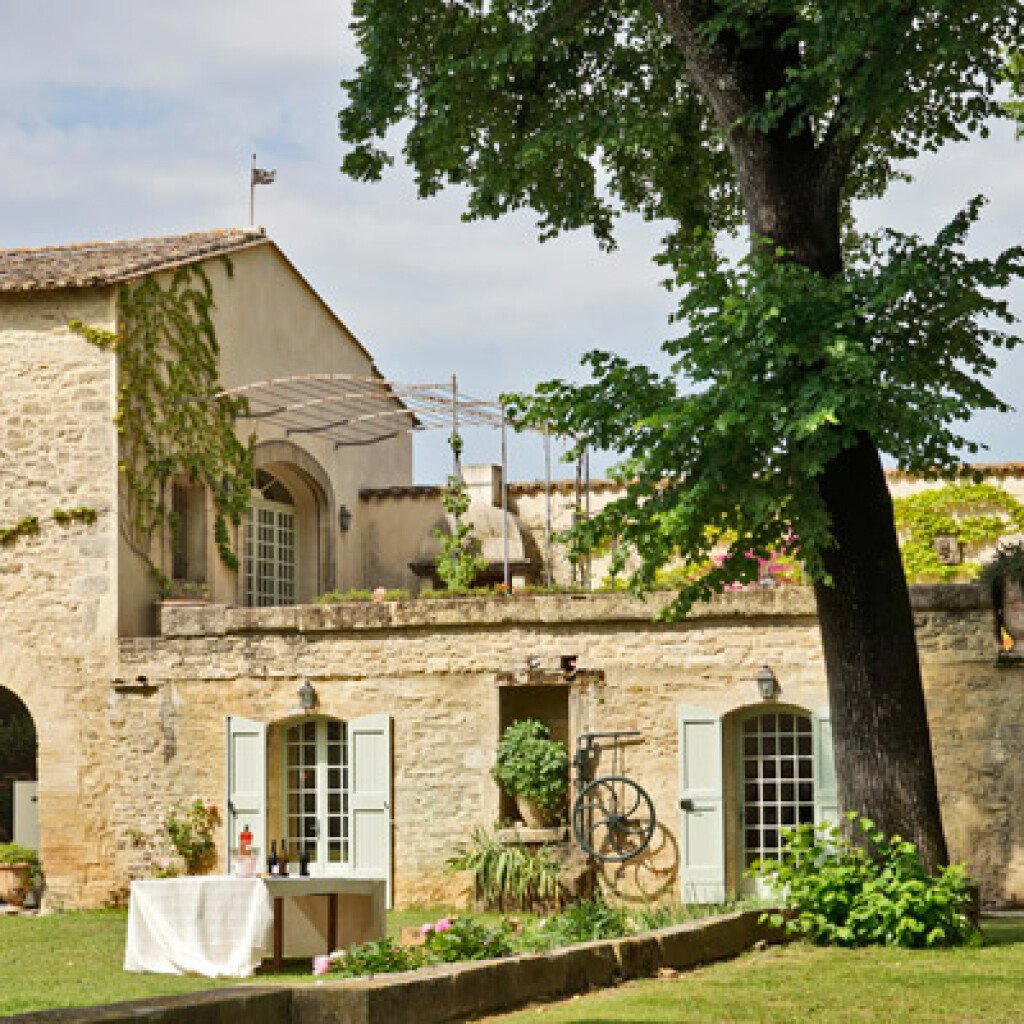
Restaurants in Puechabon
Browse all →
At a Glance
- Scenic
- Rustic
- Elegant
- Intimate
- Sophisticated
- Wine Education
- Solo Exploration
- Special Occasion
- Romantic Getaway
- Estate Grounds
- Vineyard Tour
- Sustainable
- Vineyard
- Mountain
- Terrasses Du Larzac AOP
- Syrah
- Grenache
- Mourvèdre
- Roussanne
- Marsanne
- Chardonnay
- Viognier
- Carignan
- Still Red
- Still White
Small, high-focus Languedoc estate rooted in Terrasses du Larzac, emphasizing finesse, elegance and freshness from meticulous vineyard work, with an atmosphere more about serious fine-wine craftsmanship than tourism or large-scale hospitality.