
Domaine Alain Chabanon is a biodynamic Languedoc estate in Lagamas shaped by old vines, five-village parcel work, and a quiet tasting-room format. The interest here is not spectacle but terroir: Mourvèdre, Syrah, Grenache, Merlot, Vermentino, and Chenin Blanc interpreted through a producer founded in 1992 and now working at a medium scale.
Pearl is the En Primeur Club membership app — saves, bookings, and concierge access live there. Same editors, same standards.
- Address
- Lagamas, Languedoc, Occitanie, Frankreich
- Directions
- Get directions
 Saves & bookings on Pearl
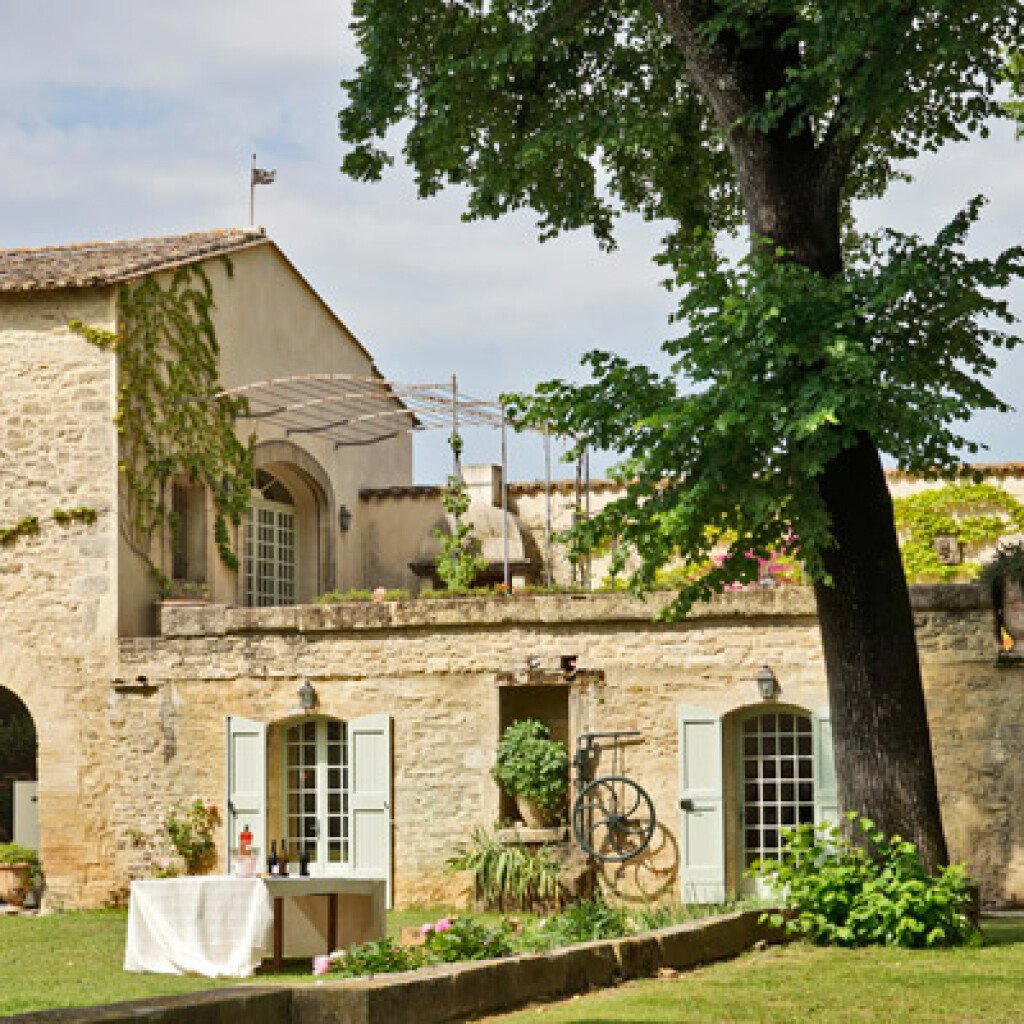
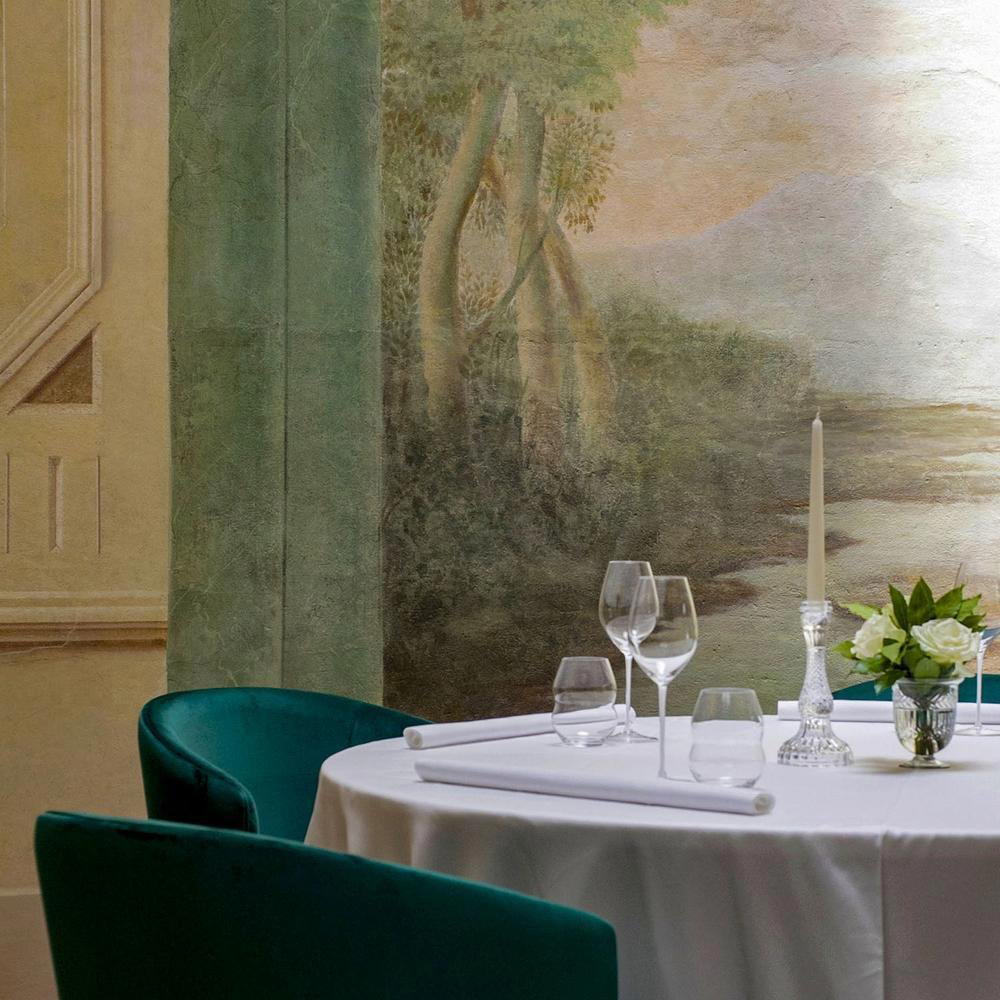
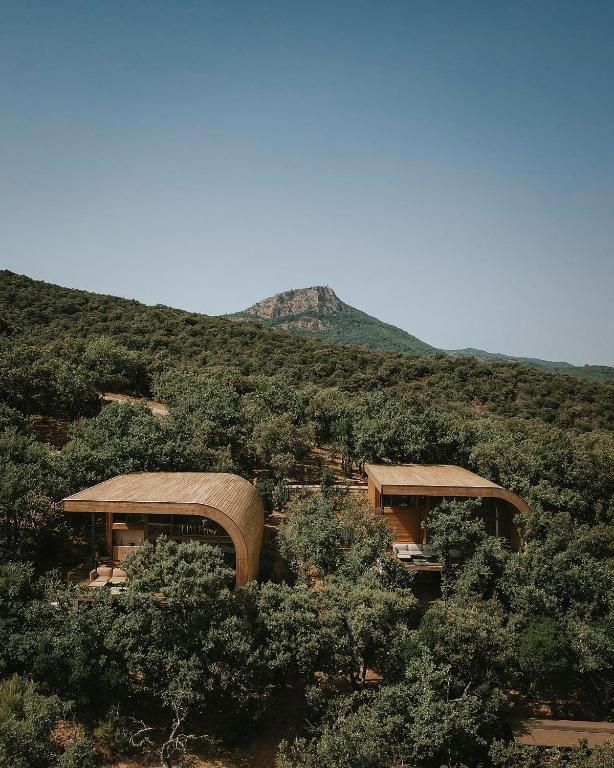
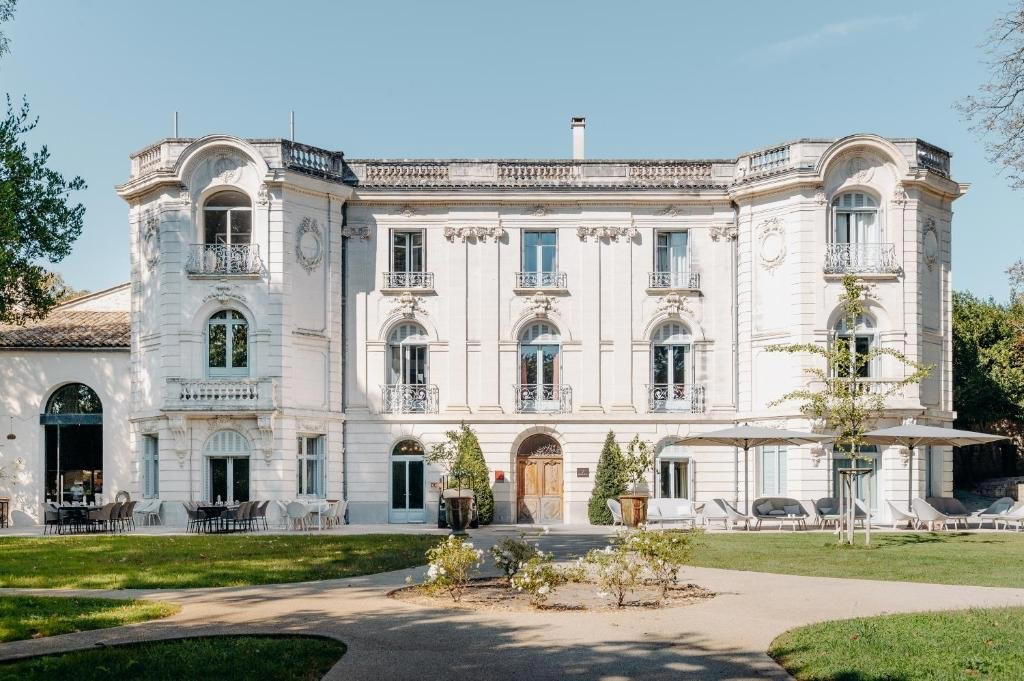
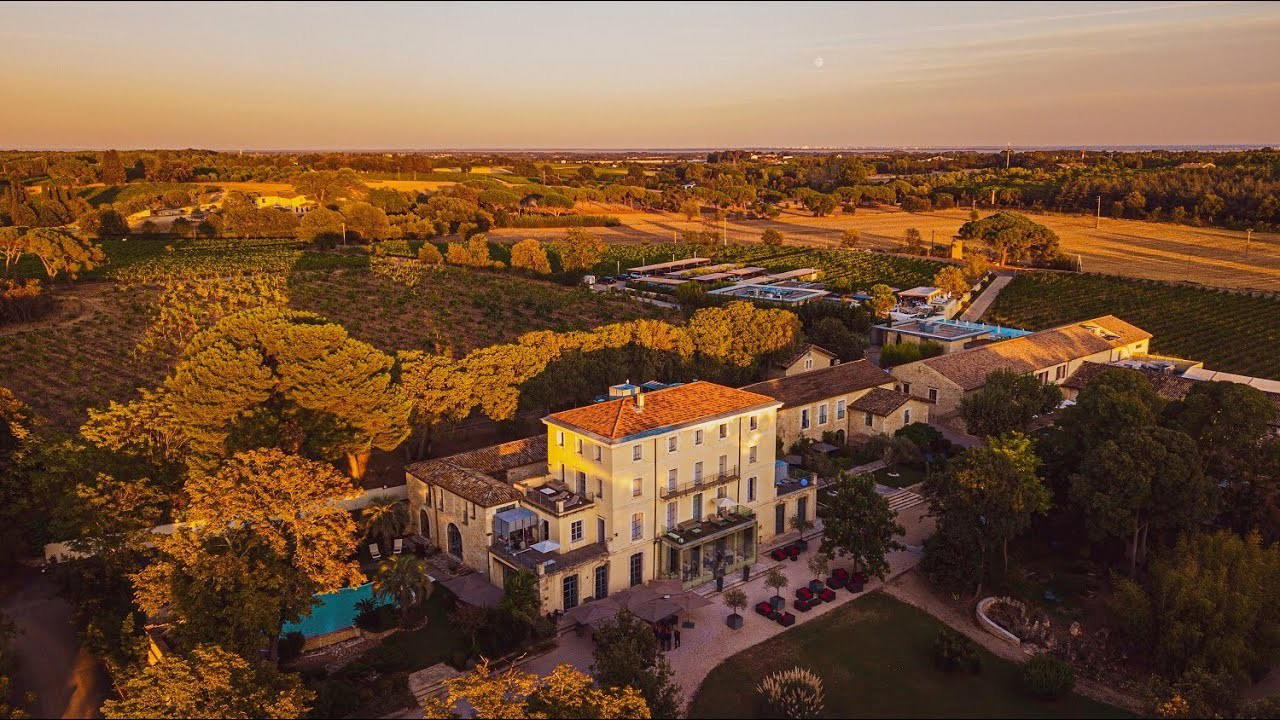
Around Lagamas, Domaine Alain Chabanon is best understood as a quiet, terroir-focused estate rather than a high-volume visitor attraction. The picture is deliberately spare: an estate atmosphere shaped by old vines, diverse parcels, and biodynamic viticulture, with a scenic, rustic, and sophisticated tone. In practical editorial terms, that means the domaine is less about spectacle and more about the relationship between farming, site, and the character of the surrounding landscape.
For EP Club readers, the useful way to frame Domaine Alain Chabanon is through setting and farming philosophy, not through claims about services, schedules, individual bottlings, or awards. The estate’s appeal rests on a grounded sense of place: old-vine material, parcel diversity, and a biodynamic approach in Lagamas.
Old vines, biodynamic viticulture, and the importance of parcel diversity
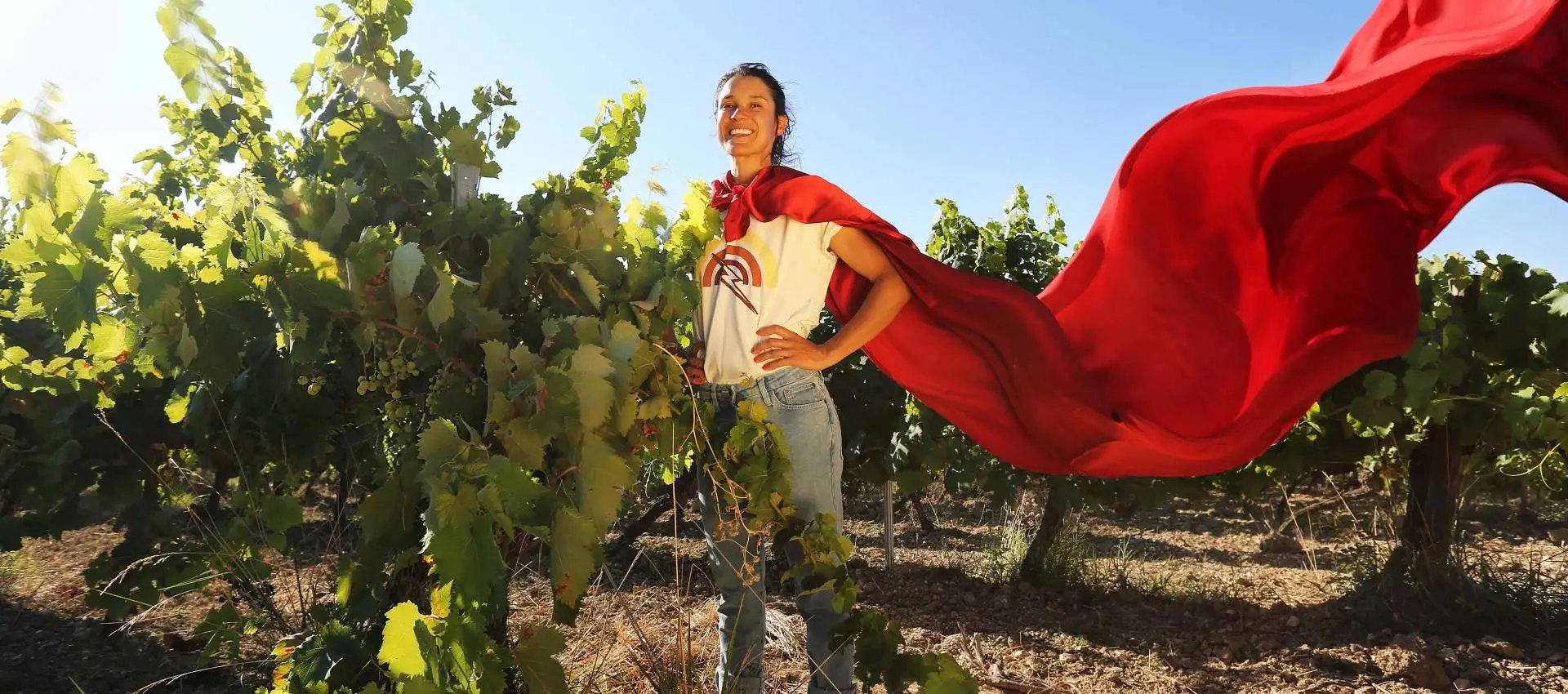
Domaine Alain Chabanon’s identity centers on old vines and diverse parcels. That makes it a venue for visitors and wine readers who care about how an estate expresses place, rather than a page to reduce to a single bottle, score, or fixed tasting format. Old vines and varied parcels are useful concepts here because they point to depth, difference, and site sensitivity: the estate is best read as a collection of vineyard voices rather than as a simplified brand statement.
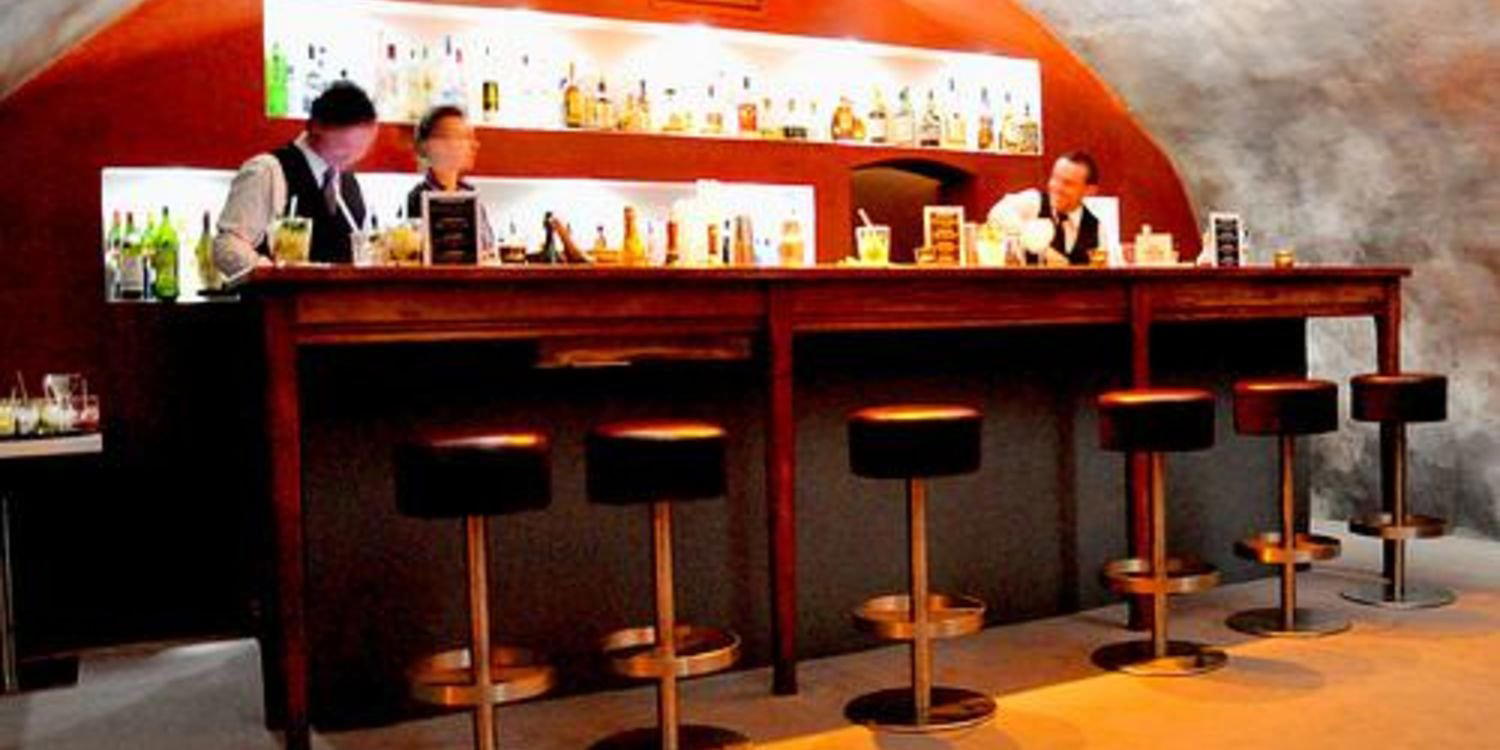
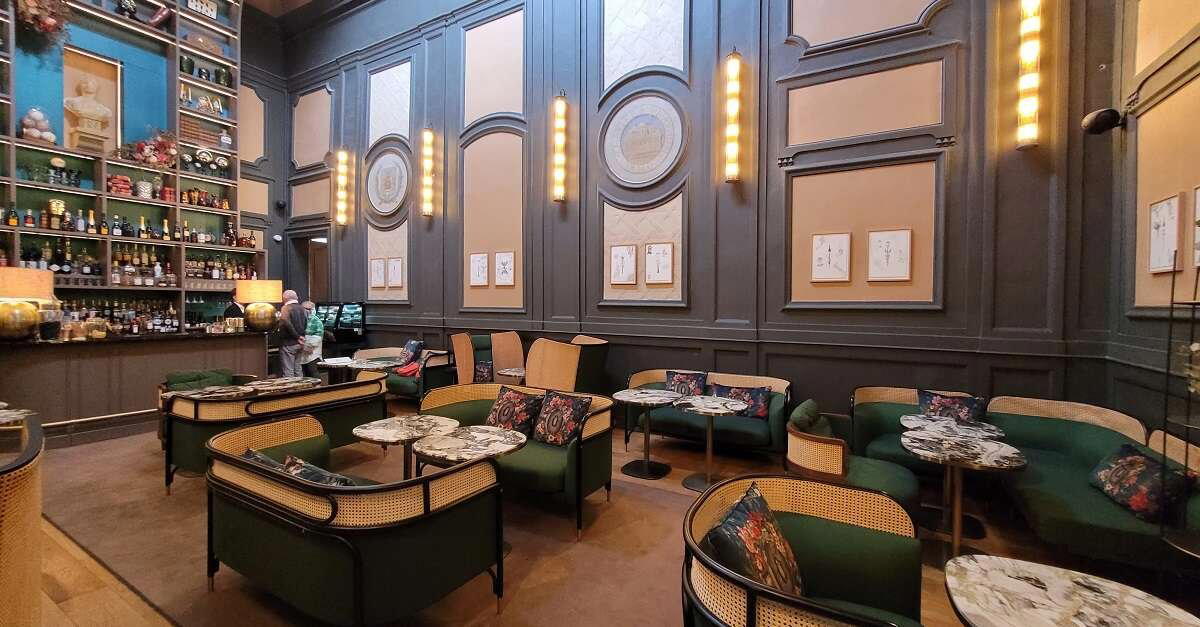
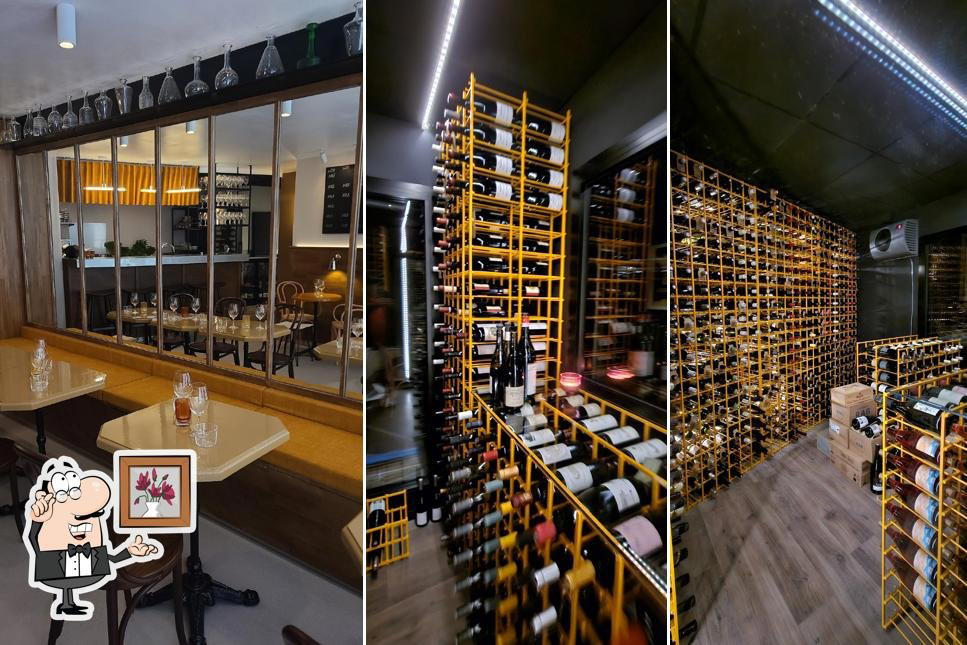
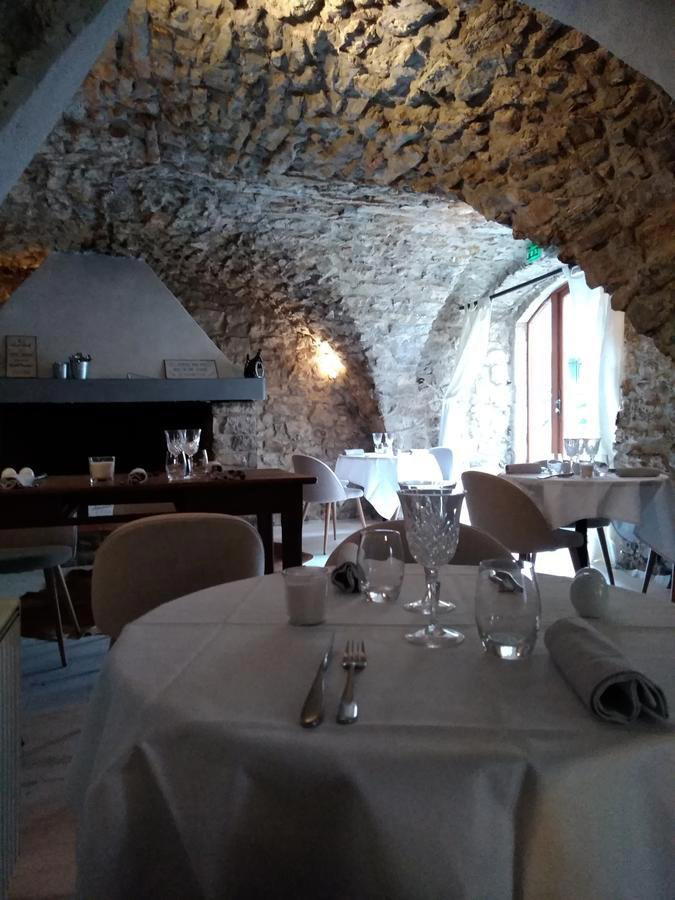
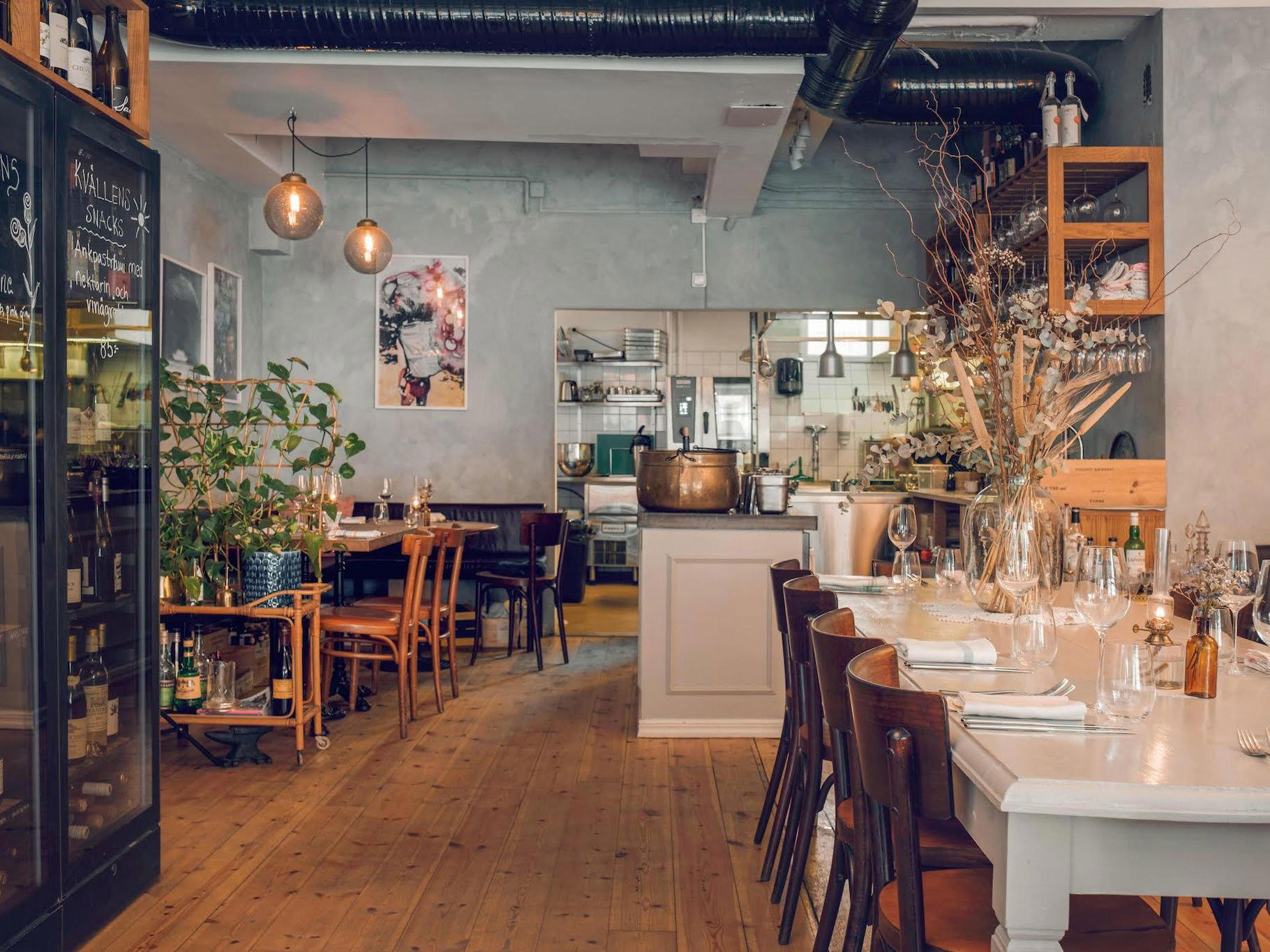
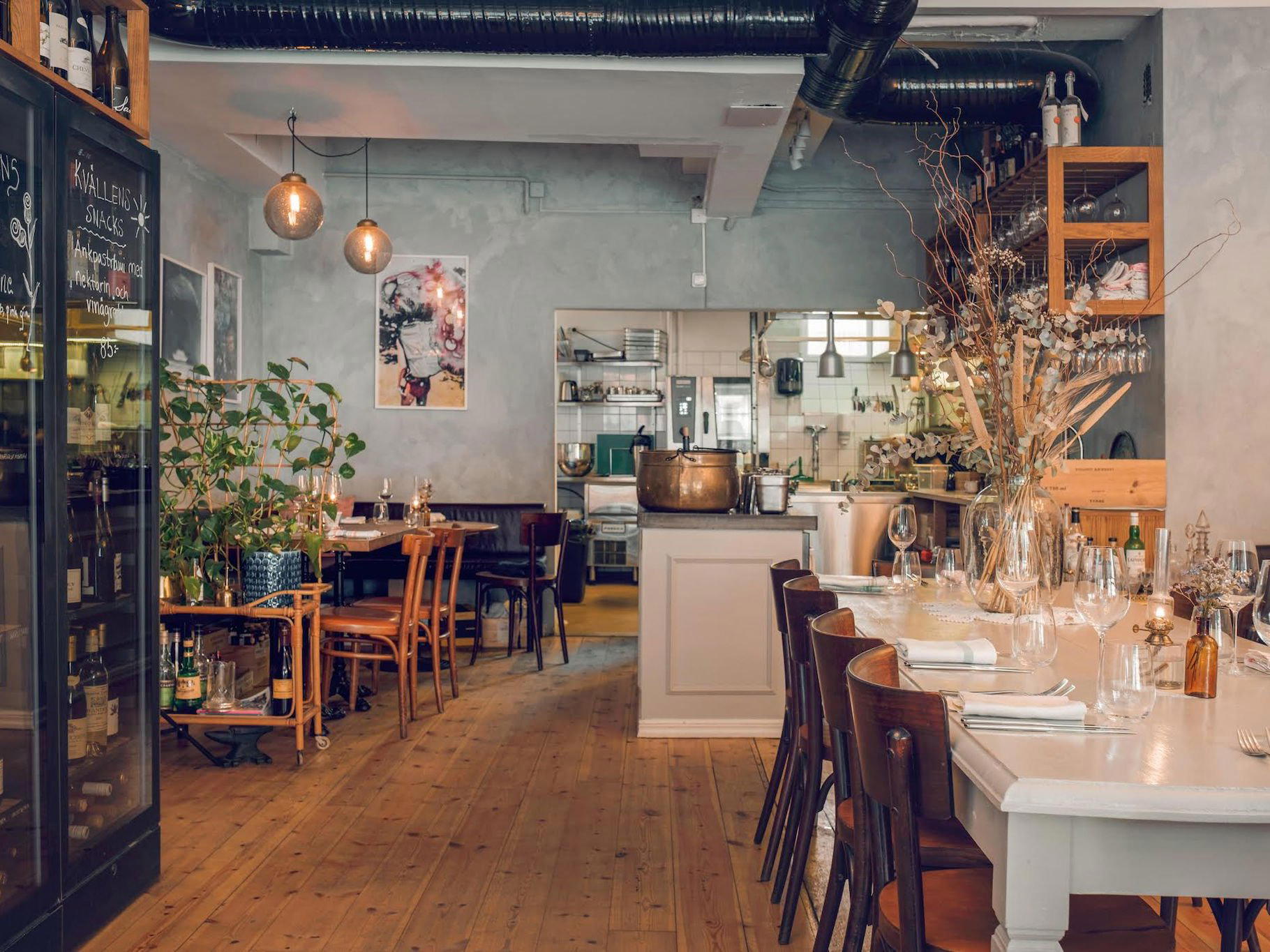
The estate atmosphere is quiet, scenic, rustic, and sophisticated. Those qualities matter because they set expectations: this is not best presented as a loud hospitality stop or a restaurant-style destination, but as a terroir-focused domaine in Lagamas. The rustic note keeps the description grounded, while the sophisticated note signals that the appeal is not casual in the sense of being generic; it is considered, restrained, and rooted in the landscape.
Biodynamic viticulture is part of the profile. Without adding certification dates, vineyard sizes, grape varieties, or cellar details, the safe takeaway is that the estate’s public identity is tied to farming choices and the interpretation of old-vine parcels. For readers, that farming emphasis should shape the way the estate is approached: the interest lies in how the domaine presents its land and parcels, not in unsupported assumptions about production scale or visitor infrastructure.
A terroir-focused estate rather than a claims-heavy visitor page
The strongest description of the winery is also the restrained: a biodynamic estate in Lagamas with an emphasis on old vines and varied parcels. Specific claims about individual wines, production methods, appointment rules, awards, or tasting-room operations should not be assumed unless confirmed directly before planning a visit. This restraint is not a weakness in the listing; it is part of keeping the venue page accurate and useful.
That restraint helps avoid overstating the experience. The winery can be compelling precisely because the information points toward vineyard character and atmosphere, not because of extras. In an area where wine travel can easily become a checklist, this estate is better framed as a slower, more interpretive stop: one where the background of old vines, parcel diversity, and biodynamic farming carries the editorial weight.
For travelers, the practical reading is simple: treat the domaine as a quiet, terroir-led estate. If you need current visit options, availability, or service details, confirm them directly rather than relying on assumptions. That keeps expectations aligned with what is actually known, while still allowing the estate’s character to come through clearly for readers who are considering Lagamas as part of a wine-focused trip.
How to fold this estate into a Lagamas wine itinerary
The winery works well as an anchor for a slower Lagamas plan focused on wine, landscape, and estate character. The cost level is $$, and the setting is quiet, scenic, rustic, and sophisticated. Those descriptors suggest a visit or planning note that should leave space for the setting itself, rather than compressing the estate into a rushed sequence of stops.
Lagamas is better approached with a flexible itinerary than with assumptions about dense hospitality circuits.
Recognition history
Dated appearances from independent guides and award organizations, with the underlying list record or original source where available.
Falstaff Winery - Listed
Falstaff
At a Glance
- Quiet
- Scenic
- Rustic
- Sophisticated
- Solo Exploration
- Wine Education
- Special Occasion
- Estate Grounds
- Vineyard Tour
- Biodynamic
- Vineyard
- Mountain
- Languedoc
- Still Red
- Still White
- Tasting Room
Quiet, terroir-focused estate atmosphere with an emphasis on old vines, diverse parcels, and biodynamic viticulture.