
Domaine la Clef du Récit is a small Loire estate in Vinon, framed by Sauvignon Blanc from Sancerre, Menetou-Salon, and Quincy, with a modest Pinot Noir holding. The interest is terroir rather than theatre: sandy-clay gravel, limestone influence, HVE-certified farming, and a quiet guided-tasting format that suits travelers who want the Centre-Loire explained through vineyard work, not spectacle.
Pearl is the En Primeur Club membership app — saves, bookings, and concierge access live there. Same editors, same standards.
- Address
- Vinon, Sancerre, Center-Val de Loire, Frankreich
- Directions
- Get directions
 Saves & bookings on Pearl
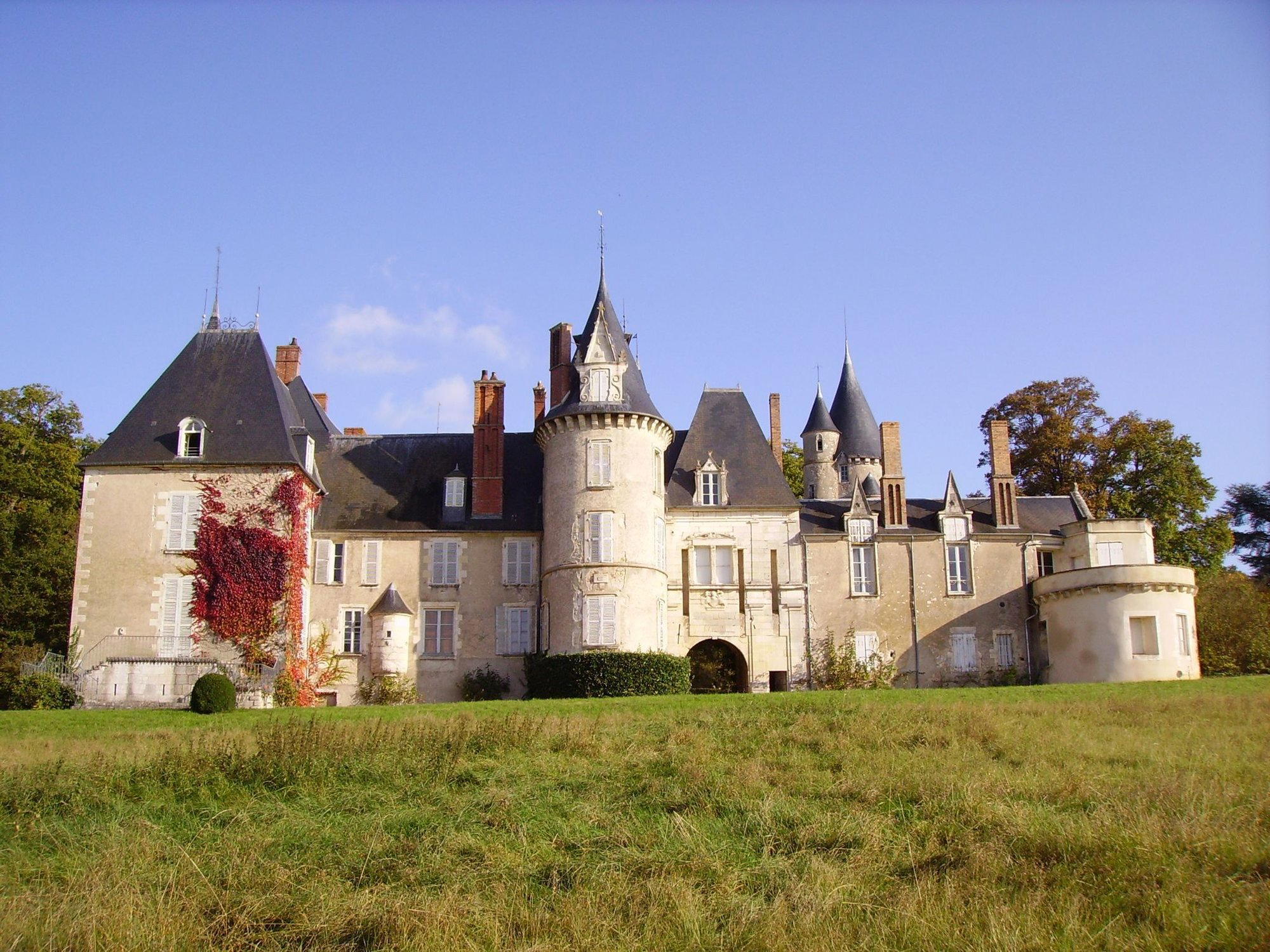
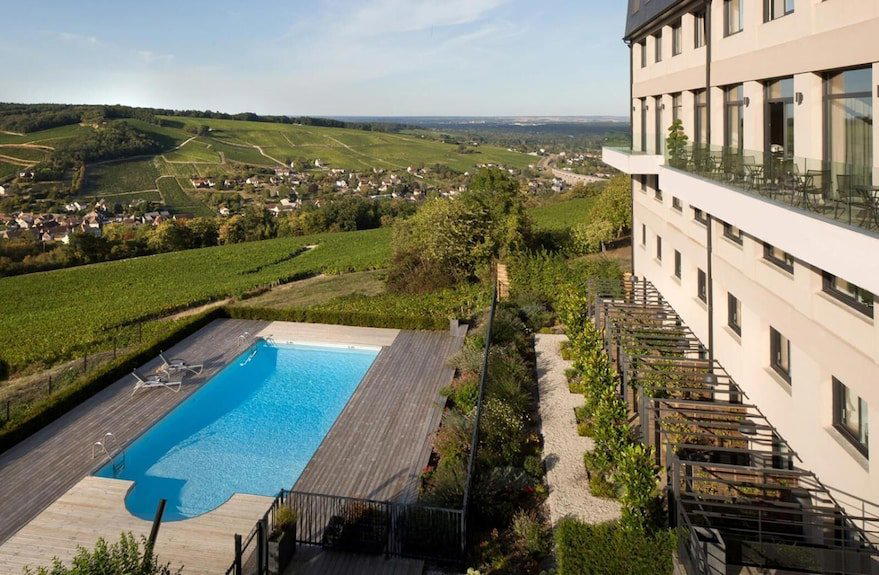
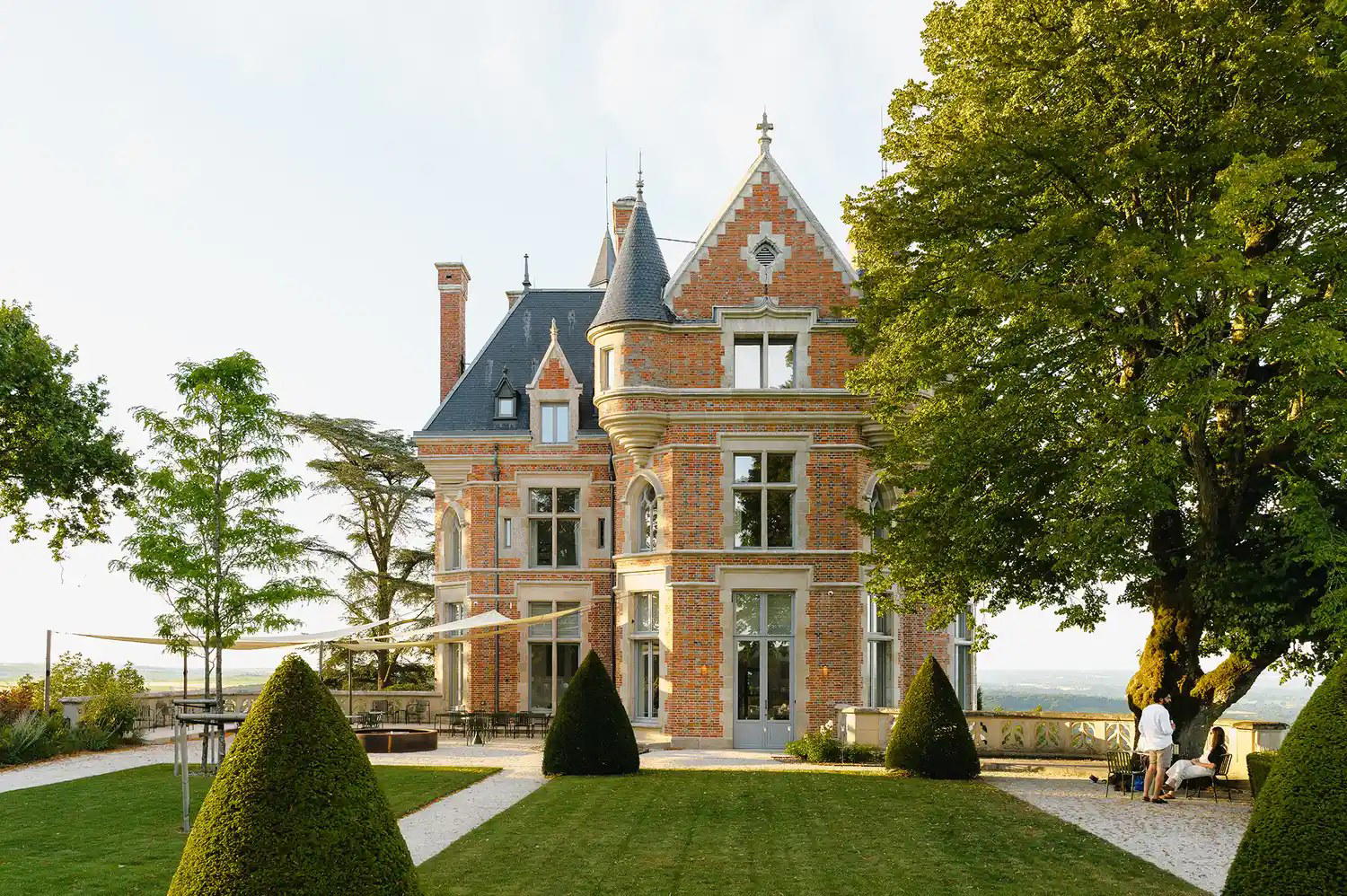
Approaching this part of Vinon, the Loire’s wine story feels less like a grand château itinerary and more like a working agricultural rhythm: low buildings, vineyard parcels, practical cellars, and the kind of quiet that makes Sauvignon Blanc feel tied to soil before it becomes tied to a glass. Domaine la Clef du Récit belongs to that quieter register of Centre-Loire wine travel, where the appeal is not architectural drama but the chance to read a familiar grape through several neighboring appellations.
The estate sits in the orbit of Sancerre, but the stronger editorial point is how Centre-Loire Sauvignon Blanc changes when it is spread across Sancerre, Menetou-Salon, and Quincy rather than held inside a single prestige label. That triangle matters. Sancerre carries the market weight; Menetou-Salon often reads as a related but softer proposition; Quincy has the historical claim of being the first Loire appellation to receive AOC status in 1936. Domaine la Clef du Récit uses those appellations as a compact study in proximity, soil, and reputation.
Sauvignon Blanc read through three Centre-Loire appellations
The estate’s vineyard footprint is small enough to keep the tasting focused, but broad enough to make the comparison useful: 10.8 hectares in Sancerre, 2.2 hectares in Menetou-Salon, 2 hectares in Quincy, and 1 hectare of Pinot Noir. In Loire terms, that is a disciplined portfolio rather than a sprawling one. Sauvignon Blanc is the main argument, with Pinot Noir acting as a supporting note rather than a second identity.
Sancerre holding gives the estate its recognizable reference point. The vineyards are associated with sandy-clay gravel and limestone soils, a combination that helps explain why this corner of France became shorthand for incisive, mineral-leaning Sauvignon Blanc. But the more useful tasting lesson comes when Sancerre is placed beside Quincy and Menetou-Salon. Quincy, on the Cher River side of the Centre-Loire map, often offers a more approachable reading of the grape, while Menetou-Salon can soften the sharper edge that drinkers expect from Sancerre. The point is not that one appellation replaces another; it is that a small producer working across all three can show how fine the differences become once the variety stays constant.
That makes Domaine la Clef du Récit more interesting as a terroir stop than as a prestige stop. The estate was founded in 2012 by Anthony Girard, whose background includes work beyond France as well as roots in the Sancerrois. Those credentials matter because the wines are not presented as nostalgia pieces. The emphasis is on vineyard work, environmental restraint, and clear varietal expression, with HVE certification giving the sustainability claim a formal French framework.
A quiet format for understanding soil, farming, and scale
Small Loire wineries can be awkward when they try to imitate larger visitor operations. The stronger ones accept their scale. Here, the format is guided and intimate, which suits an estate built around vineyard explanation rather than hospitality production. A visit works well for travelers who want to understand why Sancerre commands attention while neighboring appellations remain useful to drinkers who care about value, texture, and nuance.
The estate’s recognition reinforces that specific position. The 2021 Quincy received a 2-star rating and Coup de Cœur from Guide Hachette des Vins, while the 2023 Quincy drew attention from Decanter for its unoaked, 100% Sauvignon Blanc profile. Those are not generic accolades; they point toward the Quincy bottling as a serious part of the portfolio rather than a secondary label beside Sancerre. In a region where price and name recognition can run ahead of what is actually in the glass, that distinction matters.
Environmental language in wine can become soft quickly, but HVE certification has defined criteria around biodiversity, pest management, fertilizer use, and water. It is not the same claim as organic or biodynamic farming, and it should not be read as such. It does, however, place the estate inside the contemporary Loire conversation about farming less aggressively while keeping Sauvignon Blanc precise. For visitors, that means the vineyard discussion has substance: soil, ripeness, and farming choices are not decorative talking points here.
The broader Vinon stop works well as part of a regional wine day rather than a stand-alone luxury itinerary. For a wider French wine frame, EP Club also covers A. Margaine in Villers-Marmery, Abbaye de Fontfroide in Narbonne, Abbotts & Delaunay in Marseillette, Advini in Saint Felix De Lodez, Agrapart & Fils in Avize, Alain Brumont in Castelnau Riviere Basse, Alain Gras in Saint-Romain, Albert Boxler in Niedermorschwihr, »der Steiner« Hans Steiner in Podersdorf am See, and & Handwein in Mannheim.
Who should make the detour
This is a sharp fit for travelers who already know Sancerre and want the surrounding appellations to complicate the picture. It is also a sensible stop for anyone trying to understand why Loire Sauvignon Blanc can be both a restaurant default and a serious study in geology. The value is educational: seeing how a young estate founded in 2012 organizes a small holding across multiple appellations, then ties that work to environmental certification and guided tasting.
The visit will not suit travelers looking for a large cellar-door operation with food pairing, broad retail infrastructure, or a busy social room. Its strength is the opposite: a low-volume estate format where the wines and vineyard logic carry the experience. In a region often reduced internationally to a single famous appellation name, the winery gives the surrounding map more definition.
Recognition history
Dated appearances from independent guides and award organizations, with the underlying list record or original source where available.
Falstaff Winery - Listed
Falstaff
At a Glance
- Quiet
- Rustic
- Intimate
- Wine Education
- Special Occasion
- Solo Exploration
- Group Outing
- Private Tasting
- Vineyard Tour
- Estate Grounds
- Sustainable
- Vineyard
- AOC Quincy
- Sauvignon Blanc
- Still White
- Guided Tasting
Quiet, appointment-based winery atmosphere focused on guided tasting and vineyard work, with an emphasis on careful, environmentally respectful production.