
Falstaff Winery - Listed
Ferme de la Sansonnière is a small biodynamic farm-estate in Thouarcé, in Anjou’s Loire Valley, with Chenin Blanc at the centre of its reputation. Founded in 1989 by Mark Angeli, it sits in the Loire’s low-intervention current rather than the polished château model, with small-scale production, Vin de France labelling, and a farm system built around vines, animals, crops, and soil life.
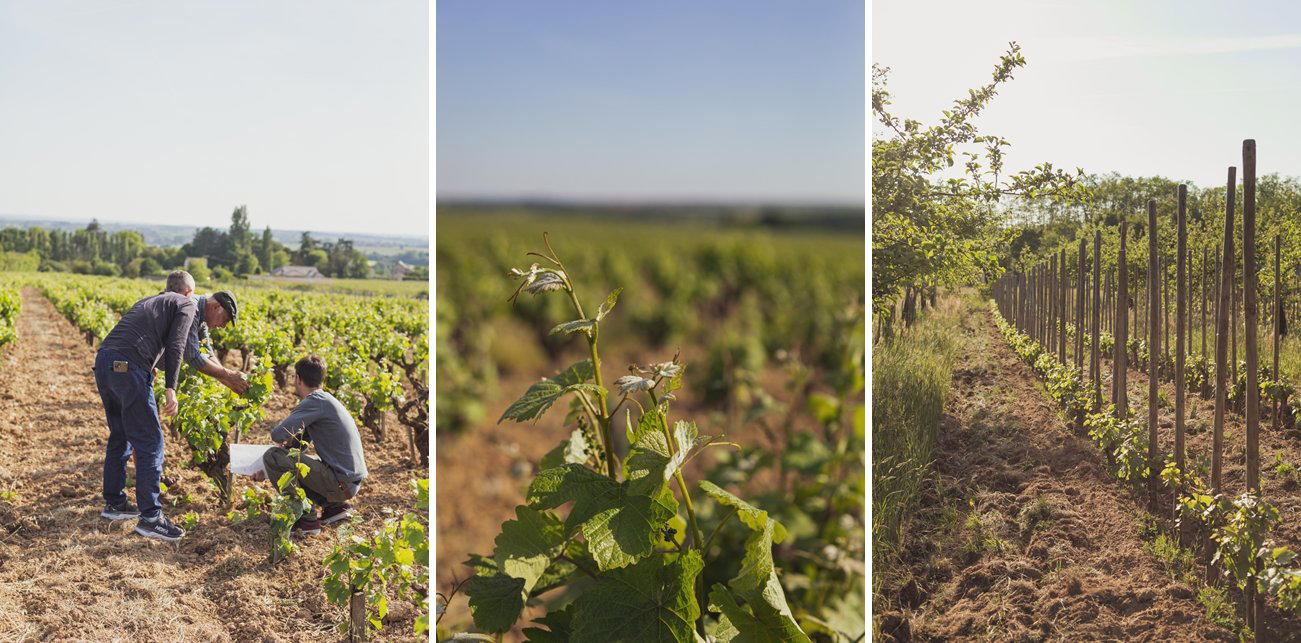
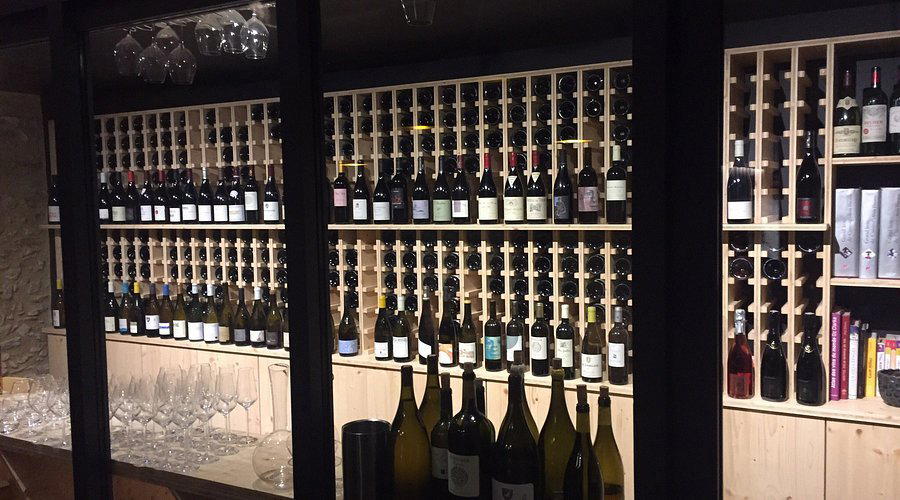
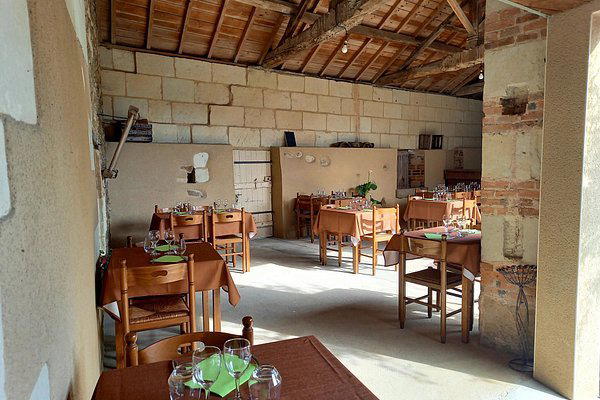
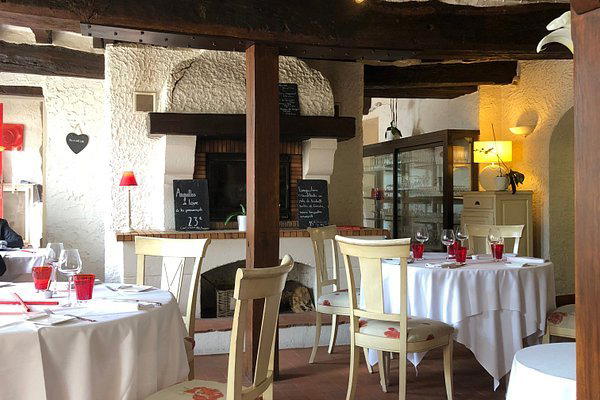
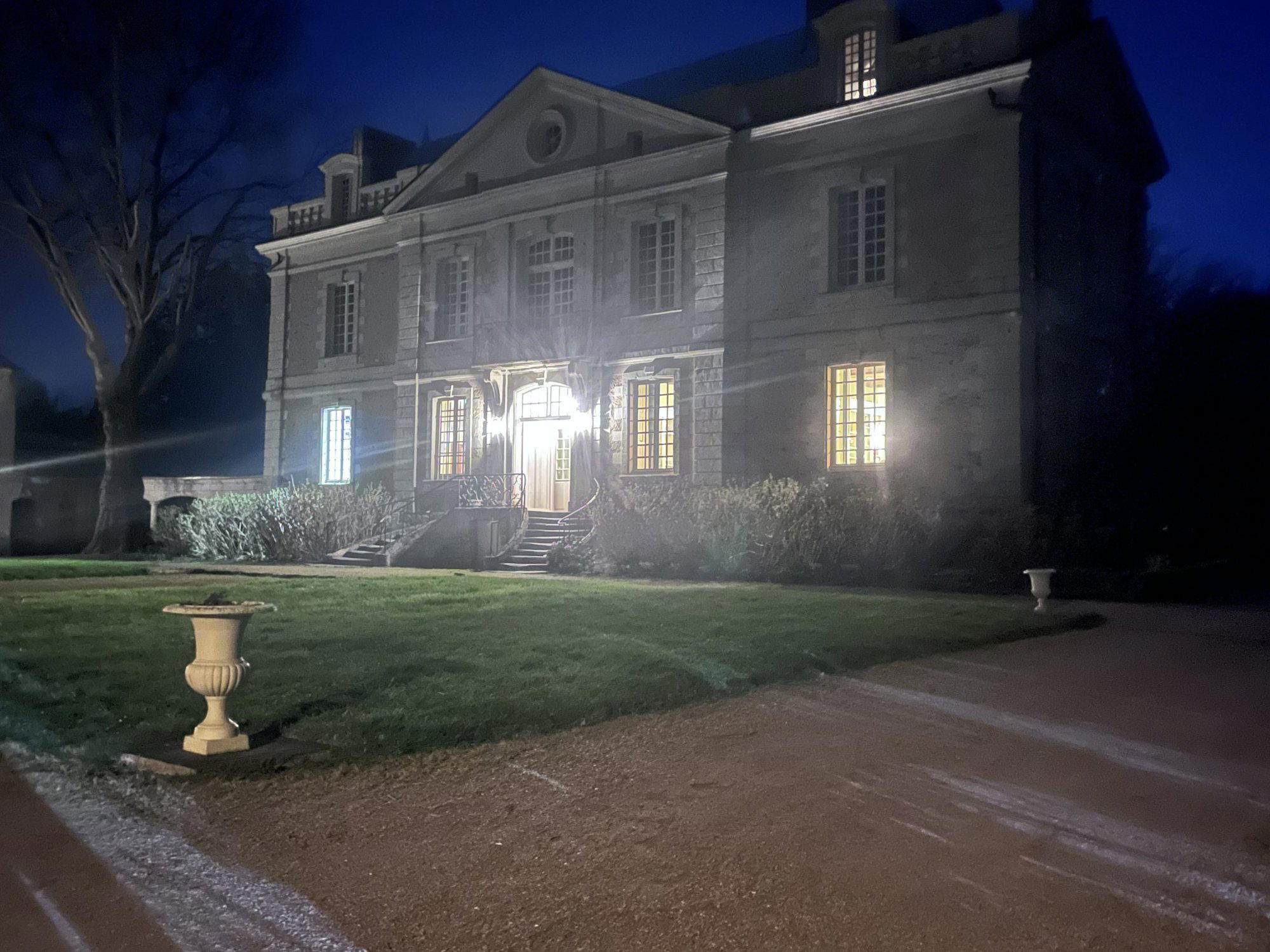
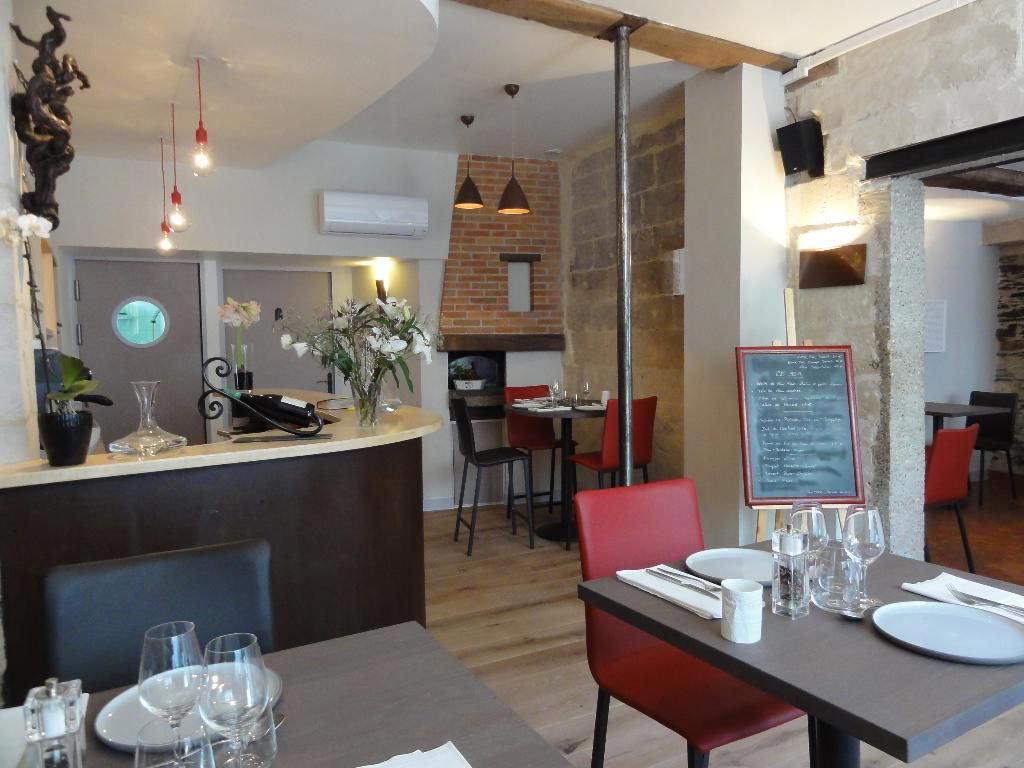
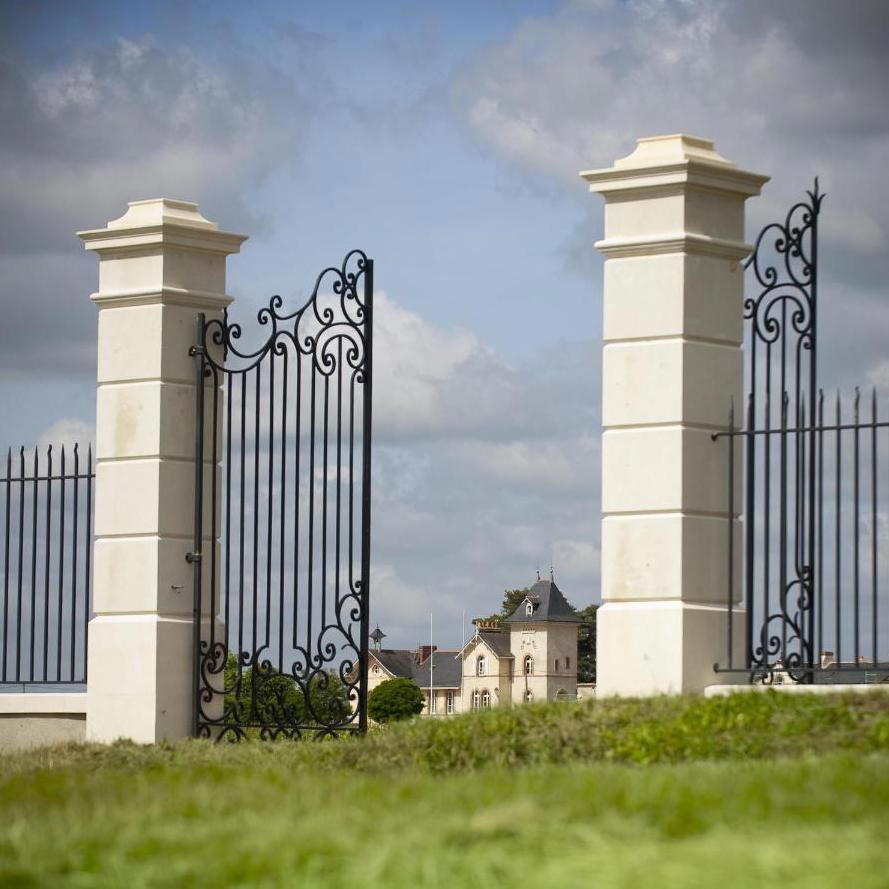
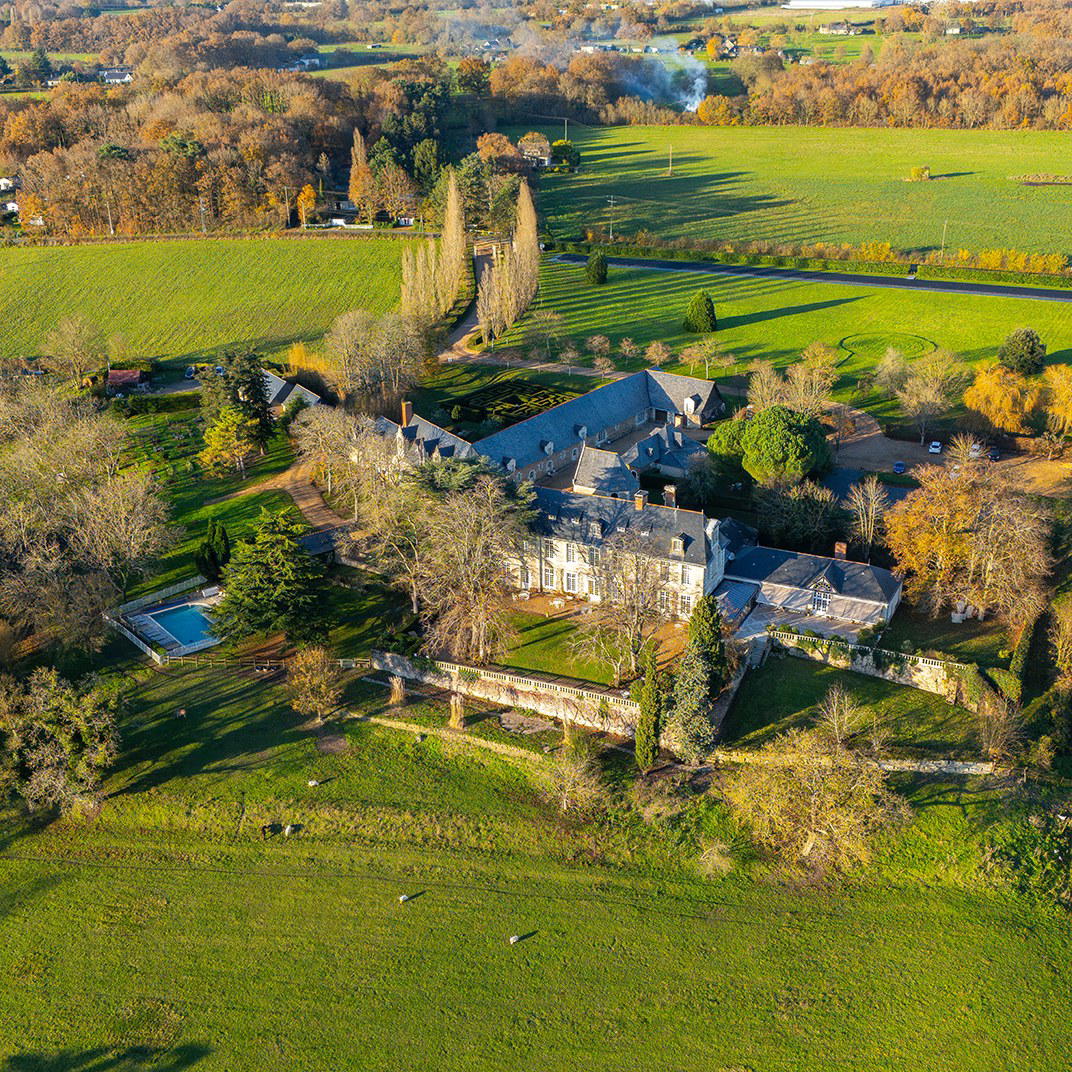
Ferme de la Sansonnière is a quiet natural-wine estate in Thouarce, best understood through its farm setting and biodynamic, low-intervention identity. The picture is intentionally spare: an old-farm atmosphere, a rustic but sophisticated feel, and a hidden-gem character rather than a broad hospitality pitch. It is not a venue that should be over-described with unsupported detail. Its strength, at least is the clarity of its mood: agricultural, restrained, and closely tied to the idea of wine as something shaped by place and by a light touch. For EP Club purposes, the safest reading is not to attach claims about varieties, cuvées, visitor formats, ownership, production, or awards, but to present the venue as a distinctive farm-estate stop in Thouarce.
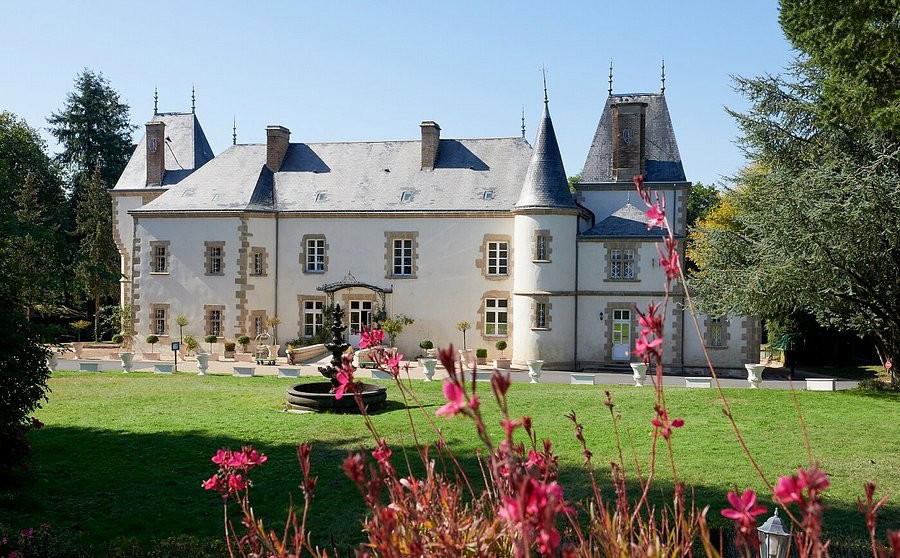
The appeal is the mood of the place: quiet, rooted, and agricultural. It is best framed as a biodynamic, low-intervention wine estate atmosphere in an old farm setting, with a $$ price indicator and a rustic-sophisticated character. That combination gives the venue its usefulness on a travel page: it signals a particular kind of stop, one that feels more like an encounter with a working rural identity than a packaged destination. The language should remain modest, because the confirmed details are modest, but those details are still enough to establish a strong sense of place.
A biodynamic farm-estate identity in Thouarce
Ferme de la Sansonnière’s identity centers on biodynamics, low intervention, and an old-farm setting. Those are the grounded details that matter most. Rather than presenting grape varieties, soil descriptions, named bottles, farming statistics, or cellar methods, the guide should keep the focus on the estate’s confirmed character: natural-wine estate atmosphere, quiet surroundings, and a farm-rooted sensibility. This restraint is important because a natural-wine estate can easily invite speculation, yet the most accurate description here is also the most evocative: a place whose identity is defined by farming, quietness, and a less interventionist way of thinking about wine.
That makes it a better fit for visitors who respond to setting and philosophy than for readers looking for a guaranteed menu, list of services, or detailed appointment information. The page should therefore function as orientation rather than promise. It can tell a reader what kind of atmosphere to expect in broad terms, without implying specific tastings, dining options, tour structures, or any operational detail that is not established. In that sense, Ferme de la Sansonnière belongs on the map as a Thouarce farm-estate reference point: understated, natural-wine-minded, and deliberately removed from a more commercial-feeling venue profile.
Why the farm-estate model matters
The strongest hook is the contrast between a polished venue experience and a quieter farm-estate identity. Ferme de la Sansonnière is presented as rustic, quiet, hidden-gem, and sophisticated, with a biodynamic, low-intervention point of view. Those words do not describe spectacle; they describe tone. Rustic suggests the old-farm frame, quiet suggests the absence of a loud hospitality posture, hidden-gem suggests a place whose appeal is not built on broad visibility, and sophisticated keeps the description from sounding merely rough or simple. Together, they form a useful editorial shorthand for the kind of traveler who would understand why the setting itself matters.
For planning, treat Ferme de la Sansonnière as a Thouarce venue with a $$ indicator and a natural-wine estate atmosphere. That limitation is part of the page’s accuracy. It keeps the focus where the information is strongest: on the estate’s character, price indicator, and rural natural-wine context. Visitors comparing options should read this less as a ranked recommendation and more as a concise signal that this is a quieter, farm-rooted stop with a distinctive low-intervention identity.
A quiet Thouarce stop for natural-wine-minded visitors
Ferme de la Sansonnière is best described simply: a biodynamic, low-intervention estate atmosphere in an old farm setting in Thouarce. Its mood is rustic, quiet, sophisticated, and hidden-gem rather than flashy. The price level is $$. The simplicity of that description is not a weakness; it is the most reliable way to preserve the venue’s character without adding unsupported claims. For natural-wine-minded visitors, the point is the alignment between philosophy and place: a farm setting, a quiet presence, and a sensibility that sits away from more polished or overtly staged experiences.
Readers should use the page as a concise orientation to the venue’s confirmed character, not as a complete operational guide. It is most useful for deciding whether Ferme de la Sansonnière belongs in the mood of a Thouarce itinerary: rural, understated, and shaped by biodynamic and low-intervention associations. Anyone needing exact service details, named bottles, availability, or formal visit information should not infer them from this description. What can be said, confidently and without embellishment, is that the estate’s EP Club profile rests on its old-farm atmosphere, natural-wine identity, $$ indicator, and quiet hidden-gem appeal.
Frequently asked questions
What's the atmosphere like at Ferme de la Sansonnière?
Ferme de la Sansonnière has a quiet natural-wine estate atmosphere in an old farm setting in Thouarce. The feel is biodynamic, low-intervention, rustic, hidden-gem, and sophisticated.
How much does Ferme de la Sansonnière cost?
Pricing at Ferme de la Sansonnière is listed as $$.
Where is Ferme de la Sansonnière in Thouarce?
Ferme de la Sansonnière is in Thouarce.
What's Ferme de la Sansonnière best at?
It is best understood for its biodynamic, low-intervention natural-wine estate identity and quiet old-farm atmosphere in Thouarce.
Do they take walk-ins at Ferme de la Sansonnière?
The confirmed details are the Thouarce location, $$ price indicator, and biodynamic, low-intervention farm-estate atmosphere.
Is Ferme de la Sansonnière better for first-timers or repeat visitors?
It is most clearly suited to visitors who appreciate a quiet, rustic, sophisticated natural-wine estate atmosphere.
Recognition history
Dated appearances from independent guides and award organizations, with the underlying list record or original source where available.
Falstaff Winery - Listed
Falstaff
Enquire about visiting Ferme de la Sansonnière or buying its wine
Visits to Ferme de la Sansonnière are usually kept for the estate's regular buyers and the wine trade. Tell us when you would like to go and a little about how you buy, and we put the request to the estate and reply to you by email. For buying, we source directly from the producer or from a licensed seller we know and vouch for, and tell you the route before you pay.
Continue exploring
More in Thouarce
Wineries in Thouarce
All wineries in Thouarce →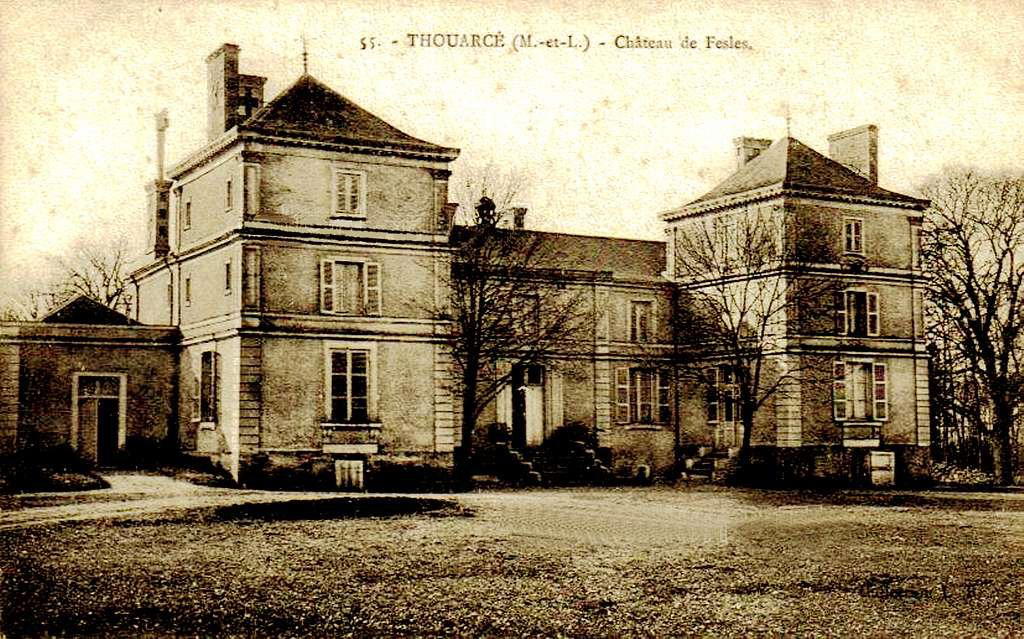

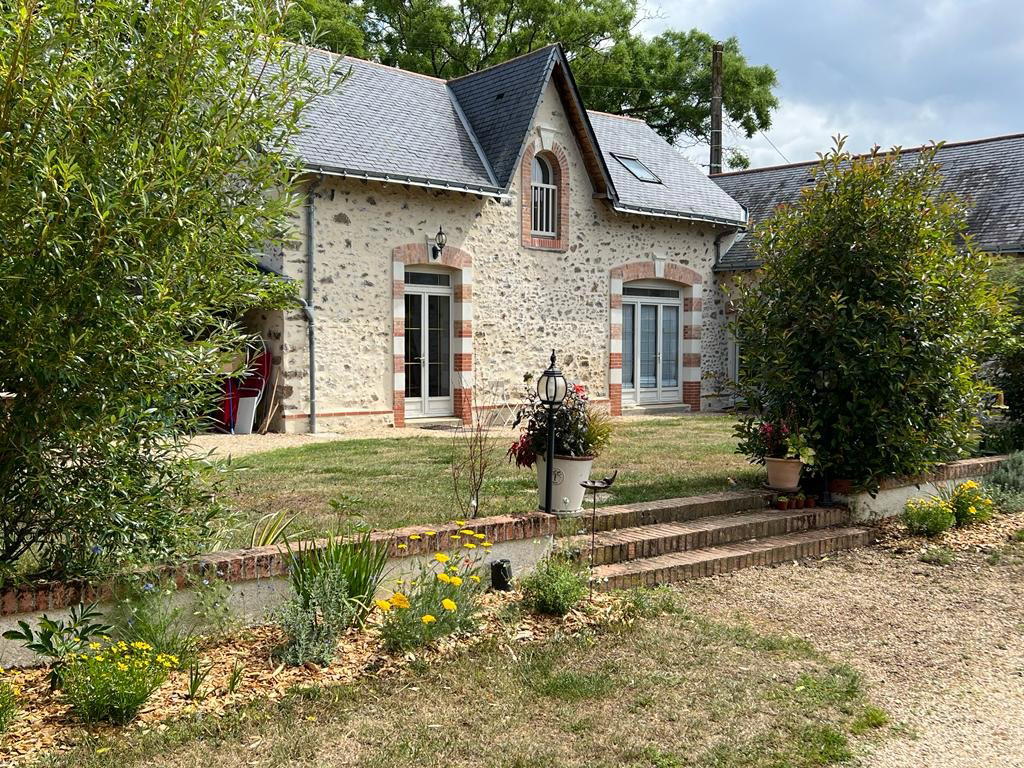
Bars in Thouarce
Browse all →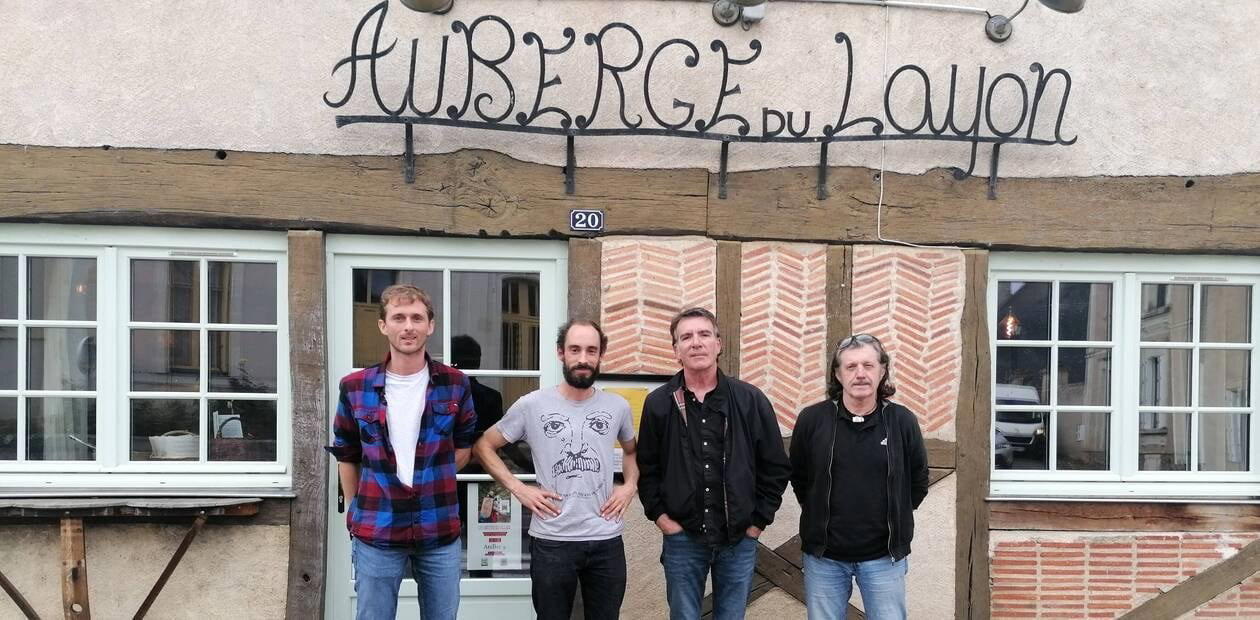
Details
- Rustic
- Quiet
- Sophisticated
- Solo Exploration
- Special Occasion
- Estate Grounds
- Historic Building
- Biodynamic
- Vineyard
- Chenin Blanc
- Cabernet Franc
- Grolleau
- Still White
- Still Red
- Dessert
Natural-wine estate atmosphere with a biodynamic, low-intervention identity rooted in an old farm setting.