Domaine Berthet Capeau

Domaine Berthet Capeau is a small organic Châteauneuf-du-Pape estate in Courthézon, built around Grenache, cellar tastings, and a working-farm rhythm rather than polished hospitality theatre. Its appeal is terroir-led: clay-limestone soils, galets roulés, family continuity, and a focused red-wine identity anchored by Élixir des Papes.
Pearl is the En Primeur Club membership app — saves, bookings, and concierge access live there. Same editors, same standards.
- Address
- Courthézon, Châteauneuf-du-Pape, Vaucluse, Frankreich
 Saves & bookings on Pearl
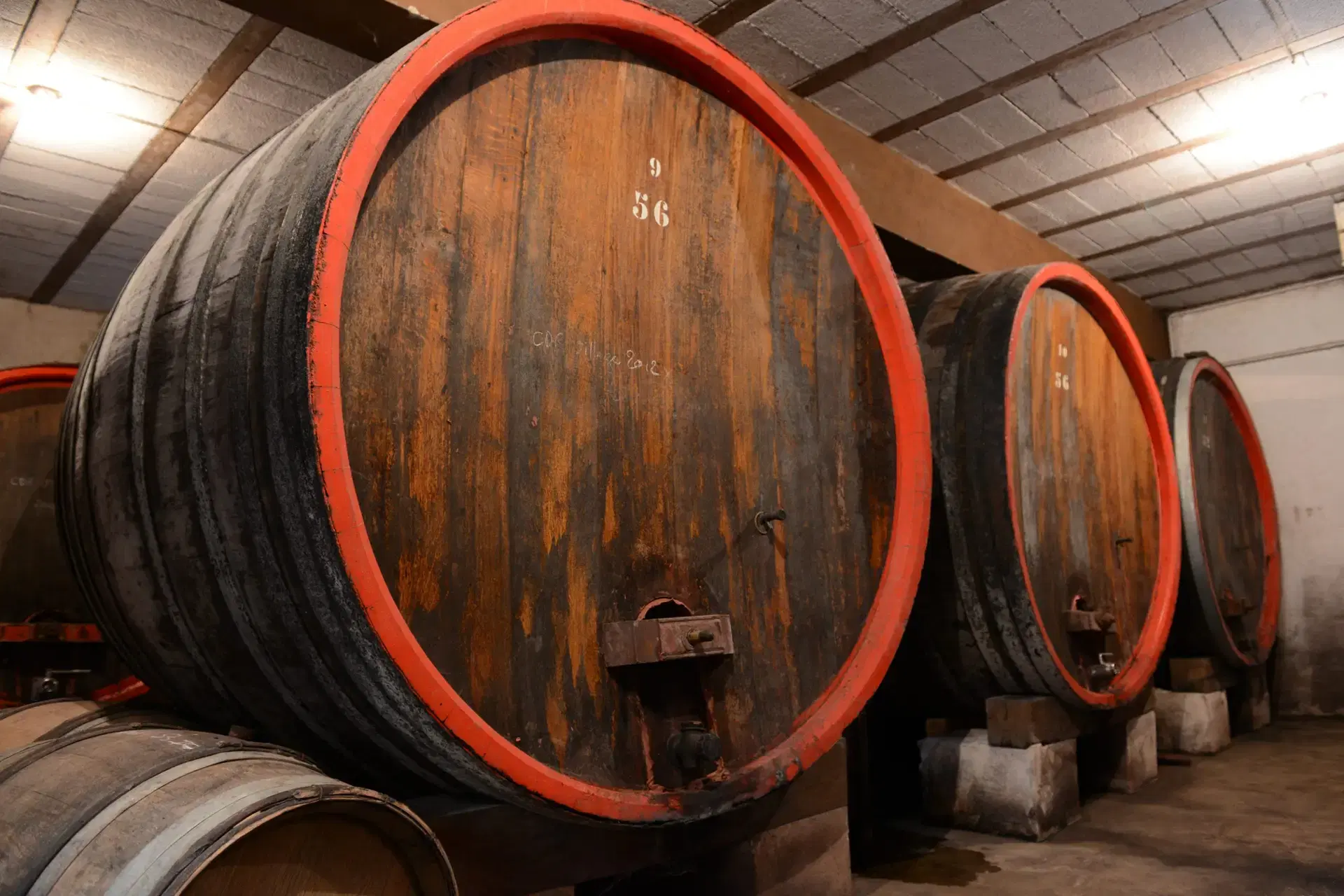
Domaine Berthet Capeau is a small, family-run organic Châteauneuf-du-Pape estate in Courthézon. Its appeal is direct rather than polished: a rustic, quiet, classic working-farm feel where the vineyard and cellar matter more than design or hospitality theatre. The value of the place is not in a sense of performance, but in the impression that the estate remains close to the practical rhythms of winegrowing.
What is clear is the character: small scale, family-run, organic, and focused on the work of the domaine. Those details are enough to define the tone. This is the kind of address that reads less like a destination built around visitors and more like a working estate that may interest travellers who want to understand Châteauneuf-du-Pape through a quieter, less embellished lens.
Courthézon's wine-country setting is the frame
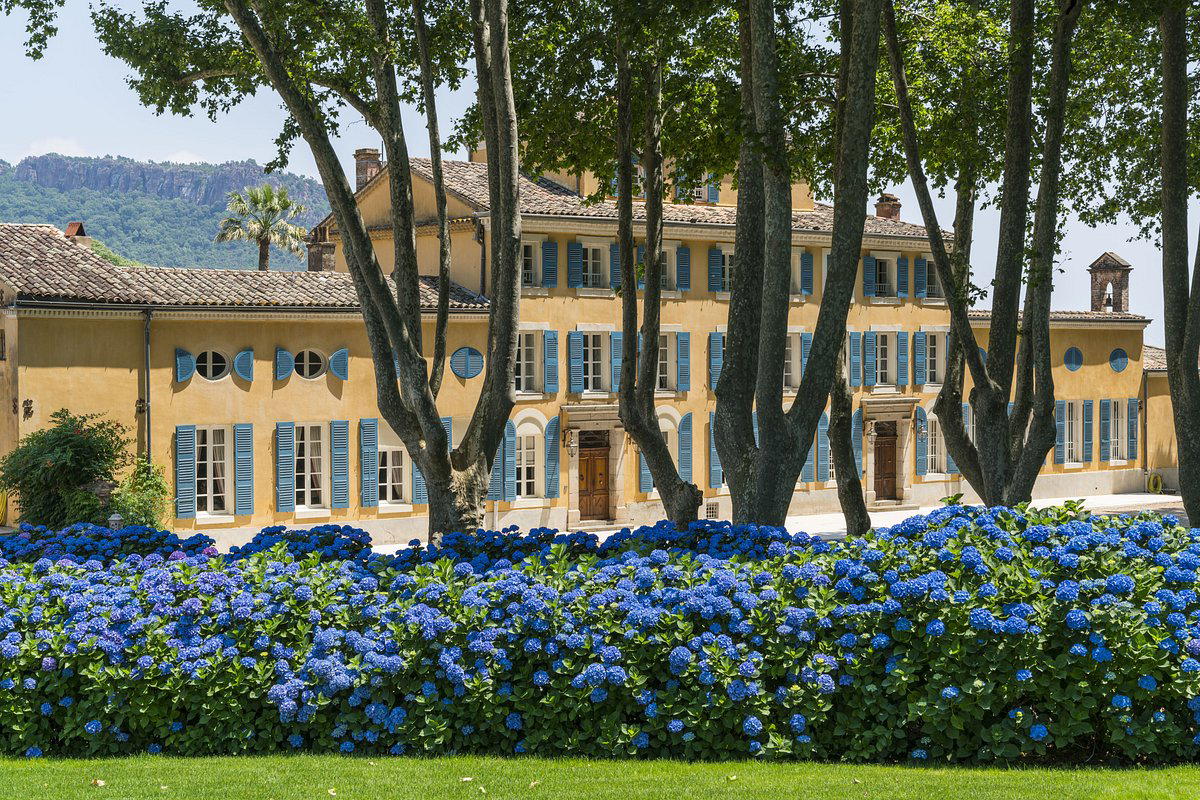
For travellers planning time in Courthézon, Domaine Berthet Capeau fits best as a quiet Châteauneuf-du-Pape estate with a practical, vineyard-and-cellar emphasis. Its setting matters because the experience is best understood through the surrounding wine country rather than through the language of luxury hospitality. The point is not to arrive expecting spectacle, but to situate the domaine within a route shaped by vineyards, cellars, and the everyday work behind the appellation.
What can be said is simpler: this is not presented as a luxury design destination. It is better understood as a rustic, classic, family-run organic estate whose personality is tied to the working side of winegrowing. That distinction is important when setting expectations. The available information does not suggest a heavily curated or theatrical visitor environment; instead, it points toward a modest and traditional estate identity, where authenticity comes from scale, family ownership, and the organic focus rather than from visual polish.
That restraint is useful. In a region where visitors may encounter many styles of wine hospitality, Domaine Berthet Capeau occupy the quieter end of the spectrum: modest, practical, and focused on the domaine rather than spectacle. For some travellers, that will be exactly the attraction. A stop here works well for those who appreciate the understated side of wine travel, where the interest lies in the estate’s character and its connection to the land, not in a highly produced sense of occasion.
A quiet estate for visitors who prefer substance over staging
The strongest cue is atmosphere. The winery is described as small, rustic, quiet, and classic, with a working-farm feel. That makes it a natural fit for visitors who value an unshowy sense of place over polished presentation. The language around the estate suggests something grounded and direct: a domaine where the emphasis remains on the vineyard and cellar, and where the visitor should not expect the trappings of a design-led venue.
This does not make the estate less appealing; it simply defines the right audience. Travellers who enjoy refined staging, elaborate hospitality, or a strong lifestyle component may find the tone too modest. Those who prefer wine places that feel close to the practical realities of production are more likely to understand the appeal. The small, family-run scale gives the estate a personal quality, while the organic identity adds another layer to the sense that the domaine is shaped by its farming choices and its relationship to the vineyard.
Travellers should check current arrangements directly before planning a visit. That is especially important for a small, family-run estate, where the experience may depend on what is possible at the time rather than on a fixed, formal visitor model. Confirming details in advance helps keep expectations aligned with the domaine’s quiet and practical character.
For broader planning in Courthézon, treat the winery as one possible wine-focused stop and consider other dining, hotel, bar, and experience options in Courthézon generically, based on current availability and listings. It is best placed as part of a broader wine-country day rather than as a stand-alone luxury outing. Its role on an itinerary is to add a grounded, organic, family-scale Châteauneuf-du-Pape perspective within the Courthézon area.
Why this estate belongs on a vineyard-led route
The winery belongs on an itinerary for its grounded identity: a small, family-run organic Châteauneuf-du-Pape estate in Courthézon with a rustic, cellar-and-vineyard focus. Its listed price level is $$. The price signal supports the broader picture of a domaine that is accessible in tone rather than positioned as an extravagant experience, while the estate’s defining traits remain its scale, organic approach, and classic working-farm atmosphere.
That makes the estate most relevant for travellers who prefer a quiet, practical wine-country setting and do not need a highly staged visitor experience. The available information is concise, but it points clearly toward an organic, family-scale domaine with a classic working-farm character. For EP Club travellers, the reason to note the winery is not because it promises polish or ceremony, but because it represents a more restrained kind of Châteauneuf-du-Pape stop: one where the interest is in the domaine itself, the vineyard-led context, and the direct appeal of a small estate in Courthézon.
Recognition history
Dated appearances from independent guides and award organizations, with the underlying list record or original source where available.
Falstaff Winery - Listed
Falstaff
Continue exploring
More in Courthézon
At a Glance
- Rustic
- Quiet
- Classic
- Wine Education
- Solo Exploration
- Group Outing
- Estate Grounds
- Organic
- Vineyard
- Châteauneuf Du Pape AOC
- Grenache
- Still Red
- Cellar Tasting
- Takeaway Sales
Small, family-run organic Châteauneuf-du-Pape estate with a direct working-farm feel focused on the vineyard and cellar rather than polished design.