Château Guibeau

Falstaff Winery - Listed
Château Guibeau gives Puisseguin’s clay-limestone Right Bank terroir a clear, Merlot-led reading: organic farming, sloped vineyard parcels, and a family estate history dating to 1932. The appeal is not spectacle but proportion, with red wines shaped by limestone structure, clay depth, and a countryside château setting overlooking vines and valley.

Pearl is the En Primeur Club membership app — saves, bookings, and concierge access live there. Same editors, same standards.
- Address
- Puisseguin, Nouvelle-Aquitaine, Frankreich
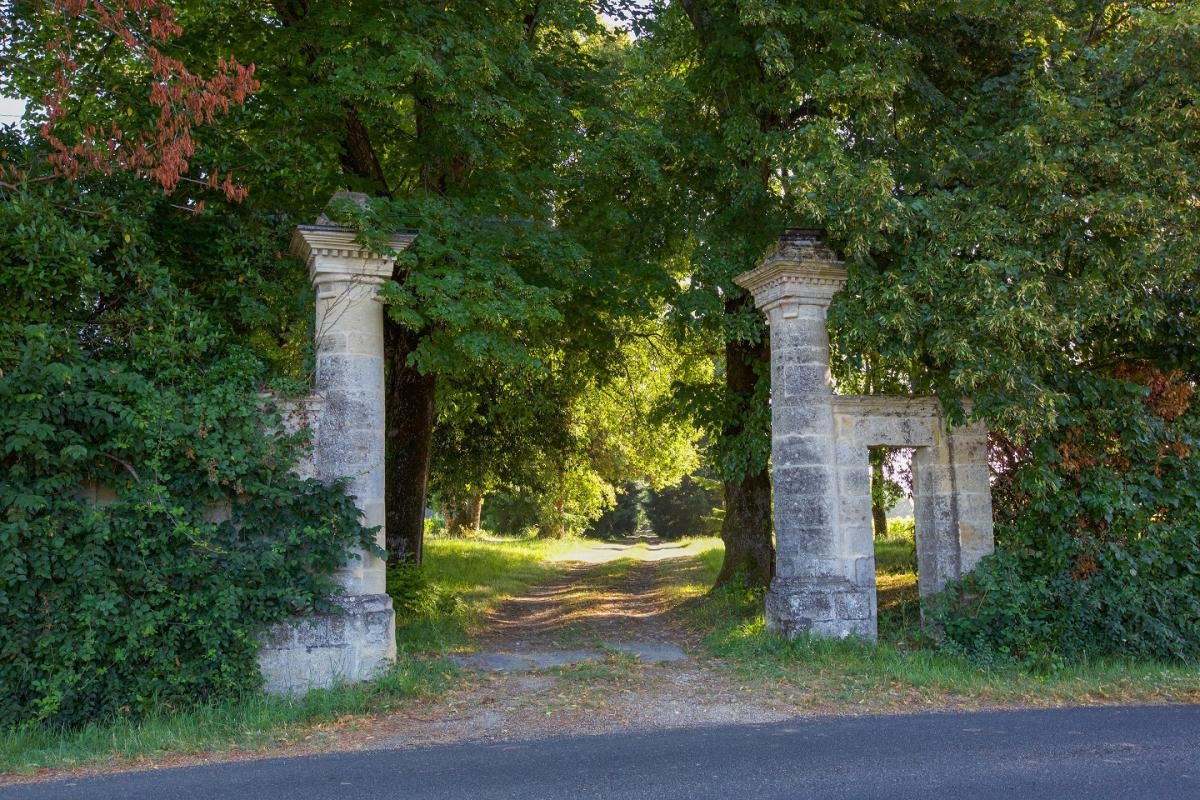
Approaching Château Guibeau, the picture is of a countryside Bordeaux estate rather than an urban tasting-room setting: vineyards, a valley view, and the calm of a clay-limestone plateau in Puisseguin. The first impression is therefore not about polish for its own sake, but about setting: a château rooted in the landscape around it, with the rhythm of the visit shaped by open views, rural quiet, and the sense of being in a working winegrowing place. The estate is described as family-run and organic, with an elegant yet relaxed château atmosphere that suits a scenic, classic, romantic, and intimate visit.
Specific claims about grape varieties, vineyard size, ownership history, cellar methods, scores, or named cuvées are not confirmed here. That matters because Bordeaux estates are often described through those kinds of details, and it is easy to overstate what is known. In this case, the reliable frame is narrower but still useful: Château Guibeau can be understood through its Puisseguin location, its organic positioning, its family-run character, and the countryside château experience it offers.
Clay-limestone setting with a Right Bank accent
Château Guibeau is presented as a Right Bank Bordeaux estate on clay-limestone ground in Puisseguin. That description already gives the venue a clear sense of place without needing to add unverified technical claims. The Right Bank identity places the château within the broader Bordeaux conversation, while the clay-limestone plateau helps explain why the land itself is part of the estate's appeal to visitors.
For visitors, the more grounded appeal is the combination of place and style: an organic estate, a clay-limestone plateau, and a relaxed château setting overlooking vineyards and a valley. It is best approached as a countryside wine stop where the landscape and estate identity are central to the experience. The visit, as framed by the available information, is not about a dense list of comparative scores or cellar specifications; it is about arriving in a rural Bordeaux setting and letting the château, the vineyard views, and the plateau context define the mood.
That makes Château Guibeau especially well suited to visitors who want a classic Bordeaux estate impression without making the experience feel overly formal. The elegance comes from the château environment and the vineyard scenery; the relaxed quality comes from the countryside scale and the family-run, organic profile. Together, those elements create a softer, more intimate reading of Bordeaux than a city-based tasting room or a highly commercialized stop might suggest.
Readers looking for those specifics should confirm them directly with the estate before planning a visit or purchase. This is particularly important for anyone whose decision depends on exact wine styles, current availability, tasting formats, or production details. The confirmed information supports a strong sense of atmosphere and positioning, but not a complete technical dossier.
Organic farming is the estate's real point of difference
Organic farming is one of the clearest points for Château Guibeau. In a Bordeaux context, that gives the estate a distinct identity for visitors who care about farming practice as part of the wine experience. The appeal is not only that the estate is organic, but that this fact becomes part of how the place is understood: the vineyard setting, the family-run character, and the rural plateau setting all reinforce a picture of a château where agriculture is central rather than incidental.
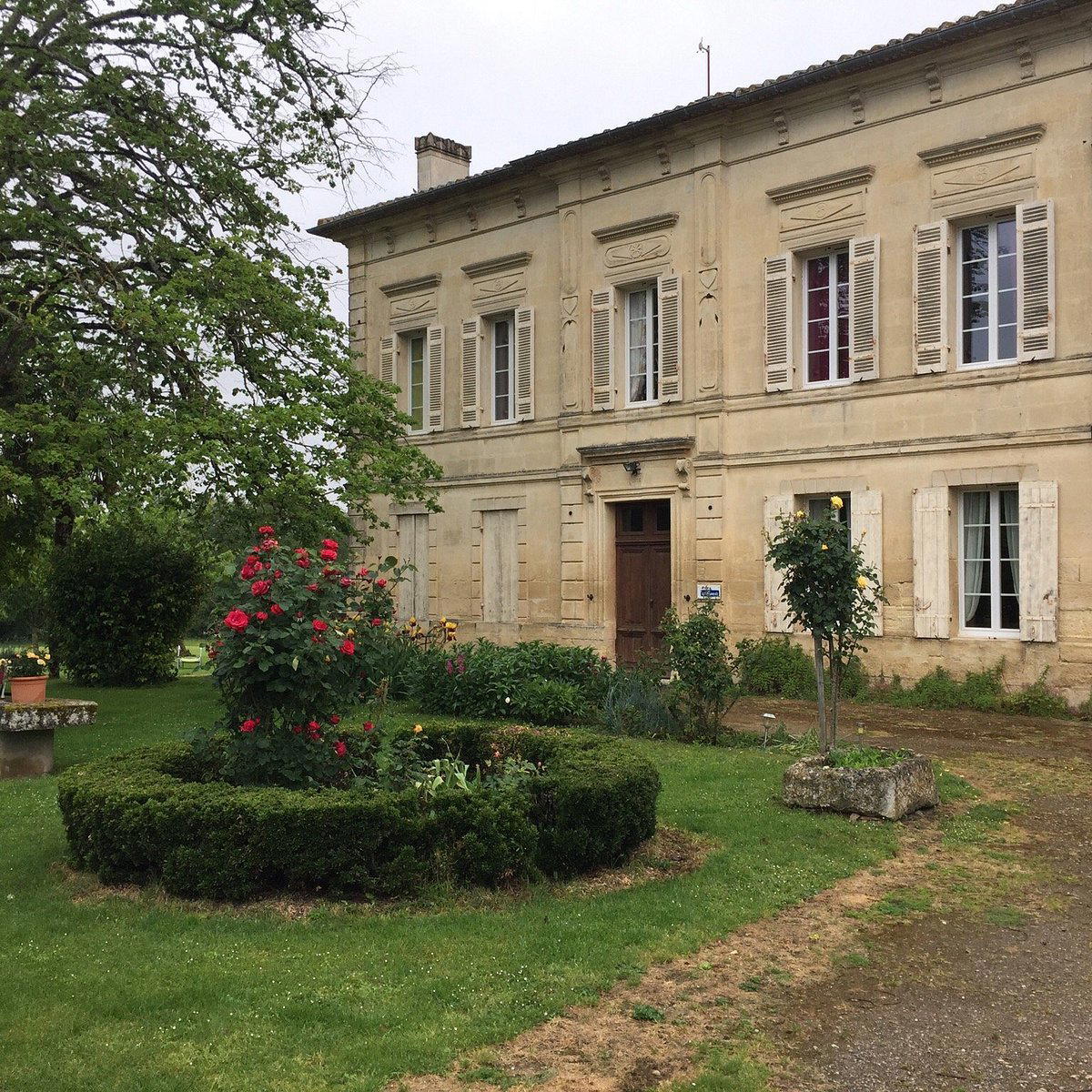
The setting also matters. Château Guibeau is described as an elegant yet relaxed countryside château overlooking vineyards and a valley, which makes the visit feel scenic and intimate rather than formal or urban. That balance is important. It allows the estate to feel recognizably Bordeaux, with the classic image of a château among vines, while still keeping the tone approachable. For couples, small groups, or travelers looking for a quieter stop, the romantic and intimate qualities come from the combination of views, calm, and estate scale rather than from staged spectacle.
The stronger, grounded way to frame Château Guibeau is as a family-run organic Bordeaux estate in Puisseguin offering classic Right Bank red wines in a countryside setting. That framing is modest but valuable: it avoids leaning on unverified accolades and instead emphasizes the aspects of the venue that are actually supported. Visitors drawn to organic farming, château atmosphere, and the visual pleasure of vineyards and valley views will find the clearest reasons to pay attention here.
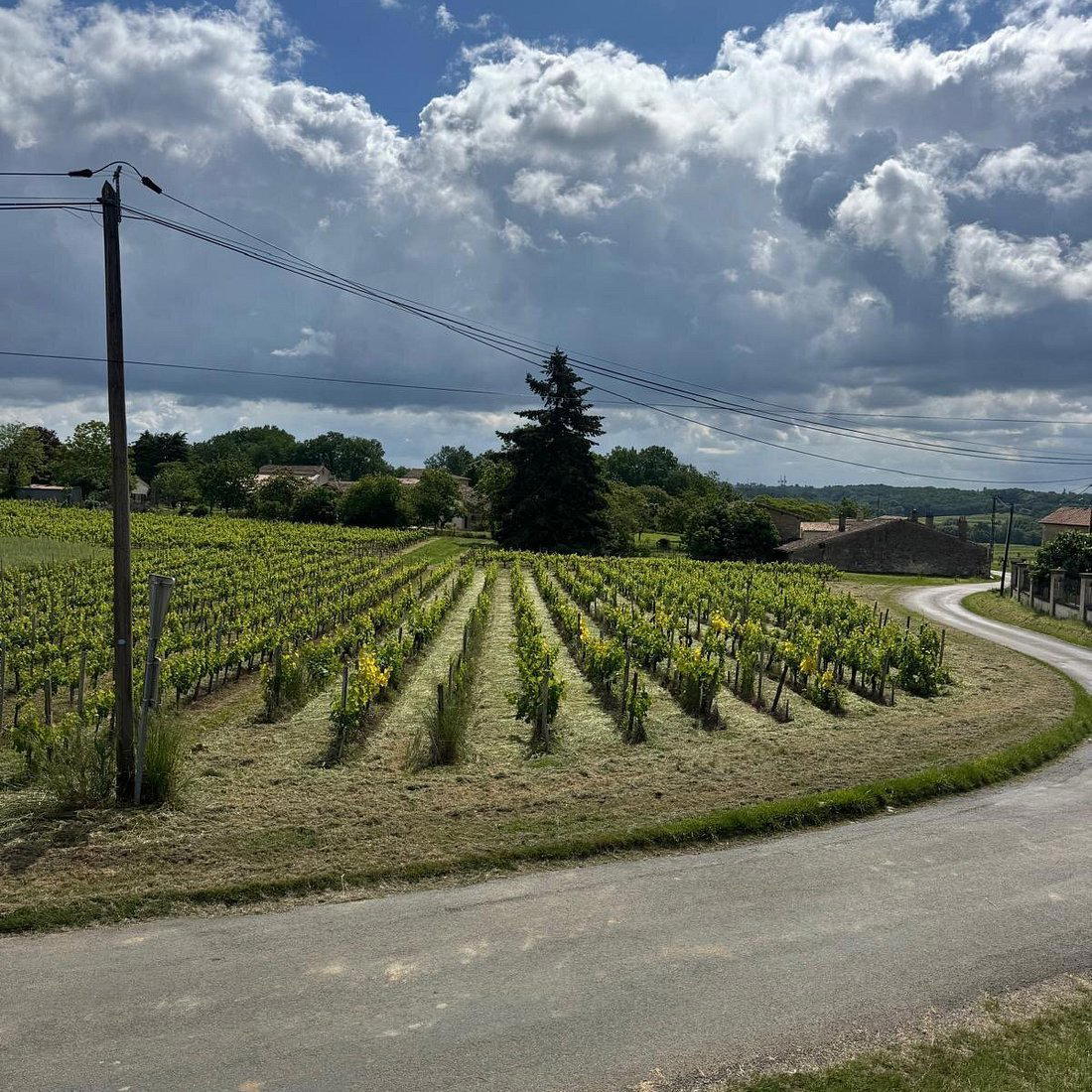
It is also useful to think of the organic identity as part of the overall visit rather than a standalone label. For many wine travelers, farming practice adds meaning to what they see around them: the rows of vines, the surrounding land, and the château's relationship to its plateau. At Château Guibeau, the available description lets that agricultural identity carry the story, without needing to embellish it with unsupported production claims.
How to place it in a Puisseguin itinerary
This is a countryside château experience rather than a city tasting-room model. Planning should treat Puisseguin as the confirmed location, then build any dining, lodging, bar, or cultural time around the wider area as needed. In practical terms, the stop makes most sense for travelers who are already interested in the Right Bank countryside and who want the visit itself to be shaped by landscape, quiet, and estate character.
For nearby planning, keep the focus on Château Guibeau and other unnamed Puisseguin options. The comparison set does not support naming additional venues. A sensible itinerary should therefore leave room for the rural setting to do its work: time to arrive without rushing, take in the vineyard and valley atmosphere, and treat the estate as a scenic, organic, family-run Bordeaux stop rather than just another appointment on a checklist.
Recognition history
Dated appearances from independent guides and award organizations, with the underlying list record or original source where available.
Falstaff Winery - Listed
Falstaff
Continue exploring
More in Puisseguin

Details
- Scenic
- Classic
- Elegant
- Romantic
- Intimate
- Romantic Getaway
- Group Outing
- Wine Education
- Special Occasion
- Solo Exploration
- Vineyard Tour
- Estate Grounds
- Private Tasting
- Barrel Room
- Picnic Area
- Organic
- Vineyard
- Garden
- Mountain
- Merlot
- Cabernet Franc
- Cabernet Sauvignon
- Malbec
- Cabernet Franc (old Vines)
- Still Red
- Sparkling
- Standard Tasting
- Gourmet Tasting With Food
- Private Tour And Tasting
- French
- English
Family-run organic Bordeaux estate on a clay-limestone plateau, offering classic Right Bank red wines in an elegant yet relaxed countryside chateau setting overlooking vineyards and a valley.