Château Fabre Gasparets is a historic Famille Fabre estate in Boutenac, shaped by Corbières-Boutenac AOC soils, old vines, garrigue, pine forest and a Romanesque chapel. Its interest lies less in cellar-door theatre than in terroir expression: Carignan, Mourvèdre, Grenache, Syrah and Viognier grown on stony Miocene hills where wind, drainage and vine age matter.

Pearl is the En Primeur Club membership app — saves, bookings, and concierge access live there. Same editors, same standards.
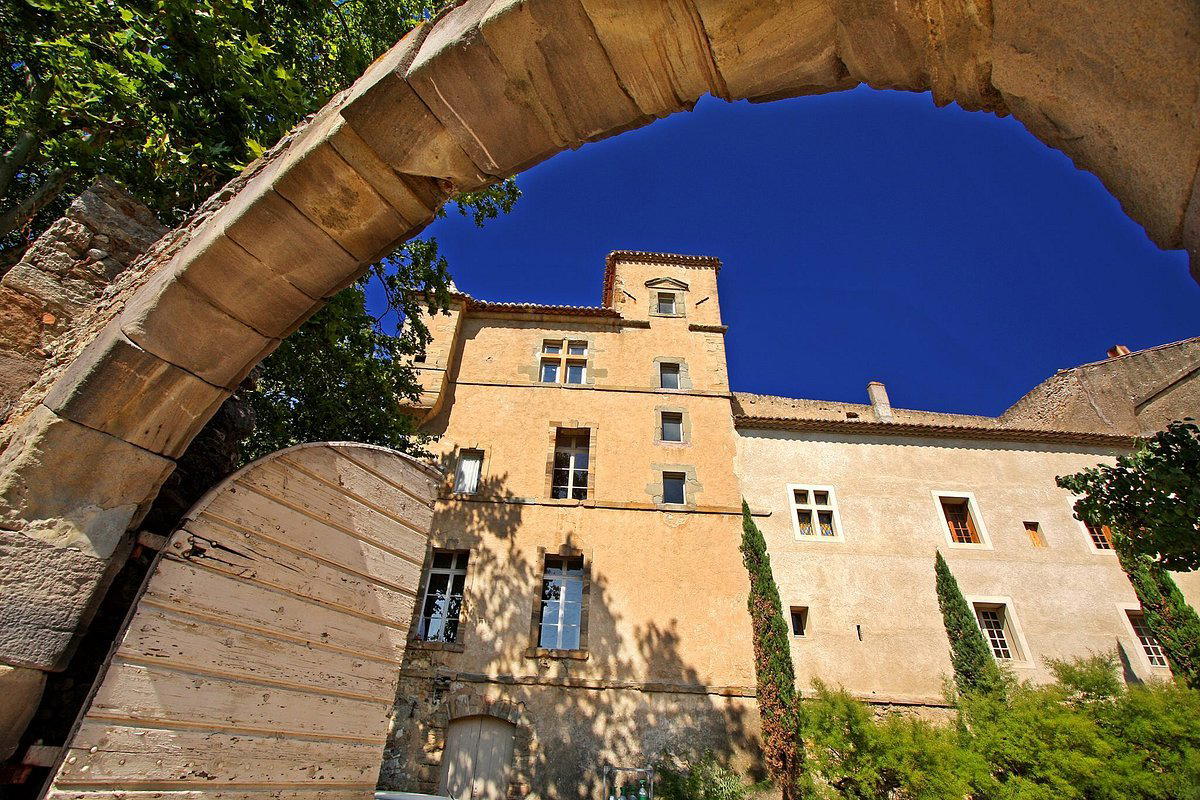
Approaching the wine culture of Boutenac means leaving behind the polished tasting-room grammar of more commercial regions. The defining image here is quieter and more rustic: small Miocene hills, pine forests and garrigue, with vineyards surrounding a Romanesque chapel. Château Fabre Gasparets belongs to that register. It is a historic Languedoc cru estate where the setting is part of the appeal, not merely a backdrop to it.
The picture of Château Fabre Gasparets is specific in atmosphere rather than in operational detail. It is set in Boutenac, with a scenic estate landscape and a focus on terroir-driven red wines. Beyond that, confirmed public details are limited, so the estate is best described carefully rather than padded with unsupported claims about formats, varieties, awards or services. In this case, restraint is useful: the available information points clearly to place, landscape and red-wine identity, while leaving practical particulars to be directly.
Miocene hills, chapel-side vineyards and the Boutenac red-wine argument
The reliable description begins with place: small Miocene hills, pine forests, garrigue and vineyard land around a Romanesque chapel. That landscape gives Château Fabre Gasparets a quiet, rural identity and helps frame the estate’s red-wine focus. It also places the property firmly within the visual language of inland Languedoc, where scrubland, trees and worked vineyard slopes sit close together rather than being separated into a more manicured visitor tableau.
For visitors considering Boutenac, the appeal is not a busy cellar atmosphere but a scenic Languedoc cru estate shaped by its surroundings. The information supports a terroir-led reading of the property without confirming more granular claims about grape varieties, vineyard age, winemaking methods or named bottlings. That distinction matters: the estate can be understood as part of a place-based red-wine culture without needing to overstate the specifics that have not been clearly established.
That makes the winery a useful choice for travelers who want a grounded sense of Boutenac wine country: rustic setting, historic estate character and red wines presented through the lens of local terrain. The chapel-side vineyard image gives the visit its center of gravity, and the surrounding hills, pine forests and garrigue reinforce the feeling that the wines are being encountered in their natural context.
The confirmed details that frame the estate
What can be said is that winery is presented as a terroir-driven red-wine estate in Boutenac. That is a compact description, but it is not an empty one: it identifies the commune, the broad wine focus and the interpretive frame through which the estate should be approached.
The stronger editorial approach is to read the estate through its confirmed setting. Miocene hills, pine forests and garrigue create a distinct Languedoc context, and the chapel-surrounded vineyards give the property a historic, scenic identity. Rather than forcing the estate into a generic tasting-room template, it is more accurate to let those elements do the work: the landscape, the rural atmosphere and the red-wine orientation are the dependable anchors.
Pricing is listed at $25 per person. Beyond that price point and the atmosphere, details such as tour format, booking rules, production methods, awards and service amenities should be checked directly before planning a visit. This is especially important because the confirmed information emphasizes character more than logistics; visitors should treat the listed price as a useful starting point, not as a full description of what is included or how the experience is structured.
A quiet estate format, not a spectacle cellar door
The winery is best framed as a quiet, rustic and scenic Boutenac estate rather than a high-volume hospitality destination. The confirmed appeal is the setting: a historic Languedoc cru estate on small Miocene hills amid pine forests and garrigue, with vineyards surrounding a Romanesque chapel. That combination suggests a visit defined by landscape and atmosphere, not by theatrical presentation or an elaborate visitor infrastructure that has not been confirmed.
The winery makes sense as part of a wider Boutenac itinerary, especially for visitors interested in local red wines and the landscape that surrounds them. Other dining and travel options in Boutenac can round out the day, but the estate itself should be chosen for its setting and terroir-focused identity. It is the kind of stop that fits best when the surrounding countryside is part of the reason for going, and when the visitor is interested in seeing how the red-wine character of the area is framed by its hills, scrubland and historic rural markers.
The editorial case is clear: choose this estate for a quiet Boutenac wine-country stop with rustic scenery and a red-wine focus. The available information is concise, so visitors should confirm practical details directly before going. With that caution in place, the winery can be understood on its strongest terms: a scenic, historic-feeling Languedoc cru estate whose appeal rests on Boutenac setting, rural texture and a terroir-led red-wine identity.
Continue exploring
More in Boutenac
Wineries in Boutenac
Browse all →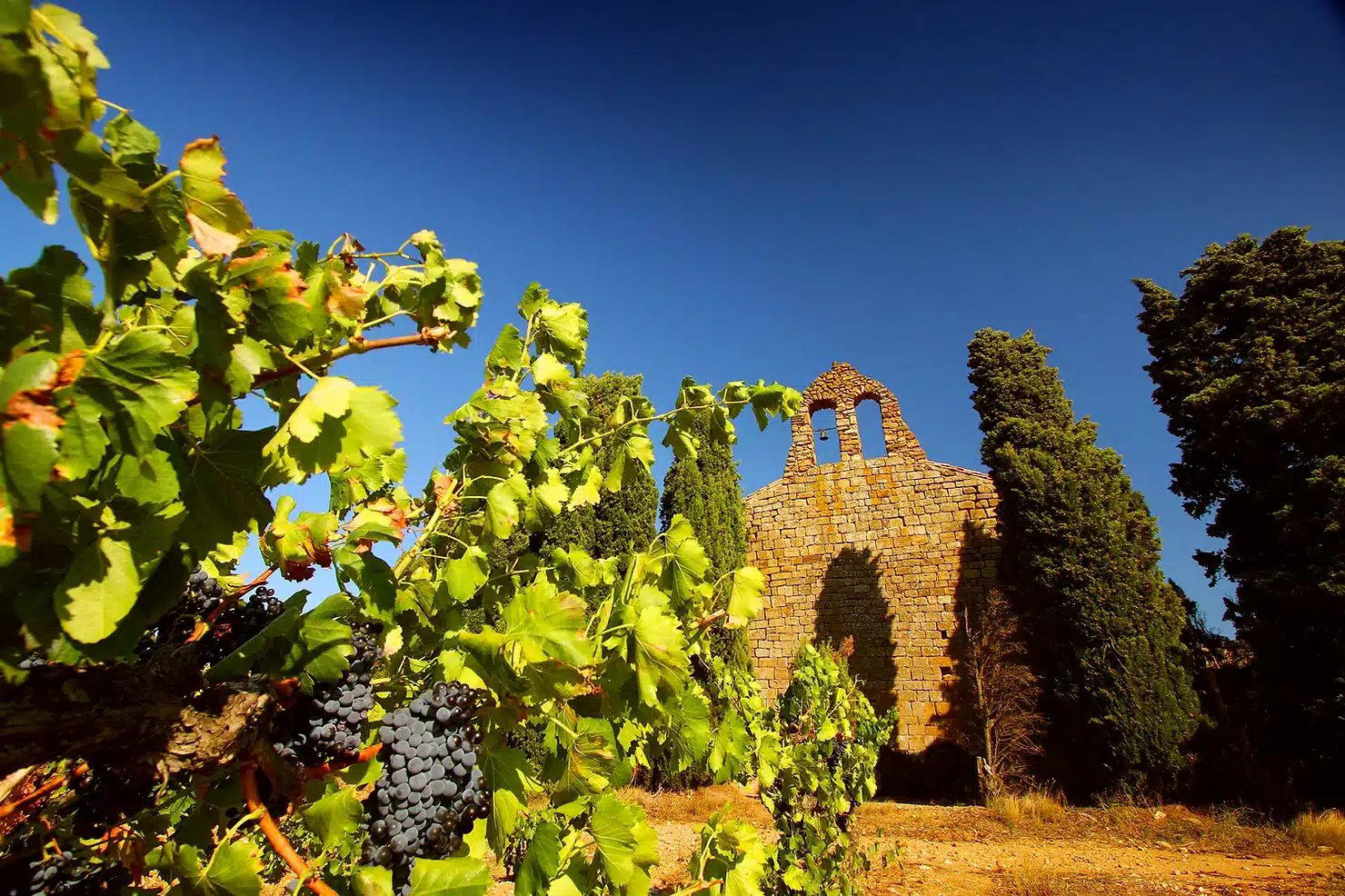
At a Glance
- Scenic
- Rustic
- Classic
- Historic
- Romantic
- Romantic Getaway
- Group Outing
- Solo Exploration
- Wine Education
- Special Occasion
- Vineyard Tour
- Estate Grounds
- Historic Building
- Panoramic View
- Organic
- Sustainable
- Vineyard
- Mountain
- Garden
- Corbières Boutenac AOC
- Carignan
- Mourvèdre
- Syrah
- Grenache
- Viognier
- Still Red
- Still White
- Still Rosé
- Estate Tasting
- Vineyard Visit
- Guided Tour
Historic Languedoc cru estate set on small Miocene hills amid pine forests and garrigue, with vineyards surrounding a Romanesque chapel, giving a quiet, rustic and scenic atmosphere focused on terroir-driven red wines rather than a busy cellar-door experience.