
Château Fabre Gasparets – Famille Fabre is a Corbières-Boutenac estate shaped by pebbly limestone, Miocene soils, garrigue and the dry Cers wind. The draw is terroir rather than spectacle: organic farming, old-vine material, guided tasting format and the estate’s wagonnets grape-handling system give the visit a clear sense of how this cru translates land into wine.
Pearl is the En Primeur Club membership app — saves, bookings, and concierge access live there. Same editors, same standards.
- Address
- Boutenac, Occitanie, Frankreich
 Saves & bookings on Pearl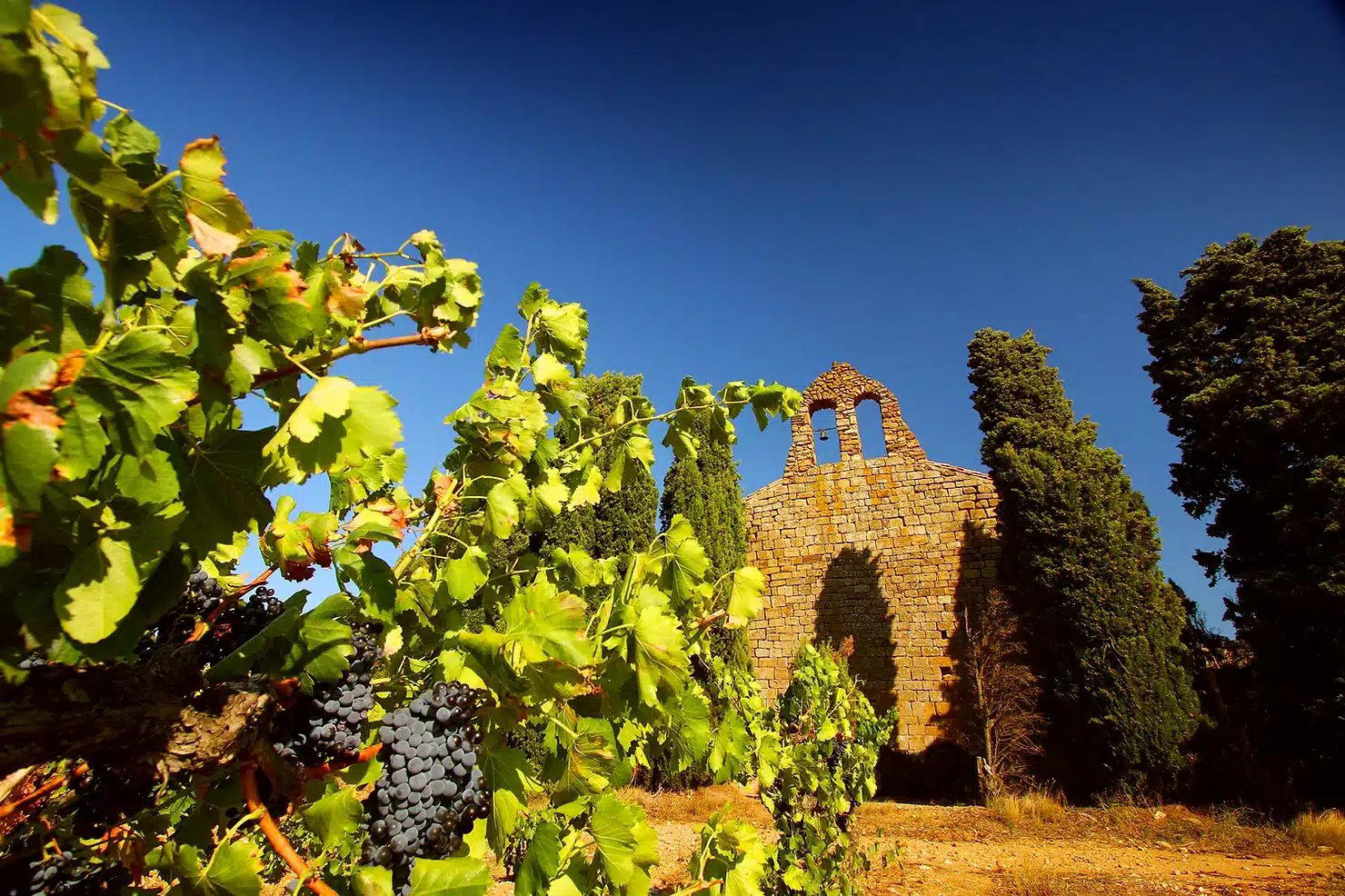
Approaching the vineyards around Boutenac, the mood is not polished château theatre but Corbières in its raw register: low hills, pine, garrigue, pale stones and a wind that makes the landscape feel worked rather than staged. Château Fabre Gasparets – Famille Fabre belongs to that register. The estate sits inside AOC Corbières Boutenac, a cru defined less by postcard softness than by dry air, rocky soils and red varieties built for sun, structure and grip.
For readers mapping a wider trip, start with Château Fabre Gasparets, then widen the lens through our full Boutenac wineries guide. Dining, lodging and after-dark planning sit separately in our full Boutenac restaurants guide, our full Boutenac hotels guide, our full Boutenac bars guide and our full Boutenac experiences guide.
Corbières-Boutenac through old vines, wind and stone
Southern French wine can be flattened into a simple story of warmth and ripeness. Boutenac is more specific. Its interest lies in how Mediterranean heat is checked by poor soils, exposure and the Cers, the dry northwesterly wind that shapes the vineyards around the Corbières massif. Here, Carignan, Mourvèdre, Syrah and Grenache are not international style markers; they are practical answers to a demanding place.
The estate’s setting is hillside rather than manicured resort, with vineyards among pebbly limestone, Miocene formations, pine groves and garrigue. That matters because the tasting is most useful when read as a geography lesson. Corbières-Boutenac was classified as a cru in 2005, and the appellation’s identity depends on concentration without excess weight. Château Fabre Gasparets works within that frame, especially through still reds, with still white wine also part of the estate’s focus.
The heritage signal is unusually long for the region: Famille Fabre traces its viticultural history to 1605, and the estate’s old-vine narrative includes vineyard material planted in 1934 near Romanesque chapel scenery. Those dates are not decorative trivia. In an appellation where many visitors arrive with broader Languedoc assumptions, they help explain why this address reads as a continuity estate rather than a recent hospitality project.
Organic farming and the wagonnets tell the technical story
Clearest production marker is organic farming, a direction associated here with conversion in 1991. In a dry, wind-shaped zone, organic viticulture is not merely a label for the back label; it changes the way visitors should listen during a guided tasting. The key questions are soil health, vine stress, phenolic maturity and how the estate manages concentration without turning the wine into simple mass.
Estate’s most distinctive cellar-side detail is the wagonnets system, small carts used to move whole grapes from vineyard to winery. The practical purpose is gentle handling before fermentation, and the detail is useful because it connects vineyard work to texture and aroma rather than leaving “terroir” as an abstraction. Aging in French oak for 12 months also places the wines in a structured, cellar-minded idiom, particularly for reds built from Carignan, Mourvèdre, Syrah and Grenache.
Louis Fabre is the named winemaker, but the stronger editorial point is generational rather than biographical. This is a family estate where long tenure, organic practice and cru identity line up. In the current Languedoc conversation, that combination puts the emphasis on origin and farming discipline, not brand gloss.
A quiet guided tasting for drinkers who want the appellation explained
The visit format is guided, with a typical duration of 1 hour. That length suits the estate: enough time to connect the vineyards, production choices and portfolio without turning the experience into a full-day program. The atmosphere is quiet, rustic, classic and intimate, closer to a working wine estate than a lifestyle venue. Groups are accommodated, but the tone is better suited to wine education, solo exploration or a focused special-occasion stop than to a casual drop-in crawl.
The portfolio gives the tasting its range. Red wines carry the main argument for Boutenac, while white wine broadens the picture without shifting the estate away from its core. La Serre, a parcel cuvée produced at 3,000 bottles per year, is the bottling to understand as a signal of selection and scale. The flagship Château Fabre Gasparets cuvée has been associated with a blend of Carignan, Grenache, Syrah and Mourvèdre, a useful snapshot of how the local varieties are assembled for structure, spice and fruit depth.
Planning should be treated as reservation-led rather than spontaneous. The estate operates as a by-reservation visit, with casual dress and a quiet setting; children and dogs are not the natural audience here. Food pairing, outdoor seating and shipping are not part of the core proposition, so the sharper plan is to treat the stop as a concentrated winery visit and build meals elsewhere in Boutenac or the surrounding region.
For readers building a wider wine itinerary beyond Boutenac, the internal map can stretch across France and farther afield: Abbaye de Fontfroide in Narbonne, Abbotts & Delaunay in Marseillette, Advini in Saint Felix De Lodez, Alain Brumont in Castelnau Riviere Basse, Alain Gras in Saint-Romain, A. Margaine in Villers-Marmery, Agrapart & Fils in Avize, »der Steiner« Hans Steiner in Podersdorf am See and & Handwein in Mannheim. Read them as separate regional studies, not direct substitutes: Boutenac’s value is in its dry southern grammar of wind, stone and dark-fruited varieties.
Recognition history
Dated appearances from independent guides and award organizations, with the underlying list record or original source where available.
Falstaff Winery - Listed
Falstaff
Continue exploring
More in Boutenac
Wineries in Boutenac
Browse all →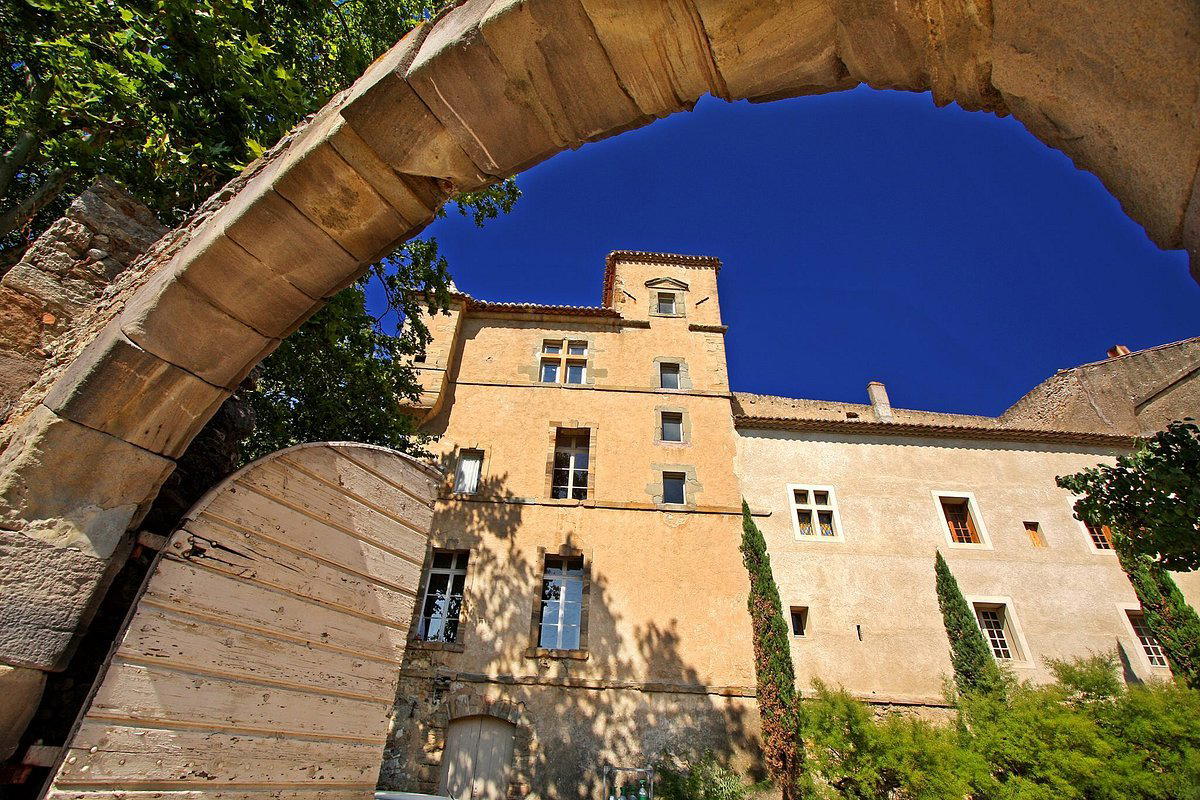
At a Glance
- Rustic
- Quiet
- Scenic
- Classic
- Intimate
- Solo Exploration
- Wine Education
- Special Occasion
- Estate Grounds
- Vineyard Tour
- Historic Building
- Vineyard
- Mountain
- AOC Corbières Boutenac
- Carignan
- Mourvèdre
- Syrah
- Grenache
- Still Red
- Still White
- Guided Tasting
Historic, rustic vineyard estate with a strong sense of place in the Corbières-Boutenac hills, shaped by old stones, Romanesque chapel scenery, and wind-swept terroir.