Chantovent

Chantovent is a Languedoc-focused wine producer and distributor based in Bonnières-sur-Seine, with roots dating to 1953 and a commercial format rather than a tasting-estate model. Its interest lies in scale and appellation work: AOC Minervois, IGP Pays d’Oc, Mediterranean varieties, and the Jean d’Alibert Group network behind a broad regional portfolio.
Pearl is the En Primeur Club membership app — saves, bookings, and concierge access live there. Same editors, same standards.
- Address
- Bonnières-sur-Seine, Île-de-France, Frankreich
- Directions
- Get directions
 Saves & bookings on Pearl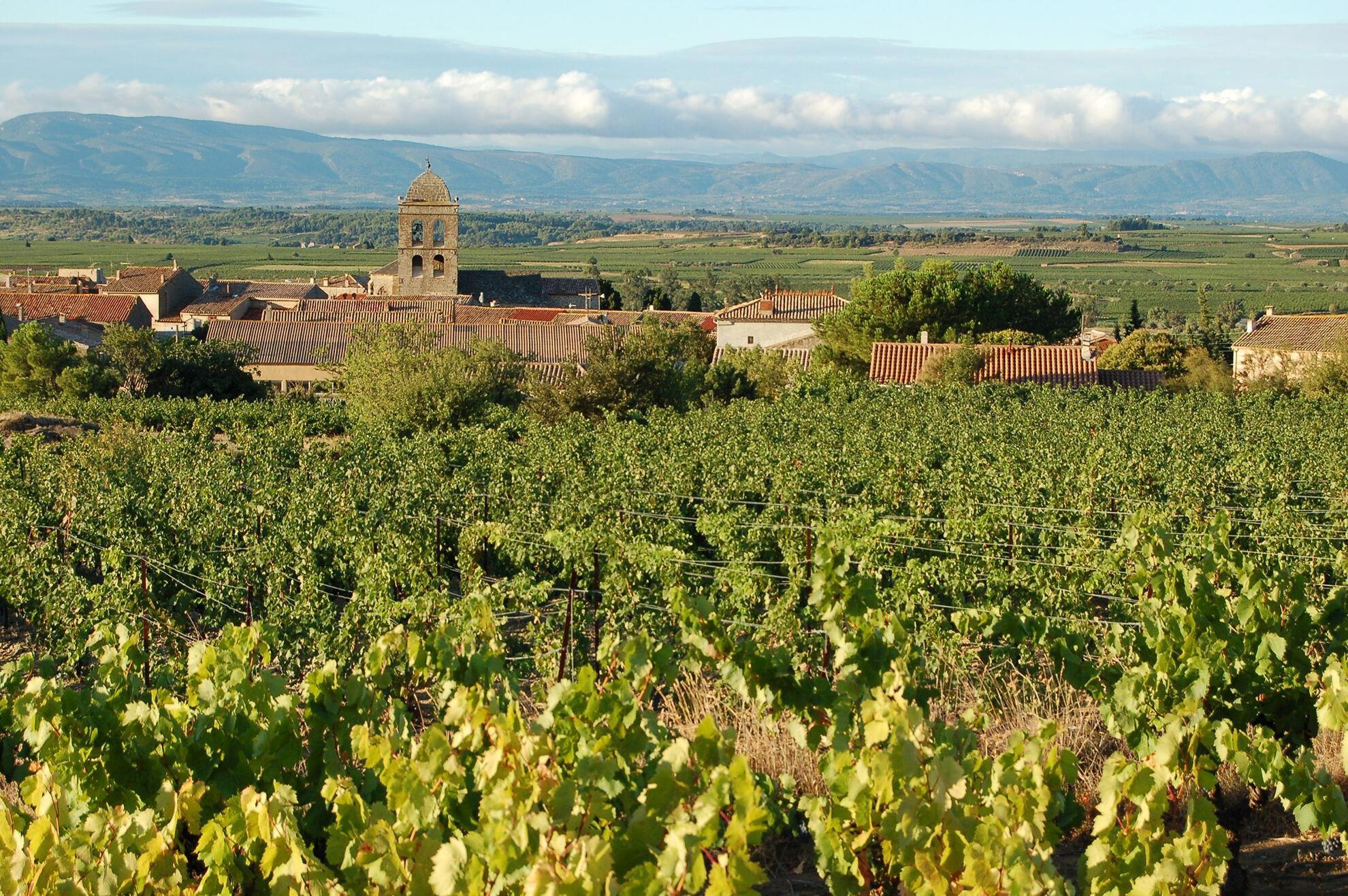
Approach Chantovent as a wine-business address rather than a vineyard idyll. The setting is Bonnières-sur-Seine, but the wine conversation points south: Minervois, Pays d’Oc, Corbières, Mediterranean varieties, and the commercial machinery that moves Languedoc bottles beyond their growing region. That split is the editorial point. France’s wine culture is often read through château gates and cellar-door rituals, yet a large share of serious regional identity is shaped by producers and distributors that aggregate growers, manage appellation labels, and translate terroir into a portfolio built for restaurants, retailers, and export markets.
Chantovent belongs to that less romantic but highly consequential tier. Founded in 1953 and later folded into the Jean d’Alibert Group’s wine-growing and production activity in 1993, it works from a base associated with around 50 collaborators and a broader group network of 1,200 winegrowers across 6,000 hectares of vines. Those figures matter because Languedoc is not a boutique-only story. It is one of France’s great volume-and-variety regions, where the challenge is not simply making characterful wine, but doing so across enough fruit, labels, and markets to keep regional identity legible at scale.
Minervois character seen through a production lens
The strongest way to understand the house is through the Languedoc’s geography rather than through the office door in Bonnières-sur-Seine. AOC Minervois sits in a Mediterranean climate shaped by hot, dry summers and mild winters, with red varieties such as Syrah, Grenache, and Cinsault well suited to the conditions. The broader portfolio also reaches into IGP Pays d’Oc logic, where varietal labeling gives producers room to work with grapes such as Chardonnay, Sauvignon Blanc, Merlot, and Cabernet Sauvignon alongside southern red staples.
This is where Chantovent becomes useful for travelers who care about how French wine reaches the table. The brand’s emphasis on AOC Minervois and IGP categories reflects two parallel Languedoc identities: appellation wines tied to place, and varietal wines designed for clearer international recognition. Neither is inherently superior. The more interesting distinction is communicative. AOC Minervois asks the drinker to read climate, soil, and blend through a regional name; IGP Pays d’Oc lets the grape variety do more of the talking. A producer operating across both formats is working with two languages of French wine at once.
The production notes attached to the portfolio point to south-oriented vineyards, older vines associated with younger Syrah and Grenache plantings, and soils in the Minervois orbit that range from limestone to clay and sand. Those are not decorative details. Limestone can sharpen structure, clay can give breadth, and sand can lighten extraction when handled carefully. In a warm region, those differences matter because ripeness is rarely the problem; balance is.
Scale, appellation work, and the modern Languedoc brief
The Jean d’Alibert Group’s stated production scale, 380,000 hectolitres per year, places this operation far from the low-volume cellar-door stereotype. That scale changes the critical frame. The question is less about a single cuvée as an auteur statement and more about consistency, sourcing discipline, and how a producer maintains a Languedoc signature across multiple labels. The Chantovent portfolio has included AOC Minervois, IGP Pays d’Oc varietal wines, a 2019 Chantarel Rosé from Cinsault, Domaine Sainte Marie 2018, Trio Infernal, and Les Terroises Corbières. Read together, those names map a commercial range rather than a narrow estate canon.
There is also a sustainability thread worth noting because it belongs to the region’s current agricultural debate, not to lifestyle branding. The wider activity has been linked with an agrivoltaic project involving 35,500 photovoltaic modules across more than 18 hectares, alongside participation in agroecological transition work in Minervois. In a hot, dry Mediterranean zone, land use, water pressure, and canopy management are not abstract concerns. They shape what Languedoc wine can look like in the next decade.
Recognition here is not framed through a grand awards narrative. The stronger trust signal is structural: long operation since 1953, integration with a large grower network, and a portfolio built around protected geographical and appellation categories. For readers comparing French wine experiences, that makes Chantovent different from a domaine visit built around a family cellar or a high-touch tasting room. Its relevance is the commercial architecture behind regional bottles, the part of the wine system many travelers drink often but rarely see.
How to place it in a Bonnières-sur-Seine itinerary
Because Chantovent operates as a production and distribution winery business rather than a conventional public-facing tasting estate, it fits a specific kind of itinerary. It suits travelers interested in supply chains, appellation identity, and the business side of French wine more than those looking for a leisurely cellar visit with vineyard views. The price indicator is low, but that should be read as a broad accessibility signal, not as a promise of a public tasting format.
For broader planning around the city, start with Our full Bonnieres Sur Seine wineries guide, then cross-check the wider local context through Our full Bonnieres Sur Seine restaurants guide, Our full Bonnieres Sur Seine hotels guide, Our full Bonnieres Sur Seine bars guide, and Our full Bonnieres Sur Seine experiences guide. Readers building a wider European wine map can also compare formats across A. Margaine in Villers-Marmery, Abbaye de Fontfroide in Narbonne, Abbotts & Delaunay in Marseillette, Advini in Saint Felix De Lodez, Agrapart & Fils in Avize, Alain Brumont in Castelnau Riviere Basse, Alain Gras in Saint-Romain, Albert Boxler in Niedermorschwihr, »der Steiner« Hans Steiner in Podersdorf am See, and & Handwein in Mannheim.
The verdict is practical: Chantovent is more revealing as a case study in Languedoc distribution than as a classic wine-tour stop. For travelers who want the romance of a cellar door, choose carefully elsewhere. For those interested in how Mediterranean terroir, grower networks, appellation categories, and export-facing production meet inside one French wine operation, it offers a sharper lesson.
Recognition history
Dated appearances from independent guides and award organizations, with the underlying list record or original source where available.
Falstaff Winery - Listed
Falstaff
Continue exploring