
Château Tour Perruchon is a small family-run Lussac-Saint-Émilion estate shaped by a promontory site, sustainable farming, and Merlot-led Right Bank reds. Its appeal is less about polished château theater than terroir clarity: clay-limestone structure, concentrated fruit, and a quiet rural setting suited to focused tasting rather than spectacle.
Pearl is the En Primeur Club membership app — saves, bookings, and concierge access live there. Same editors, same standards.
- Address
- Lussac, Center-Val de Loire, Frankreich
 Saves & bookings on Pearl
On the heights of Lussac, the Right Bank feels agricultural before it feels grand. Vines sit close to working roads, château façades remain rural rather than theatrical, and the logic of the place is visible in the slope, exposure, and air movement. Château Tour Perruchon belongs to that register: a small family estate on a promontory, with vineyard views, a quiet setting, and a format built around still red Lussac-Saint-Émilion rather than hospitality showmanship.
Lussac-Saint-Émilion often attracts drinkers who want Bordeaux structure without the social temperature of the more famous Saint-Émilion addresses. The appellation’s grammar is familiar: Merlot at the center, Cabernet Franc for line and aromatics, Cabernet Sauvignon as support. What matters here is how that blend carries clay-limestone influence, fruit density, and tannin in a frame that remains approachable. Château Tour Perruchon’s wines sit in that idiom, with concentration and Right Bank softness held against a mineral thread rather than sheer extraction.
Promontory-grown Lussac-Saint-Émilion with Merlot in command
The estate’s position on the heights of Lussac is not a scenic footnote; it is the main argument. Promontory sites in this part of Bordeaux can give vines useful exposure and air circulation, both of which matter in a region where ripeness, freshness, and tannin maturity need to arrive together. The estate works within Lussac-Saint-Émilion AOC, and its varietal frame is classical for the appellation: Merlot, Cabernet Franc, and Cabernet Sauvignon.
That composition explains the style more clearly than any château mythology. Merlot supplies the broad red-fruit and dark-fruit core typical of the Right Bank, Cabernet Franc adds aromatic lift and structure, and Cabernet Sauvignon contributes additional backbone. In the stronger examples from Lussac, the result is not a caricature of plushness but a wine with enough density to age and enough fruit to drink before full maturity. Château Tour Perruchon’s recognition across recent vintages points to that balance: James Suckling rated the 2020 vintage 91/100, while Vertdevin scored the 2024 vintage 15.25/20, equivalent to 90/100. Wine Enthusiast and Decanter have also noted the estate’s recent releases, giving the label a critic trail beyond local reputation.
The 2022 vintage is the clearest signal of intent for collectors who watch drinking windows. International Wine Report placed its window at 2025–2038, a span that suggests tannin and fruit in sufficient reserve rather than a simple early-drinking bottling. That matters in Lussac-Saint-Émilion, where value is often discussed too casually. The better question is not whether the appellation costs less than its famous neighbor, but whether the wine has the structure to reward cellaring. Here, the evidence points to a red built for both concentration and time.
A small-estate tasting rhythm, not a Bordeaux production
The visit format follows the scale. This is a small family estate with a quiet ambiance, outdoor space, vineyard and garden views, and French-language touring listed among the experience details. Tastings are by reservation and can include a classic seated tasting or an estate tasting across multiple cuvées. The practical emphasis is wine education rather than performance: vineyard tour, estate grounds, and a limited range of Lussac-Saint-Émilion reds, including special cuvées such as Cuvée Jean Merlin and L’Exception 1600.
That restraint is part of the appeal. Many Bordeaux visitors arrive expecting a polished circuit of grand rooms, branded salons, and rehearsed prestige. Lussac rewards a different rhythm: fewer distractions, closer attention to the agricultural setting, and more direct conversation around appellation character. Château Tour Perruchon is better suited to drinkers who want to understand how a family-run Right Bank estate translates site into red wine than to travelers seeking a multi-course pairing program. Food pairing is not part of the listed offer, children and dogs are not listed as fit, and the mood is quiet rather than social.
The estate also carries a sustainability signal, with sustainable farming listed in its production philosophy and sourcing tags. In Bordeaux, where environmental claims can range from certification-heavy to quietly practical, that detail should be read with precision: it supports the estate’s land-first positioning, but the stronger editorial point remains the connection between site, grape mix, and bottle. A three-generation family continuity gives the property a long view of its vineyards, while the critic response to recent vintages shows that the wines are competing beyond sentimental rural charm.
How to place it in a Lussac wine itinerary
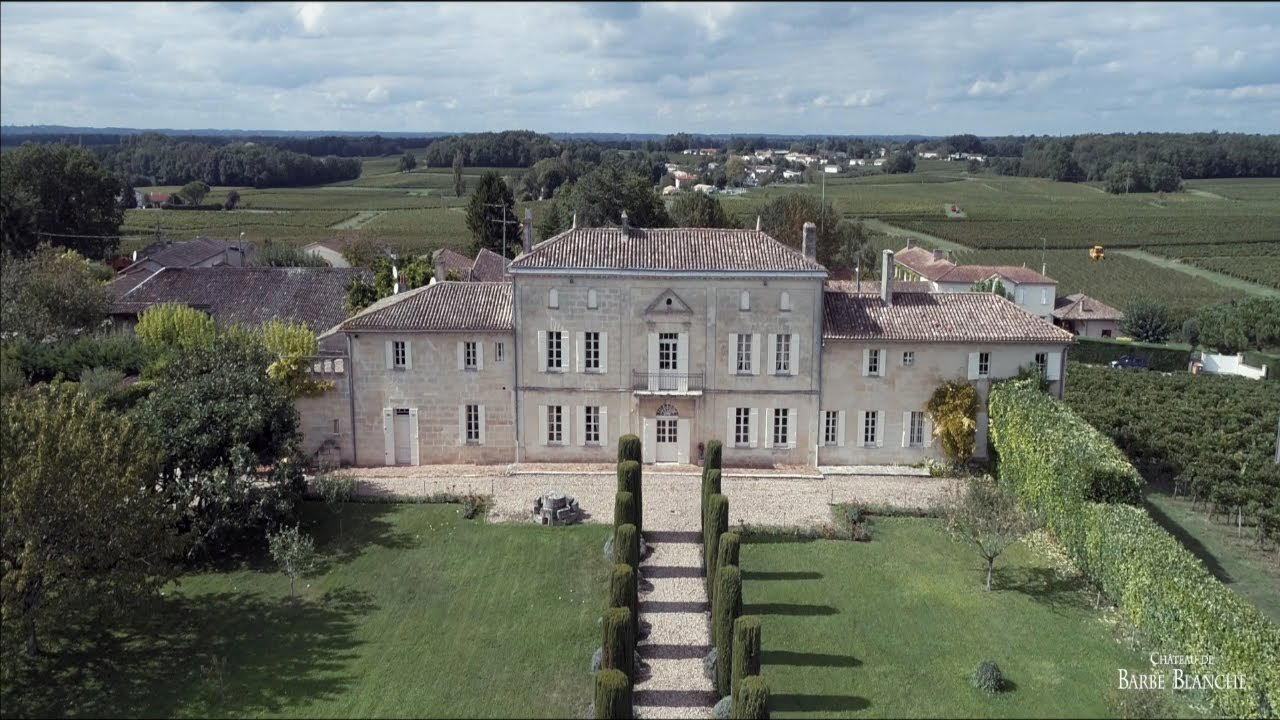
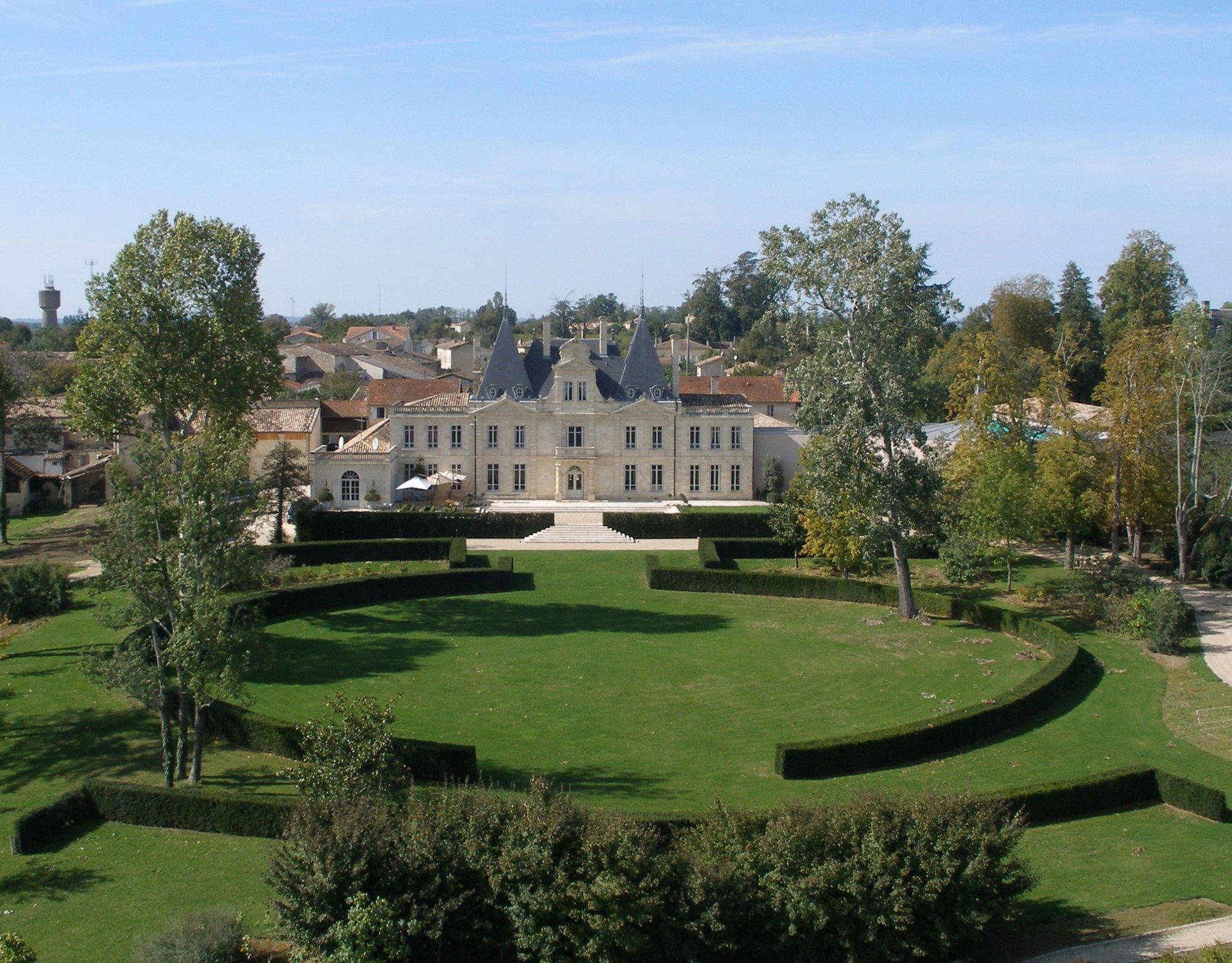
For a Lussac-focused day, the smarter itinerary is not to rush between famous names elsewhere, but to stay inside the satellite appellation long enough to compare its versions of Merlot-led structure. EP Club’s Lussac winery coverage gives that context through nearby producers such as Château de Barbe Blanche, Château de Lussac, Château du Courlat, and Château La Rose Perrière. Taken together, they show why Lussac-Saint-Émilion should be judged on its own terms: less ceremonial than the prestige addresses, often more revealing about Right Bank farming and blending.
Travel planning around Lussac works well when wine is the anchor and the rest of the day is kept simple. Use our full Lussac wineries guide to shape the tasting route, then cross-check meals, stays, and evening plans through our full Lussac restaurants guide, our full Lussac hotels guide, our full Lussac bars guide, and our full Lussac experiences guide. For a wider French wine map, compare the regional shift from Bordeaux reds to Champagne at A. Margaine in Villers-Marmery, Languedoc history at Abbaye de Fontfroide in Narbonne, southern French scale at Abbotts & Delaunay in Marseillette, and group breadth at Advini in Saint Felix De Lodez. European contrasts extend further through »der Steiner« Hans Steiner in Podersdorf am See and & Handwein in Mannheim, useful reference points for how small estates frame place outside Bordeaux.
The editorial case for the winery is compact: a small Right Bank estate, a promontory site, sustainable practice, and a red-wine focus that makes Lussac-Saint-Émilion legible in the glass. It is a strong fit for travelers who prefer appellation study over château spectacle, and for drinkers who want Merlot-led Bordeaux with critic support, aging potential, and a rural cadence.
Recognition history
Dated appearances from independent guides and award organizations, with the underlying list record or original source where available.
Falstaff Winery - Listed
Falstaff
Continue exploring
More in Lussac
At a Glance
- Classic
- Rustic
- Scenic
- Intimate
- Group Outing
- Solo Exploration
- Wine Education
- Romantic Getaway
- Estate Grounds
- Vineyard Tour
- Sustainable
- Vineyard
- Garden
- Lussac Saint Émilion AOC
- Merlot
- Cabernet Franc
- Cabernet Sauvignon
- Still Red
- Classic Seated Tasting
- Estate Tasting Of Multiple Cuvées
Traditional Right Bank Bordeaux estate focused on crafting concentrated yet approachable Lussac‑Saint‑Émilion reds, with a classic, rural château feel rooted in ancestral savoir‑faire and family continuity over three generations.