
Falstaff Winery - Listed
Cecilia Beretta is a research-led Veronese estate tied to the Pasqua family, with a focus on Valpolicella and Soave rather than generic cellar-door theatre. Its draw is the combination of historic Villa Beretta, hilly volcanic terrain, sustainable farming direction, and a limited annual production centered on Corvina, Garganega, and related Veneto varieties.

Pearl is the En Primeur Club membership app — saves, bookings, and concierge access live there. Same editors, same standards.
- Address
- Verona, Veneto, Italien
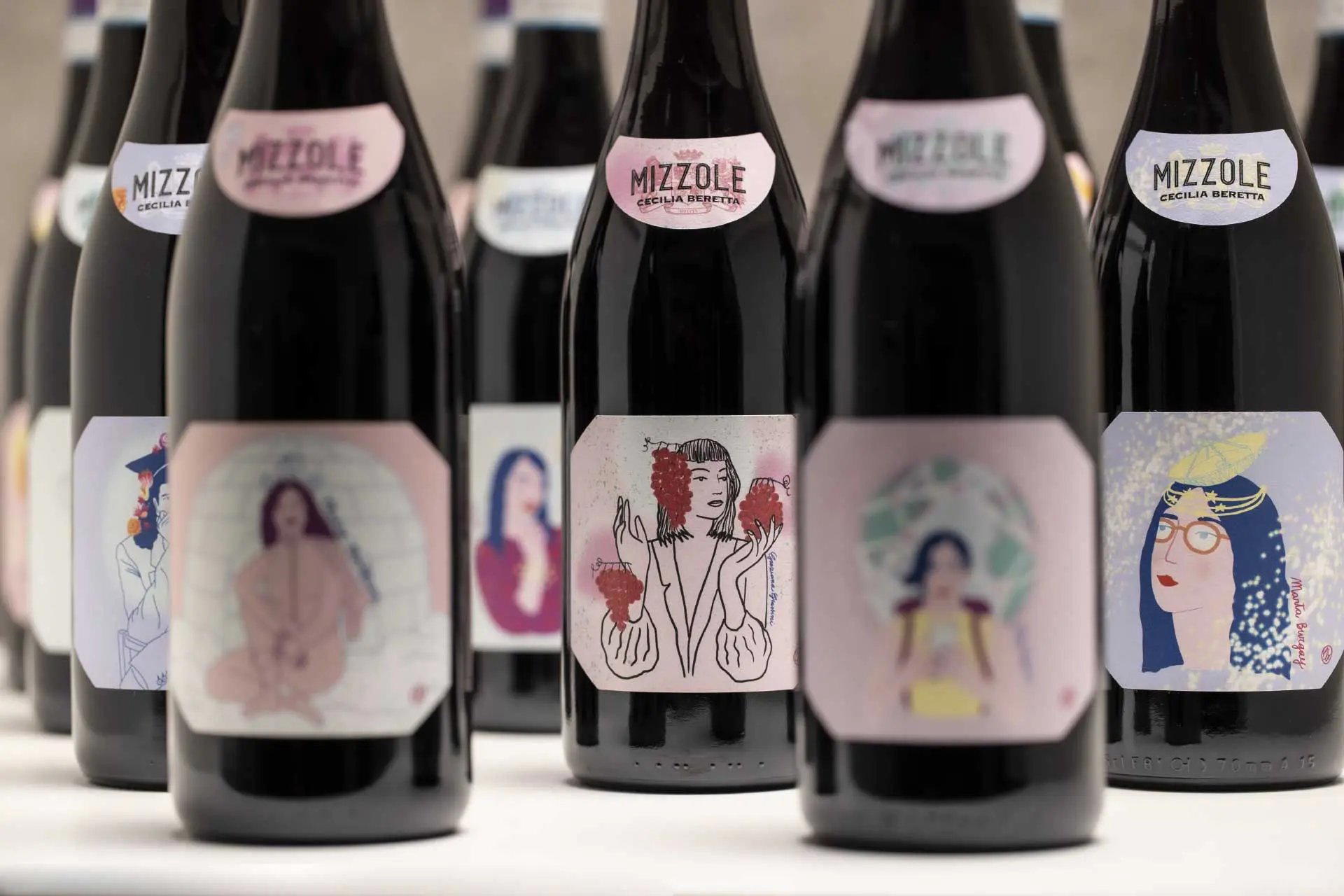
Cecilia Beretta is best framed as a research-focused estate winery in Verona. Owned by the Pasqua family, it brings together traditional Veronese vineyards with a more modern, quality-driven experimental outlook. The atmosphere is classic and rural rather than touristic, with the emphasis placed on terroir expression rather than spectacle. That distinction matters: this is not best understood as a venue built around performance, amenities, or a long checklist of visitor-facing features. Its value is quieter and more specific, sitting in the relationship between family ownership, local vineyard tradition, and a stated interest in research as a way of reading the land more carefully.
Veronese vineyards, framed by research
The most reliable way to understand Cecilia Beretta is through its stated role as an estate project built around research and quality. Rather than presenting the winery as a general visitor attraction or a broad commercial label, the picture is narrower: a Pasqua-family estate focused on how Veronese vineyard traditions can be interpreted through experimentation and attention to place. In that sense, the research element should not be treated as a decorative phrase. It is the organizing idea that helps explain why the estate is described through quality, terroir, and the ongoing interpretation of its vineyards rather than through spectacle or volume.
Specific claims about grape varieties, appellations, production volume, vineyard size, individual bottlings, scores, or award history should be treated cautiously unless confirmed directly by the estate or current official materials. What can be said with confidence is that Cecilia Beretta is rooted in Verona’s wine landscape and is positioned around terroir expression and a quality-led approach. For a traveler or reader, that means the estate is less about collecting headline facts and more about understanding how a Veronese winery can present itself as a focused expression of place. The absence of confirmed extra details is not a weakness so much as a reason to keep the description precise.
That makes the estate useful for travelers who want a quieter, more place-focused wine stop in Verona. The appeal is not an invented list of formats, services, or accolades; it is the combination of Pasqua-family ownership, Veronese vineyard tradition, and a research-oriented winemaking identity. Cecilia Beretta is strongest when approached on those terms: as a rural estate whose significance comes from how it frames the vineyards around Verona, and from the disciplined, quality-minded lens through which it asks visitors to consider them.
A rural estate where the land is the main text
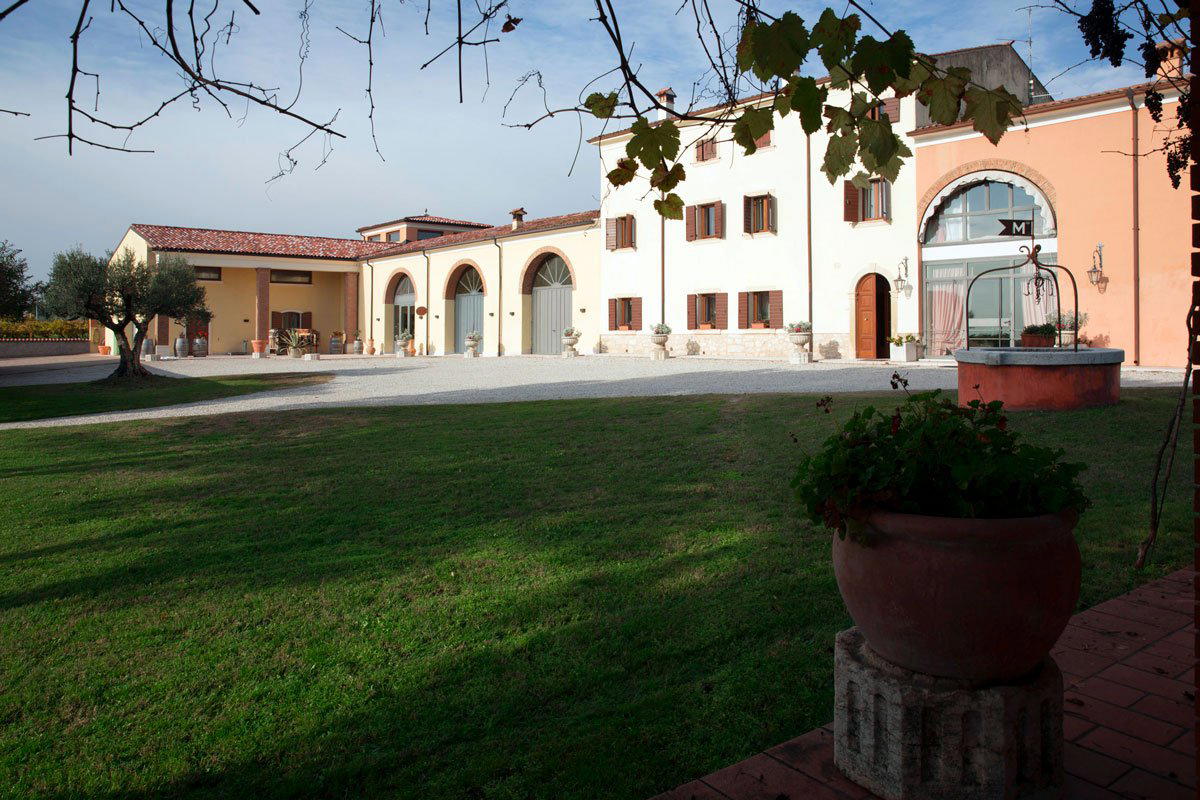
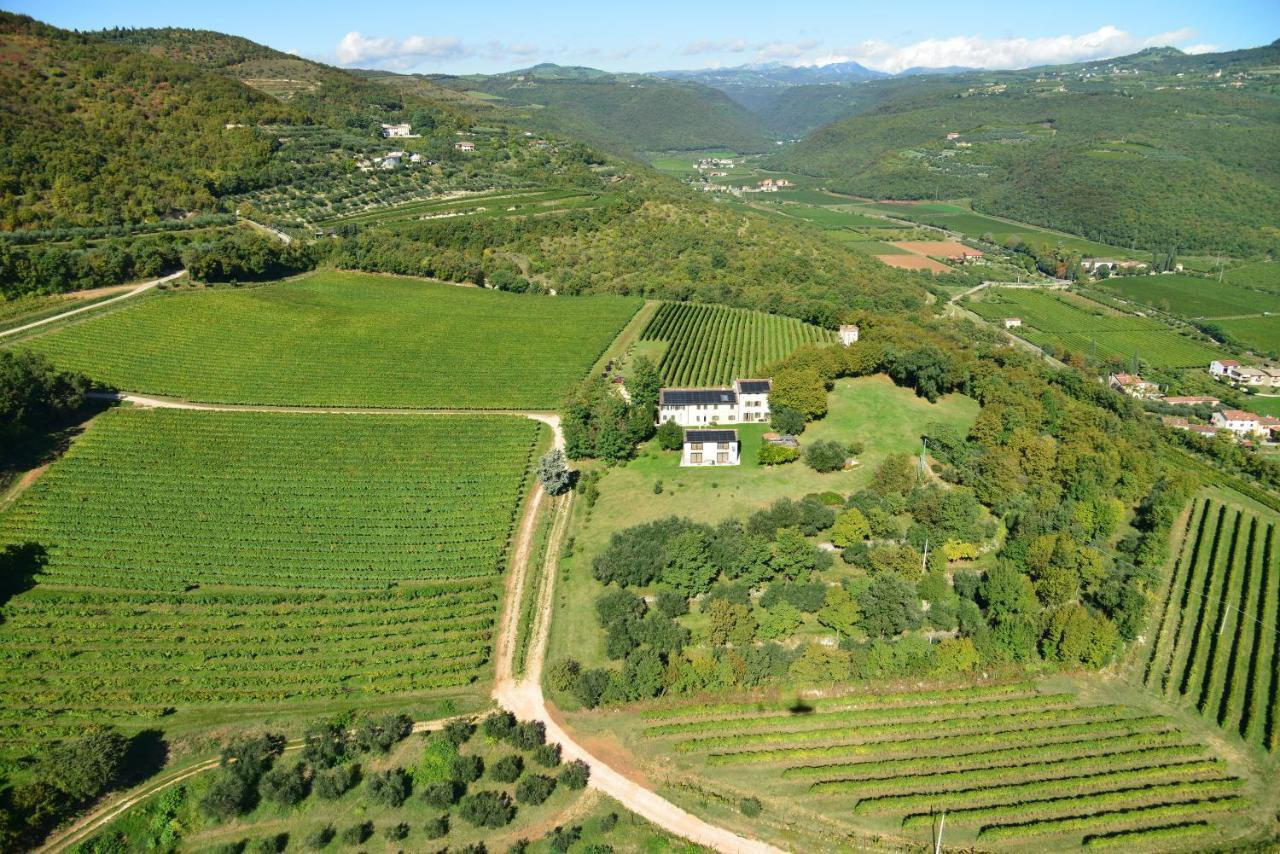
The setting is part of the appeal. Cecilia Beretta is described as classic and rural rather than touristic, which gives it a different character from more polished visitor-facing wine experiences. The focus is on the estate, the vineyards, and the expression of terroir. That rural quality helps set expectations before arrival: the draw is not an urban tasting-room polish or an entertainment-first format, but the sense of a winery whose identity remains tied to land, cultivation, and a quieter rhythm. The landscape is not just a backdrop in this framing; it is the central subject.
The Pasqua connection is also central. The estate is owned by the Pasqua family, and Cecilia Beretta’s identity is best understood as a focused winery project rather than a generic hospitality venue. A more accurate reading keeps the emphasis on what is actually supported: ownership, Verona context, rural character, and a research-led approach to quality.
For planning, keep expectations grounded: Cecilia Beretta is a Verona estate winery with a rural, research-driven character and a price level listed as $$. Travelers interested in a specific tasting, tour, food pairing, accessibility detail, or visiting policy should verify those practical details directly before going. That simple step preserves the experience for what it is, rather than forcing it into a template borrowed from other wineries. If the goal is to understand a place through its estate identity and its connection to Veronese vineyard traditions, Cecilia Beretta belongs on the shortlist; if the goal is a guaranteed set of services or a heavily programmed visit, those details need confirmation in advance.
How to place it in a Verona wine itinerary
In a Verona plan, Cecilia Beretta works well as a terroir-focused winery reference point. Pair it with time elsewhere in the city for dining, bars, hotels, or other experiences, then use the winery context to connect Verona’s wine identity back to its vineyards and estate traditions. It can serve as the quieter counterweight in an itinerary: after the city’s restaurants and urban pleasures, the estate setting brings the conversation back to land, family ownership, and the slower work of interpreting a wine region through place.
The grounded reason to include Cecilia Beretta is clear enough: it is a Pasqua-family estate winery in Verona with a research-focused approach, a rural atmosphere, and a quality-driven view of Veronese vineyards. Kept within those boundaries, the recommendation is both useful and accurate. Cecilia Beretta is not being positioned here through inflated claims or assumed visitor offerings, but through the more durable qualities already present in its identity: a classic rural setting, a serious estate framework, and a research-minded way of understanding Verona wine.
Recognition history
Dated appearances from independent guides and award organizations, with the underlying list record or original source where available.
Falstaff Winery - Listed
Falstaff
Continue exploring
More in Verona
Wineries in Verona
Browse all →
Bars in Verona
Browse all →
Restaurants in Verona
Browse all →
Details
- Classic
- Rustic
- Scenic
- Elegant
- Wine Education
- Group Outing
- Special Occasion
- Romantic Getaway
- Solo Exploration
- Vineyard Tour
- Estate Grounds
- Historic Building
- Sustainable
- Organic
- Vineyard
- Mountain
- Garden
- Corvina
- Garganega
- Riesling
- Cabernet Sauvignon
- Merlot
- Croatina
- Still Red
- Still White
- Still Rosé
- Sparkling
- Dessert
- Standard Tasting
- Food Pairing Tasting
Research-focused estate winery owned by the Pasqua family, combining traditional Veronese vineyards with modern, quality-driven experimentation; atmosphere is classic and rural rather than touristic, centered on terroir expression and small-batch premium wines.