Casa Vinicola Canella

Casa Vinicola Canella belongs to the aperitivo side of Venetian wine culture: sparkling Glera, bottled Bellini, and a family-run production story that began in 1947. In San Donà di Piave, its interest lies less in cellar-door spectacle than in how Prosecco technique, white peach sourcing, and regional drinking habits meet in one focused portfolio.
Pearl is the En Primeur Club membership app — saves, bookings, and concierge access live there. Same editors, same standards.
- Address
- San Donà di Piave, Veneto, Italien
 Saves & bookings on Pearl
San Donà di Piave gives Venetian wine culture a quieter register than Prosecco’s hill-town drama. The approach is practical, social, and aperitivo-led: sparkling wine before dinner, family tables, and freshness over cellar mystique. Casa Vinicola Canella fits this tradition clearly. Its public identity centers on sparkling wine and Bellini culture; the deeper point is how Veneto’s lowland fruit, Glera sourcing, and tank-method precision shaped a regional, not ornamental, house style.
The Veneto conversation often splits between Prosecco as a global commercial category and Prosecco as a local habit. Canella sits at that meeting point. Founded in 1947 by Luciano Canella, it began with wine supplied to his mother’s restaurant in San Donà di Piave, placing the producer inside hospitality before export. That origin explains the portfolio’s bias toward immediacy: sparkling wine, aperitif formats, and a bottled Bellini introduced in 1998 rather than age-stated grandeur.
Glera, peach, and the Venetian aperitivo frame
Glera rewards restraint. Its appeal depends on preserving aromatic lift and acidity, which is why the tank method became central to Prosecco. At Canella, that language extends beyond Prosecco into the Bellini, where sparkling wine meets white peach juice and pulp, plus a few drops of wild raspberry. The recipe reveals the house view: fruit is not garnish, but part of the production argument.
The white peach component gives the winery a second expression of place. The peaches are tied to San Donà di Piave, with a peach grove planted in 1991, and are handpicked at ripeness for the Bellini program. That does not make the bottle a vineyard-designate wine, but it makes the aperitif more connected to local agriculture than many ready-to-drink cocktails. In a market crowded with sweetened spritz alternatives, the difference matters: the format relies on fruit pulp and sparkling wine, not a decorative flavor idea.
The appellation signal deserves careful reading. The portfolio is associated with Conegliano Valdobbiadene Prosecco Superiore DOCG, while the producer’s San Donà di Piave base sits outside the strict DOCG hill zone. That tension is part of its identity. Canella is not selling steep-vineyard romance from the doorstep; it works from a broader Venetian sparkling tradition in which sourcing, technique, and aperitivo culture carry as much weight as scenery.
A family producer operating at export scale
Italian winery visits can treat smallness as virtue, but scale is not automatically the enemy of character. Canella produces at large scale, with annual volume described in the 500,000 to 1,000,000 bottle range. That places it outside the tiny artisan cellar category and nearer producers that helped make Prosecco an international habit. The critical question is whether scale erases place. Here, the strongest evidence is the focused sparkling program, the Bellini’s dated history, and continued family structure rather than luxury cues.
The family thread is substantial without hagiography. Luciano Canella founded the house in 1947; later generations, including Tommaso Canella as third-generation managing director, carry it forward. The point is continuity in a category reshaped by consolidation and global demand. Prosecco’s commercial success often flattened regional nuance into an easy-drinking label. A producer with both volume and a clearly defined aperitivo product shows how a Veneto house can meet broad demand while keeping a recognizable grammar of Glera, peach, and sparkling fermentation.
The absence of trophy-award framing is not a weakness. Canella’s trust signal is historical and format-based: a 1947 founding, early involvement in Prosecco DOC sparkling wine, a bottled Bellini line dating to 1998, and visitation centered on guided tasting. For travelers building a wine itinerary around San Donà di Piave rather than the more photographed Prosecco hills, those facts are more useful than medal counts. They explain the stop: a look at Veneto’s aperitif engine, not a cult-label pilgrimage.
How to read the visit in a San Donà di Piave itinerary
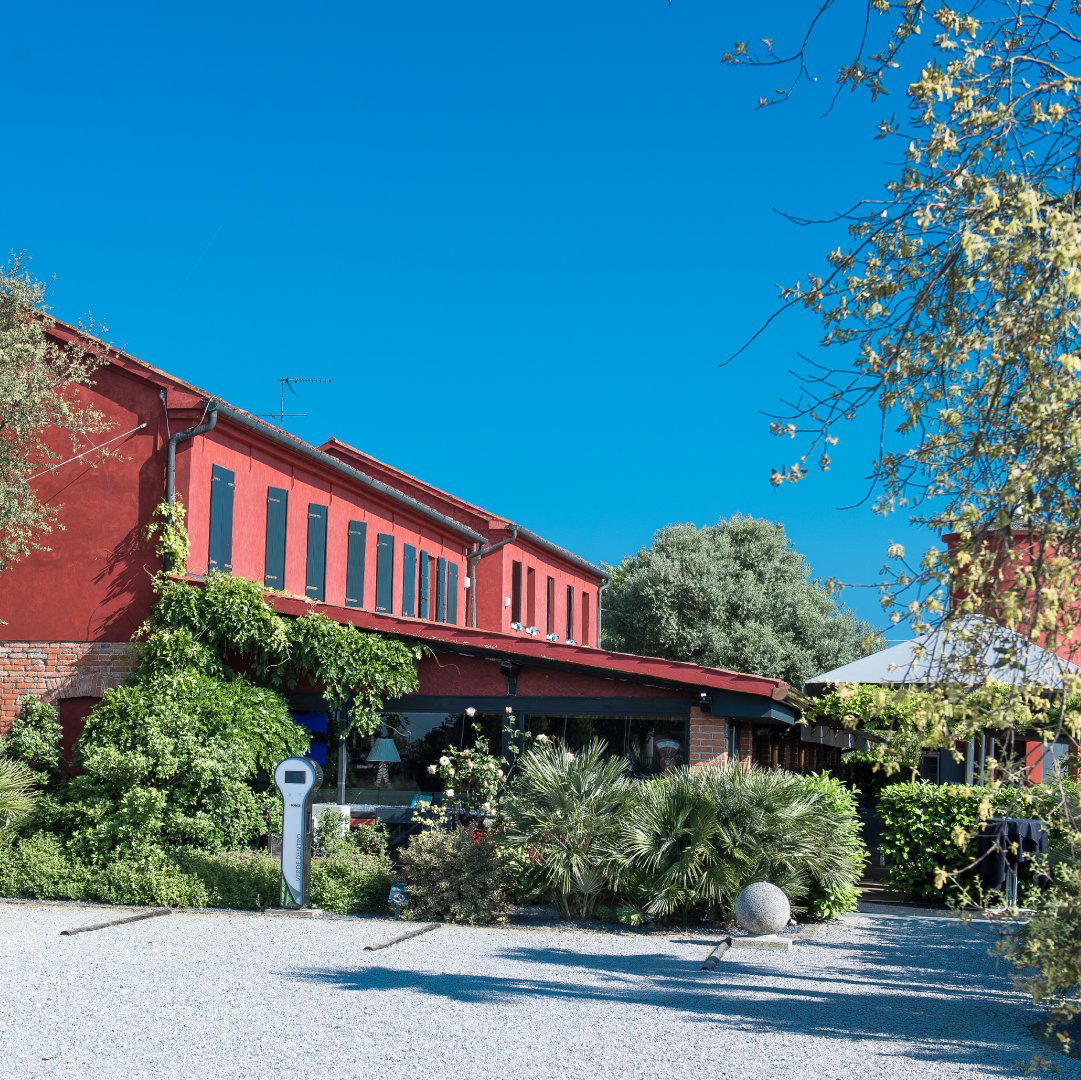
Experience is best read as wine education through a regional lens. The setting is family-run and quiet, with guided tasting rather than a high-energy hospitality complex. Tour languages include English, French, and German, making the producer accessible to international travelers without turning the visit into a theme-park version of Prosecco. The dress code is casual, and the mood suits visitors seeking production context, sparkling-wine structure, and the Bellini’s place in Venetian drinking culture.
San Donà di Piave is not a city where every itinerary needs to revolve around one cellar. Treat Canella as the wine anchor and build around it: restaurants for the regional table, bars for aperitivo habits, hotels for a slower Veneto base, and experiences connecting the Piave area to Venice and the wider province. EP Club’s city pages help with that broader mapping: Our full San Dona Di Piave wineries guide, Our full San Dona Di Piave restaurants guide, Our full San Dona Di Piave bars guide, Our full San Dona Di Piave hotels guide, and Our full San Dona Di Piave experiences guide.
For readers comparing Italian wine travel beyond Veneto, the contrast is instructive. Producers such as 3GP SRL in Treviso and 47 Anno Domini in Trebaseleghe keep the northern Italian frame close, while A Mano Wine in Noci, a6mani in Fragagnano, and Abbazia Santa Anastasia in Castelbuono move the conversation toward southern and island expressions. Monastic and historic-name producers such as Abbadia Ardenga in Torrenieri, Abbazia di Crapolla in Neapel, and Abbazia Monte Oliveto in Asciano show how Italian regions attach wine to place through architecture, landholding, or local table culture. Farther afield, »der Steiner« Hans Steiner in Podersdorf am See and & Handwein in Mannheim underline the same lesson: visit format matters less than whether the wine tells a credible story about where it comes from.
Canella’s case is strongest through terroir in the broad Venetian sense. Soil and climate matter, but so do white peaches, restaurant origins, aperitivo timing, and a sparkling method designed for freshness. This is not the grand-cru fantasy of Italian wine travel. It is more grounded: a producer explaining why Veneto’s light, social, sparkling idiom became so exportable without losing its local accent.
Recognition history
Dated appearances from independent guides and award organizations, with the underlying list record or original source where available.
Falstaff Winery - Listed
Falstaff
Continue exploring
More in San Dona Di Piave
Restaurants in San Dona Di Piave
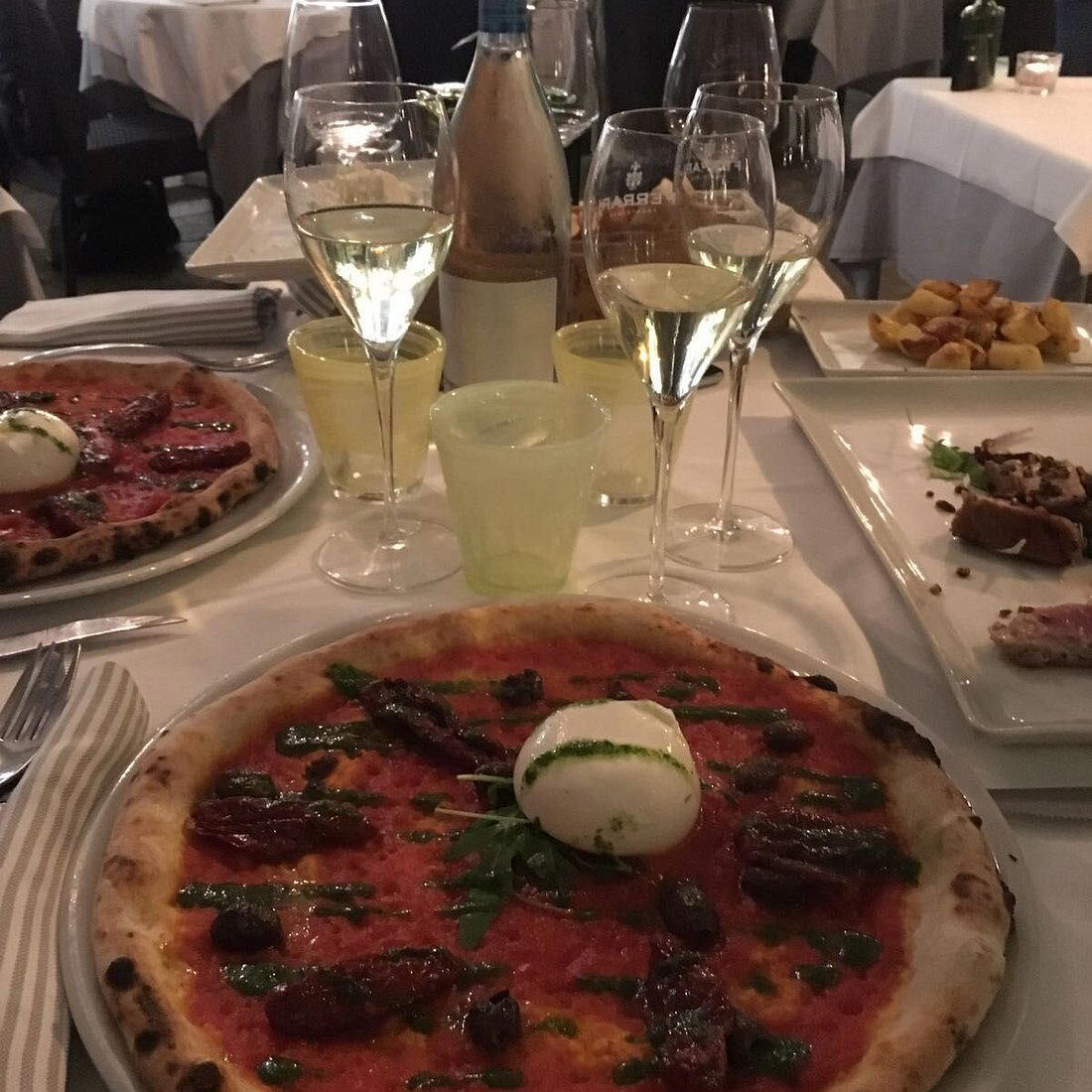
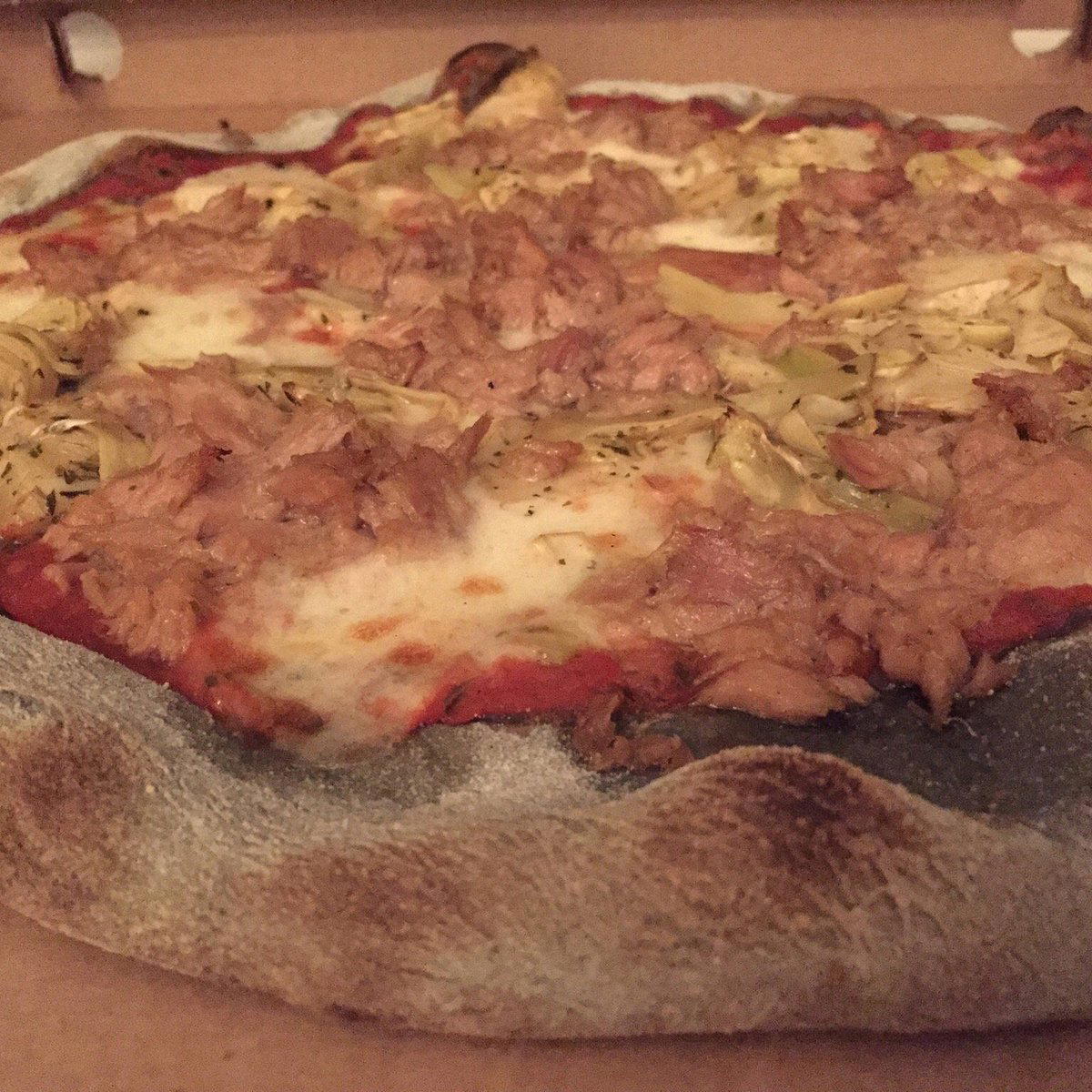
Browse all →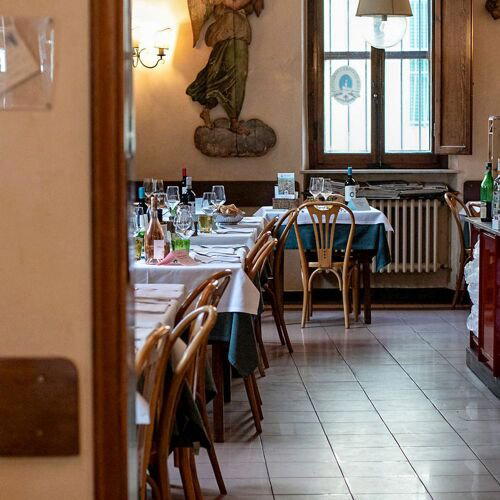
At a Glance
- Classic
- Quiet
- Sophisticated
- Wine Education
- Solo Exploration
- Corporate Event
- Group Outing
- Private Tasting
- Historic Building
- Design Destination
- Conegliano Valdobbiadene Prosecco Superiore DOCG
- Glera
- White Peach
- Sparkling
- Guided Tasting
Family-run winery atmosphere with a public tasting and visitation setup; the brand is strongly tied to sparkling wine and aperitif culture.