
Falstaff Winery - Listed
Cantine Spelonga is a production-focused winery in Stornara, rooted in Puglia IGP and the Tavoliere plain’s native grapes. The draw is not resort-style hospitality but a working cellar context: Nero di Troia, Falanghina and Bombino Bianco shaped through temperature-controlled stainless steel, with national recognition including La Corona from Vini Buoni d’Italia and gold medals at Mondial du Rosé.

Pearl is the En Primeur Club membership app — saves, bookings, and concierge access live there. Same editors, same standards.
- Address
- Stornara, Puglia, Italien
- Directions
- Get directions
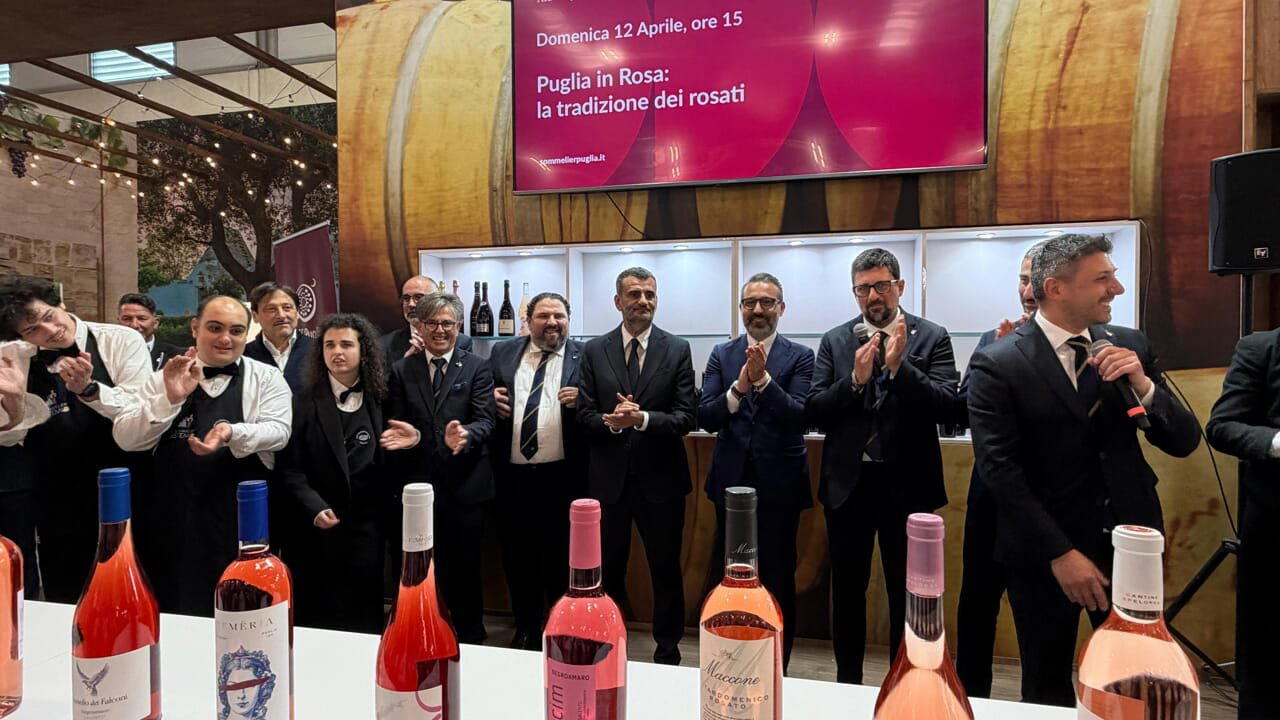
Approach Cantine Spelonga as a working production winery rather than a polished tasting salon. The picture is direct: a functional, industrial-style setting in Stornara, with quality-focused vinification and temperature-controlled stainless steel as part of the cellar identity. The emphasis is on indigenous Puglian grapes and practical production rather than elaborate visitor facilities. That distinction matters, because it sets the right expectations before arrival: this is not a venue to frame primarily through leisure, design, or a staged hospitality script, but through the more grounded language of cellar work, local grape character, and direct winemaking infrastructure.
Indigenous Puglian grapes through a Stornara lens
Cantine Spelonga’s clearest strength is its focus on indigenous Puglian grapes. Rather than building the experience around luxury hospitality or decorative cellar theatre, the venue is best understood as a production-minded winery where the atmosphere is quiet, rustic and functional. The appeal is therefore less about spectacle and more about seeing a local wine identity expressed in a practical setting, where the surrounding impression is shaped by purpose, equipment and production priorities.
What can be said with confidence is that the winery uses temperature-controlled stainless steel vinification and presents itself through a quality-focused, production-led approach. In practical terms, that gives the venue a cellar identity rooted in control, consistency and a modern production framework, while still keeping the focus on indigenous Puglian grapes rather than on a broad hospitality narrative. The stainless steel detail is useful because it anchors the description in how the wines are handled, not merely in how the place looks or how it is marketed to visitors.
For travellers, that makes Cantine Spelonga a Stornara stop to frame around regional wine production and local grape identity, not around a resort-style visit or a documented awards narrative. It is better approached with curiosity about process and place than with expectations of a highly choreographed tasting destination. The value lies in the clarity of the profile: Stornara, indigenous Puglian grapes, functional cellar atmosphere and a production-led point of view.
A production visit, not a leisure estate
The industrial character is part of the value. In a more hospitality-driven setting, the mechanics of production can disappear behind the visitor experience; here, the description points in the opposite direction, toward a working, functional atmosphere centered on vinification and indigenous Puglian grapes. That can be especially useful for travellers who prefer the plain-spoken side of wine country: a place where the cellar identity is not softened into lifestyle staging, and where the practical context remains visible in the way the venue is described.
Do not assume a food program, formal tour structure, lunch service, outdoor seating, or particular tasting format unless confirmed directly with the winery. This is an important planning note, because the available profile supports the idea of a production winery more strongly than it supports a full visitor-experience model. Anyone building an itinerary should therefore treat the details of access, format and on-site hospitality as items to verify rather than assumptions to make from the category alone.
For planning around the city, keep the winery in the wider Stornara file rather than treating it as a fully documented hospitality destination. EP Club’s local coverage can also be used alongside other Stornara dining, hotel, bar and experience planning resources, while broader Italian wine-route planning should be checked venue by venue. In other words, Cantine Spelonga can sit naturally within a Stornara itinerary, but it should be positioned carefully: as a wine-production reference point with a rustic, functional profile, not as a guaranteed all-purpose stop for dining, lingering or structured leisure.
Who gets the most from it
The strongest case for Cantine Spelonga is its production focus. It suits travellers who are interested in how a Stornara winery presents indigenous Puglian grapes through a functional cellar environment and temperature-controlled stainless steel vinification. The fit is strongest for people who read wineries through their working identity: what grapes are emphasized, how the cellar is framed, and whether the atmosphere feels connected to production rather than primarily to visitor comfort.
The takeaway is simple: expect a direct, rustic, quality-minded winery rather than an elaborate visitor facility. For anyone mapping Stornara through its wine identity, Cantine Spelonga offers a grounded production profile with a verified $$ price level. Its usefulness comes from that groundedness. The venue’s stated character gives travellers a clear way to classify it within the local landscape: modest in presentation, practical in atmosphere, centered on indigenous Puglian grapes, and best considered through the lens of working winery production rather than polished wine tourism.
Recognition history
Dated appearances from independent guides and award organizations, with the underlying list record or original source where available.
Falstaff Winery - Listed
Falstaff
Continue exploring
More in Stornara
Wineries in Stornara
Browse all →


Details
- Rustic
- Industrial
- Quiet
- Wine Education
- Group Outing
- Solo Exploration
- Sustainable
- Nero Di Troia
- Falanghina
- Bombino Bianco
- Still Red
- Still Rosé
- Still White
- Cellar Tasting
- Production Focused Visit
- Italian
Industrial-style production winery focused on quality, temperature-controlled stainless steel vinification, with a direct, functional atmosphere centered on indigenous Puglian grapes rather than elaborate visitor facilities.