
Cantine Riondo is a large-scale Veneto cooperative winery near Verona, built around Glera, Garganega, Pinot Grigio, Corvina and Rondinella rather than a boutique-estate script. Its appeal is the production model: 2,000 growers, around 6,000 hectares of vines and roughly 20 million bottles a year, with sustainability certifications and a broad portfolio spanning Prosecco, Soave, Valpolicella and Amarone.

Pearl is the En Primeur Club membership app — saves, bookings, and concierge access live there. Same editors, same standards.
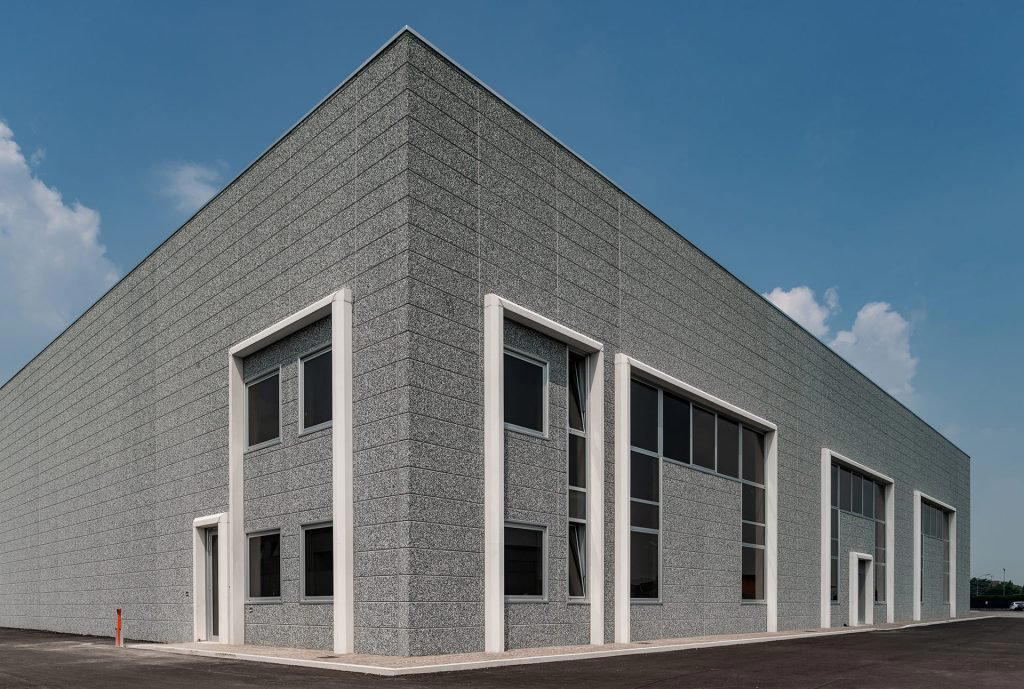
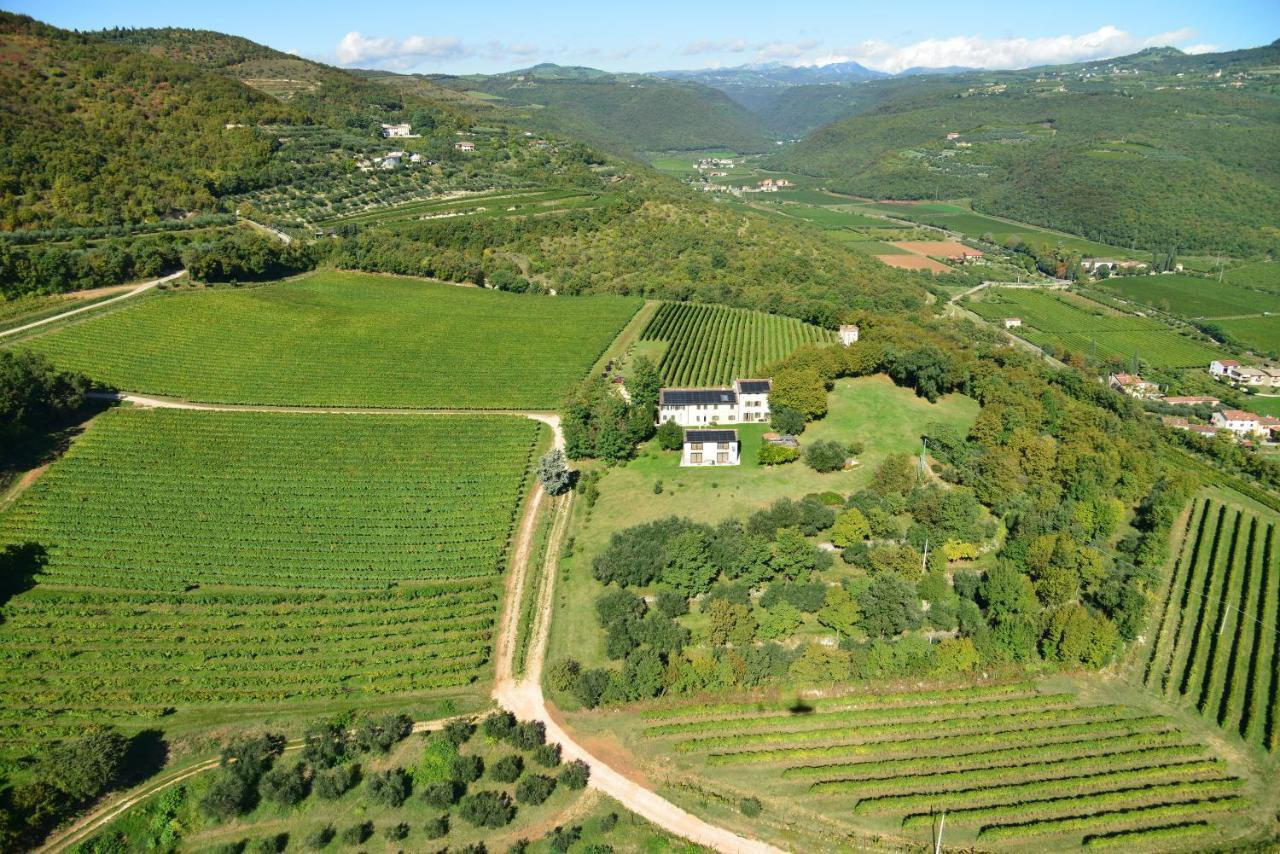
Approaching Cantine Riondo means leaving the small-cellar fantasy at the door. The picture is of a modern, vertically integrated cooperative winery in the rolling countryside around Verona, with efficient, large-scale production facilities and a practical, business-focused atmosphere rather than a traditional boutique estate feel. That distinction matters for travelers who want to understand a different side of the region: not only intimate cellar settings and romantic rural imagery, but also the organized infrastructure behind broader wine production. Seen this way, the venue is less about nostalgic atmosphere and more about the mechanics, coordination and clarity of a contemporary winery model.
For travelers using Verona as a wine base, the contrast is useful. The surrounding countryside can include different kinds of wine experiences, and Cantine Riondo sits clearly in the cooperative, production-led camp. Readers building a wider itinerary can pair this profile with broader Verona planning resources and other dining, hotel, bar and experience research in the city, using it as a counterpoint to smaller or more atmospheric stops. Its value is strongest when it is understood as one piece of a larger picture rather than as a stand-alone symbol of the whole region.
Cooperative scale around Verona
At Cantine Riondo, one grounded way to frame the venue is through scale and structure rather than a boutique-estate narrative. The identity is that of a modern cooperative winery around Verona, organized around vertically integrated production and a business-focused operating style. That makes it useful for understanding how a large winery environment differs from a smaller, more personal cellar setting, where the emphasis might fall more naturally on intimacy, individual storytelling or rustic charm.
The safer reading is architectural and operational: this is a production-minded winery setting where the atmosphere is practical, modern and oriented toward efficiency. The experience should therefore be approached with the expectations one would bring to a contemporary wine operation, not with assumptions borrowed from postcard images of a tiny family cellar.
This is not the address to describe through claims about a narrow single-vineyard focus, a particular menu of wines, or a specific hospitality ritual. It is more useful as a case study in how a cooperative winery around Verona presents a different side of the wine landscape: organized, modern and commercially minded rather than romantic or boutique. That does not make it less relevant; it simply shifts the emphasis from charm to structure, and from personal atmosphere to the broader systems that support production.
What the production model says about the wines
The strongest reason to pay attention is not romance; it is the production model. A vertically integrated cooperative winery can be understood as a place where winery operations and business priorities are closely connected. For a traveler, that changes the lens: the interest lies less in a pastoral cellar-door fantasy and more in understanding how a modern wine operation is structured, managed and presented within the wider countryside around Verona.
What can be said is simpler: the winery is positioned as a modern cooperative winery in the countryside around Verona, with a practical atmosphere and a price level listed as $$. That combination points toward accessibility and function rather than the hushed exclusivity that some visitors may associate with small estates or luxury-led wine settings.
That makes the venue most relevant for visitors who are curious about the organized, large-scale side of wine production. Instead of building expectations around tastings, pairings or accolades, approach it as a business-focused winery environment whose main confirmed distinction is its cooperative, vertically integrated character. The useful takeaway is not a promise of a particular bottle or ceremony, but a clearer sense of how one important model of regional wine production can look and feel.
How to read a visit here
Visitors should read the winery as a wine setting with a business spine. The atmosphere is modern, efficient and practical, with a large-scale production feel rather than the softer cues of a boutique estate. It is best framed as a working winery environment in the rolling countryside around Verona, not as a restaurant, lounge or traditional countryside tasting room unless those details are confirmed separately before visiting. That framing helps keep expectations accurate and prevents the venue from being judged against a style it is not primarily meant to represent.
For context, the winery can be compared with other Verona wine and dining experiences in a general way: it represents the cooperative, production-led side of the region rather than the intimate end of the spectrum. Its role in an itinerary is therefore clear and specific: a modern winery reference point for travelers interested in how a larger, business-focused operation fits into the broader Verona wine landscape. For the right visitor, that clarity is the point. It gives shape to the practical, less romantic side of wine travel, and helps broaden an itinerary beyond the expected cellar-door mood.
Recognition history
Dated appearances from independent guides and award organizations, with the underlying list record or original source where available.
Falstaff Winery - Listed
Falstaff
Continue exploring
More in Verona
Wineries in Verona
Browse all →
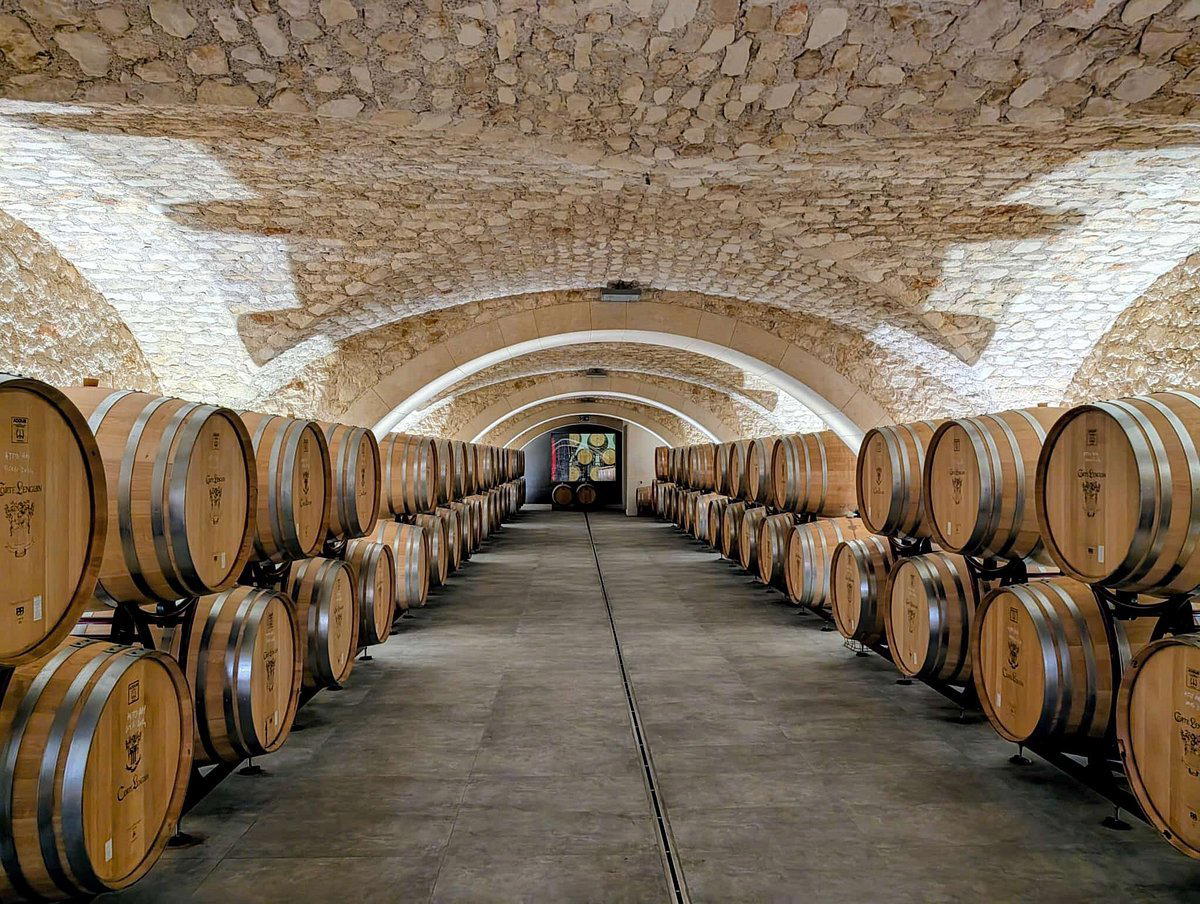
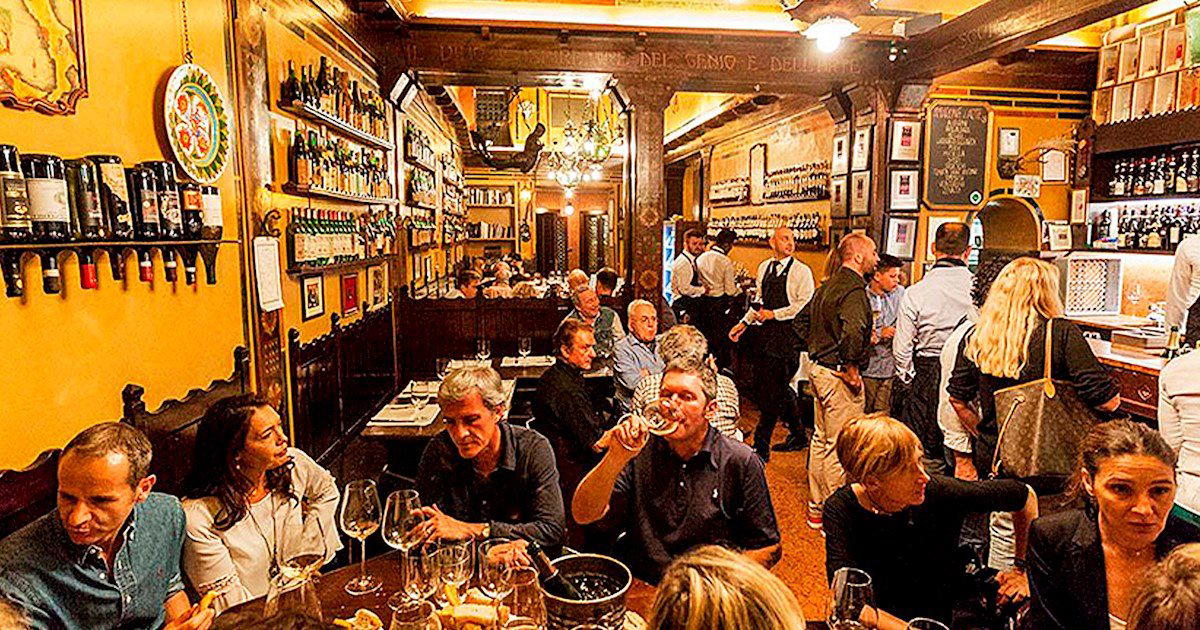
Bars in Verona
Browse all →
Restaurants in Verona
Browse all →
At a Glance
- Modern
- Industrial
- Scenic
- Group Outing
- Corporate Event
- Wine Education
- Sustainable
- Vineyard
- Veneto IGT / Various Veneto DOC Appellations
- Corvina
- Garganega
- Pinot Grigio
- Glera (prosecco)
- Rondinella
- Chardonnay
- Still Red
- Still White
- Sparkling
Current opening hours
- Monday
- 8 AM–12 PM, 2–6 PM
- Tuesday
- 8 AM–12 PM, 2–6 PM
- Wednesday
- 8 AM–12 PM, 2–6 PM
- Thursday
- 8 AM–12 PM, 2–6 PM
- Friday
- 8 AM–12 PM, 2–6 PM
- Saturday
- Closed
- Sunday
- Closed
Hours can change for holidays and private events. Last verified .
A modern, vertically integrated cooperative winery in the rolling countryside around Verona, combining efficient, large-scale production facilities with a practical, business-focused atmosphere rather than a traditional boutique estate feel.