Cantina Terlano belongs to Alto Adige’s cooperative tradition rather than the small-estate fantasy that dominates much premium wine travel. Founded in 1893 in Terlano, it is a useful lens on how this corner of northeastern Italy turns mountain climate, valley exposure and collective grape-growing into a regional identity.

Pearl is the En Primeur Club membership app, where members save venues, book tables and use the concierge.
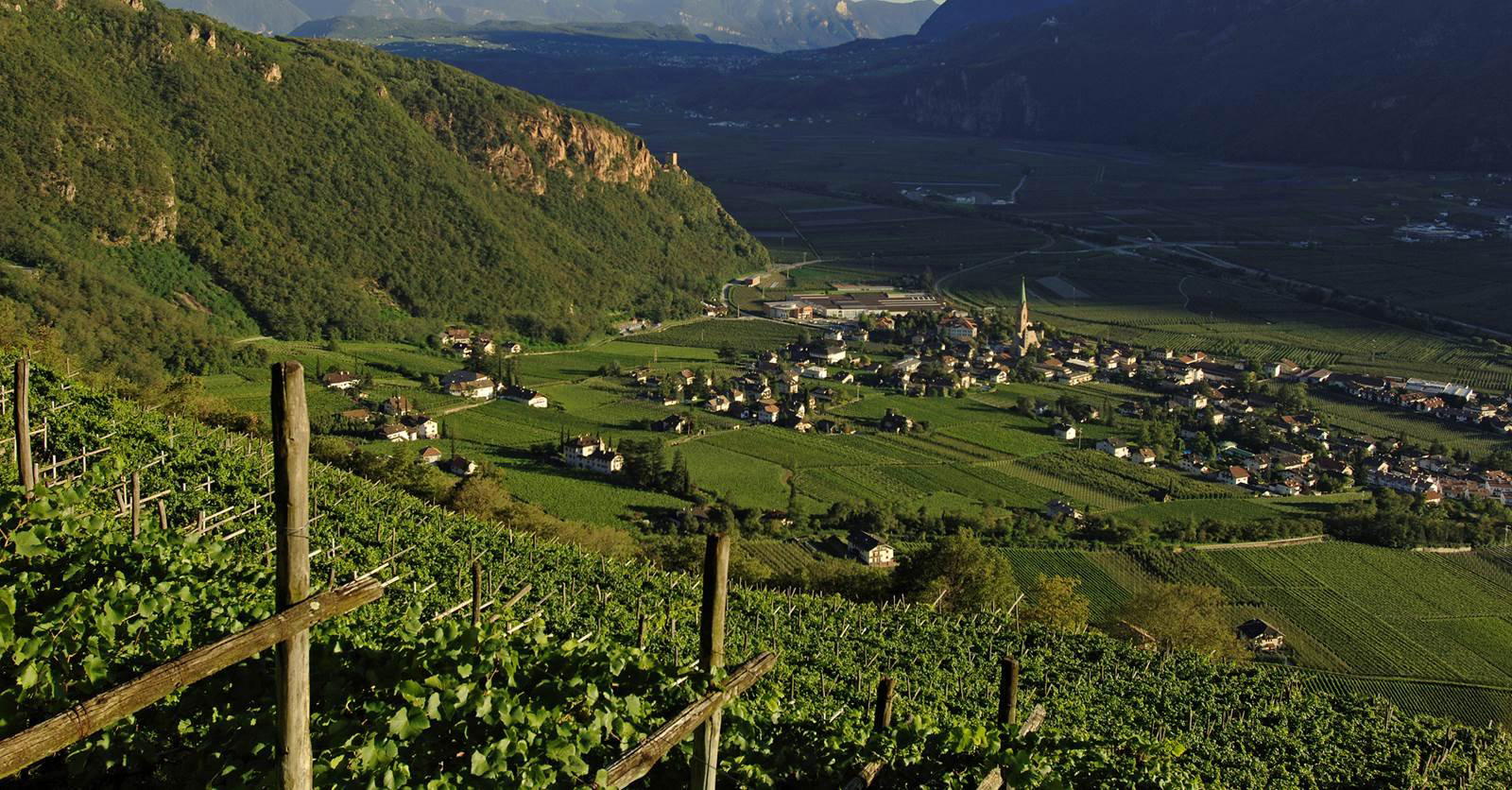
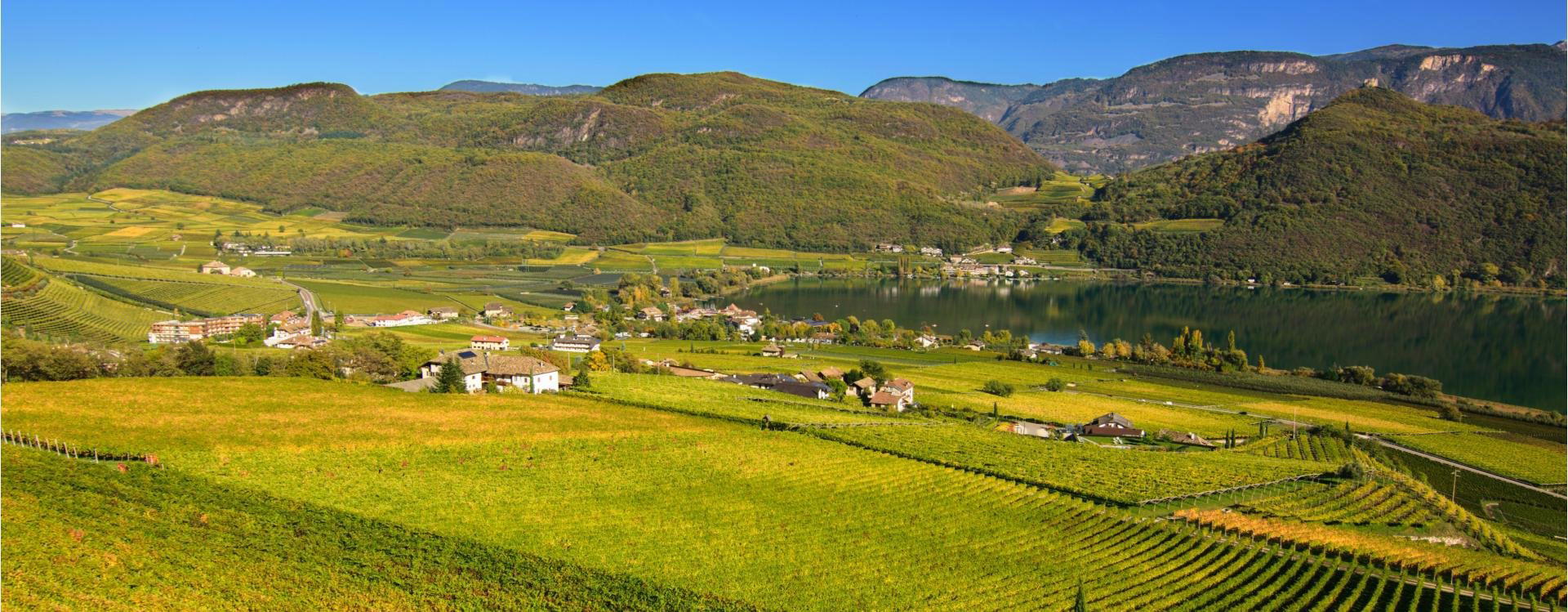
Approaching wine in Terlano means reading the valley before the label. Alto Adige is Italian by map and Alpine by climate, its vineyards shaped by altitude, temperature shifts and a long habit of translating site into structure. Cantina Terlano belongs to that conversation not as a boutique estate narrative, but as a cooperative founded in 1893, in a region where growers have often worked collectively to give small parcels a larger voice.
Alto Adige terroir seen through a cooperative lens
The useful way to understand Cantina Terlano is through the regional model it represents. Cooperative wine in Alto Adige is not a fallback category; it is central to how the region organizes farming, quality control and stylistic consistency across fragmented vineyard holdings. A house founded in the late nineteenth century carries authority different from a recent private-label project: continuity, grower depth and the ability to express place through many hands rather than single-founder mythology.
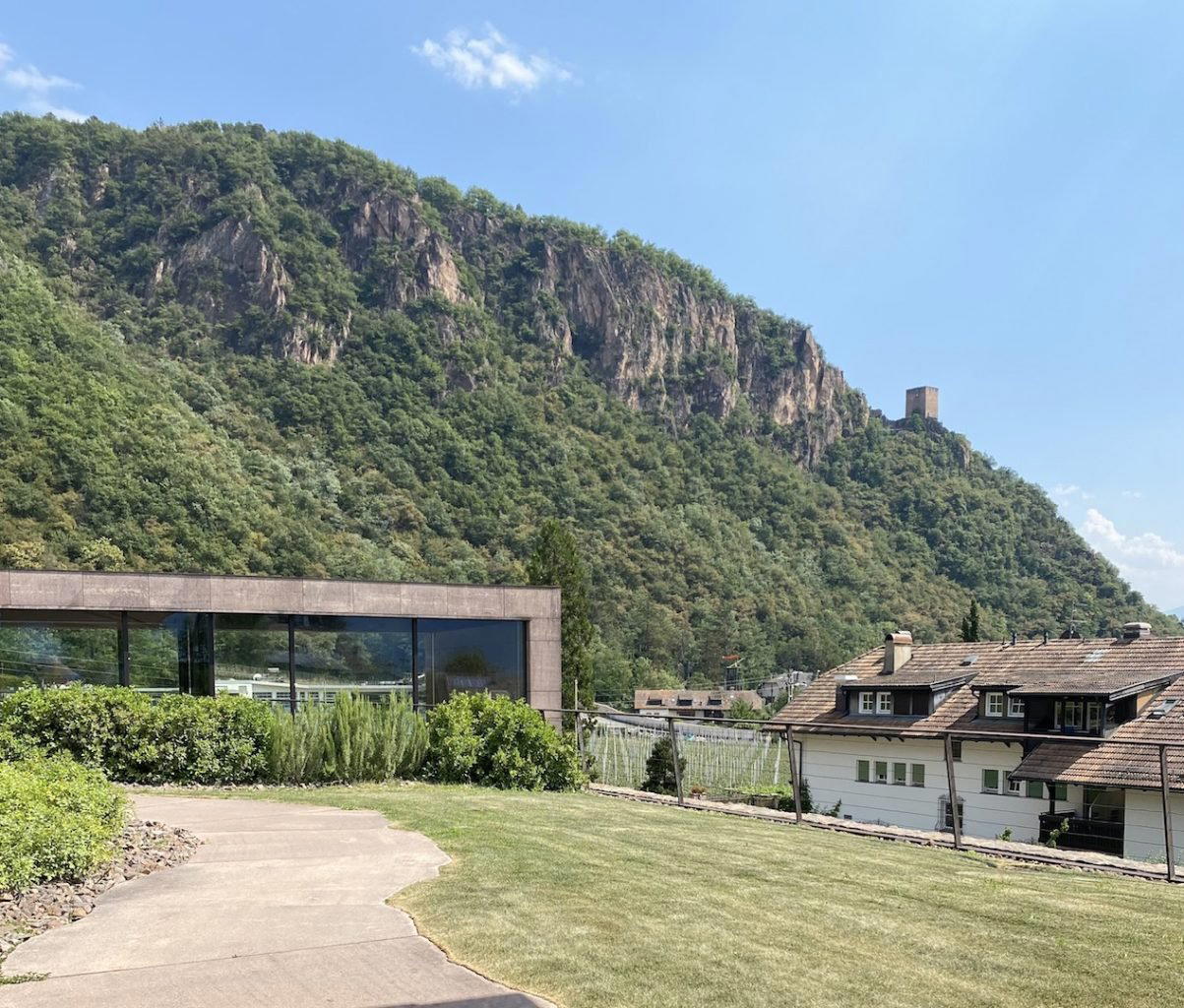
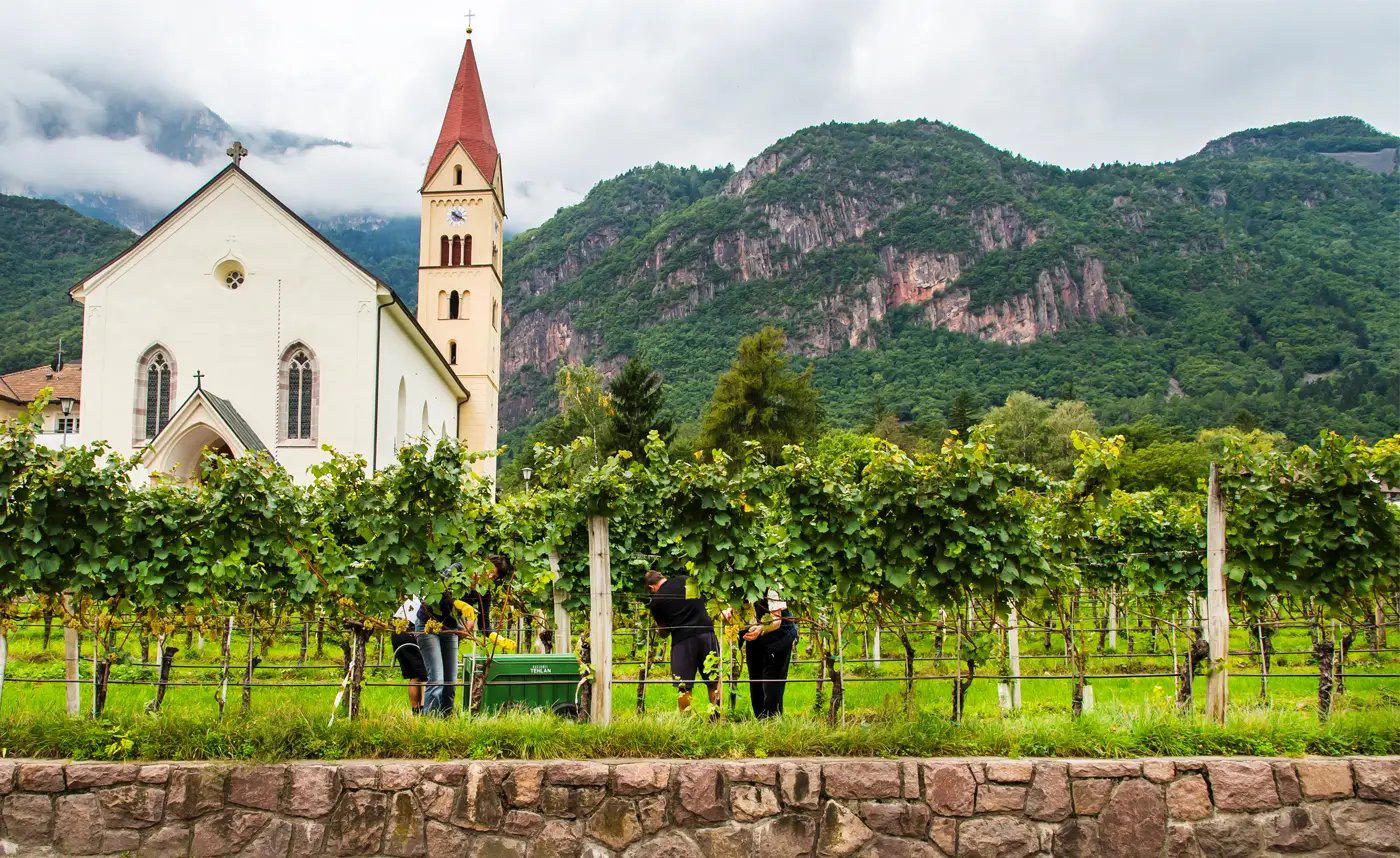
That matters in Terlano, where identity is tied to the tension between mountain freshness and ripeness from sheltered valley sites. The experience works well read agriculturally, not decoratively. Visitors coming for wine should think in terms of soils, exposure and cooperative structure, then place meals, hotels and bars around that anchor. For wider planning, EP Club’s city pages cover Terlano wineries, Terlano restaurants, Terlano hotels, Terlano bars and Terlano experiences.
Why the visit belongs in a serious Alto Adige itinerary
Cantina Terlano’s value is contextual. It compactly explains why Alto Adige’s reputation cannot be reduced to scenery or varietal fashion. The cooperative format links individual growers to a shared regional standard, and the 1893 founding gives the address historical weight in a part of Italy shaped by borderland language, mountain farming and precision rather than rustic romance. For wine-focused routes through northeastern Italy, that combination makes the stop intellectually useful: it frames Terlano as a place where terroir is organized, not merely admired.
Continue exploring