
Calmel & Joseph is a countryside wine estate in Montirat where Languedoc terroir is the main argument: Corbières altitude, garrigue, woods, olives and a working négociant-éleveur model all shape the visit. The draw is not formality, but a low-key estate format that combines organic vineyard work, guided tastings, terrace hospitality and cottage lodging in a rural setting.
Pearl is the En Primeur Club membership app — saves, bookings, and concierge access live there. Same editors, same standards.
- Address
- Montirat, Limoux, Nouvelle-Aquitaine, Frankreich
- Directions
- Get directions
 Saves & bookings on Pearl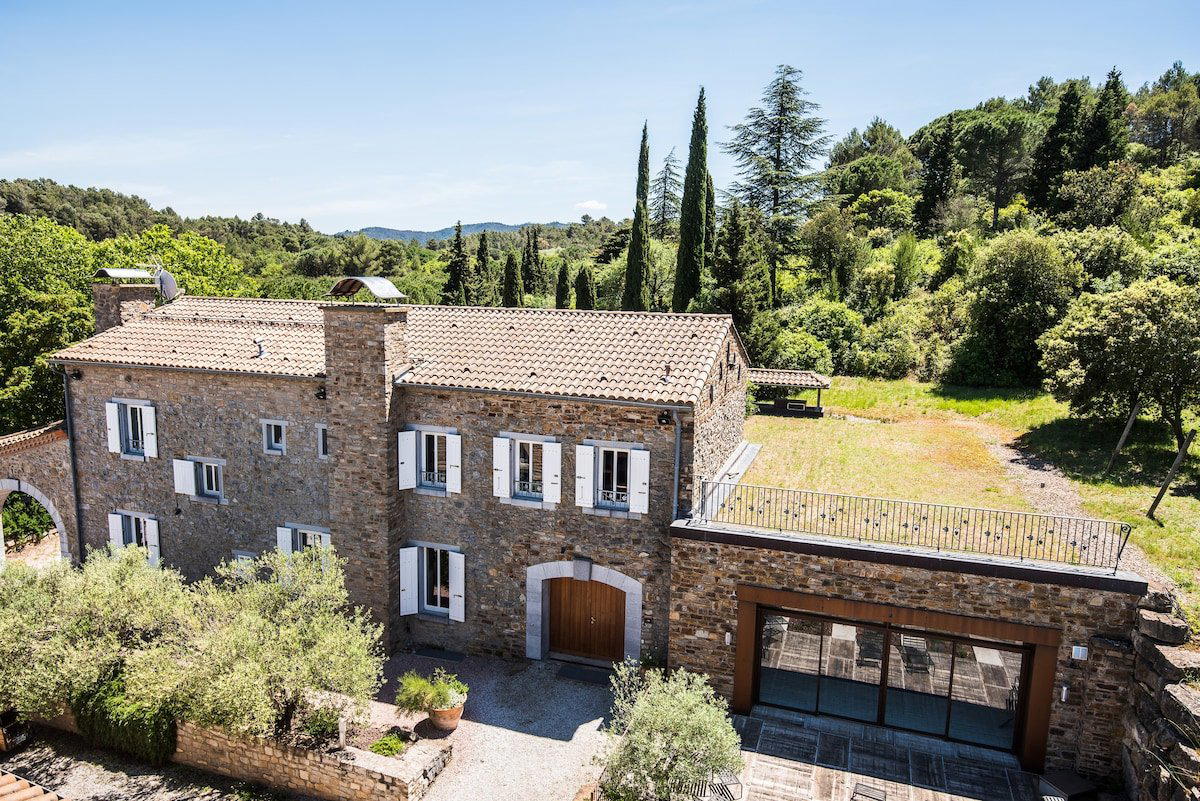
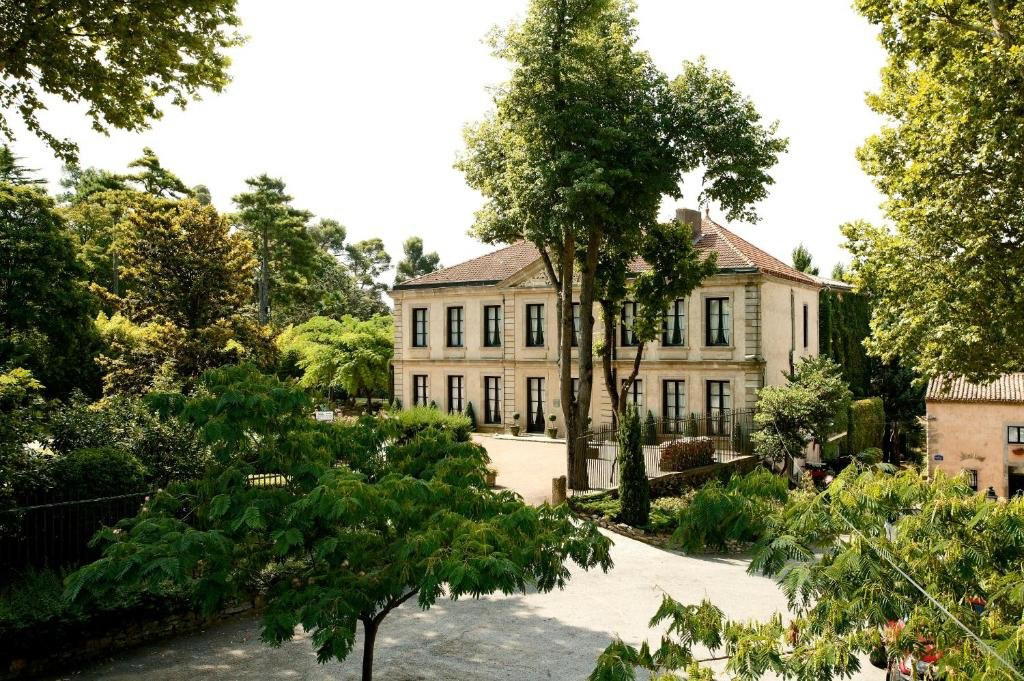
Approach the Languedoc through its inland folds and the wine story changes quickly. The coast’s broad Mediterranean image gives way to limestone, clay, scrubland and cooler upland air, the sort of terrain where garrigue is not a tasting-note cliché but part of the physical setting. Calmel & Joseph sits in Montirat within the Val de Dagne, at the Hautes Corbières foothills, where vines share a 200-hectare estate with woods, olive trees, fields and Mediterranean flora. The setting matters because this is a wine address built around place before polish: quiet estate grounds, former métairie farm buildings, vineyard views and a tourism rhythm closer to rural lodging than showroom tasting room.
For readers mapping the area, start with Our full Montirat wineries guide, then widen the frame through Our full Montirat restaurants guide, Our full Montirat hotels guide, Our full Montirat bars guide and Our full Montirat experiences guide. In this part of southern France, wine tourism often rewards time on the ground: altitude, exposure and vegetation are easier to understand when the cellar visit is tied to the estate rather than separated from it.
Corbières altitude, garrigue and a broad Languedoc lens
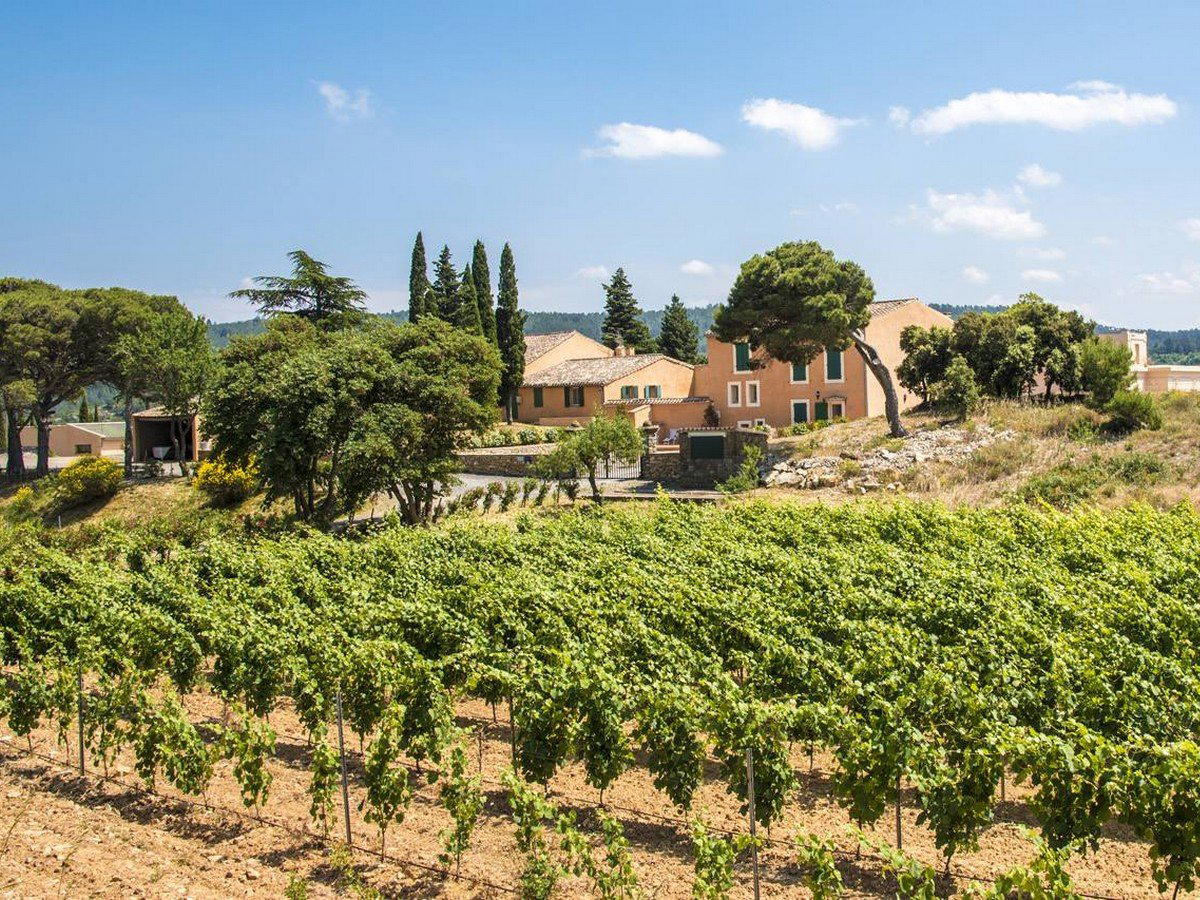
The estate’s most useful context is its position inside Corbières AOC, specifically the Terroir de Serviès in the Val de Dagne. The vineyards sit at 240 to 300 metres, a detail that matters in a warm Mediterranean region because altitude can preserve freshness and slow ripening. Limestone and clay soils provide structure, while the surrounding garrigue and woodland place the vines in a mixed agricultural environment rather than a monocultural plain. That is the central reading of the wines here: Languedoc generosity filtered through a cooler, more continental pocket of the appellation.
Calmel & Joseph also operates beyond the narrow estate-only model. Founded in 1995, it works as both vineyard owner and négociant-éleveur, sourcing across Languedoc-Roussillon while maintaining its own organic vineyard base. The production scale is therefore wider than the Montirat property alone: the portfolio spans roughly 50 wines across still red, white, rosé and sparkling styles, with sweet and fortified categories also part of the broader range. For drinkers who know the region only through bulk-era clichés, that breadth is instructive. It shows how contemporary Languedoc can move between appellation identity, parcel selection and accessible pricing without pretending to be Burgundy or Bordeaux.
The trust signals here are practical rather than trophy-heavy. A Faugères wine has received 90 points from Robert Parker, and the estate has drawn coverage from Falstaff, The Drinks Business, The Buyer and Vinatis. Those references place the producer in the serious Languedoc conversation, but the more revealing evidence is structural: organic farming on the estate vineyard, horse-drawn ploughing practices, work with selected private cellars across the region and an open allocation model that keeps the wines broadly reachable.
The tasting format is relaxed, but the land does the explaining
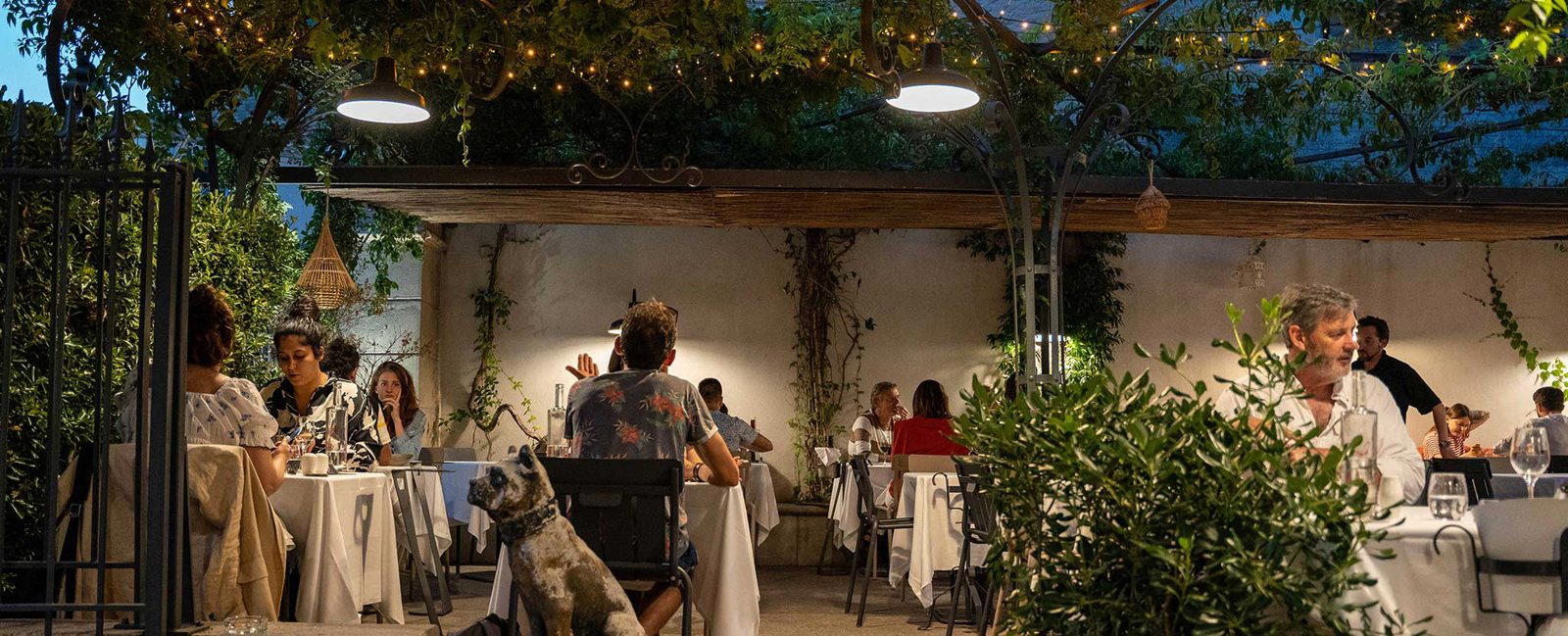
The hospitality format suits the terrain. Tastings can include estate wines alongside bottles drawn from other Languedoc-Roussillon appellations, which makes the visit less about a single house style than about regional comparison by glass. Guided tour-and-tasting formats, terrace tastings and private group tastings are all part of the estate’s offer, with French and English available. The tone is casual and quiet rather than ceremonial, which fits a property where gîtes, vineyard paths, olive trees and former farm buildings share the same visitor circuit.
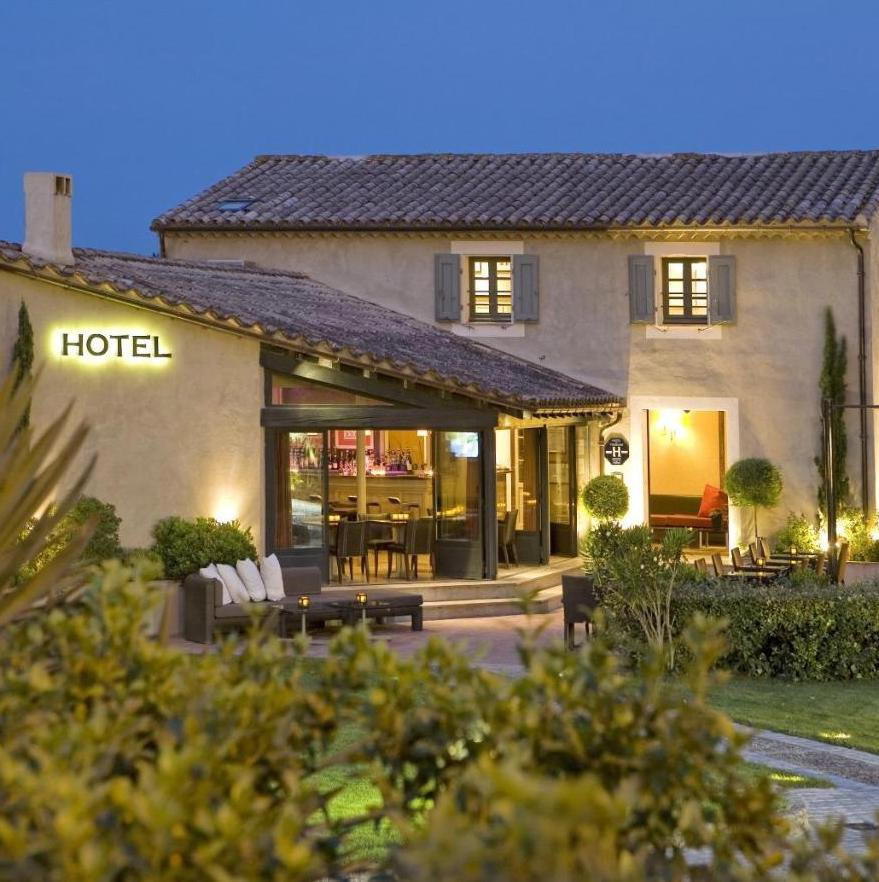
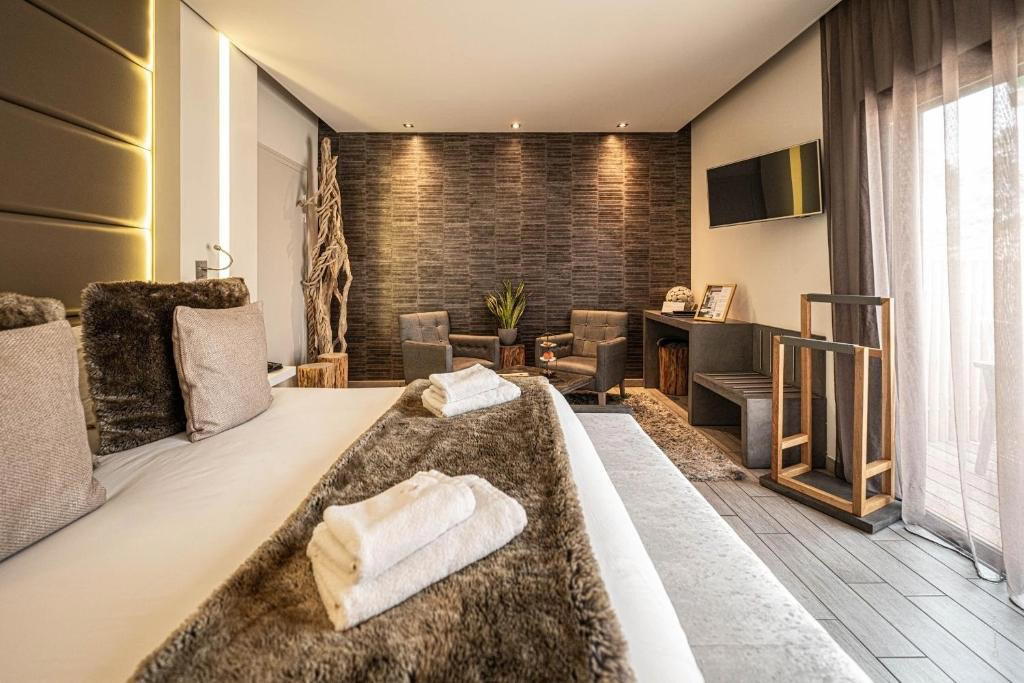
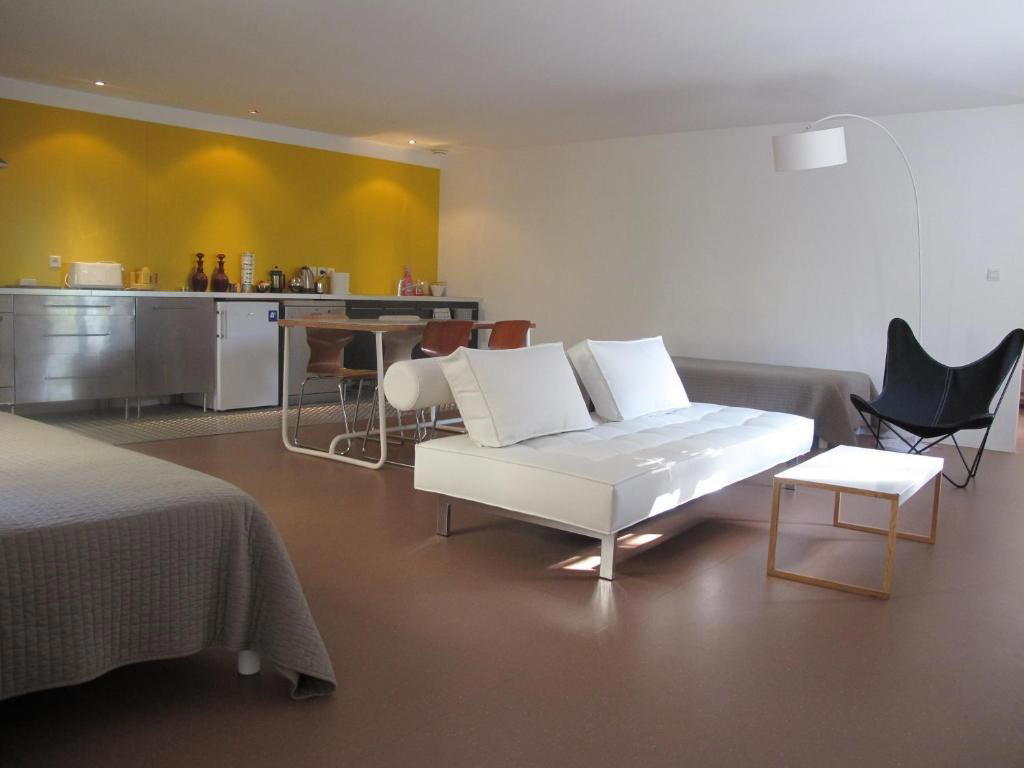
Estate’s tourism side is unusually integrated for a rural wine address. Outdoor seating, terrace service, food pairing options, cottage lodging, an indoor swimming pool, sauna, sun terrace, hiking and cycling access, horse-riding treks and event facilities make it function as a countryside base as much as a tasting stop. That matters for itinerary planning: this is better read as a half-day or overnight wine-country pause than a quick counter tasting in a town centre. The appeal is strongest for travellers who want the cellar, the vineyards and the landscape to remain connected.
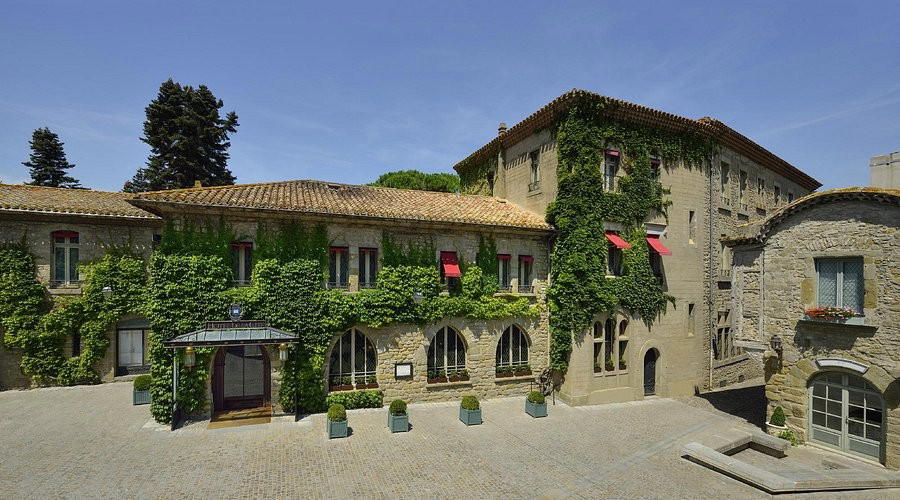
There is also historical depth beneath the modern brand. The property is documented as a Languedoc métairie in the 16th century, with a deed dated July 26, 1577 linking the land to Jehan de Calmès, Lord of Saint Jullia. Before the modern wine project, the farmstead had a broader agricultural role, with cereals, livestock and family-scale viticulture. That background helps explain the estate’s current feel: it is not a polished urban tasting salon transplanted into the countryside, but an agricultural property adapted for contemporary oenotourism.
Where Calmel & Joseph fits in a French wine itinerary
For a wider French wine route, this address sits at the generous, Mediterranean end of the spectrum. It offers a different proposition from grower Champagne houses such as A. Margaine in Villers-Marmery and Agrapart & Fils in Avize, where village identity and sparkling-wine precision dominate the conversation. It also differs from Burgundy-linked references such as Alain Gras in Saint-Romain or Alsace addresses like Albert Boxler in Niedermorschwihr, where site expression is usually discussed through smaller appellation boundaries and narrower varietal frames.
Within southern France, the Languedoc picture is broader and more mixed. Abbaye de Fontfroide in Narbonne, Abbotts & Delaunay in Marseillette and Advini in Saint Felix De Lodez show different ways the region handles heritage, scale and appellation range. Farther afield, Alain Brumont in Castelnau Riviere Basse belongs to another southwestern register altogether, while »der Steiner« Hans Steiner in Podersdorf am See and & Handwein in Mannheim pull the comparison beyond France. Against that map, Calmel & Joseph is useful because it makes the Languedoc’s argument plainly: land, altitude, organic farming and regional range can be more compelling than ceremonial luxury.
The editorial case is strongest for travellers who value terroir literacy over status rituals. Montirat is not the place to chase urban spectacle; it is where a tasting can be tied to garrigue, clay, limestone, vineyard slopes and the slower pace of an estate stay. In a region often discussed in broad strokes, Calmel & Joseph gives the Val de Dagne a specific voice.
Recognition history
Dated appearances from independent guides and award organizations, with the underlying list record or original source where available.
Falstaff Winery - Listed
Falstaff
Continue exploring
More in Montirat
Wineries in Montirat
Browse all →
Bars in Montirat
Browse all →
Restaurants in Montirat
Browse all →
At a Glance
- Scenic
- Rustic
- Romantic
- Cozy
- Classic
- Romantic Getaway
- Group Outing
- Family
- Corporate Event
- Special Occasion
- Wine Education
- Vineyard Tour
- Estate Grounds
- Terrace
- Panoramic View
- Historic Building
- Private Tasting
- Organic
- Sustainable
- Vineyard
- Mountain
- Garden
- Corbières AOC (terroir De Serviès), Val De Dagne, Montirat
- Still Red
- Still White
- Still Rosé
- Sparkling
- Estate Tasting
- Guided Tour And Tasting
- Terrace Tasting
- Private Group Tasting
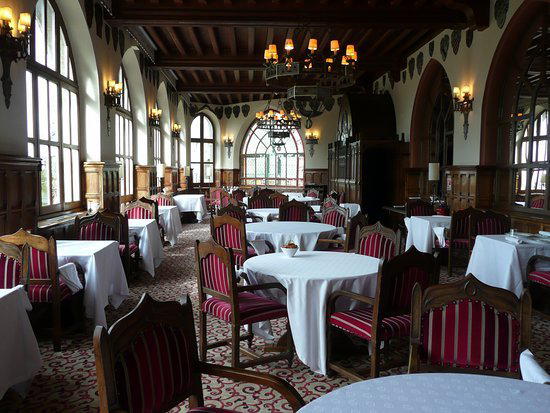
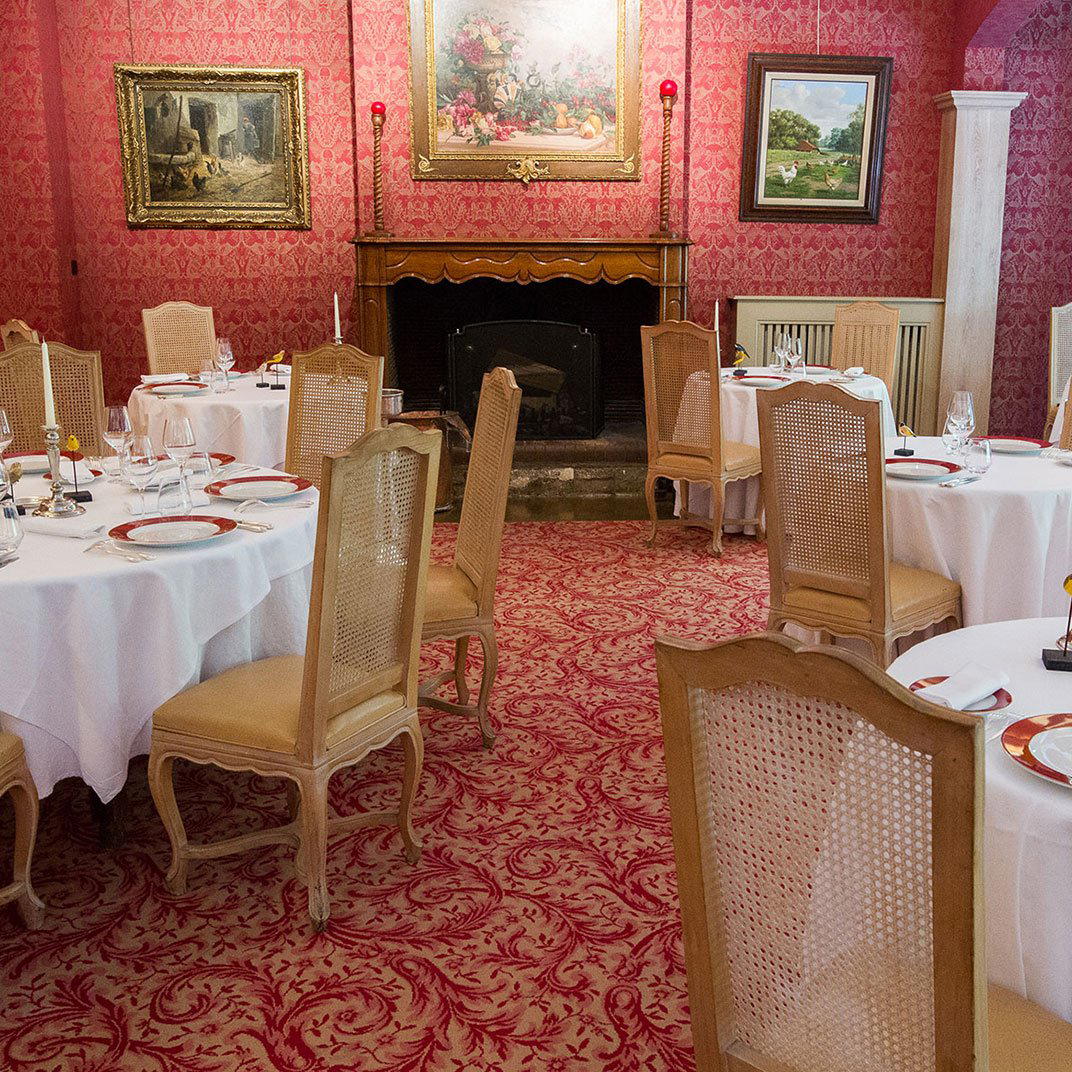
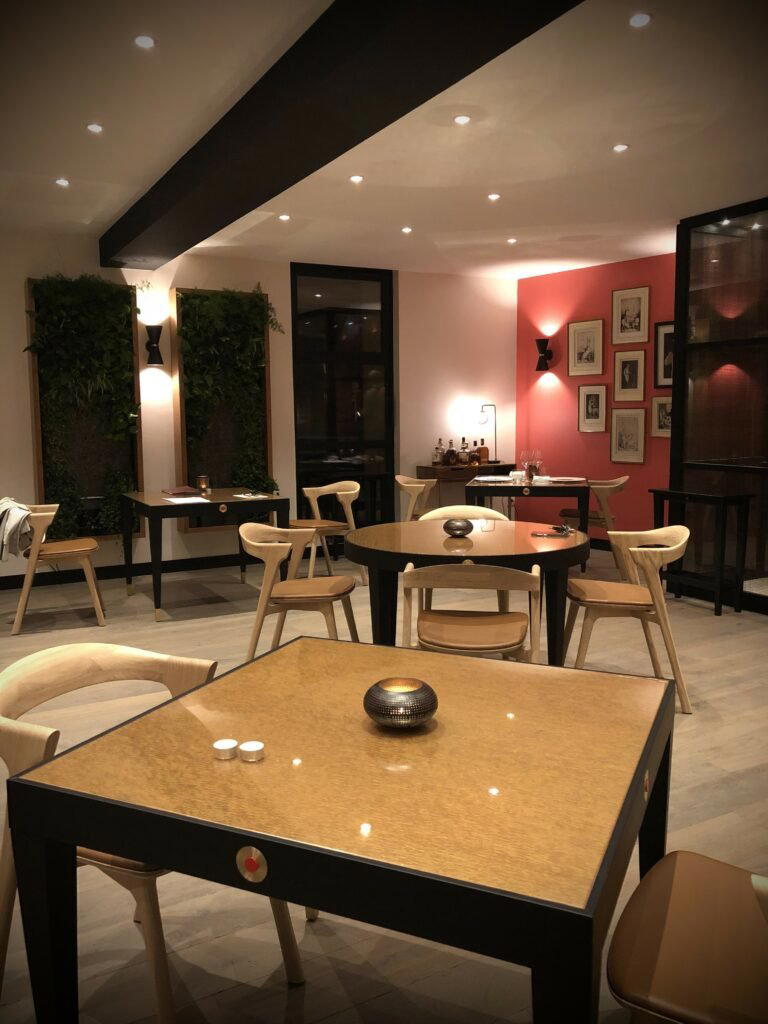
Secluded countryside wine estate with peaceful, nature-immersed atmosphere, combining vineyard, woods and garrigue landscapes with relaxed, low-key wine tourism and cottage lodging, plus lantern-lit terraces in the evening overlooking the vines.