Bouwland

Falstaff Winery - Listed
Bouwland is a Stellenbosch winery shaped by Simonsberg vineyards, red-variety depth, and one of South Africa’s early Black Economic Empowerment wine projects. The draw is not polished spectacle but a grounded estate context: Cabernet Sauvignon, Merlot, Pinotage and other red varieties tied to a 56-hectare vineyard base and ownership rooted in 60 African farmers.
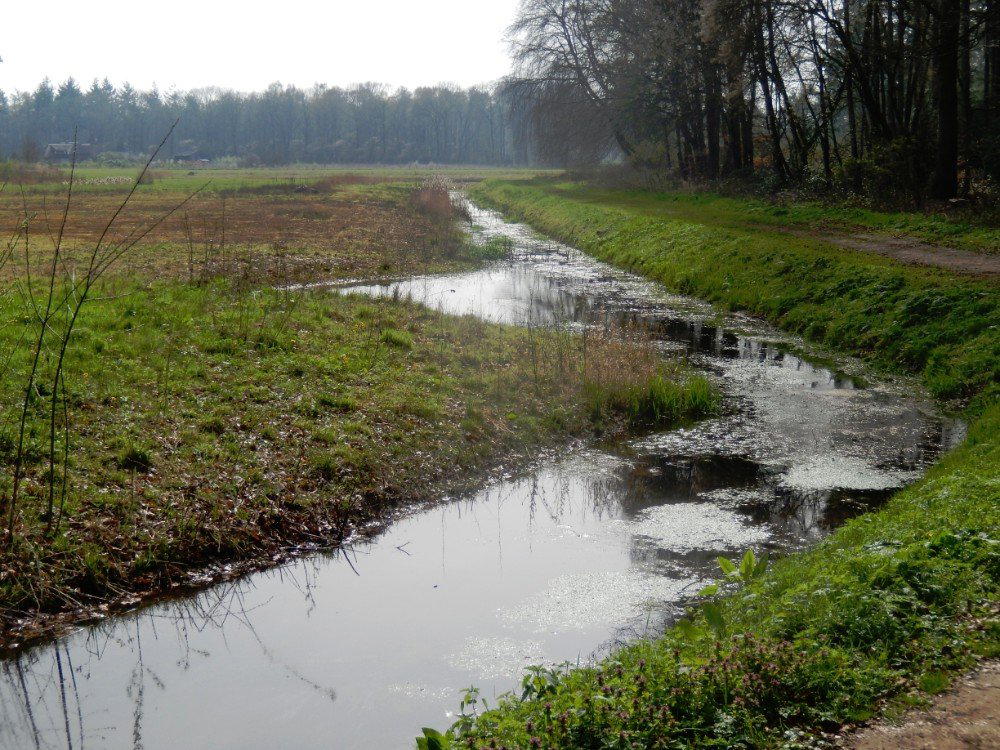
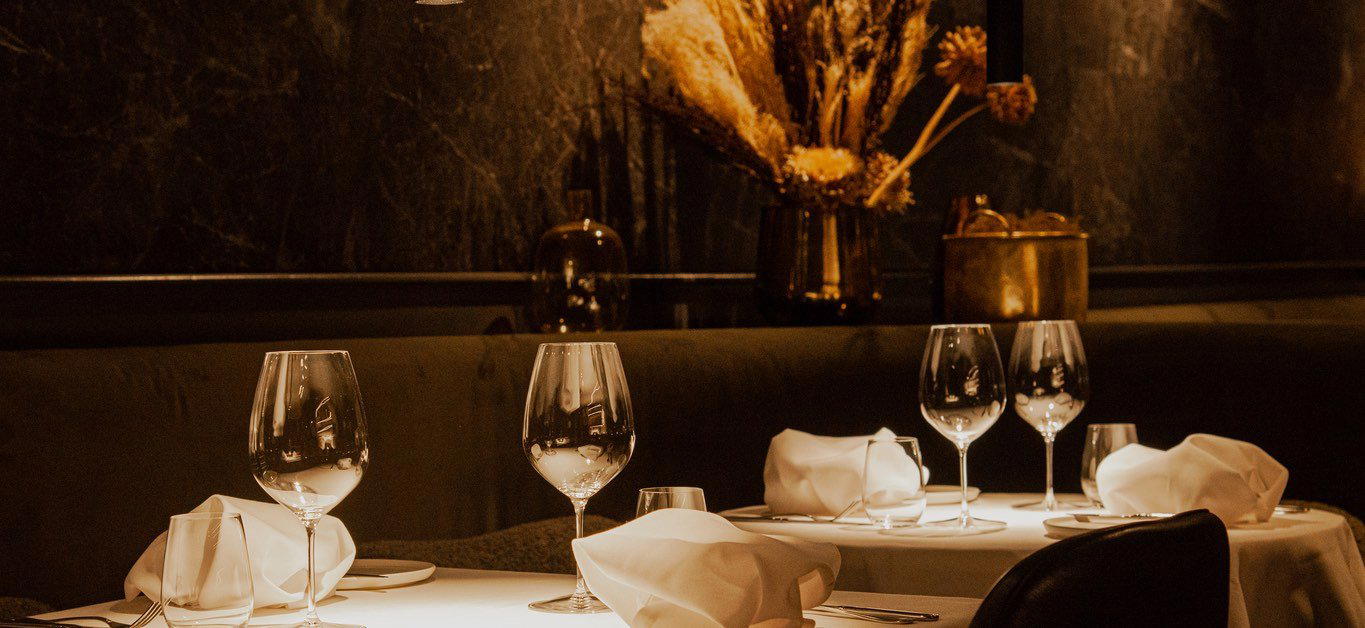
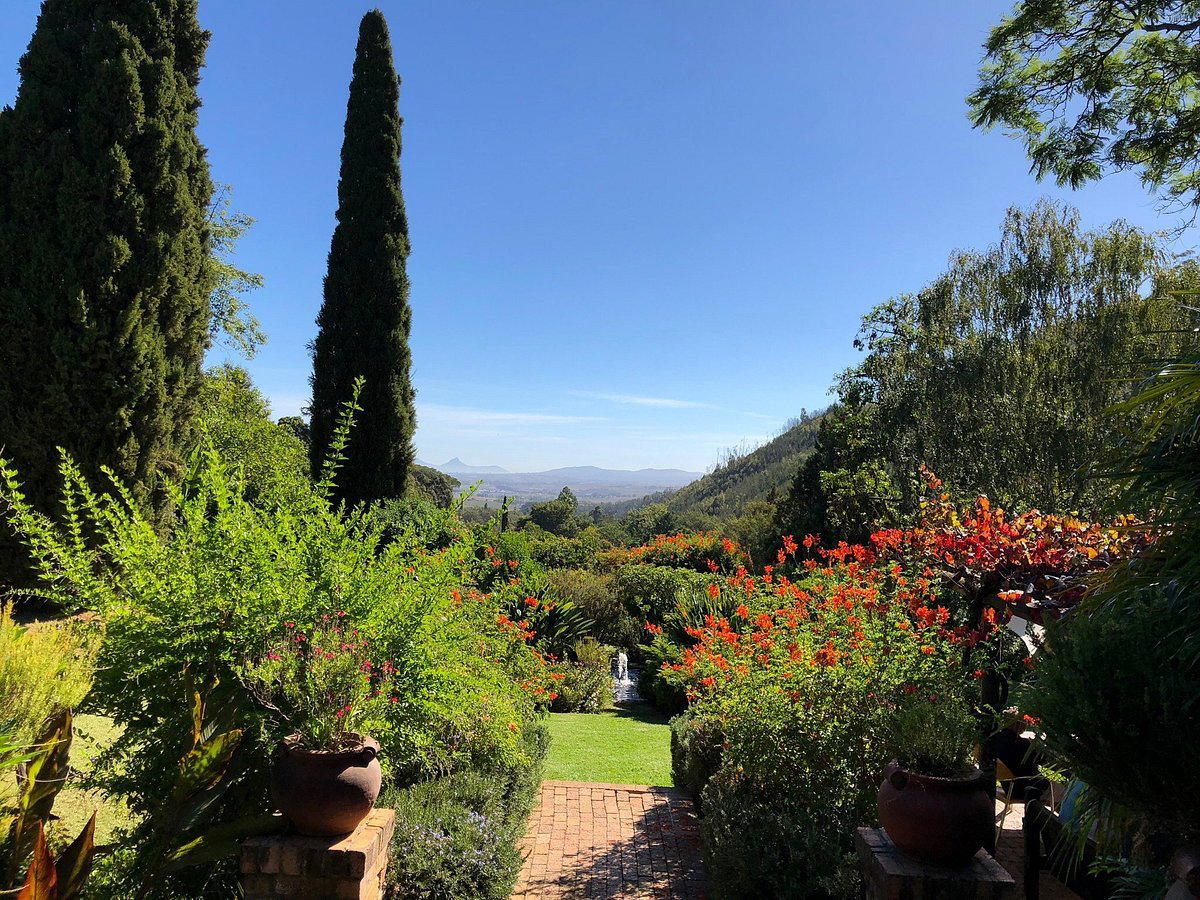
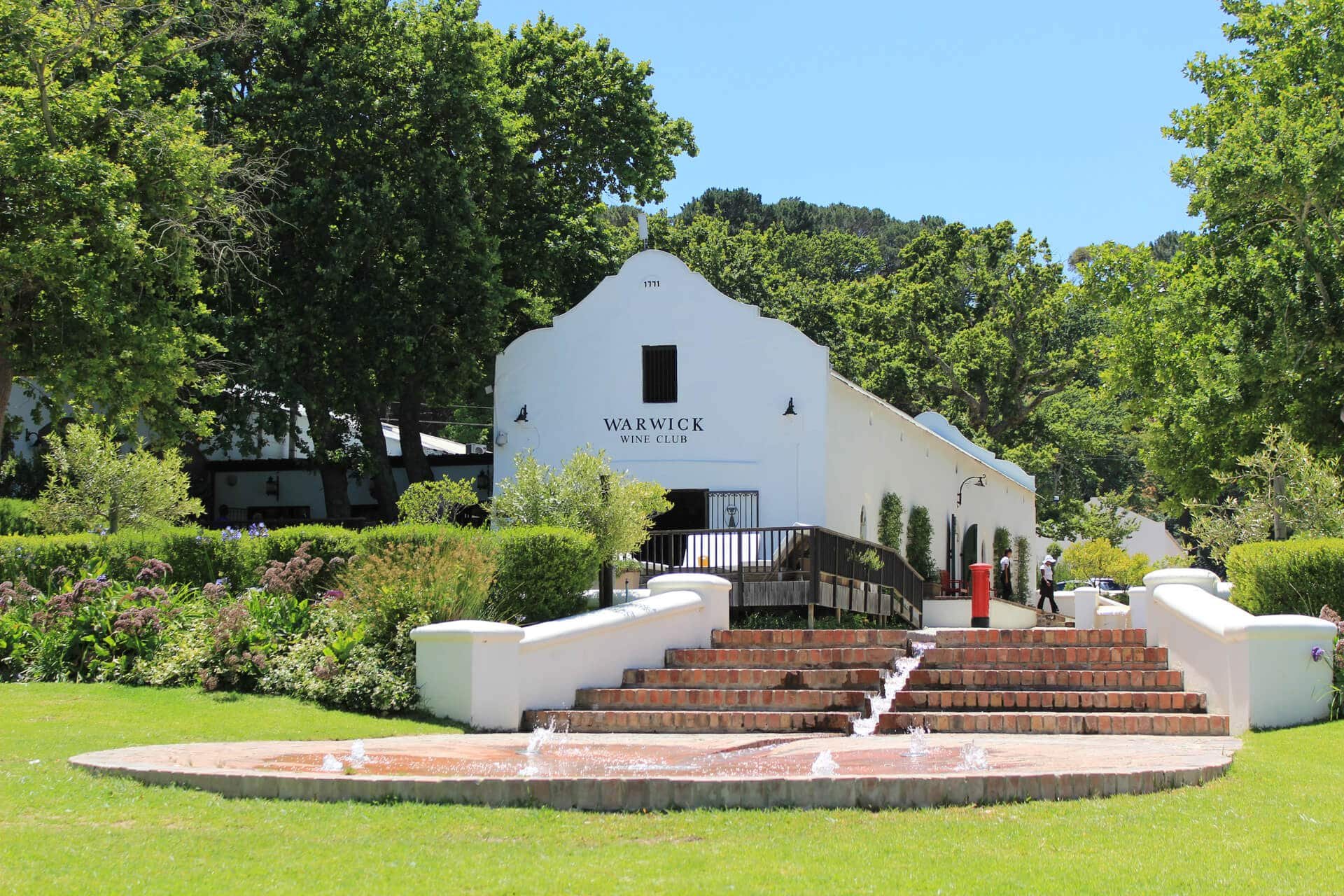
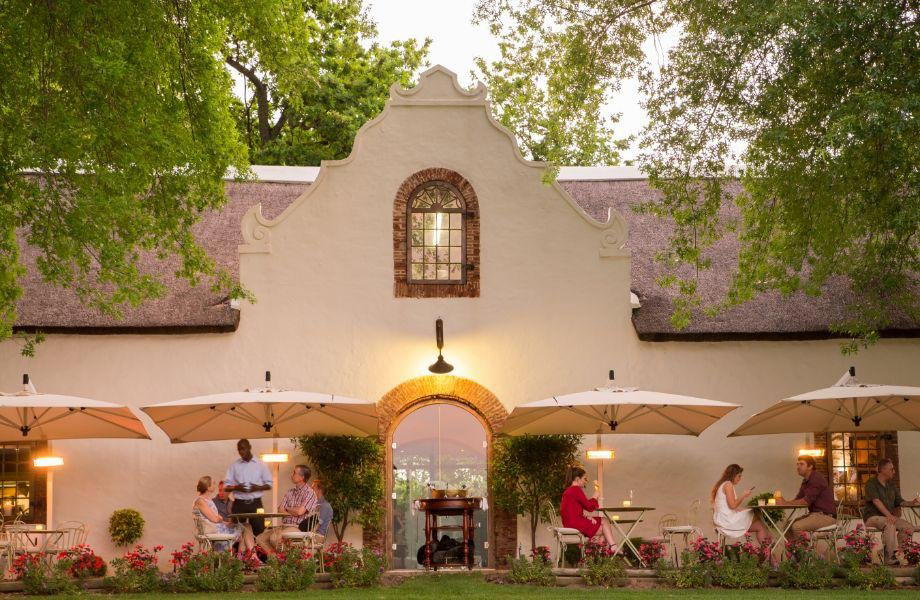
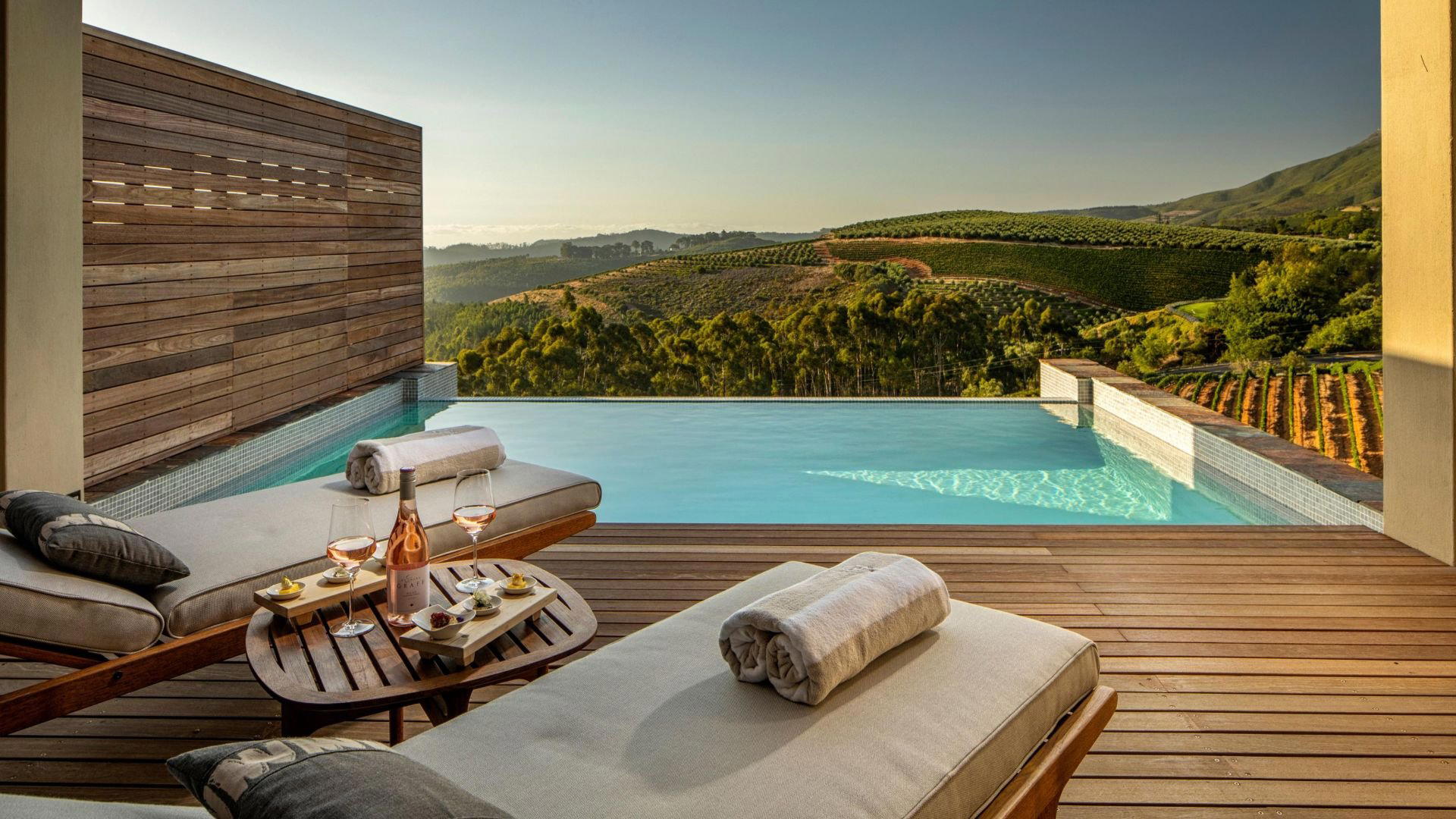
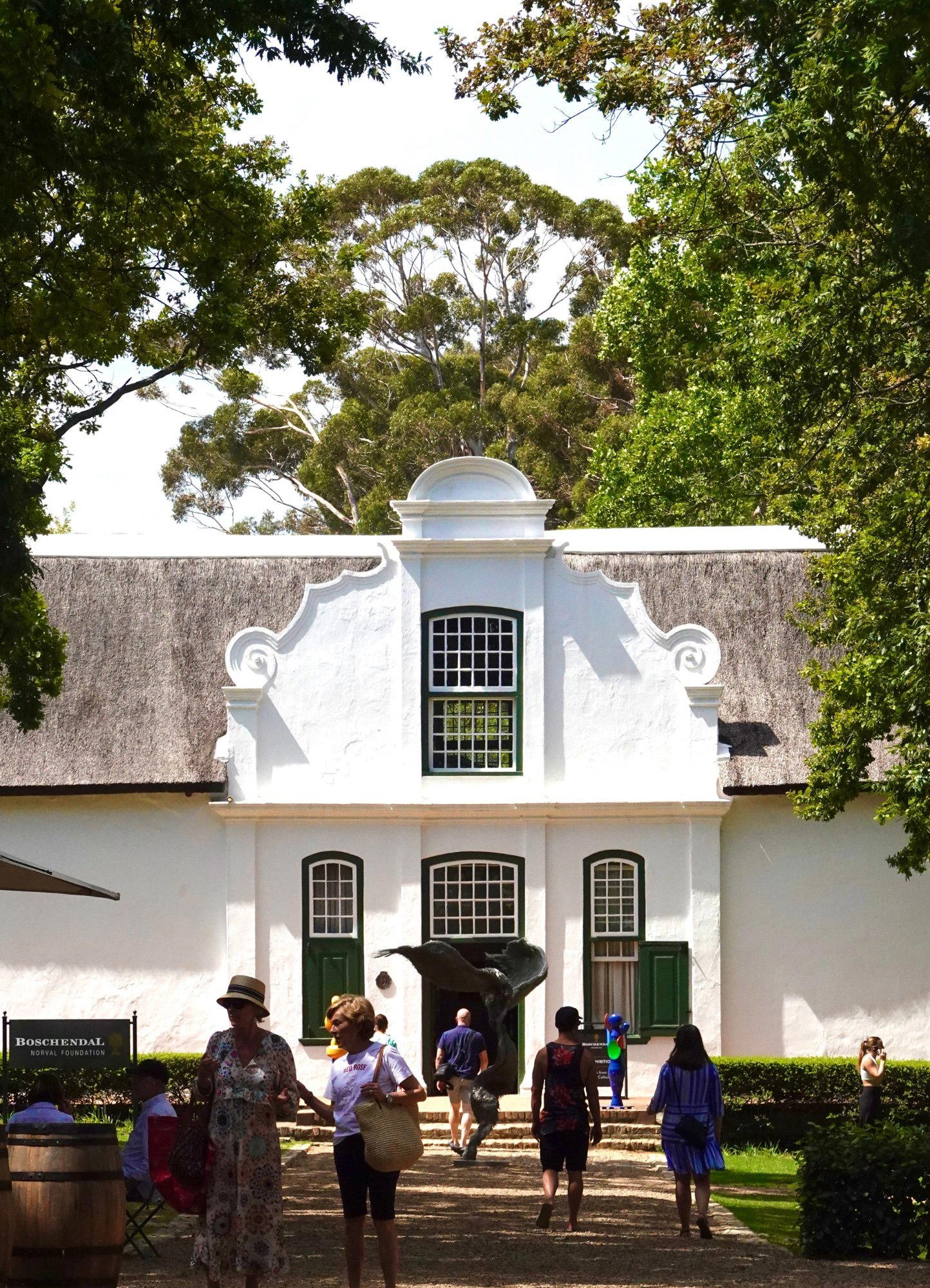
In Stellenbosch, Bouwland sits in the quieter register of wine-country visits: classic, scenic, and rooted in a sense of land rather than spectacle. Its identity is that of a historically rooted, terroir-driven winery with an empowerment-story dimension and a focus on richly textured Stellenbosch reds. That combination matters because it gives the venue a particular kind of presence: not loud, not overly polished for effect, and not dependent on a single headline feature. Instead, Bouwland reads as a place where the landscape, the red-wine emphasis, and the social narrative around ownership and identity are all part of the same frame.
Stellenbosch reds with land and identity in the background
Bouwland belongs in the classic Stellenbosch conversation around red wine, with an emphasis on texture, place, and a more reflective estate character. The most grounded way to understand it is not through claims about specific varieties, cellar details, or visitor formats, but through its broader positioning: a hidden-gem winery whose story links terroir, history, and empowerment. That makes it especially relevant for visitors who are interested in the shape and feeling of Stellenbosch wine culture rather than only the most visible or highly staged stops.
That identity gives the venue a different weight from more performance-driven wine stops. Bouwland is best described as sophisticated but quiet, with the appeal of a producer whose sense of place and social story are central to how the visit should be read. The quietness is part of the appeal: it allows the estate to be approached with attention, and it keeps the focus on the underlying character of the place rather than on a scripted sense of occasion.
The estate’s significance is therefore not simply that it is part of Stellenbosch wine country. It is that its positioning makes the land, the red-wine focus, and the empowerment-story identity part of the same conversation. In a region where many wineries can be understood through scenery, hospitality, or prestige, Bouwland’s editorial value lies in the way those elements are held back and the more grounded themes are allowed to lead.
What the tasting context tells you about the estate
What can be said is that Bouwland’s tone is classic, scenic, quiet, and sophisticated, making it a natural fit for visitors who want a calmer Stellenbosch wine stop with more emphasis on context than flash. The tasting context, as it can be described here, points toward restraint rather than display. It suggests a visit that is less about chasing novelty and more about placing the wines inside a broader understanding of land, history, and identity.
Price positioning is listed as $$, placing Bouwland in a moderate bracket rather than a luxury-only frame. For travellers planning a Stellenbosch day, its appeal is the contrast between a grounded red-wine identity and the broader range of more polished or more commercial wine-country experiences nearby. That moderate positioning also helps define the venue’s role: it is not being framed as an exclusive splurge, but as a considered stop with enough character to justify being chosen deliberately.
Within an itinerary, the practical reason to consider Bouwland is clarity of theme. That clarity is useful when building a day in the winelands, because it prevents the stop from becoming interchangeable with any other scenic estate. Bouwland has a reason to be there: it represents a quieter, more land-conscious reading of Stellenbosch.
How to place Bouwland in a Cape wine itinerary
The stronger itinerary logic is thematic rather than trophy-driven. Stellenbosch has many wine-country experiences, but Bouwland is most useful for understanding a quieter version of the region: historically rooted, land-conscious, and focused on richly textured reds. It works well when the day is not only about moving between beautiful settings, but about noticing the different ways estates express their relationship to place.
Compare it generically with other Stellenbosch dining and wine-country stops if you want contrast, but keep Bouwland’s own role distinct. It is not being presented here through awards, exact production details, or a named winemaking programme; it is best framed through its identity as a classic, scenic, hidden-gem winery in Stellenbosch. That restraint is important. The point is not to inflate the venue with claims that are not part of the public record, but to read the existing facts carefully and give them proper weight.
The editorial case for Bouwland is strongest when the visit is treated as terroir with a social dimension. Come for a Stellenbosch red-wine frame; pay attention to the historically rooted empowerment story that sits underneath it. In that sense, Bouwland is most rewarding when approached slowly and contextually, as a place where the wine-country landscape is not just a backdrop but part of the meaning of the stop.
Frequently asked questions
How would you describe the overall feel of Bouwland?
Bouwland feels quiet, classic, scenic, and rooted in place, with a historically informed Stellenbosch winery identity. It is best understood as a sophisticated with a terroir-driven red-wine focus.
What's the price range for Bouwland?
Pricing at Bouwland is listed as $$.
What part of town is Bouwland in?
Bouwland is in Stellenbosch.
What is Bouwland known for?
Bouwland is known as a historically rooted, terroir-driven Stellenbosch winery with an empowerment-story identity and a focus on richly textured reds.
Should I book Bouwland in advance?
Check directly with Bouwland before planning a timed visit.
What's the best use case for Bouwland?
Bouwland works best for visitors seeking a quieter, more contextual Stellenbosch wine stop focused on terroir, red wines, and an empowerment-story identity rather than a high-gloss hospitality experience.
Recognition history
Dated appearances from independent guides and award organizations, with the underlying list record or original source where available.
Falstaff Winery - Listed
Falstaff
Request a visit to Bouwland
Tell us when you would like to go and how many people, and we put the request to the estate and reply to you by email.
Continue exploring
More in Stellenbosch
Wineries in Stellenbosch
All wineries in Stellenbosch →
Bars in Stellenbosch
All bars in Stellenbosch →
Details
- Classic
- Scenic
- Quiet
- Sophisticated
- Special Occasion
- Corporate Event
- Group Outing
- Wine Education
- Historic Building
- Estate Grounds
- Private Tasting
- Sustainable
- Mountain
- Vineyard
- Cabernet Sauvignon
- Merlot
- Pinotage
- Cabernet Franc
- Shiraz
- Still Red
- Still White
- Guided Tasting
- Private Tasting
A historically rooted, terroir-driven winery with an empowerment-story identity and a focus on richly textured Stellenbosch reds.