
A small Glera-focused estate in Caneva, Borgo San Gabriele reads as agricultural Friuli rather than polished wine-tourism theatre. Its Prosecco DOC identity is built around Caneva hill fruit, a Brut Millesimato expression, and a quiet rural setting where vineyard context matters as much as the glass.
Pearl is the En Primeur Club membership app — saves, bookings, and concierge access live there. Same editors, same standards.
- Address
- Caneva, Friuli-Venezia Giulia, Italien
 Saves & bookings on Pearl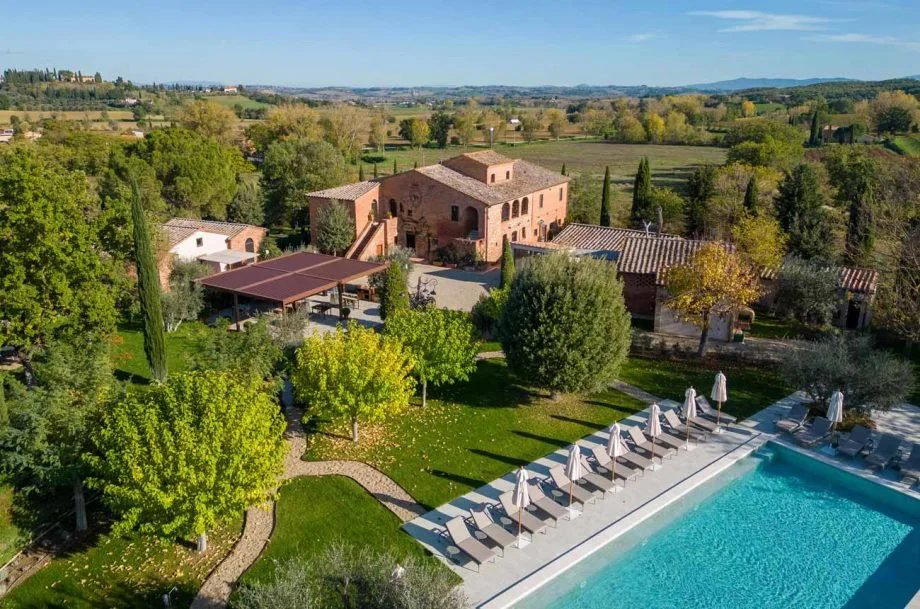
Wine in the Caneva hills is not about monumental cellars or choreographed hospitality. For Borgo San Gabriele, the picture is quieter and more agricultural: a small independent grower in the hills of Caneva, focused on cultivating Glera for Prosecco, with a traditional rural feel rather than the atmosphere of a polished visitor center. The appeal is not built on confirmed awards, scores, famous hospitality design, or a long list of public-facing amenities. It is built on a simpler identity: Caneva hill agriculture, Glera, and a rustic setting.
That distinction matters because Prosecco is often discussed as a broad category rather than as the work of individual growers. Borgo San Gabriele should be understood in that smaller register. What can be said with confidence is that it is a small, independent grower in Caneva’s hills, with a quiet and scenic character, and with its agricultural work centered on Glera for Prosecco.
Caneva hill Glera, read through a Prosecco lens
Glera is the defining grape behind Prosecco, and Borgo San Gabriele’s identity is tied to cultivating it in the Caneva hills. That is the useful lens for understanding the venue. Rather than presenting it as a large, highly staged winery, the available facts point toward a grower-scale operation where the land and crop matter more than hospitality spectacle.
The profile is intentionally modest. It does not confirm detailed vineyard statistics, cellar techniques, a specific vintage wine, a named cuvée, residual sugar, alcohol percentage, tasting notes, production volume, or awards. Those details should not be assumed. For travelers and wine readers, the safer and more useful framing is that winery represents a small agricultural expression of Prosecco-related Glera growing in Caneva, not a data-heavy estate profile with publicly technical specifications.
This makes the estate interesting in a different way. Its value lies in context: the Caneva hills, the cultivation of Glera, and a traditional rural feel. If you are looking for lavish visitor infrastructure or a confirmed prestige winery itinerary, the available facts do not establish the winery in that way. If you are interested in a quieter, more hidden-gem view of Prosecco country, the description supports that interpretation.
A small-estate experience, not a visitor-center production
The winery is best described as rustic, quiet, scenic, and agricultural. The description specifically contrasts it with a polished visitor-center experience, so expectations should be calibrated accordingly. This is not the place to project a glossy hospitality model, a large tasting-room operation, or a scripted luxury-winery format unless those details are confirmed directly before visiting.
That restraint is important. The available information does not verify lunch service, a restaurant, a bar program, guided tours, take-out, delivery, seating capacity, dietary accommodations, or a specific appointment policy. It also does not verify a chef, owner, ranking, score, or award history. A fact-checked guide should therefore avoid turning a quiet grower profile into a more elaborate destination claim. The honest recommendation is narrower: consider the winery for its rural Caneva setting and its focus on Glera for Prosecco.
Travelers should treat the $$ marker as a broad planning cue, not as a detailed price list.
The strongest reason to pay attention is the atmosphere. “Rustic,” “quiet,” “scenic,” and “” are the grounded descriptors. They suggest a venue for people who prefer understated rural character over a highly produced hospitality environment. That can be especially appealing in a wine region where visitors may otherwise encounter more commercialized versions of the Prosecco story.
How to place it within a Caneva wine day
Caneva rewards a slower itinerary, and the winery fits that pace. The facts support a visit concept built around landscape and agriculture rather than around a dense schedule of confirmed services. Plan around the idea of a small grower in the hills, and confirm any practical details directly before making the trip.
The absence of confirmed awards or scores also clarifies the decision. The winery should not be presented as a trophy stop or a ranked destination. Its trust signals are more modest: Caneva, Glera for Prosecco, a small independent grower profile, and a traditional agricultural feel. That is enough for a focused recommendation, but not enough to invent technical winemaking claims, visitor services, or prestige credentials.
For planning around the city, EP Club’s Caneva coverage can be used generically for meals, hotels, bars, and other experiences around a wine day. Other dining in Caneva can round out the itinerary, but the winery itself is best understood through its role as a quiet grower in the Caneva hills. Broader winery browsing should be treated separately from the specific facts of this venue, since the confirmed profile here is intentionally narrow.
Recognition history
Dated appearances from independent guides and award organizations, with the underlying list record or original source where available.
Falstaff Winery - Listed
Falstaff
Continue exploring
More in Caneva
Restaurants in Caneva
Browse all →
At a Glance
- Rustic
- Quiet
- Scenic
- Vineyard
- Mountain
- Prosecco DOC
- Glera
- Sparkling
Small independent grower in the Caneva hills focused on cultivating Glera for Prosecco, with a traditional agricultural feel rather than a polished visitor center experience.