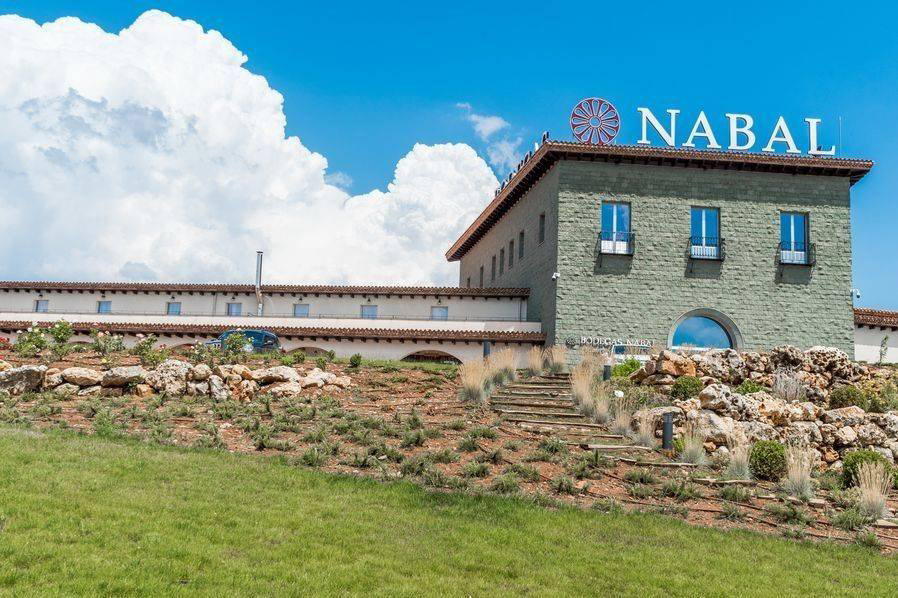
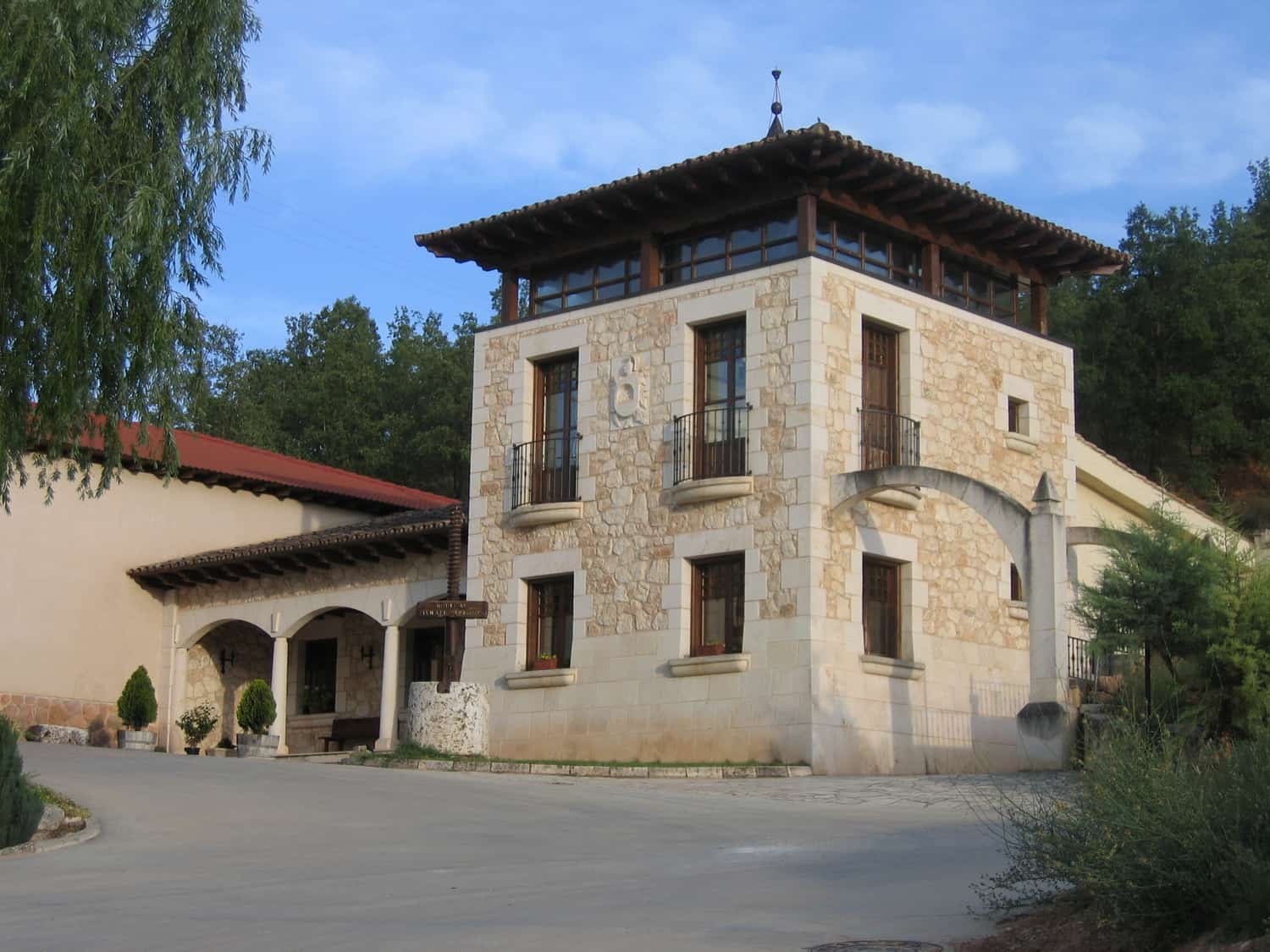
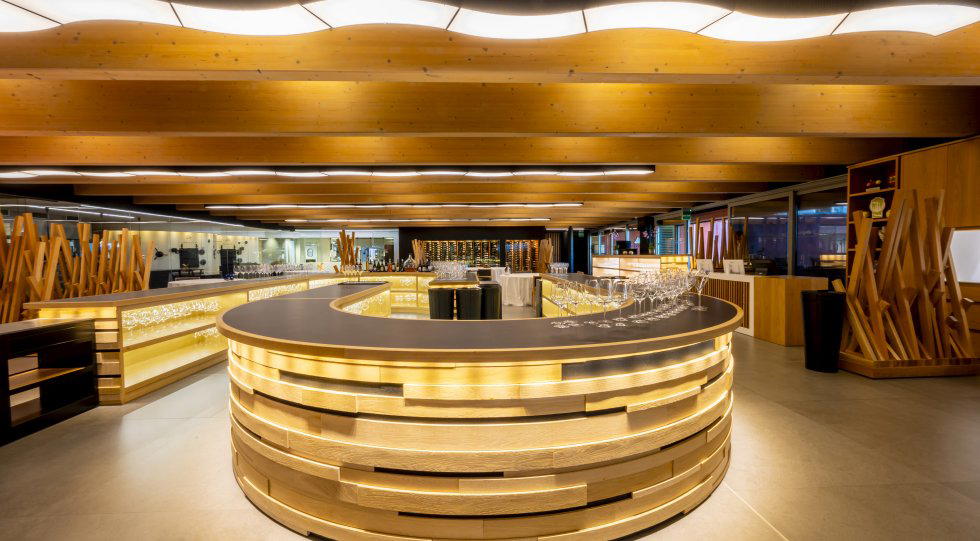
Bodegas Valle De Monzón, S.L.

Falstaff Winery - 2 Stars
Bodegas Valle De Monzón, S.L. is a small Ribera del Duero producer in Quintana Del Pidio, shaped by high-altitude vineyards, old Tempranillo plantings, and the region’s long ripening window. The interest here is terroir rather than spectacle: rosado, roble, reserva and gran reserva styles show how altitude, vine age and D.O. discipline frame the wines.

Pearl is the En Primeur Club membership app — saves, bookings, and concierge access live there. Same editors, same standards.
- Address
- Quintana del Pidio, Ribera del Duero, Castilla y León, Spanien
- Directions
- Get directions
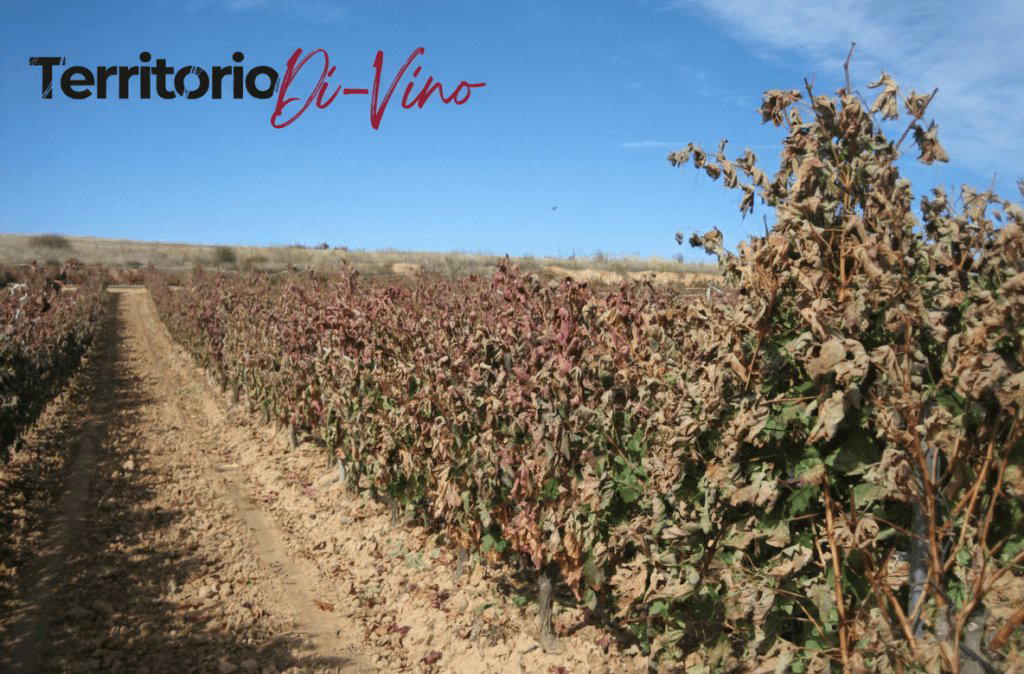
Approaching wine in Quintana Del Pidio means reading the land before the label. This part of Ribera del Duero is not a soft-focus cellar-door fantasy; it is high, continental Castilla y León, where altitude, temperature swing and old vine material do much of the serious work. Bodegas Valle De Monzón, S.L. belongs to that context: a small producer whose strongest argument is not hospitality theatre, but the way Ribera del Duero structure is filtered through old Tempranillo, Albillo and a slower growing season.
High-altitude Ribera, old vines and a longer ripening clock
Ribera del Duero’s identity is often reduced to muscular reds, but the more useful reading starts with climate. Around Quintana Del Pidio, vineyard elevation is cited between 720 and 1,000 metres, and that height matters. Cooler nights stretch ripening, preserve acidity and keep Tempranillo from becoming a blunt instrument. The region’s veraison-to-harvest window is described at 50 to 60 days, longer than the 40-day rhythm often quoted for many wine regions, giving fruit more time to build structure without losing its line.
The winery was founded in 1993, and its current estate picture is built around roughly 35 hectares: about 30 hectares of old vines and 5 hectares of younger plantings. That ratio tells a serious reader more than a tasting-room adjective ever could. Old vines tend to produce lower yields and more concentrated fruit; younger parcels can bring freshness and lift. In a region where Tempranillo, locally aligned with Tinto Fino, carries much of the burden, that mix gives the portfolio room to move between rosado, roble, reserva and longer-aged red wine.
The D.O. framework is also part of the story. Ribera del Duero bottles carry a numbered back label issued under the appellation’s control system, a practical trust signal in a region where origin, ageing category and grape identity are central to the buying decision. For travellers, that means the visit is less about chasing novelty and more about seeing how a regulated Spanish appellation translates altitude and vine age into cellar categories.
Rosado is not a side note here
Most instructive wine in the range may be the Hoyo de la Vega Rosado, not because rosado is fashionable, but because its composition explains the site. It is made from 60% Tempranillo and 40% Albillo, drawn from 40-year-old vines at 900 metres. That combination places white grape lift inside a red-grape region, and it points to an older Castilian habit of treating field, climate and blend as a connected system rather than a branding exercise.
2025 Hoyo de la Vega Rosado is rated “Muy Buena,” and the Gromejón Reserva carries a 4.3 Vivino rating. Those are not substitutes for formal critical canon, but they are useful public signals for a producer operating outside the headline-chasing tier. More important is the ageing discipline behind the red wines: Reserva is described at 36 months, including at least 12 months in barrel, while Gran Reserva reaches a minimum 60 months between barrel and bottle, also with at least 12 months in barrel. In Ribera del Duero, time is not decoration; it is part of how tannin, oak and fruit are made legible.
Technology plays a supporting role rather than becoming the headline. Apricus and Apricus Sensus systems are used for fermentation monitoring and control, which fits a broader pattern in Spanish wineries that retain traditional appellation categories while tightening cellar precision. The result is not a rejection of old practice, but a cleaner way to manage it.
How to place it within a Quintana Del Pidio wine itinerary
Quintana Del Pidio rewards travellers who think in clusters. The village sits inside a historic wine-growing zone, and the better plan is to treat a cellar visit as one stop in a compact Ribera del Duero day rather than as a standalone attraction. Bodegas Valle De Monzón, S.L. suits visitors who want a quieter, small-capacity encounter with the mechanics of appellation wine: old vines, altitude, ageing rules and a portfolio that does not ignore rosado.
For broader local planning, EP Club’s city guides keep the categories separate: Our full Quintana Del Pidio wineries guide, Our full Quintana Del Pidio restaurants guide, Our full Quintana Del Pidio hotels guide, Our full Quintana Del Pidio bars guide and Our full Quintana Del Pidio experiences guide are the useful starting points. Nearby winery research can also include Bodegas J.A. Calco Casajús and Cillar de Silos, while wider Spanish and European cellar browsing might take in 3 Ases Bodegas y Viñedos in Quintanilla De Arriba, 4Kilos Vinícola in Felanitx, Aalto Bodegas y Vinedos in Quintanilla De Onesimo Valladolid, Abadia de Aribayos in Moraleja Del Vino, Abadía Retuerta in Sardón de Duero, Abel Mendoza Monge in San Vicente de la Sonsierra, »der Steiner« Hans Steiner in Podersdorf am See and & Handwein in Mannheim.
Recognition history
Dated appearances from independent guides and award organizations, with the underlying list record or original source where available.
Falstaff Winery - 2 Stars
Falstaff
Continue exploring