Bodega la Asunción

Falstaff Winery - 1 Stars
Bodega la Asunción is a traditional cooperative winery in Gumiel De Izan, rooted in Ribera del Duero’s old-vine farming rather than design-led hospitality. Founded in 1963 by 300 local growers, it works from 220 hectares of bush-trained Tempranillo (Tinta del País) and Albillo Blanco, with visits built around cellar, vineyard, and guided tasting formats by appointment.

Pearl is the En Primeur Club membership app — saves, bookings, and concierge access live there. Same editors, same standards.
- Address
- Gumiel de Izán, Ribera del Duero, Castilla y León, Spanien
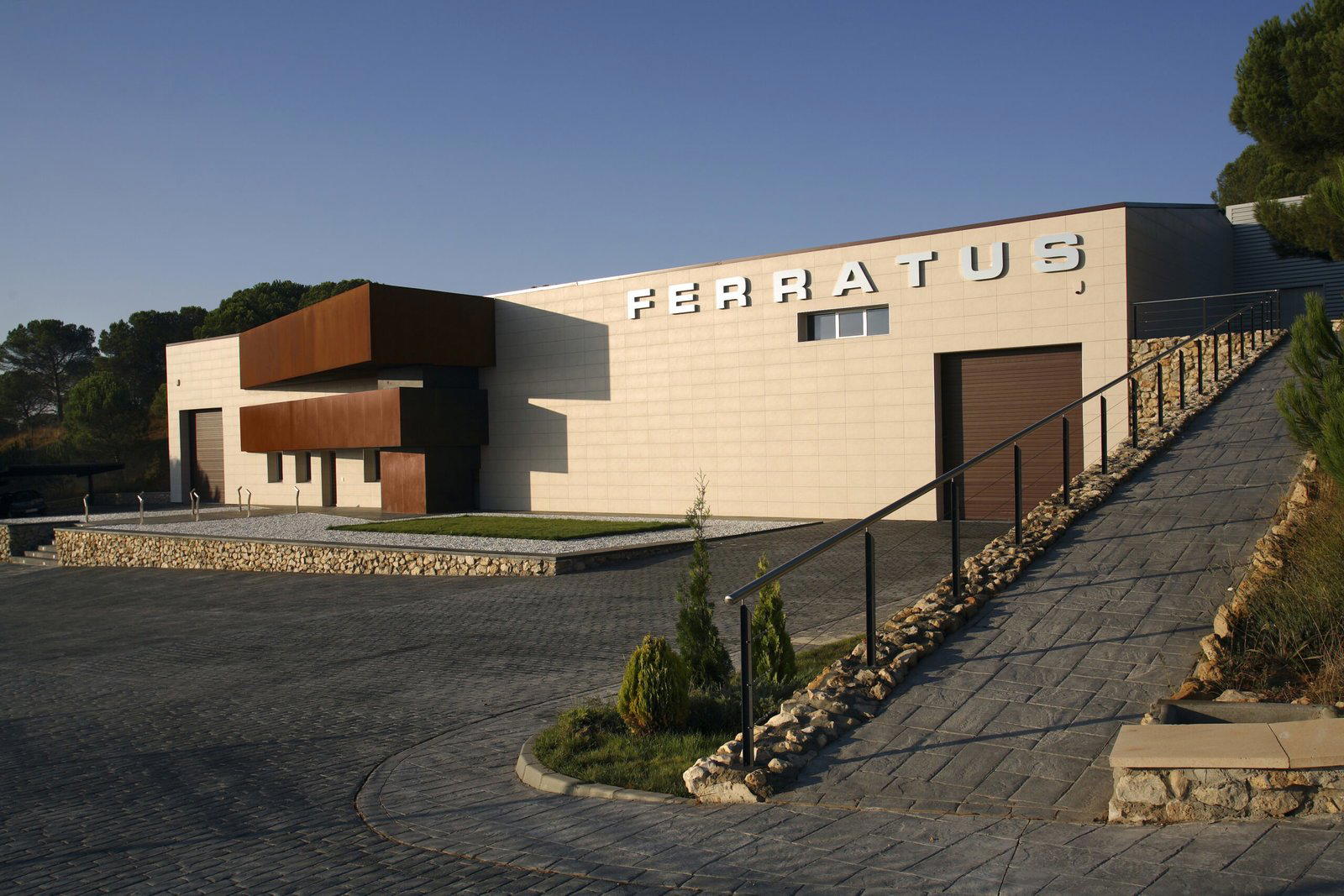
Bodega la Asunción is a traditional Ribera del Duero cooperative winery in Gumiel De Izan. The picture is practical rather than ornamental: a working production site with spacious facilities, an emphasis on vineyard and terroir, and a setting in a historic village declared Conjunto Histórico. That combination gives the venue a grounded sense of place. It is not being framed here as a polished lifestyle stop or an architecture-first destination, but as a winery whose interest comes from production, locality, and the wider wine culture of this part of Ribera del Duero.
Traditional Ribera del Duero cooperative character
The clearest way to understand Bodega la Asunción is as a production-led winery rather than a design-led destination. Its identity is tied to the vineyard, the cooperative model, and the practical work of making wine in Gumiel De Izan. In that sense, the venue reads as part of an agricultural and village-based wine landscape, where the point is not only what happens in a glass but also the collective infrastructure behind it.
The cooperative character is important because it suggests a winery shaped by function, continuity, and shared production needs. Rather than leaning on a single personality or a luxury narrative, the description available here points toward a broader working context: vines, terroir, facilities, and the everyday mechanics of Ribera del Duero winemaking. For visitors who prefer wineries with a direct connection to place, that can be part of the appeal.
Facility scale is substantial, with 2,000 m² of production space. That detail matters because it frames the venue as a functional winery with room for production activity, not as a small decorative tasting room built mainly for atmosphere. A space of that kind sets expectations clearly: this is a place where production is central, and where the physical layout is likely to be understood through its practical use rather than through theatrical presentation.
Beyond that, specific claims about grape varieties, bottlings, founding dates, vineyard area, harvest methods, awards, or individual winemakers are not confirmed here. The grounded takeaway is simpler: Bodega la Asunción represents a traditional Ribera del Duero cooperative winery focused on vineyard and terroir. Keeping the description to what is confirmed is also useful for visitors, because it avoids turning a practical winery into something more elaborate than the information supports.
A production-led visit, not a luxury tasting room script
The setting is best described as functional and spacious. Bodega la Asunción is not presented as a piece of design-led architecture; its appeal is the practical cooperative-winery context and the connection to the surrounding wine range of Gumiel De Izan. That makes the likely mood more direct than decorative: the value lies in understanding a working Ribera del Duero winery and its relationship to its village and vineyard setting.
This distinction is useful when deciding whether it fits a particular wine day. Some visitors look for highly choreographed hospitality, dramatic buildings, or a tasting-room experience built around visual impact. Bodega la Asunción, as described here, belongs to a different category. It is better approached with interest in production, local wine identity, and the way a cooperative winery sits inside the fabric of a historic village.
For planning, the price level is $$, placing it in a moderate bracket. That is especially important for a production-led venue, where visitor arrangements may depend on operational realities rather than a fixed, heavily publicised hospitality script.
There are no clearly confirmed awards or critic recognitions in the information provided here. The reliable case for the venue rests instead on its traditional Ribera del Duero cooperative character, its 2,000 m² production facilities, and its emphasis on vineyard and terroir. In editorial terms, that is enough to define its role without overstating it: a grounded local winery whose interest comes from function, scale, and place rather than external accolades.
How to place it inside a Gumiel De Izan wine day
Bodega la Asunción can be considered as part of a Gumiel De Izan itinerary for travellers interested in wine production and the local Ribera del Duero landscape. The village context matters here, because the winery is not isolated from its surroundings in the way a destination property sometimes can be. Its location in a historic village declared Conjunto Histórico adds an additional layer of setting around the wine experience, even though the winery itself is described in practical rather than ornamental terms.
It is well suited to travellers who want a clearer view of a traditional cooperative winery and who are comfortable with a less embellished style of visit. The key expectations should remain modest and precise: a functional production environment, a connection to vineyard and terroir, and a Ribera del Duero context rooted in Gumiel De Izan. Anyone looking for highly detailed confirmed information on tastings, tours, languages, or visitor services should verify those points directly before building the day around it.
The editorial case for Bodega la Asunción is direct: choose it when the priority is a traditional cooperative winery in Gumiel De Izan, a functional production setting, and a terroir-focused Ribera del Duero context rather than a luxury design showcase. Its strength is not a long list of confirmed extras, but the clarity of its identity: spacious production facilities, cooperative character, and a practical relationship with the wine landscape around it.
Recognition history
Dated appearances from independent guides and award organizations, with the underlying list record or original source where available.
Falstaff Winery - 1 Stars
Falstaff
Continue exploring
More in Gumiel De Izan

Details
- Rustic
- Classic
- Scenic
- Group Outing
- Wine Education
- Solo Exploration
- Romantic Getaway
- Vineyard Tour
- Estate Grounds
- Historic Building
- Vineyard
- Tempranillo (tinta Del País)
- Albillo Blanco
- Still Red
- Still Rosé
- Guided Tasting
- Cellar Tour
- Vineyard Visit
- Spanish
Traditional Ribera del Duero cooperative winery with functional, spacious production facilities (2,000 m²) and an emphasis on the vineyard and terroir rather than design-led architecture, set in a historic village declared Conjunto Histórico Artístico.