Blue Mountain Vineyard

Falstaff Winery - Listed
Blue Mountain Vineyard is a small estate winery in Okanagan Falls shaped by cool-climate varieties, family stewardship and a shoreline site above Vaseux Lake. The draw is not spectacle but terroir: estate-grown Pinot Noir, Pinot Gris, Chardonnay, Gamay Noir, Sauvignon Blanc and sparkling rosé, with a quiet tasting format built around the land rather than a broad hospitality complex.

Pearl is the En Primeur Club membership app — saves, bookings, and concierge access live there. Same editors, same standards.
- Address
- Okanagan Falls, Nunavut, Canada
- Directions
- Get directions
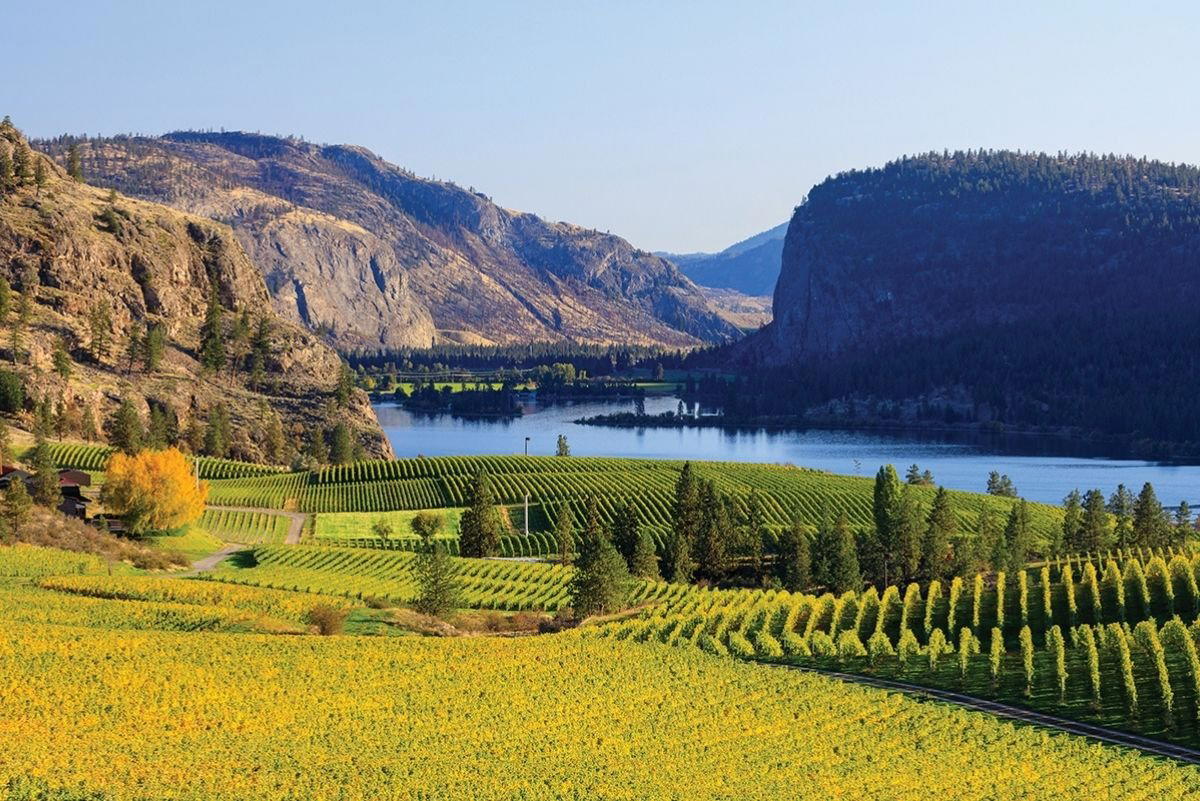
Approaching Blue Mountain Vineyard, the South Okanagan reads less like a resort corridor than a working agricultural edge: vines, lake light, mountain lines and enough distance from the main valley traffic to make the estate feel self-contained. That physical separation matters. In a region where wine tourism can lean toward architectural drama and crowded tasting rooms, this Okanagan Falls property is better understood through the old-fashioned grammar of place: vineyard exposure, lake influence, cool-climate fruit and a family’s long hold on the same land.
The estate’s identity begins with that setting above Vaseux Lake. Okanagan Falls sits near the southern end of the valley, where inland heat, water, wind and elevation changes create the conditions for wines that need acidity as much as ripeness. Blue Mountain Vineyard works squarely in that register. Its core varieties, including Pinot Noir, Pinot Gris, Pinot Blanc, Chardonnay, Gamay Noir, Sauvignon Blanc and sparkling rosé, point away from high-extraction power and toward freshness, structure and site definition.
Cool-climate Okanagan wine, read through estate fruit
Estate-grown fruit is the decisive signal here. In wine regions built partly on purchased grapes and broad appellation sourcing, a winery tied to its own vineyards offers a clearer relationship between bottle and site. Blue Mountain Vineyard’s model is anchored in estate viticulture, which makes the wines less about a brand assembled across the valley and more about the performance of specific land over successive vintages.
That matters most with varieties that punish imprecision. Pinot Noir and Chardonnay do not hide farming choices; sparkling wine is even less forgiving because acid balance has to be protected from the start. The estate’s portfolio, spanning still whites, Pinot-led reds and traditional-method sparkling styles, makes sense only if the site can hold freshness. The lake-adjacent position and varied microclimates help explain why this relatively focused property can sustain that range without drifting into a generic Okanagan style.
The winery’s scale also gives the wines their context. Annual production is around 12,000 cases, small enough to keep the estate narrative credible and large enough to have a recognizable regional footprint. Recent release notes for the 2025 wines emphasize bright fruit, acidity and balance, which is exactly the language one expects from a producer trying to preserve cool-climate tension rather than chase weight. Single-vineyard Chardonnay has also been described with native yeast fermentation and French oak aging, a useful clue to the cellar’s direction: texture and complexity, but not a style built on obvious manipulation.
Blue Mountain Vineyard is not operating from a newly invented identity. The property dates to 1971, and Ian and Jane Mavety cellared the first Blue Mountain vintage in 1991. That timeline gives the estate something increasingly valuable in a young, fast-moving wine region: continuity. Matt Mavety now carries the winemaking role, with agricultural and viticultural training behind him, but the more interesting point is not biography. It is the way a multi-decade family tenure can turn vineyard knowledge into a practical advantage, especially with blocks that respond differently to heat, wind, frost and vintage variation.
A tasting format built for quiet attention, not throughput
The hospitality style follows the wine logic. This is a quiet, appointment-led estate experience rather than a high-volume tasting bar. The format suits visitors who want to understand why the same valley can produce both racy whites and structured reds, and why sparkling wine has become such an important signal for serious Okanagan producers. The experience is framed around estate grounds, vineyard context and guided tasting rather than a restaurant-style food program or entertainment-driven afternoon.
That restraint is a useful filter. Travellers looking for a social, high-energy room may find the tempo subdued; those interested in wine education will get more from the format. Pairing-led tastings have included cheese or chocolate elements with guided context, but the stronger reason to visit is the chance to connect the wines to the site that grows them. The lake, vineyard and mountain views are not decorative extras here. They explain the house style.
The regional position is similarly specific. Okanagan Falls has a different appeal from larger Okanagan wine hubs: less urban polish, more immediate agricultural context, and a stronger sense of moving between small estates rather than hospitality compounds. For a broader regional plan, use Our full Okanagan Falls wineries guide, then cross-reference meals, stays and post-tasting plans through Our full Okanagan Falls restaurants guide, Our full Okanagan Falls hotels guide, Our full Okanagan Falls bars guide and Our full Okanagan Falls experiences guide.
Where it fits in a Canadian wine itinerary
Blue Mountain Vineyard belongs in an itinerary for drinkers who care about how Canadian wine expresses climate rather than scale. The point is not to tick off a famous label; it is to taste a focused Okanagan estate working with varieties that translate site with unusual clarity. Pinot Noir, Pinot Gris and Chardonnay give the clearest read on vineyard character, while sparkling rosé adds another lens on acidity and timing.
For travellers building a wider Canadian wine route, the contrast with other regions is instructive. Okanagan estates such as 50th Parallel Estate Winery in Lake Country, Burrowing Owl Winery Estate in Oliver and CedarCreek Estate Winery in Kelowna show different expressions of British Columbia’s vineyard geography, while Ontario references such as Inniskillin in Niagara Falls and Lakeview Cellars in Niagara-on-the-Lake shift the conversation toward Niagara’s climate and commercial history. Urban or non-estate entries, including Downtown Winery in Toronto, Jones Wines in Winnipeg and Alberta Distillers in Calgary, underline how different the Blue Mountain proposition is: land first, hospitality second.
International wine travellers can also place the estate within a broader cool-climate conversation, alongside routes that might include »der Steiner« Hans Steiner in Podersdorf am See or & Handwein in Mannheim. The useful comparison is not stylistic sameness but intent: smaller producers asking visitors to pay attention to origin, farming and structure. In Okanagan Falls, Blue Mountain Vineyard is a strong case for slowing the itinerary down and letting the site do the explaining.
Recognition history
Dated appearances from independent guides and award organizations, with the underlying list record or original source where available.
Falstaff Winery - Listed
Falstaff
Continue exploring
More in Okanagan Falls
Wineries in Okanagan Falls
Browse all →
Bars in Okanagan Falls
Browse all →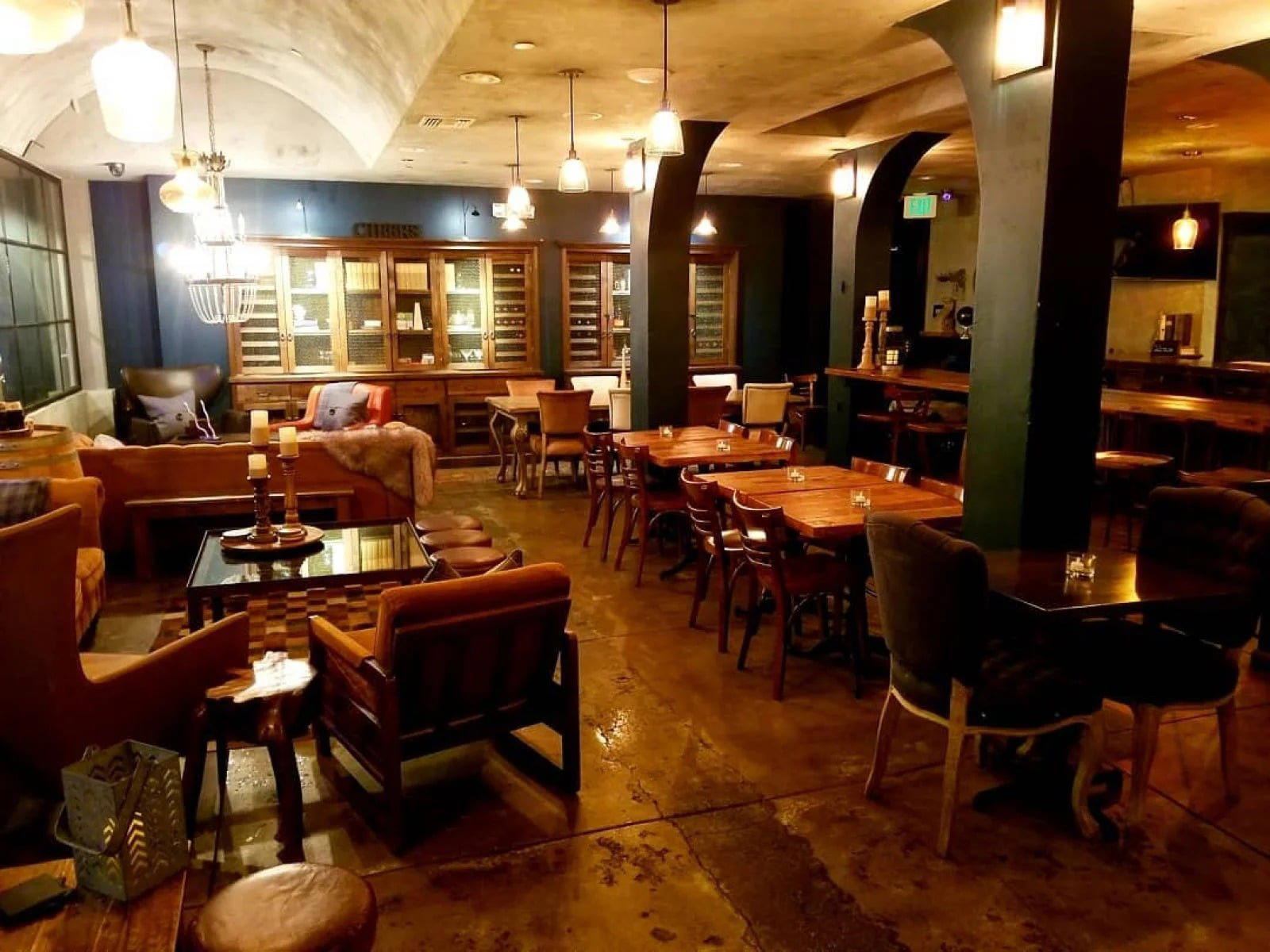
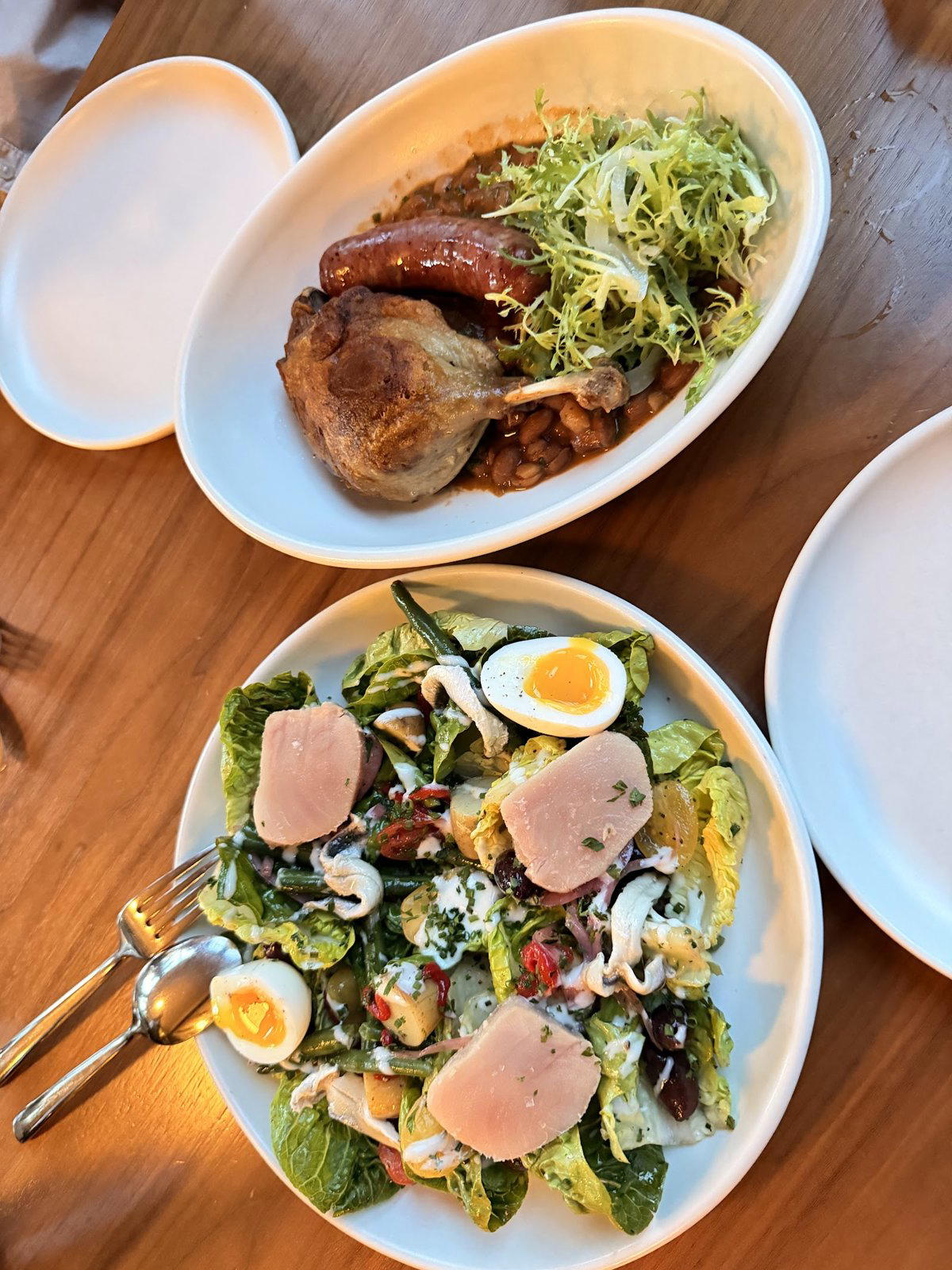
Restaurants in Okanagan Falls
Browse all →
Hotels in Okanagan Falls
Browse all →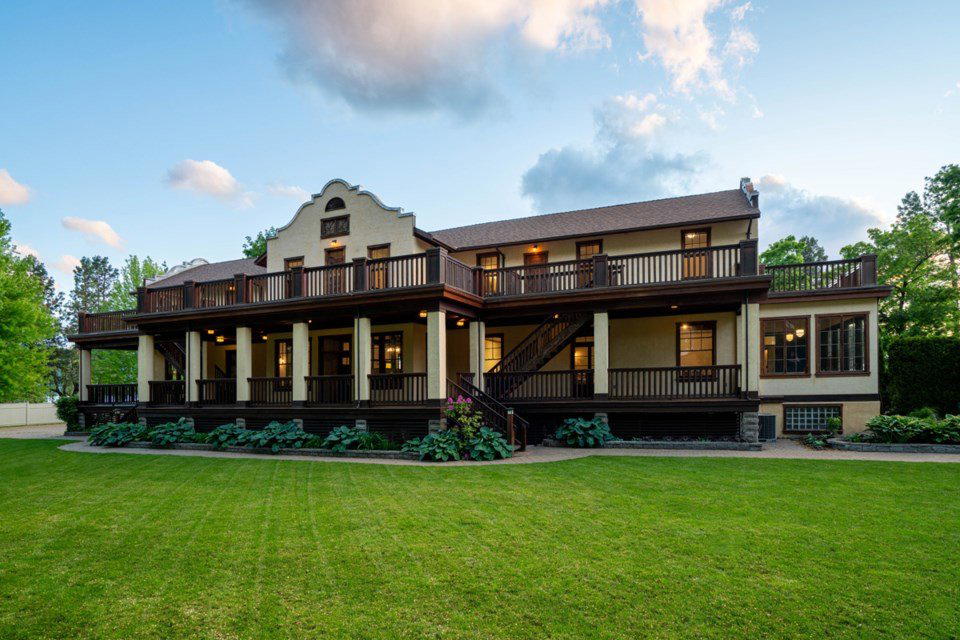
Details
- Scenic
- Quiet
- Intimate
- Solo Exploration
- Special Occasion
- Wine Education
- Romantic Getaway
- Estate Grounds
- Vineyard Tour
- Private Tasting
- Sustainable
- Waterfront
- Vineyard
- Mountain
- Pinot Noir
- Pinot Gris
- Pinot Blanc
- Chardonnay
- Gamay Noir
- Sauvignon Blanc
- Sparkling Rosé
- Still Red
- Still White
- Sparkling
- Tasting By Appointment
Scenic, estate-driven winery atmosphere centered on cool-climate viticulture, with an isolated setting overlooking Vaseux Lake and the Okanagan Valley.