Bell Hill Vineyard

Bell Hill Vineyard is a small Waikari wine estate shaped by limestone, close planting and a Burgundian reading of North Canterbury. Its Pinot Noir and Chardonnay sit at the serious, allocation-led end of New Zealand wine, with BioGro organic certification, biodynamic farming and a working-vineyard feel rather than cellar-door theatre.
Pearl is the En Primeur Club membership app — saves, bookings, and concierge access live there. Same editors, same standards.
- Address
- Waikari, Neuseeland
- Directions
- Get directions
 Saves & bookings on Pearl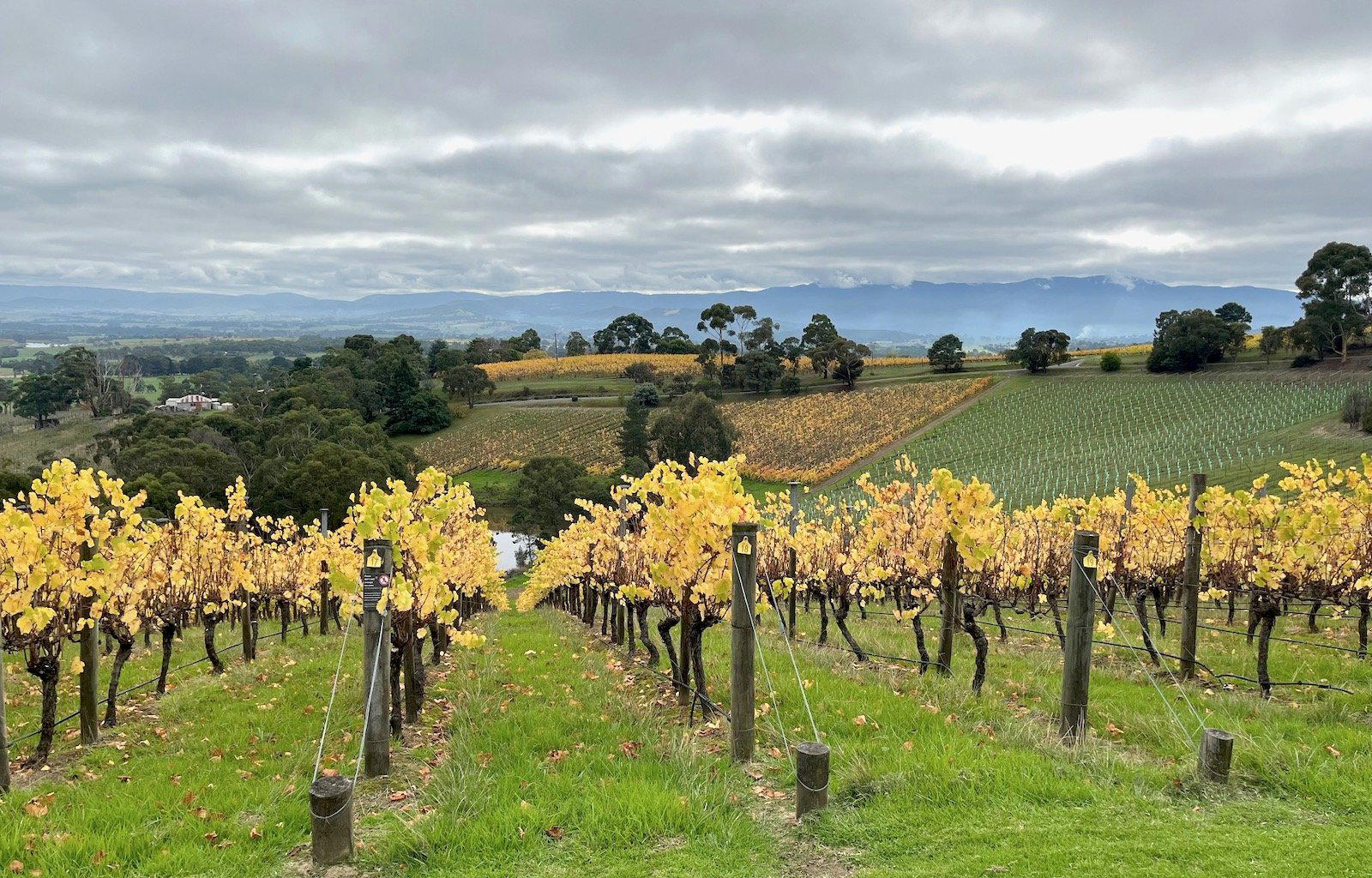
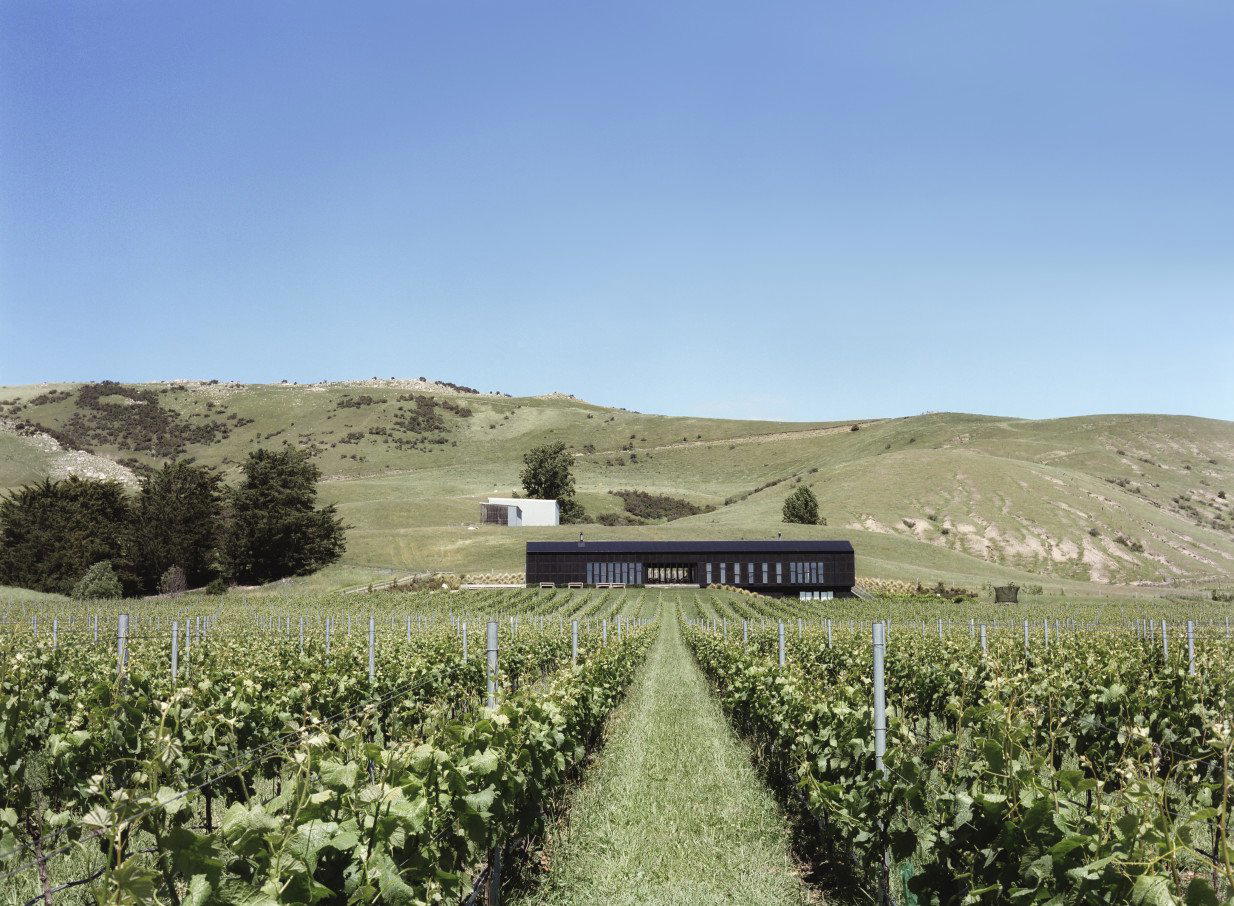
The approach to Bell Hill Vineyard is defined by the feel of a quiet working site rather than by a conventional hospitality pitch. In Waikari, the vineyard is set in a former limestone quarry in the Waikari Hills, where stark chalky slopes and closely spaced vines give the place its visual character. The mood is restrained, focused and agricultural: a vineyard where geology and craftsmanship are the central story, and where the landscape itself does much of the explaining before any visitor-facing narrative is required.
Because the public detail for Bell Hill Vineyard is limited, a reliable way to describe it is through its setting and tone. It is a highly focused working vineyard with a minimalist, Burgundian-inspired farming aesthetic. Specific claims about visitor formats, grape varieties, production volumes, awards, ownership, hours or tastings should be treated cautiously unless confirmed directly by the venue. That caution is not a weakness in the description; it is part of writing about the place accurately, without padding a sparse, serious vineyard with assumptions it has not supplied.
Limestone, density and the New Zealand Burgundy question
Bell Hill Vineyard’s strongest identity comes from its site. The former limestone quarry setting, pale slopes and close vine spacing create a sense of precision before any broader wine narrative is added. The visual language is unusually direct: stone, slope, vine and order, all presented without much obvious softness or theatrical framing.
That restraint matters. The winery is not best framed through invented specifics or assumed hospitality features. Its appeal lies in the disciplined look and feel of the vineyard itself: compact, chalky, quiet and intent on the relationship between vines, geology and craft. The Burgundian reference is useful only insofar as it points to density, seriousness and a site-led way of thinking; it should not be stretched into unsupported claims about style, service or comparison.
For readers planning around Waikari, the safest practical takeaway is simple: treat the winery as a serious working vineyard and confirm any visit details, availability or services directly before making plans. The setting may be evocative, but practical expectations should remain grounded in what the venue itself confirms, rather than in what a visitor might assume from the reputation or appearance of a premium vineyard.
Scarcity is part of the style, not a sales tactic
It would be easy to turn the winery into a story about rarity, allocations or collector demand, but those specifics are not part of the public record provided here. What can be said with confidence is that the vineyard’s character is focused and spare, shaped by a former quarry site and an emphasis on craftsmanship rather than spectacle. The sense of scarcity comes first from the physical impression of the place: close plantings, a contained landscape and an atmosphere that feels more functional than promotional.
The price level is listed as $$$$, so visitors should expect a premium positioning. Beyond that, precise claims about tasting fees, bottle prices, appointment policies, production scale or awards should not be assumed from reputation alone. A premium signal gives a broad orientation, but it does not replace the need for direct confirmation, particularly for anyone trying to build a day around access, purchases or a specific experience.
Waikari’s broader dining and travel context can be considered generically, but the winery should be understood on its own terms: a Waikari vineyard whose identity rests on limestone, close planting, a quiet working atmosphere and a minimalist farming sensibility. In that frame, the absence of expansive public detail keeps the focus on the site rather than on a polished list of amenities.
Who this vineyard makes sense for
The winery works well for travellers who value place, landscape and agricultural focus. The appeal is not a described restaurant-style service model or a guaranteed visitor programme; it is the chance to understand a vineyard shaped by chalky slopes, close vine rows and a disciplined approach to farming. It is better suited to people who are interested in why a site looks and feels particular than to those simply looking for a broad, casual hospitality stop.
It may also suit readers comparing different kinds of Waikari experiences, especially those who want a quieter, more place-led perspective. Other dining in Waikari can be considered separately, but the winery’s role is best framed as a distinctive working vineyard rather than as a general hospitality venue. That distinction helps keep expectations clear: the value here is in the seriousness of the setting, not in a promised menu of visitor services.
The editorial take is simple: the winery is compelling because its story is unusually clear even without embellished details. A former limestone quarry in the Waikari Hills, closely spaced vines and a minimalist, Burgundian-inspired farming aesthetic give it a strong sense of place. For travellers who want wine country to explain landscape rather than decorate it, that is the point. The vineyard reads as purposeful, quiet and site-specific, and that clarity is more persuasive than any unsupported layer of extra claims would be.
Recognition history
Dated appearances from independent guides and award organizations, with the underlying list record or original source where available.
Falstaff Winery - Listed
Falstaff
Continue exploring
More in Waikari

At a Glance
- Scenic
- Quiet
- Classic
- Sophisticated
- Rustic
- Romantic Getaway
- Special Occasion
- Solo Exploration
- Wine Education
- Estate Grounds
- Vineyard Tour
- Historic Building
- Design Destination
- Private Tasting
- Organic
- Biodynamic
- Sustainable
- Vineyard
- Mountain
- North Canterbury
- Pinot Noir
- Chardonnay
- Still Red
- Still White
- By Appointment Estate Visit
- Private Tasting
- Vineyard Focused Educational Visit
A quiet, highly focused working vineyard set in a former limestone quarry in the Waikari Hills, with stark chalky slopes, closely spaced vines and a minimalist, Burgundian-inspired farming aesthetic that emphasizes geology and craftsmanship over visitor amenities.