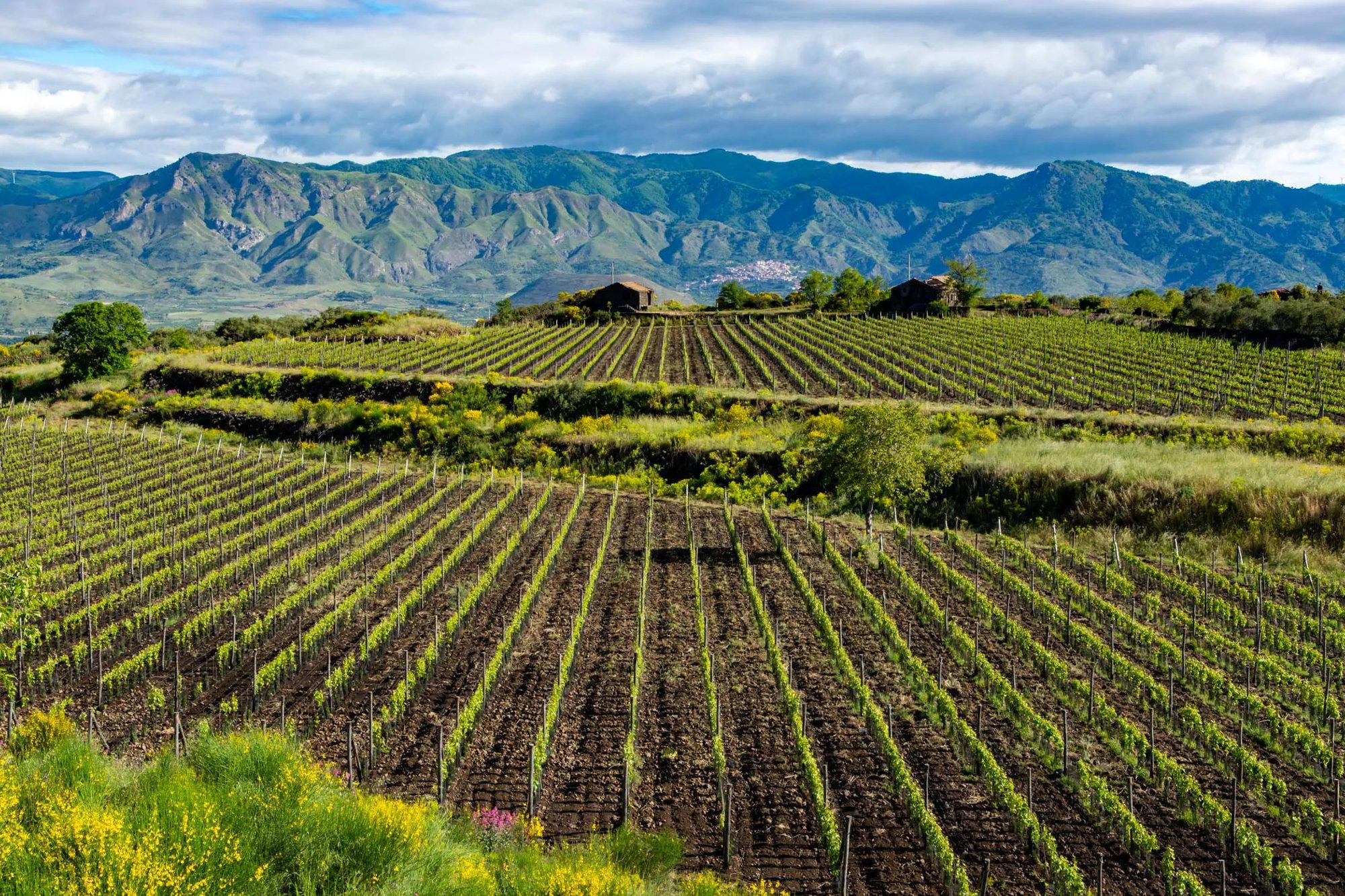
The draw is terroir literacy rather than spectacle: Nerello Mascalese, Grenache and Carricante are framed through elevation, organic farming and a natural winemaking philosophy shaped by Mount Etna’s northern slope.

Pearl is the En Primeur Club membership app — saves, bookings, and concierge access live there. Same editors, same standards.
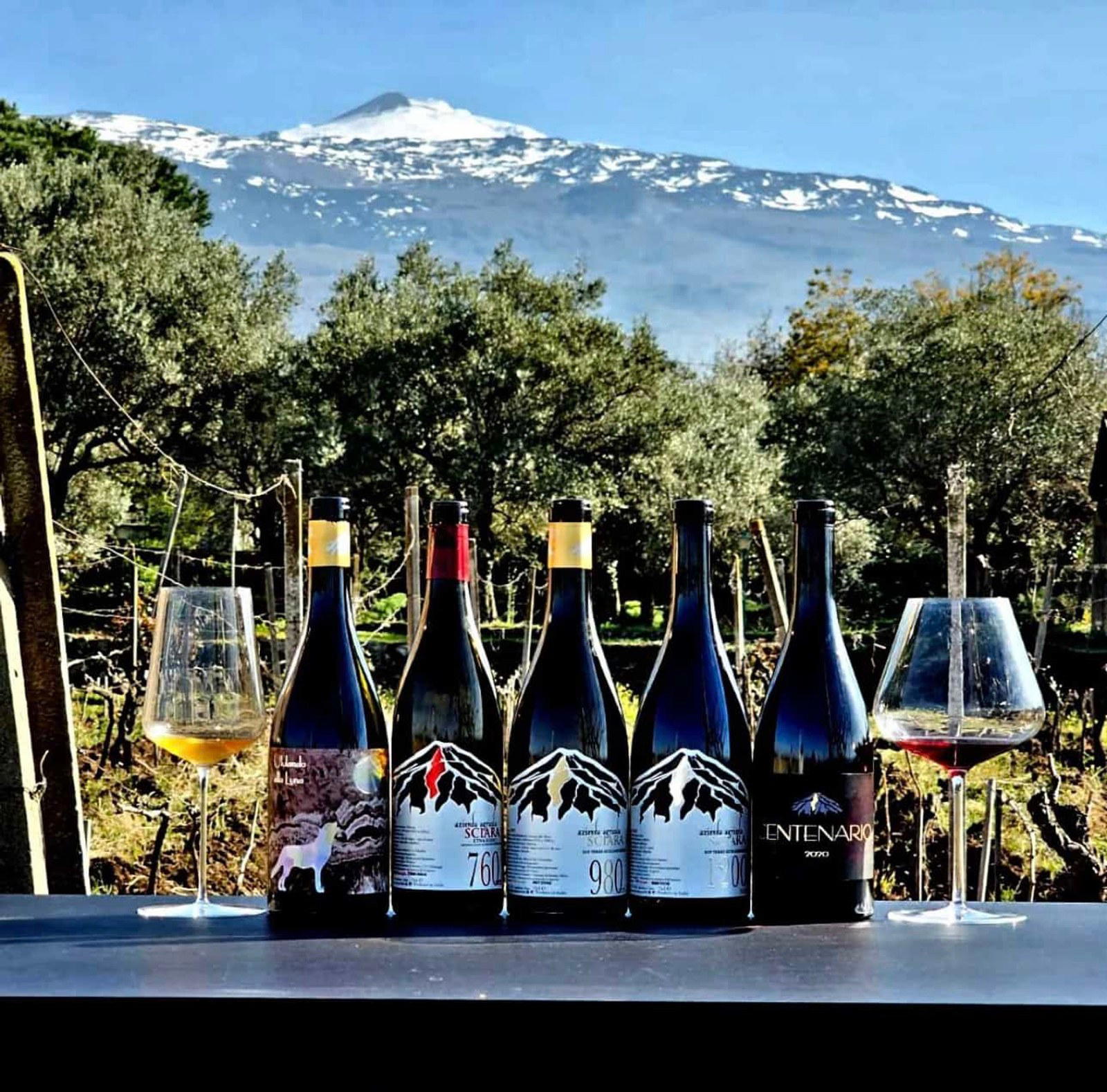
That distinction matters for travellers choosing between different Etna estates. Some addresses are built around polished hospitality, large-scale visibility or a more formal visitor circuit. Sciara’s profile points in another direction: boutique, high-altitude, artisanal and quietly scenic.
Etna through altitude, old vines and volcanic terroir
The estate’s strongest editorial point is its connection to altitude and volcanic terrain. Azienda Agricola Sciara is described as a high-altitude Etna estate with a strong focus on volcanic terroir, old vines and nature-driven, minimal-intervention winemaking. Those are the details that define the experience more reliably than any invented service format, menu structure or visitor promise.
For a wine traveller, that means the emphasis should be on place rather than performance. The attraction is not a crowded tasting-room scene; it is the chance to encounter an intimate producer whose value lies in the relationship between vineyard, mountain and glass. Without overstating specific vineyard holdings, varieties, production methods or awards, Sciara can be placed within the northern Etna mood: scenic, agricultural, and shaped by the contrast between rugged terrain and careful small-estate work. The facts support a portrait of a quiet, artisanal producer rather than a heavily branded destination.
The price level is listed as $$$. That positions Azienda Agricola Sciara as a premium stop rather than a casual budget add-on, but the available information does not justify attaching exact tasting fees, bottle prices, lunch pricing or package details. Travellers should treat the price marker as a broad guide and confirm any practical arrangements directly before planning around a visit.
A quiet estate for people who want the vineyard in the foreground
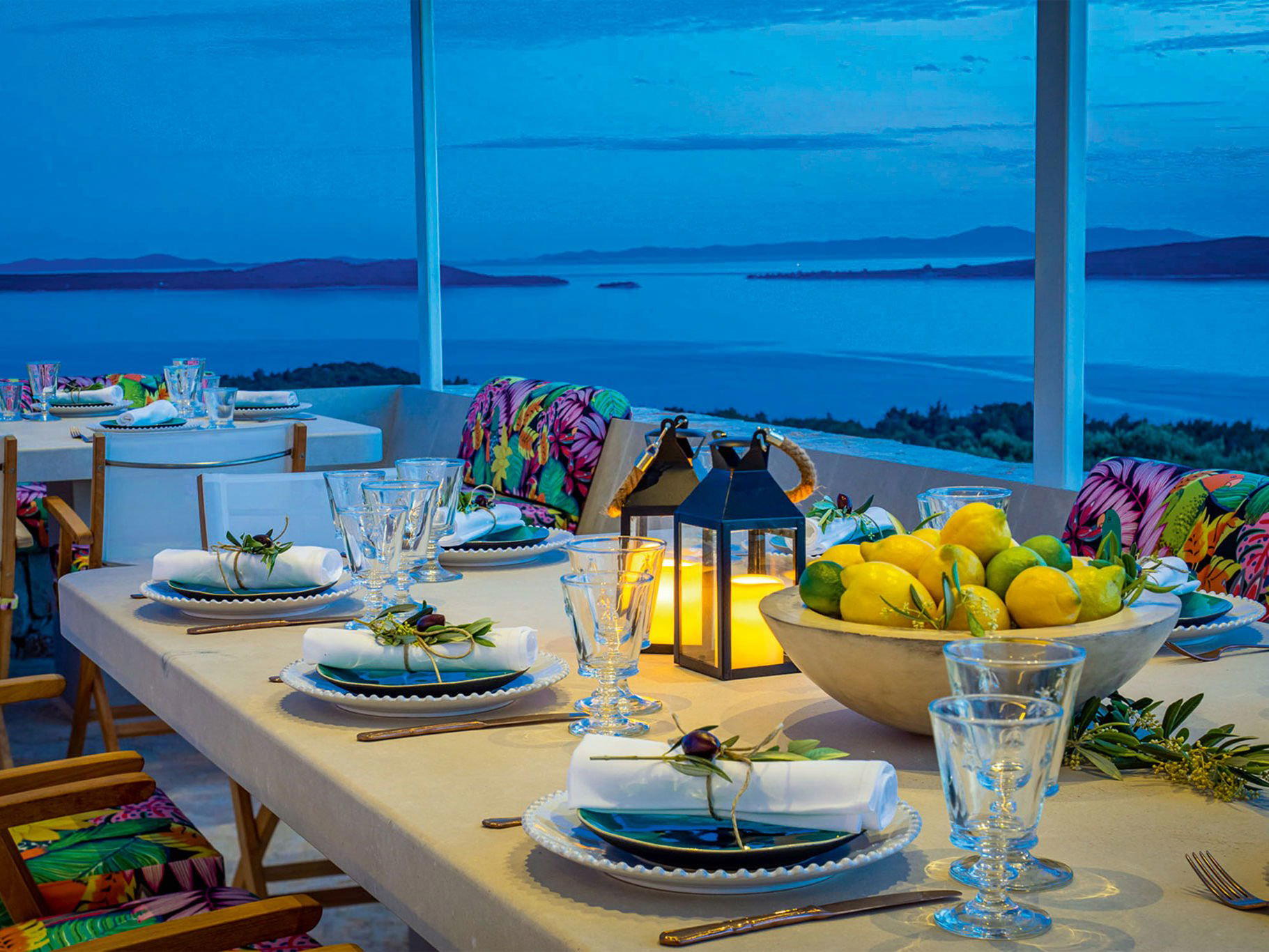
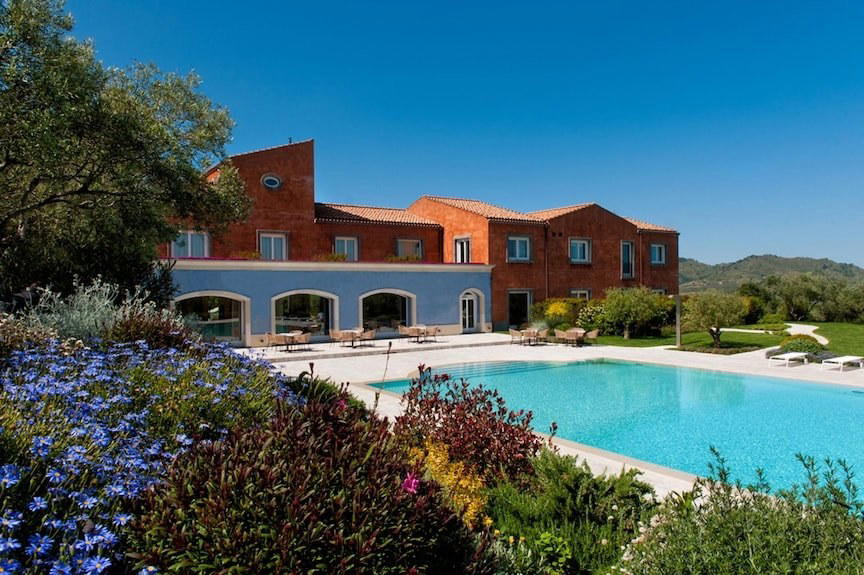
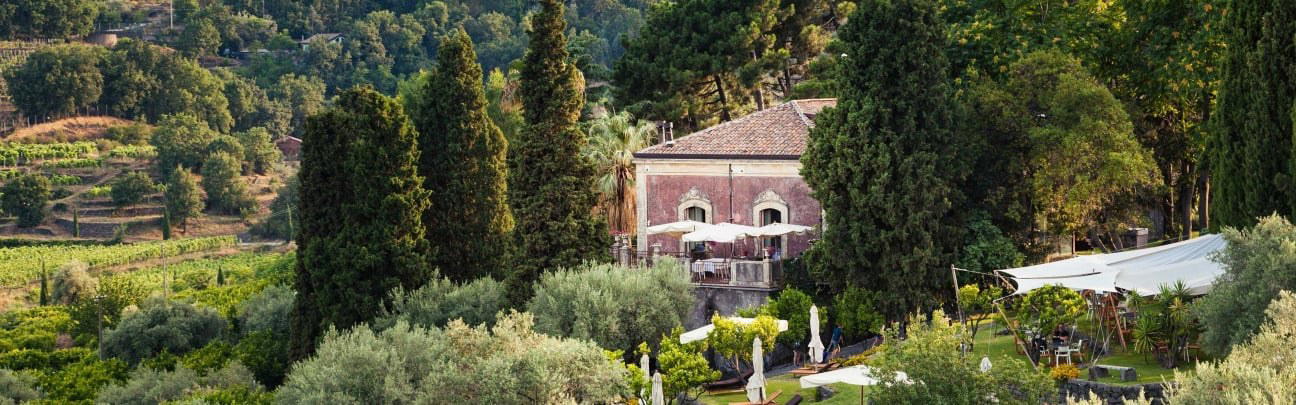
The ideal way to frame Azienda Agricola Sciara is as a scenic, small-scale Etna estate. The feel is intimate, artisanal and quietly scenic rather than touristic or crowded. That makes it especially appealing to visitors who prefer a slower, more contemplative winery experience: less showpiece architecture, more attention to the mountain environment and the agricultural story behind the wines.
A careful plan would involve checking current arrangements directly with the estate rather than assuming that a particular tour, private tasting, lunch option or walk-in format is available.
That uncertainty does not weaken the core recommendation; it simply keeps it honest. Sciara’s confirmed strengths are not operational extras but identity: boutique scale, high-altitude Etna setting, volcanic terroir, old vines and minimal-intervention winemaking. Visitors looking for a restaurant-style estate lunch, guaranteed guided format or large hospitality operation should verify those details before committing. Visitors drawn to a quieter producer with a strong sense of place are closer to Sciara’s natural audience. Cottanera, Frank Cornelissen, Palmento Costanzo, Tenuta delle Terre Nere and Vini Franchetti Passopisciaro all help show how varied the Etna wine landscape can be, from different estate scales to different interpretations of the volcano. Sciara’s place in that conversation is the quieter, boutique, old-vine and terroir-led end of the spectrum.
How Sciara fits into the small-estate Etna conversation
Etna’s current appeal is part of a wider shift in wine travel: many visitors now look for producers whose identity is built around farming choices, altitude, soil and transparency rather than grand hospitality gestures. Azienda Agricola Sciara fits that desire because the information emphasizes a nature-driven and minimal-intervention approach, a high-altitude estate setting and a strong connection to volcanic terroir.
That does not mean every detail of the estate experience should be embellished. A premium guide should therefore resist the temptation to turn Sciara into a fully scripted destination and instead present it as a tightly defined, place-led estate with limited but meaningful confirmed information.
The editorial verdict is simple. It is less appropriate to sell it as a restaurant, a guaranteed tour product or a large-scale winery attraction unless those details are confirmed directly. For the right drinker, that restraint is exactly the point.
Fast Comparison
Comparable venues by cuisine and price in the same metro.
| Venue | Awards |
|---|---|
| Azienda Agricola SciaraThis venue — the venue you are viewing | Not listed |
| Tenuta delle Terre Nere | Falstaff Winery - 5 Stars |
Continue exploring
More in Randazzo
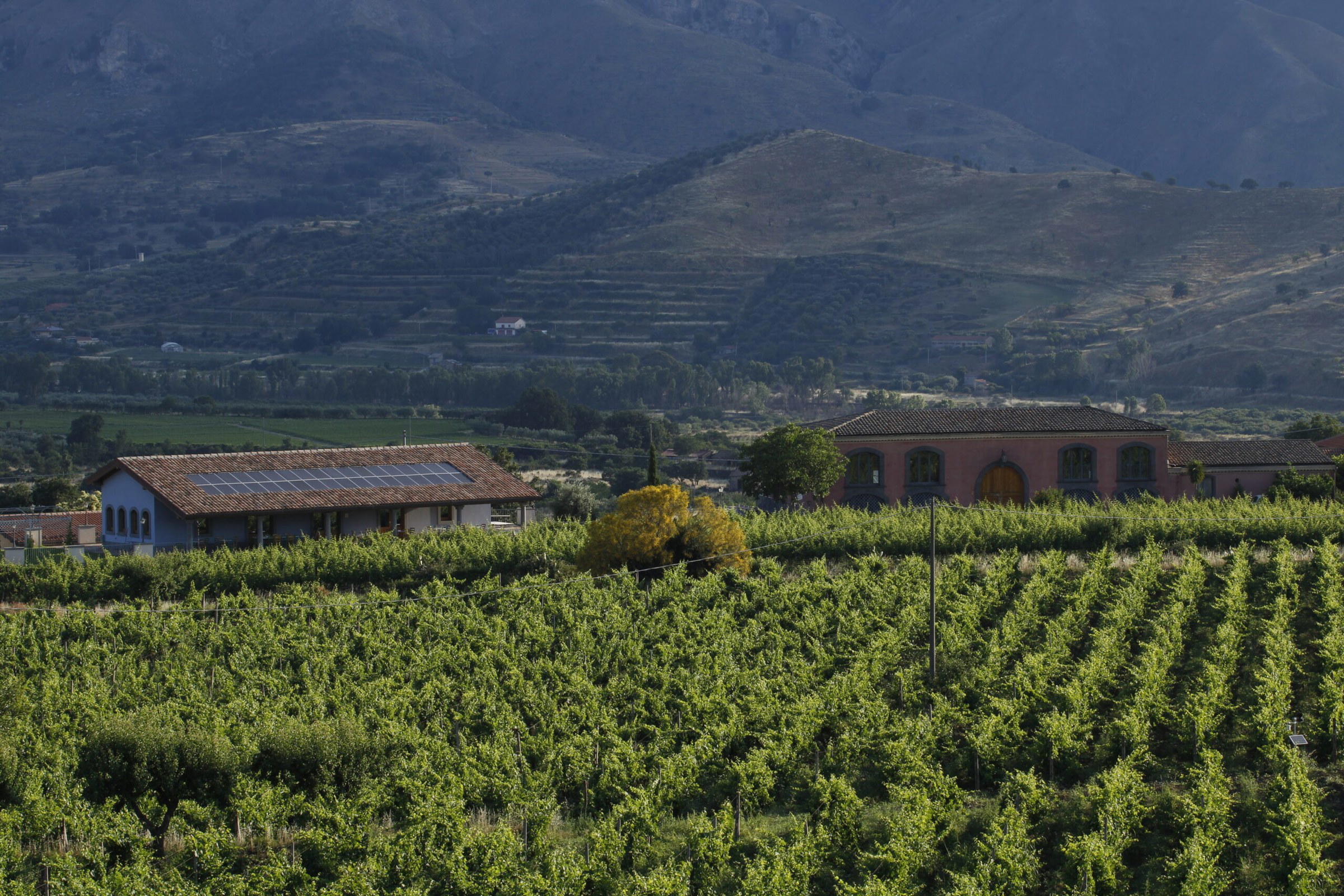
Wineries in Randazzo
All wineries in Randazzo →
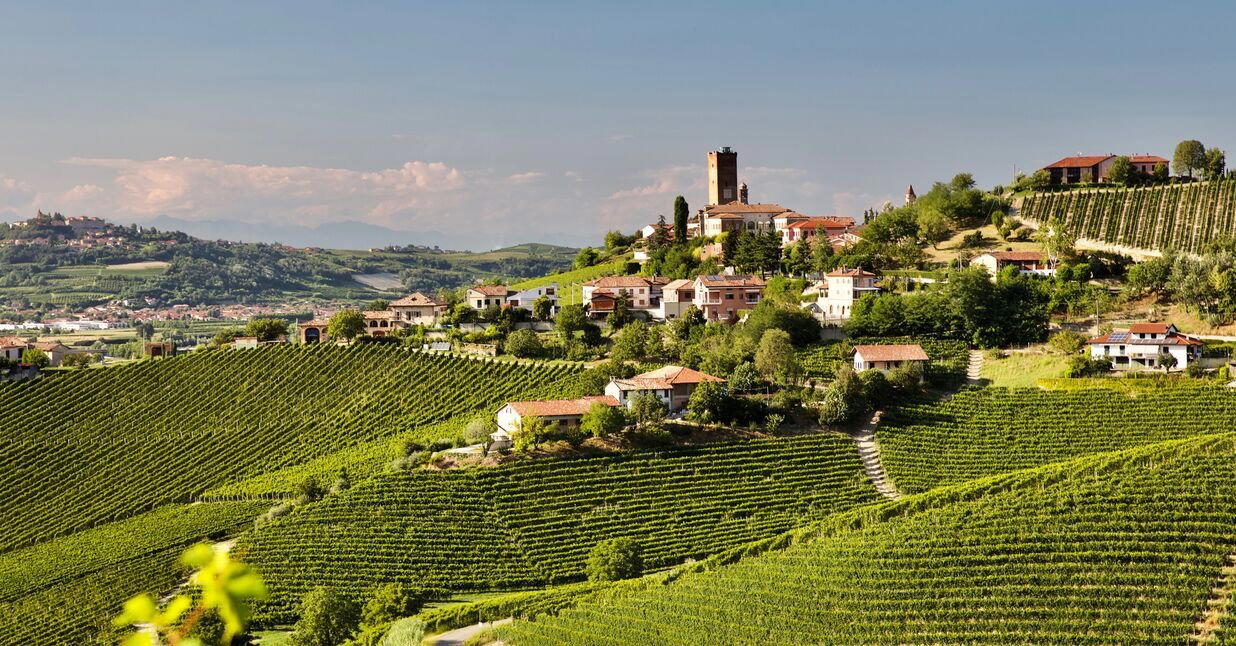
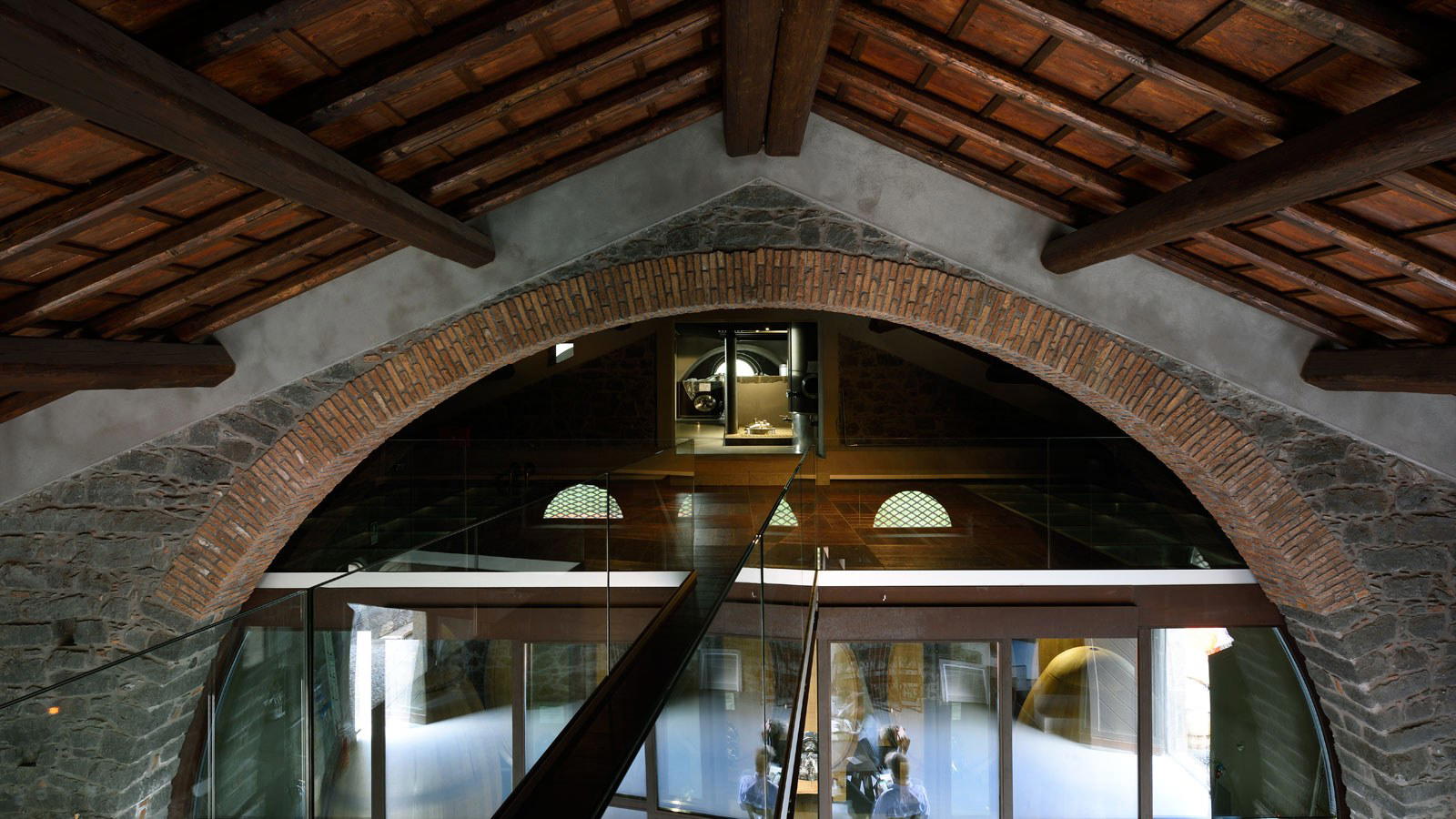
Bars in Randazzo
Browse all →
Restaurants in Randazzo
All restaurants in Randazzo →
Details
- Scenic
- Rustic
- Intimate
- Romantic Getaway
- Group Outing
- Wine Education
- Solo Exploration
- Special Occasion
- Vineyard Tour
- Estate Grounds
- Panoramic View
- Private Tasting
- Organic
- Sustainable
- Dry Farmed
- Mountain
- Vineyard
- Nerello Mascalese
- Grenache
- Carricante
- Still Red
- Still White
- Still Rosé
- Skin Contact
- Standard Tasting
- Guided Tasting
- Vineyard Focused Tasting
- Private Tasting
- Italian
- English
Boutique, high-altitude Etna estate with a strong focus on volcanic terroir, old vines and nature-driven, minimal-intervention winemaking; the overall feel is intimate, artisanal and quietly scenic rather than touristic or crowded.