
Azienda Agricola Reverdito Michele is a family-run Barolo DOCG estate in Verduno, farming Nebbiolo, Barbera, Dolcetto and Pelaverga across key Langhe communes. The draw is terroir clarity rather than cellar-door theatre: vineyard-focused tastings, sustainable farming, and a portfolio shaped by La Morra, Monforte, Serralunga and Verduno.

Pearl is the En Primeur Club membership app — saves, bookings, and concierge access live there. Same editors, same standards.
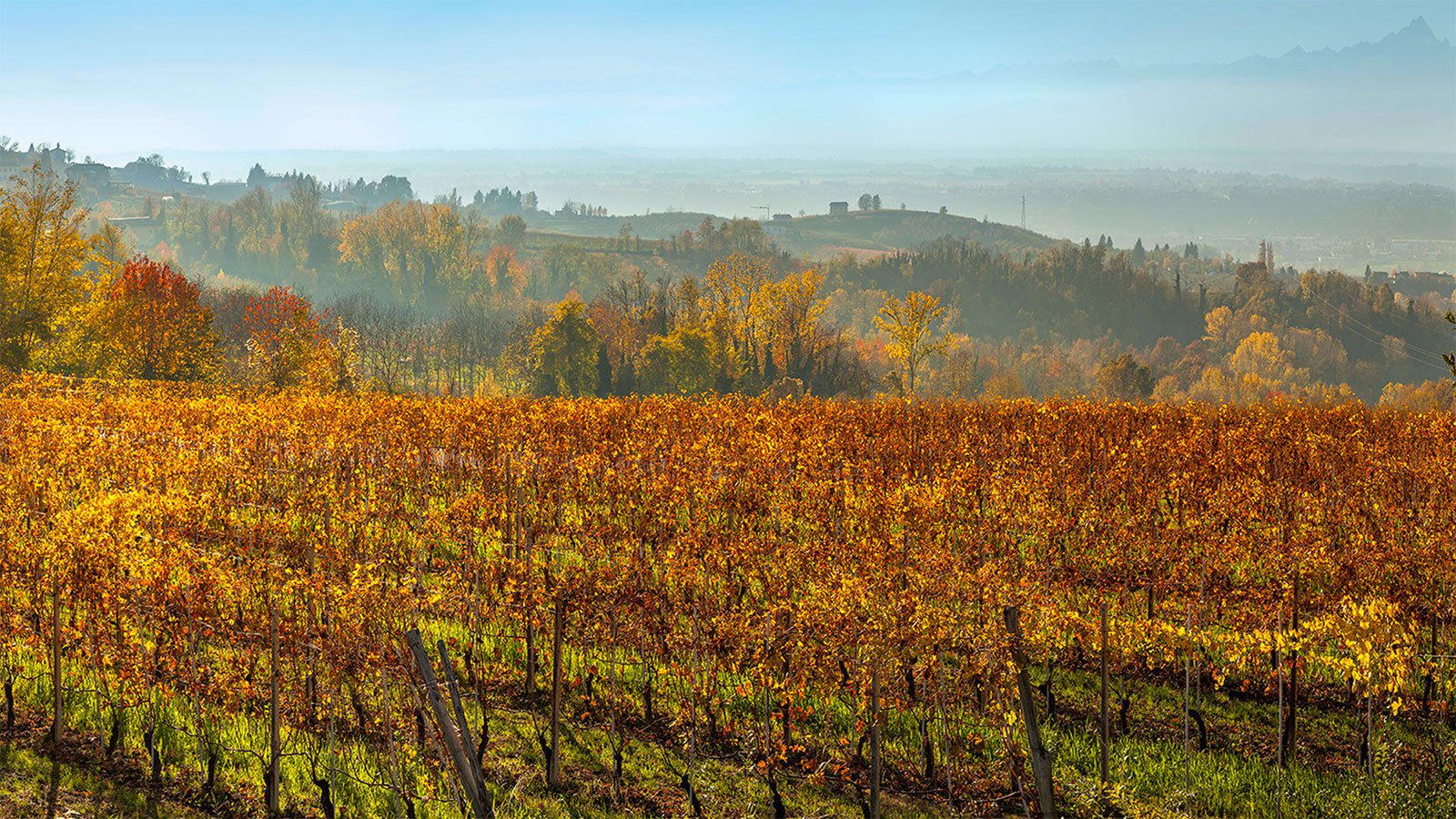
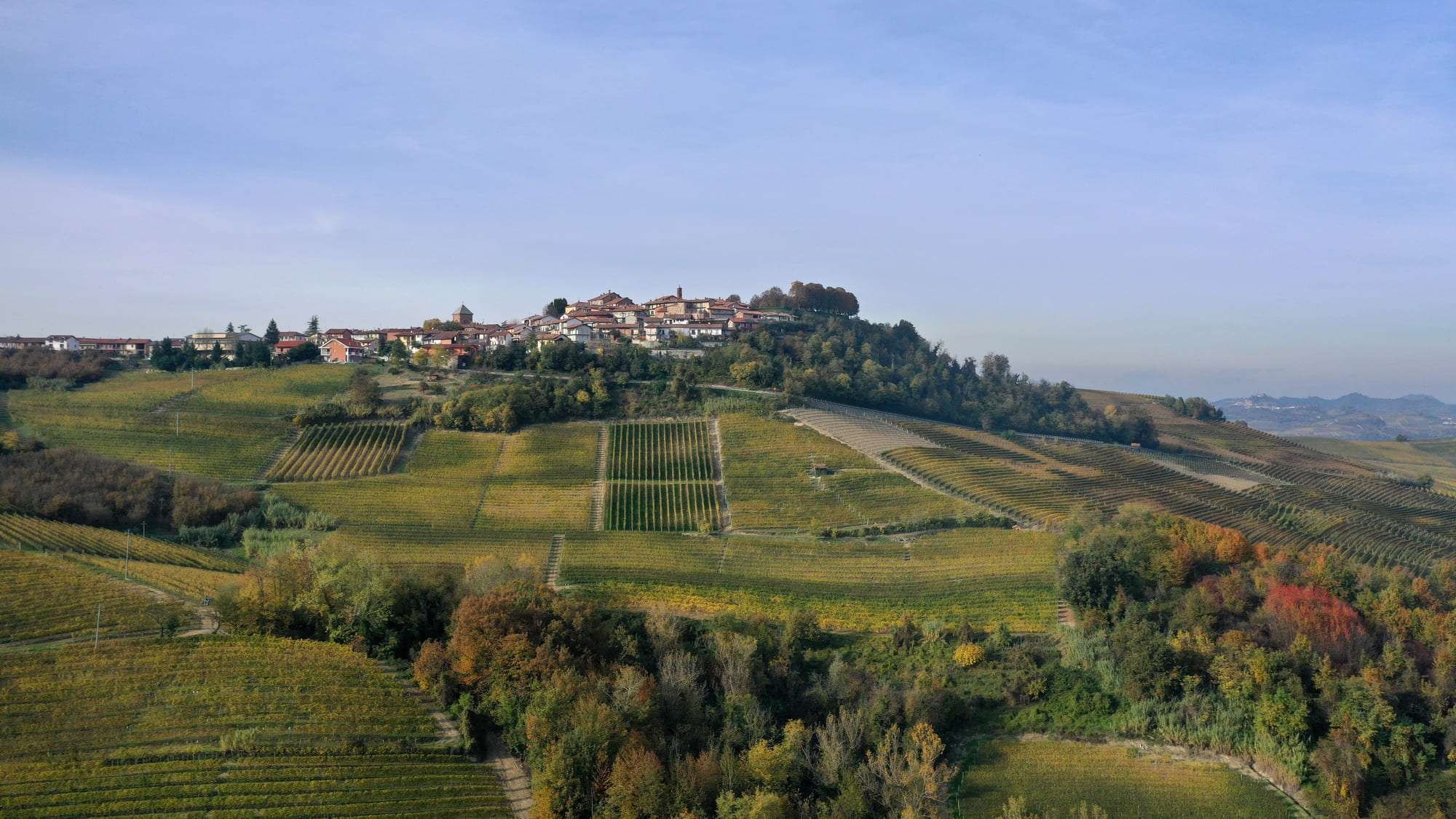
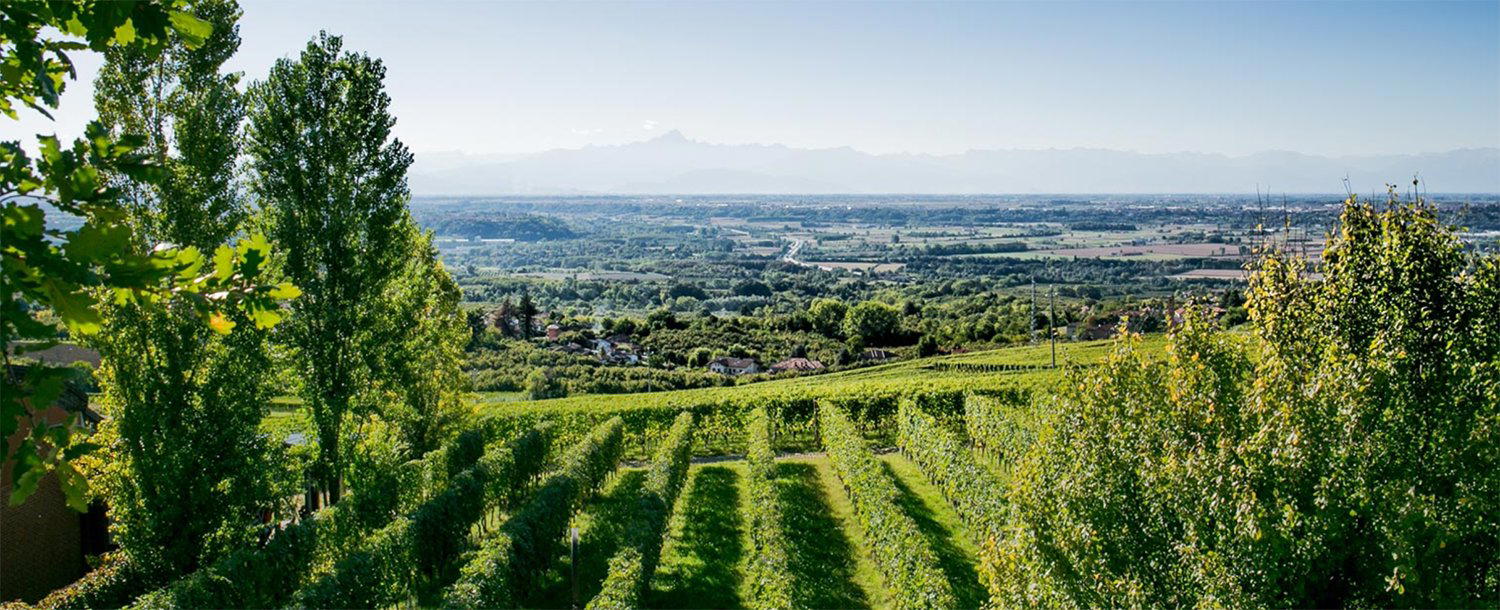
Approaching a Langhe estate of this kind, the first cue is not polish but terrain: rows of vines, hill contours, rural quiet, and the slow rhythm of a working farm. In Verduno, where Barolo culture meets the lighter-spiced personality of Pelaverga, the cellar-door experience often rewards visitors who care less about spectacle and more about why Nebbiolo changes character from one slope to the next. Azienda Agricola Reverdito Michele belongs to that tradition, with a family-run atmosphere and tastings shaped around vineyard explanation rather than scripted luxury.
The estate’s story has useful dates because they explain its position in the modern Barolo map. Silvano Reverdito purchased the Bricco Cogni vineyard in La Morra in 1967, and the winery was formally established in 2000. That arc matters: many Langhe producers moved from grape-growing roots into estate bottling as Barolo’s global demand grew, and Reverdito’s current identity sits inside that shift from agricultural family holding to multi-cru producer. The house now farms around 20 to 26 hectares across La Morra, Monforte d’Alba, Serralunga d’Alba and Verduno, giving its wines a broader geological vocabulary than a single-village estate can offer.
Barolo through four communes, not a single-vineyard monologue
Barolo is often discussed as if Nebbiolo has one voice, but the denomination is a study in small differences. La Morra tends to be associated with perfume and supple structure, while Serralunga d’Alba and Monforte d’Alba are commonly linked with firmer, more architectural expressions. Verduno adds another register, especially through Pelaverga, a local red variety prized for delicacy and spice rather than weight. Reverdito’s range uses Nebbiolo, Barbera, Dolcetto and Pelaverga, but its editorial interest lies in the way its Barolo DOCG holdings cross several communes instead of repeating a single house accent.
The named crus give the portfolio its spine: Bricco Cogni, Castagni, Badarina, Riva Rocca and Ascheri. Bricco Cogni carries extra historical weight because it was the family’s first vineyard acquisition, while Badarina, Riva Rocca and the La Morra sites help frame the estate as a producer concerned with contrast between zones. This is where a tasting becomes instructive. The point is not simply to drink several reds in sequence; it is to understand how altitude, marl, clay and exposure can move Nebbiolo from floral tension toward darker structure without leaving the Barolo grammar.
Production details support that land-first reading. Farming is described as sustainable, with limited chemical use, livestock integrated into the vineyard system, orchards maintained and beekeeping part of the broader agricultural setting. Those details matter in a region where soil health is not a lifestyle accessory but an economic and cultural question. Estate-grown fruit, a focus on traditional Barolo craftsmanship, and a cellar program that works within the region’s long-aging expectations place the wines in a classical register, even as the experience remains informal.
The visit is built for wine education, not performance
Langhe hospitality has split in recent years between polished destination tasting rooms and smaller estate formats where the farm remains visible. Reverdito sits on the latter side. The atmosphere is conversational, rural and compact in scale, with vineyard-focused and private tasting formats offered in Italian and English. That format suits drinkers who want the context behind a bottle: why a La Morra cru reads differently from a Serralunga site, why Pelaverga belongs in Verduno’s conversation, and why Barolo producers increasingly explain parcels with the detail once reserved for Burgundy.
Michele Reverdito is listed as winemaker, but the useful editorial point is not biography for its own sake. In family estates of this scale, winemaking authority and vineyard memory often overlap, which can make the tasting less formal and more agricultural. The better questions here are about parcels, vine age, farming choices and how each commune behaves in warmer or cooler years. With vines ranging roughly from six to thirty years in age, the estate can show both younger material and more established vineyard character across its holdings.
The cellar-door appeal is also tied to restraint. There is no need to approach this as a grand trophy tasting. Its strength is the combination of Barolo DOCG structure, Verduno identity, and a working-family setting where the land remains the main subject. For travellers mapping a broader wine route, it pairs naturally with time spent in Verduno and the surrounding Langhe villages, especially when the itinerary balances Nebbiolo depth with lighter local reds and regional food traditions.
How to place it within a Verduno wine itinerary
Verduno is small enough that a serious wine day benefits from selectivity. Build the route around contrast: one appointment for Barolo structure, one for village context, and time to understand Pelaverga rather than treating it as a footnote. For broader planning, our full Verduno wineries guide gives the wider cellar map, while dining and overnight decisions sit better in our full Verduno restaurants guide and our full Verduno hotels guide. After-hours planning is covered separately in our full Verduno bars guide, and cultural formats beyond cellar visits sit in our full Verduno experiences guide.
Travellers comparing Verduno producers can also look at Alessandria Fratelli, Bel Colle, Comm. G.B. Burlotto and Diego Morra for a broader read on the village. Outside Piedmont, Italy’s regional range becomes clear through producers such as 3GP SRL in Treviso, 47 Anno Domini in Trebaseleghe, A Mano Wine in Noci and a6mani in Fragagnano. Cross-border references such as »der Steiner« Hans Steiner in Podersdorf am See and & Handwein in Mannheim underline how different European wine regions stage the relationship between farm, cellar and visitor.
The editorial case for Azienda Agricola Reverdito Michele is clear: choose it when the aim is to read Barolo through land division rather than label prestige alone. The estate’s combination of multi-commune holdings, sustainable farming signals, small-scale hospitality and Verduno setting makes it especially useful for travellers who want a grounded Nebbiolo education without turning the tasting into ceremony.
Recognition history
Dated appearances from independent guides and award organizations, with the underlying list record or original source where available.
Falstaff Winery - Listed
Falstaff

At a Glance
- Scenic
- Rustic
- Classic
- Elegant
- Intimate
- Romantic Getaway
- Group Outing
- Wine Education
- Solo Exploration
- Special Occasion
- Estate Grounds
- Vineyard Tour
- Private Tasting
- Panoramic View
- Sustainable
- Vineyard
- Mountain
- Barolo DOCG
- Nebbiolo
- Barbera
- Dolcetto
- Pelaverga
- Still Red
- Cellar Door Tasting
- Private Tasting
- Vineyard Focused Tasting
Current opening hours
- Monday
- 8 AM–12 PM, 2–6 PM
- Tuesday
- 8 AM–12 PM, 2–6 PM
- Wednesday
- 8 AM–12 PM, 2–6 PM
- Thursday
- 8 AM–12 PM, 2–6 PM
- Friday
- 8 AM–12 PM, 2–6 PM
- Saturday
- 8 AM–12 PM, 2–6 PM
- Sunday
- 10 AM–12 PM
Hours can change for holidays and private events. Last verified .
Family-run Langhe winery atmosphere with a focus on the land and traditional Barolo craftsmanship, offering informative, relaxed tastings in a classic rural setting among the hills and vineyards of La Morra and Verduno.